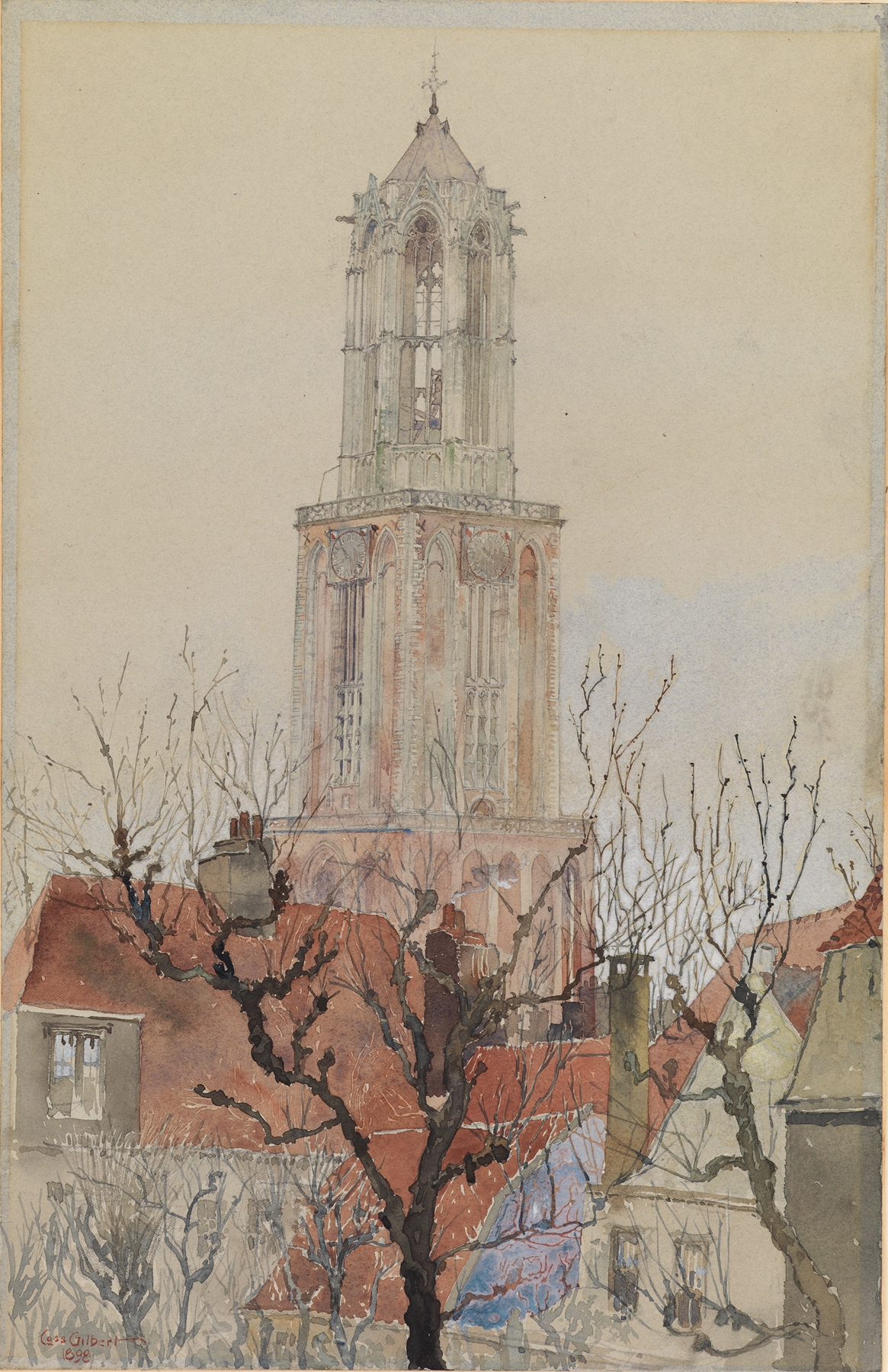
Tower of the Cathedral of Utrecht, Holland — History & Analysis
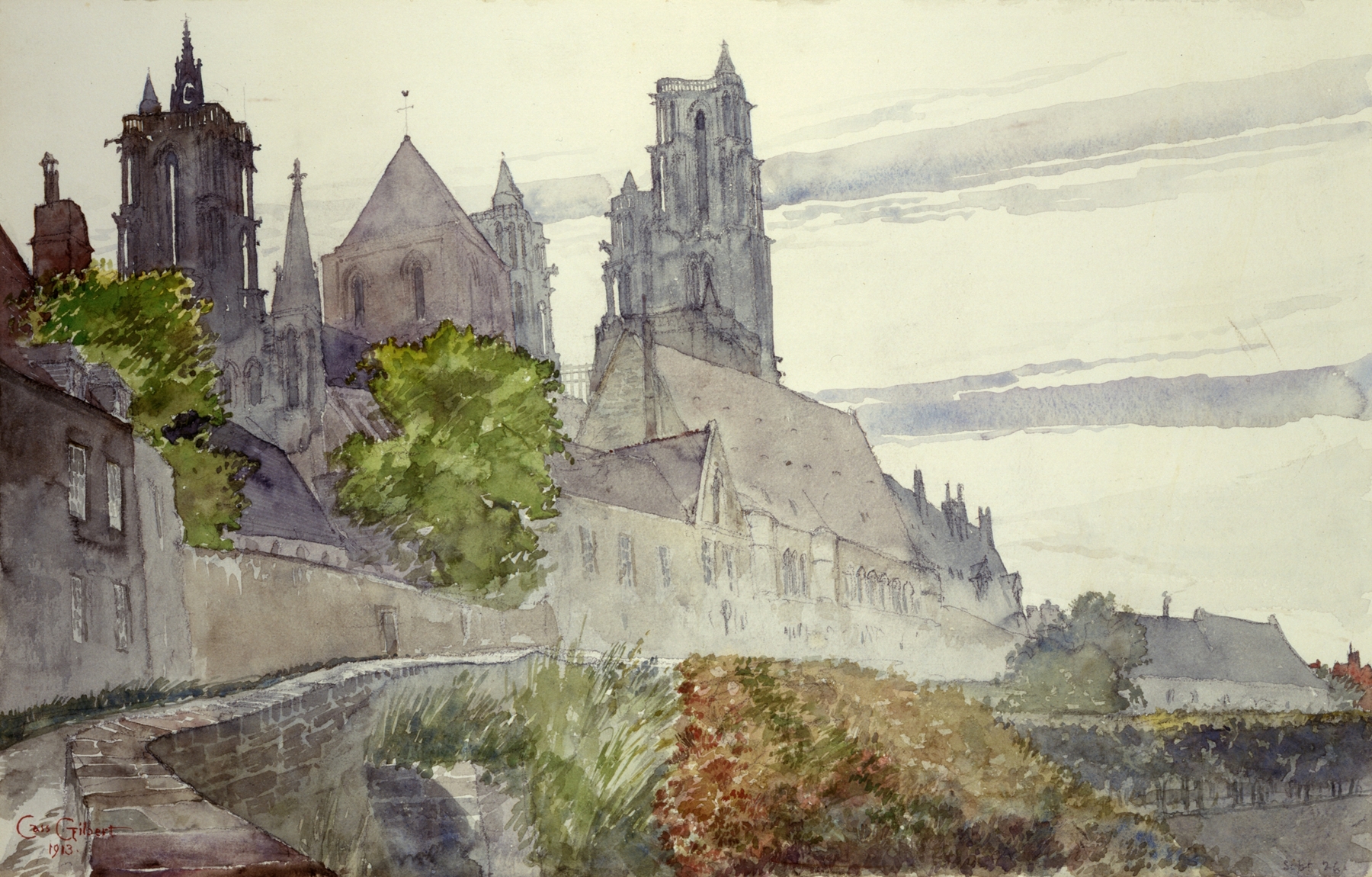
“Art reveals the soul when the world turns away.” In a moment of profound loss, creativity becomes a sanctuary where heartache meets beauty, transcending time and circumstance. Look closely at the central tower, rising majestically against a stormy sky. Notice the intricate details etched into the stone, each curve and contour telling a story of resilience and devotion. Gaze at the surrounding shadows mingling with the light, as if the sun itself mourns the fading echoes of a once-vibrant past. This juxtaposition of light and darkness not only heightens the architectural grandeur but also evokes a sense of nostalgia and longing. The spire stands as a monument to both faith and fragility. The distant clouds loom heavy with the weight of unspoken grief, while the textured stonework reveals the passage of time, hinting at the struggles faced by generations. Each carved figure seems caught in a silent prayer, bridging the earthly with the divine, creating an emotional tension that resonates with the viewer. It invites contemplation on what is lost in the march of progress and the permanence of memory. In 1898, Cass Gilbert was at the helm of an architectural renaissance in America, influenced by the grandeur of European cathedrals. Living in a time when the U.S. was undergoing rapid industrialization, he sought to restore European aesthetic traditions through his designs. The *Tower of the Cathedral of Utrecht* emerges from this backdrop, a testament to his appreciation for historical significance amidst a changing world. Here, Gilbert captures not just a structure but the echoes of a lost era, yearning to inspire future generations.