Tower of the Village Church of Saint Maclou, Normandy — History & Analysis
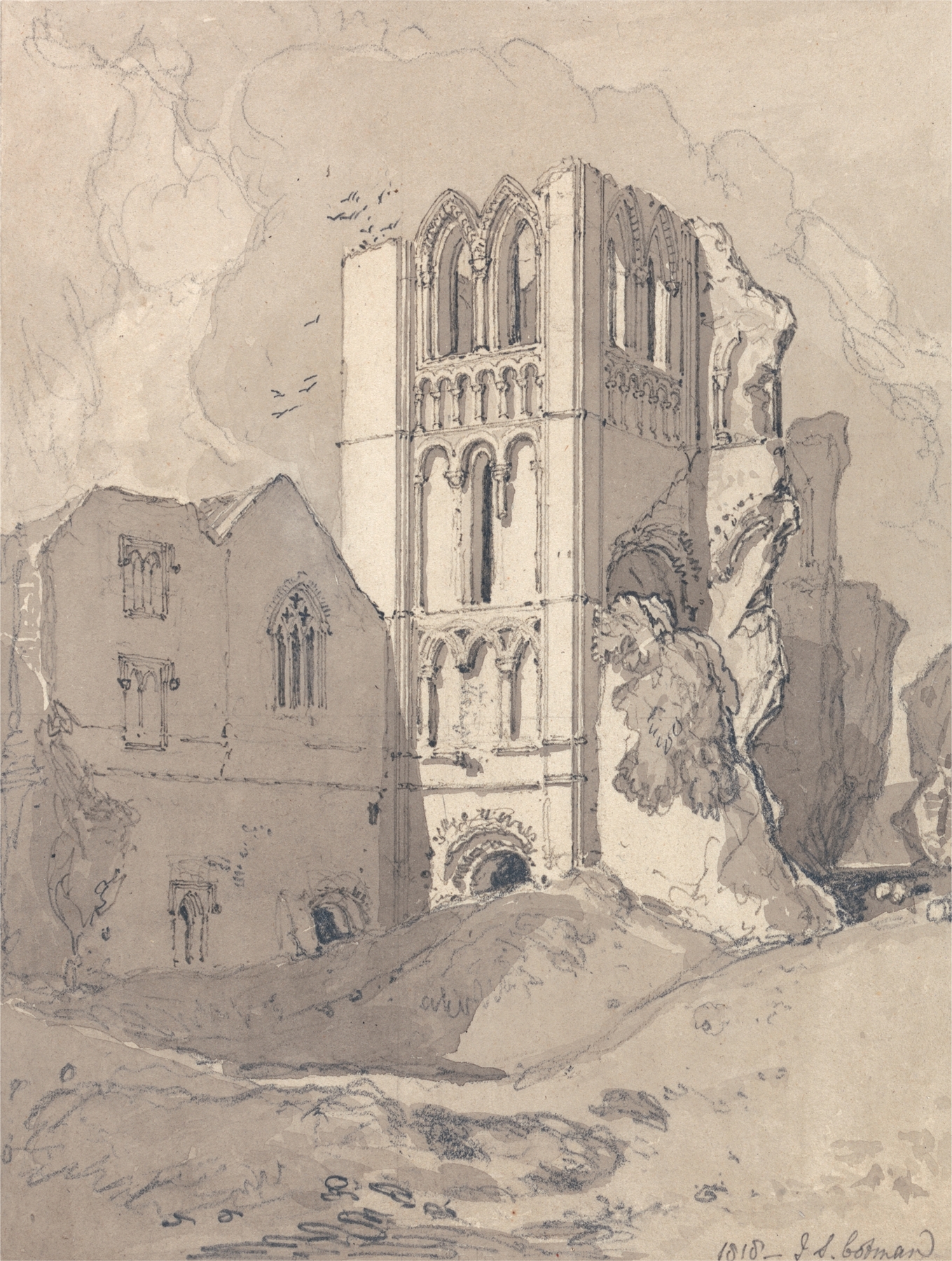
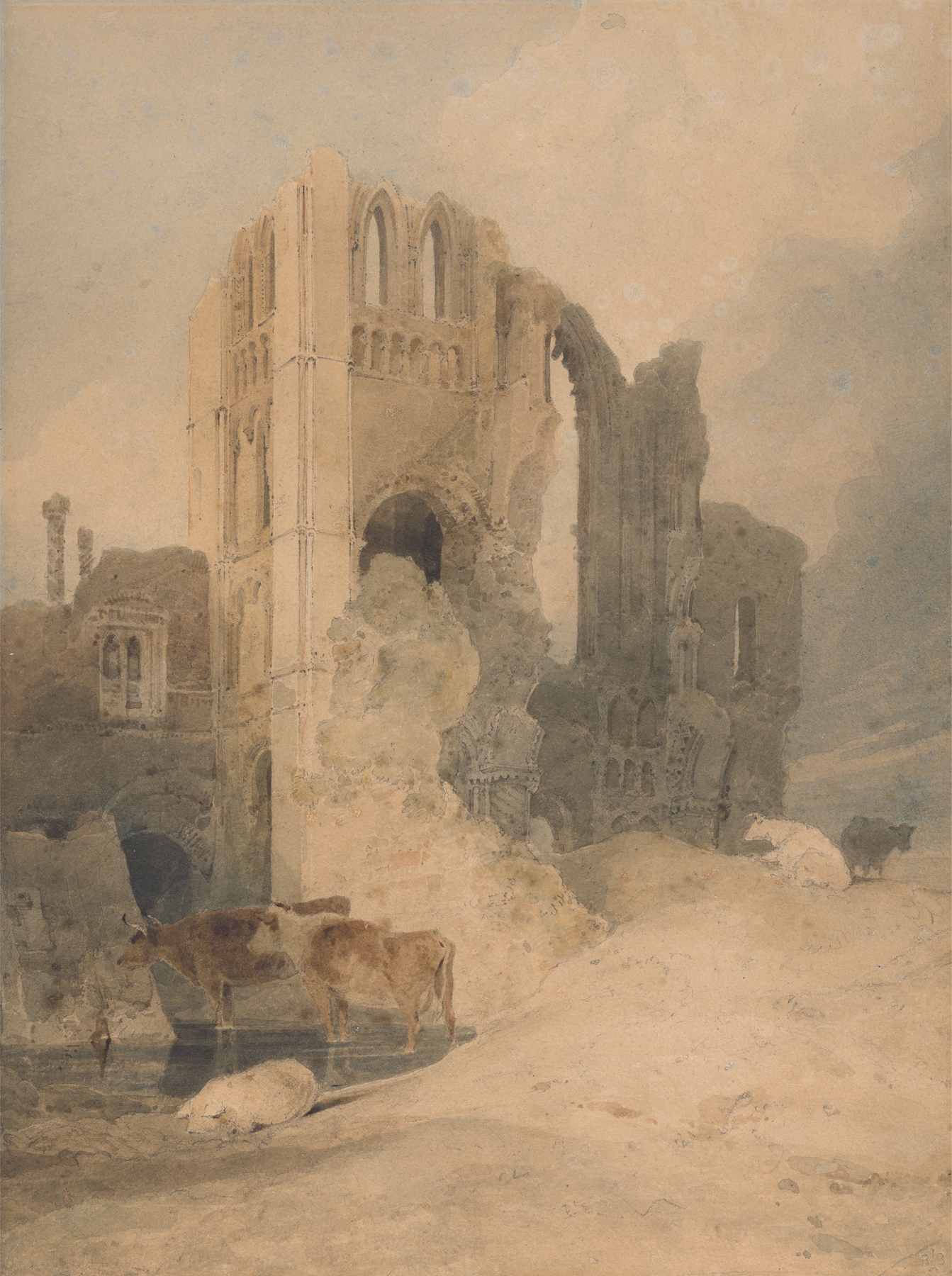
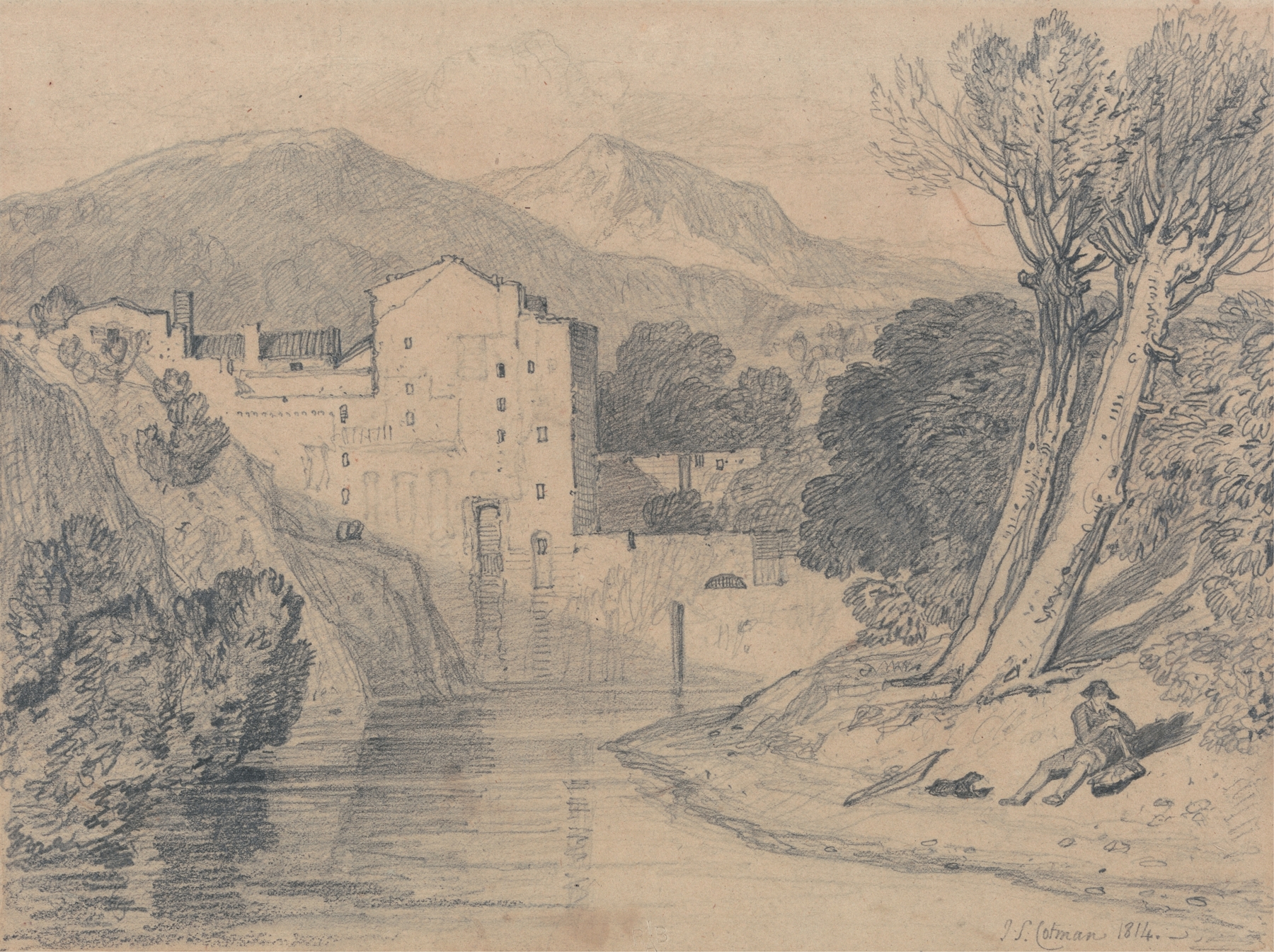
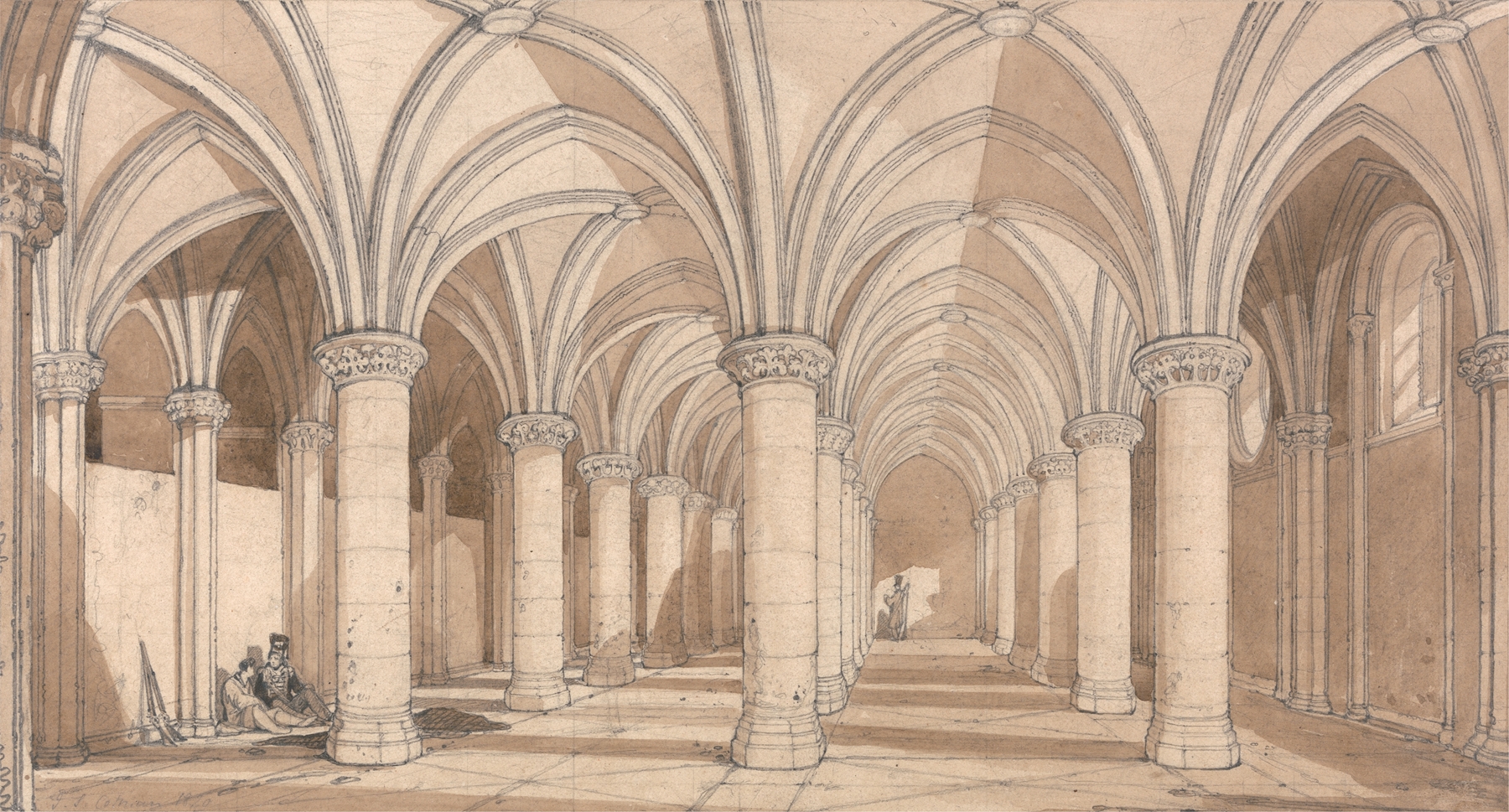
“Between color and silence, truth hides.” In the delicate interplay of hues and shadow, longing finds its voice, whispering tales of nostalgia and the passage of time. Look to the gentle grey tones that envelop the church tower, drawing your gaze upward to its steeple that pierces the sky. The soft brushwork captures the atmospheric quality of Normandy, where the air is thick with the weight of history. Notice how the light dances upon the textured stones, revealing not just a building but a vessel of memories, its façade echoing the stories of the village it watches over.
Within this serene landscape lies an emotional tension. The interplay of light and shade suggests a moment caught between day and dusk, a reminder of fleeting beauty and the inevitability of change. Each element—the tower, the trees, the distant roofs—stands in a delicate balance, evoking a longing for connection amid a solitary existence. The subdued palette enhances this feeling, allowing the viewer to reflect on their own encounters with time and place.
In 1818, Cotman painted this piece during a period of deep personal reflection, while living in Norwich, England. The artist was influenced by the burgeoning Romantic movement, which sought to capture nature's emotional depth and the essence of human experience. This era was marked by a growing fascination with the picturesque, prompting Cotman to explore landscapes that not only represent the physical world but also evoke feelings tied to memory and place.