Tree-roots — History & Analysis
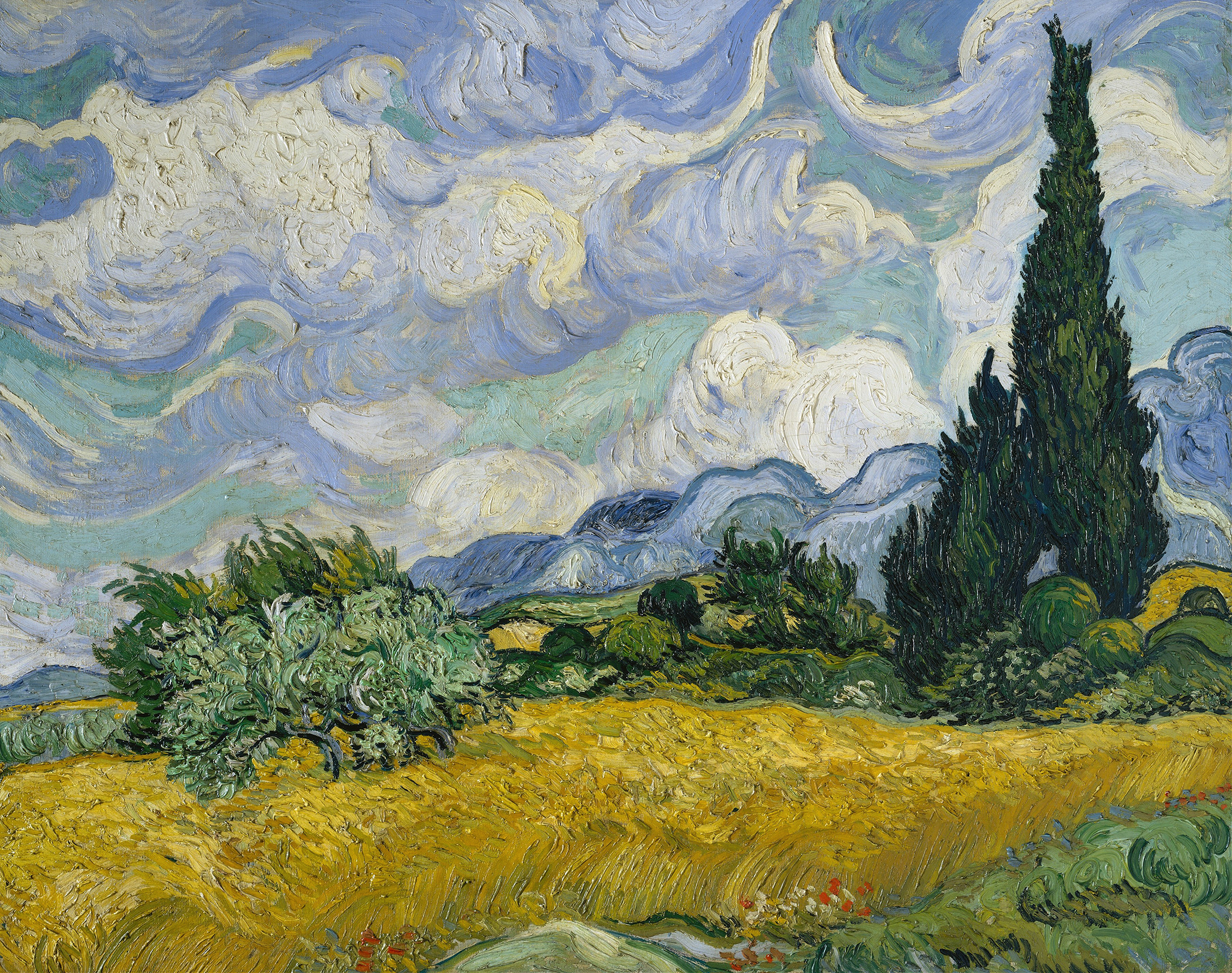
“Art reveals the soul when the world turns away.” In the tangled embrace of nature, nostalgia weaves through brushstrokes, capturing the essence of a moment both lost and cherished. It speaks to the longing for connection, a sentiment that transcends the passage of time and space. Look to the center of the canvas, where thick, gnarled roots twist and turn in a dance of life and decay. The vibrant yellows and deep browns suggest warmth, yet also hint at the bittersweet passage of time.
Notice how the light falls upon the rough textures of the roots, accentuating their intricate details and inviting you to trace their movement across the composition. Each stroke reveals a labor of love, as Van Gogh's passionate technique breathes life into the inanimate. Beyond the surface, the roots suggest a deeper narrative about belonging and the ties that bind us. They evoke memories of home, perhaps reflecting Van Gogh's own sense of displacement amid the tumult of his life.
The contrasts in color hint at the duality of growth and decay, illustrating how beauty often coexists with sorrow, reminding us of the fragility of our most cherished moments. This work emerged during a period of intense creativity for Van Gogh in the late 1880s, likely while he was living in Arles, France. Surrounded by the vibrant landscapes that inspired his most iconic pieces, he wrestled with his inner demons while simultaneously capturing the world's profound beauty. It was a time when he sought solace in nature, allowing it to nurture his artistic vision as he navigated the complexities of his existence.