Twickenham Church — History & Analysis
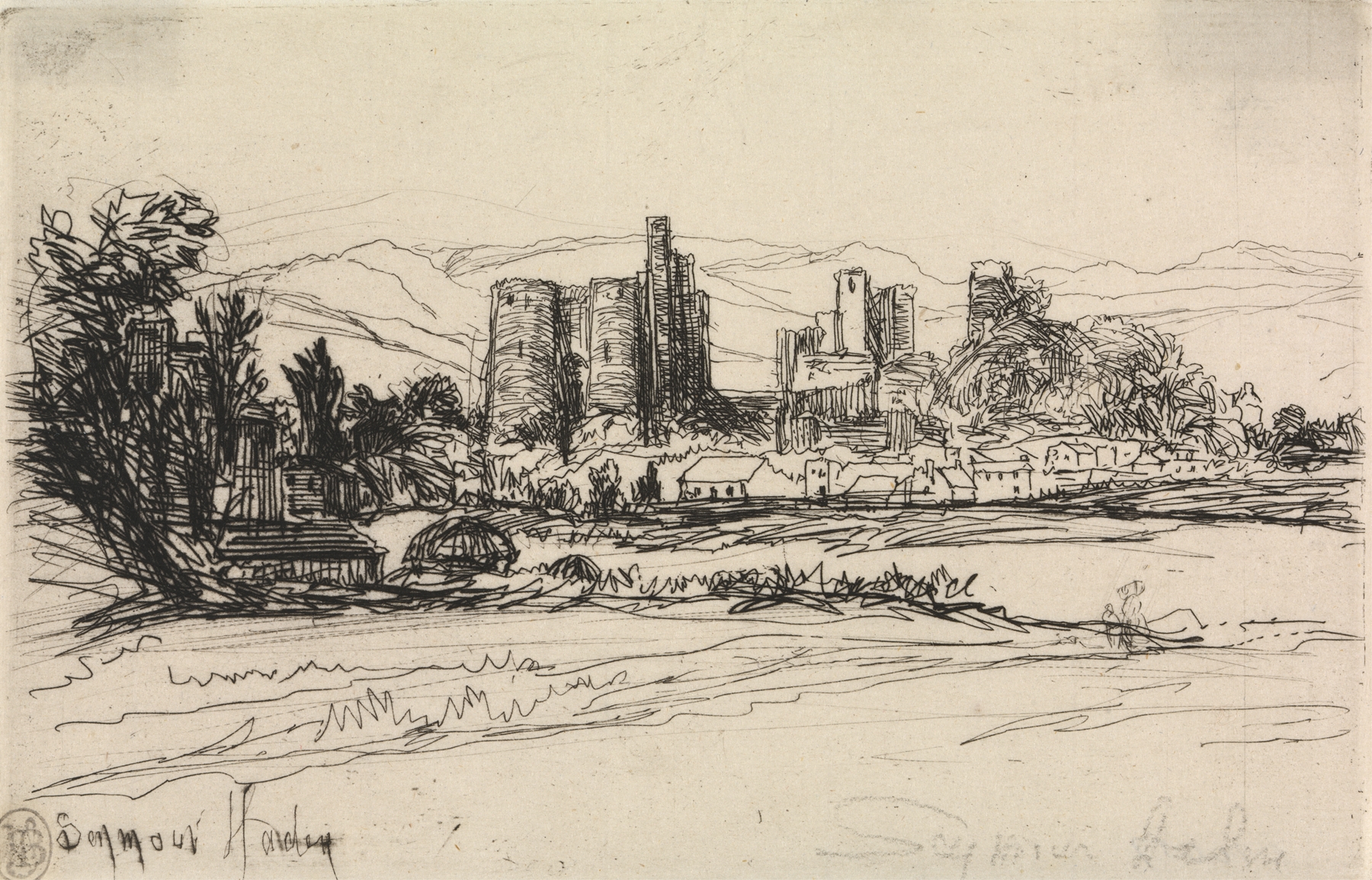
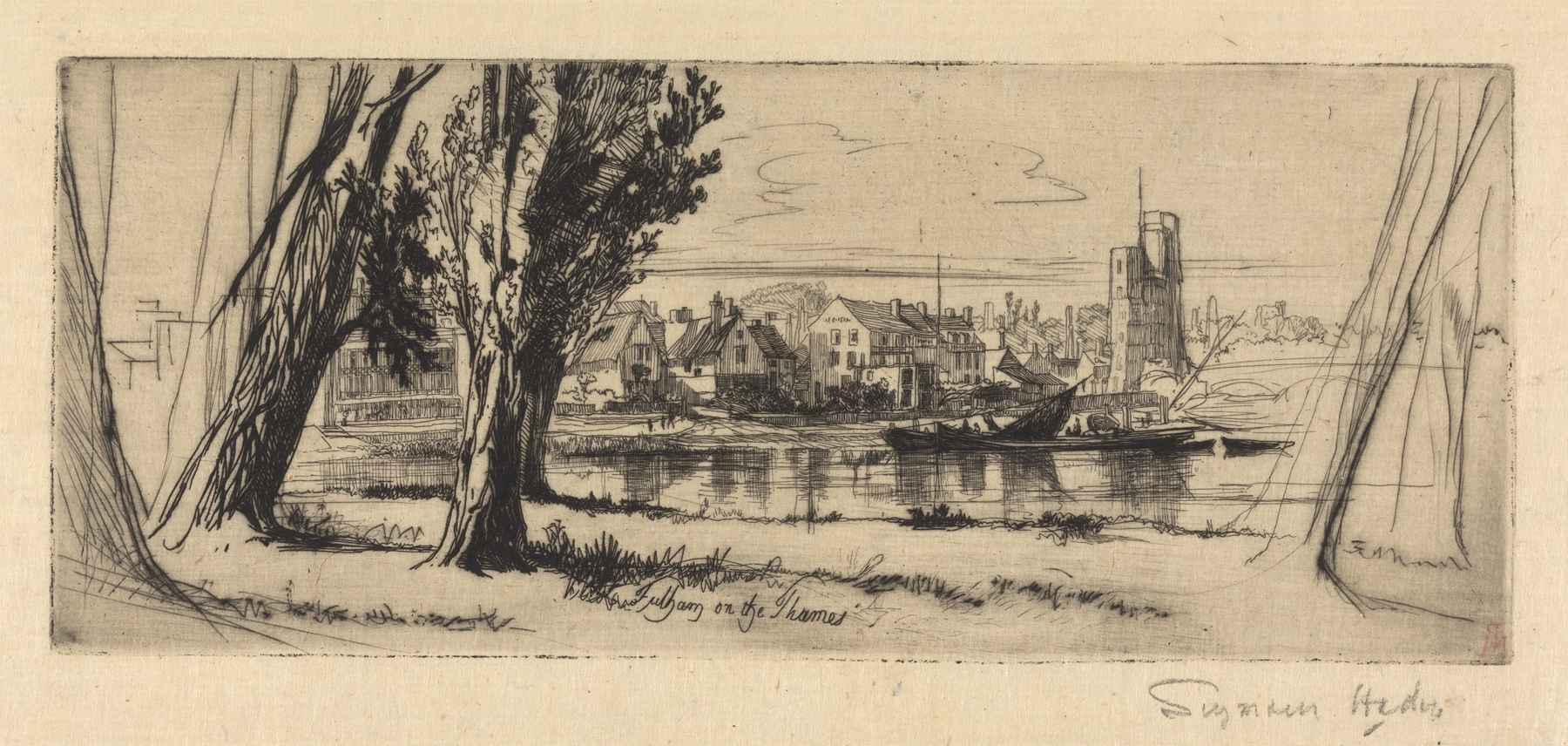
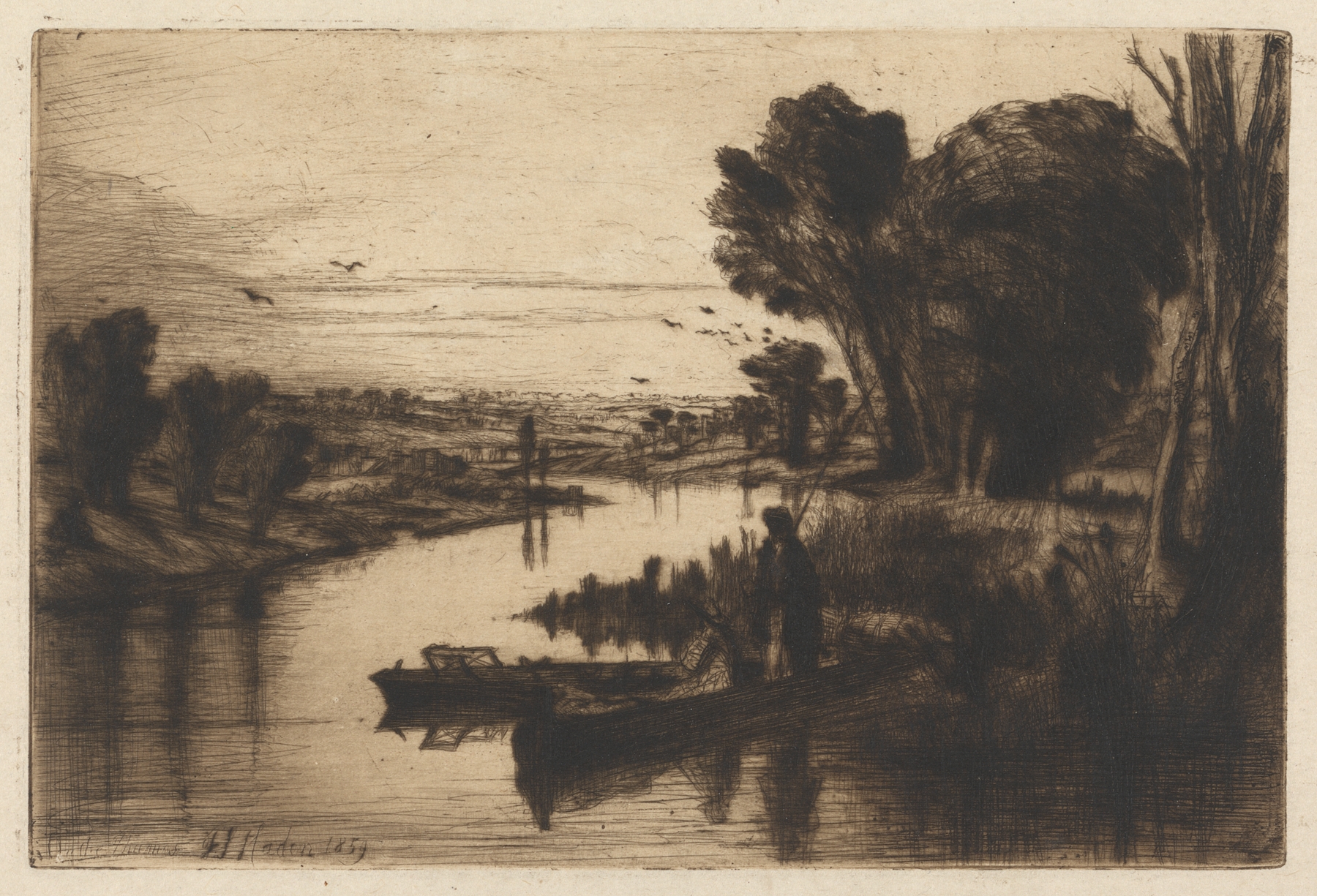
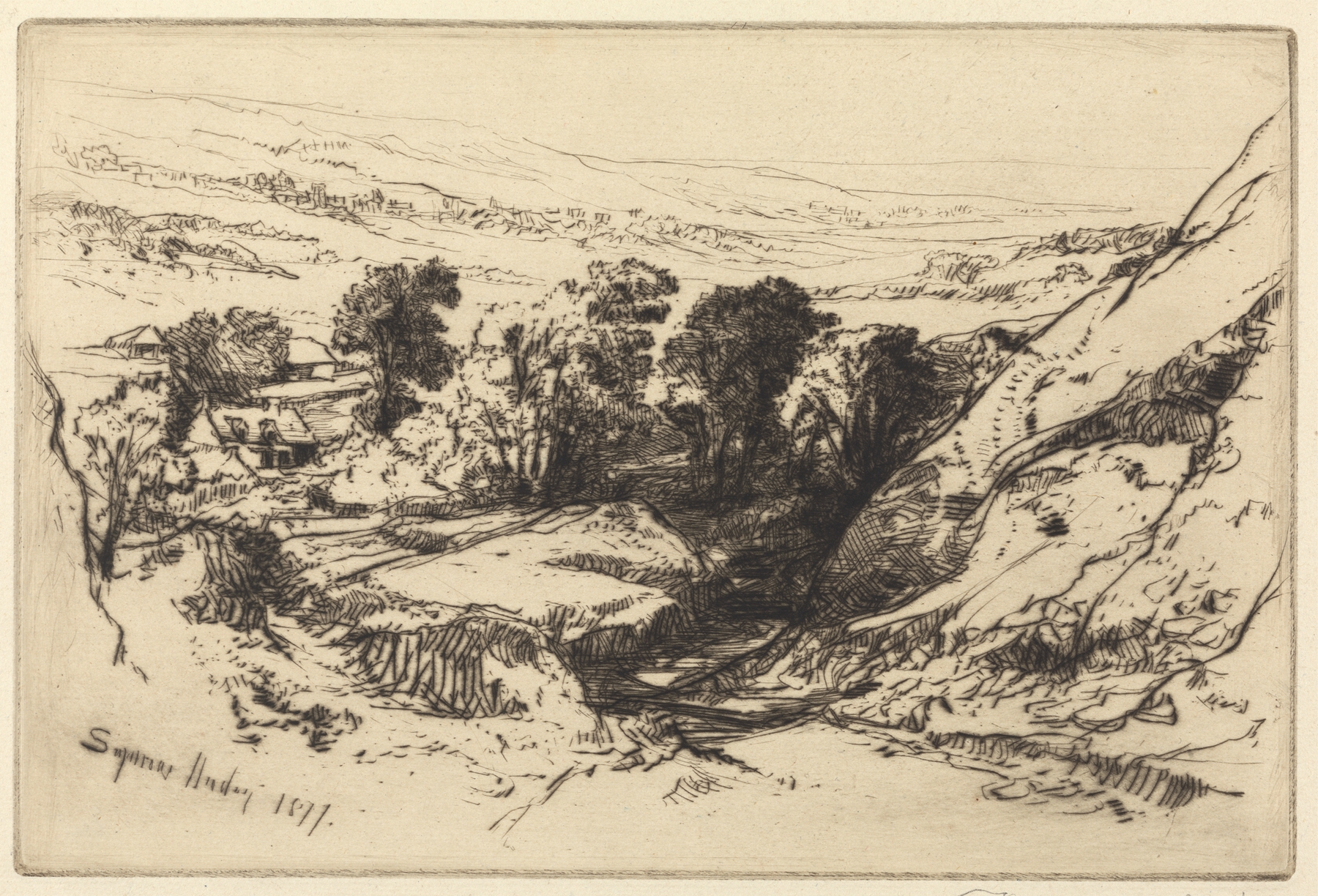
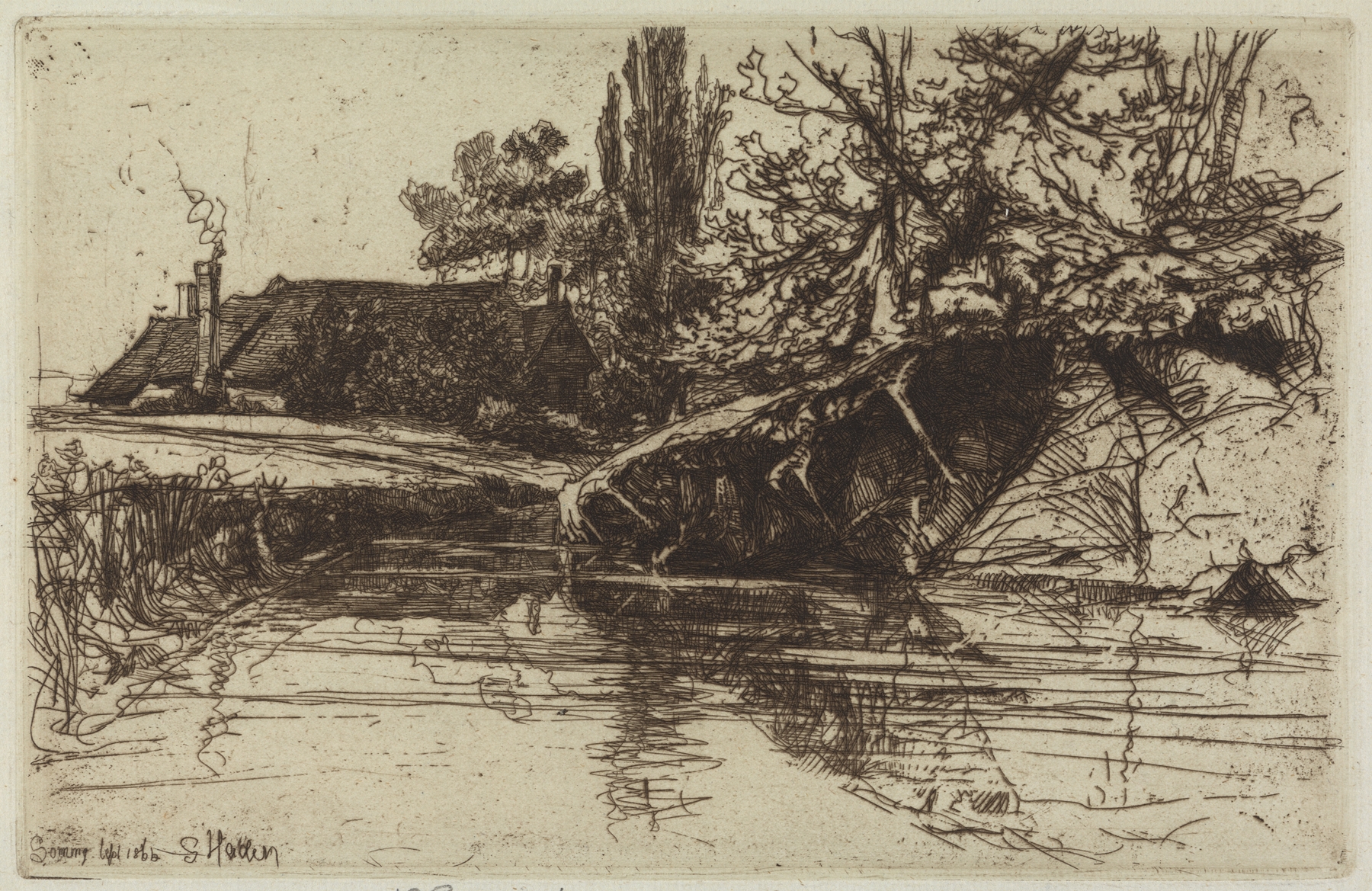
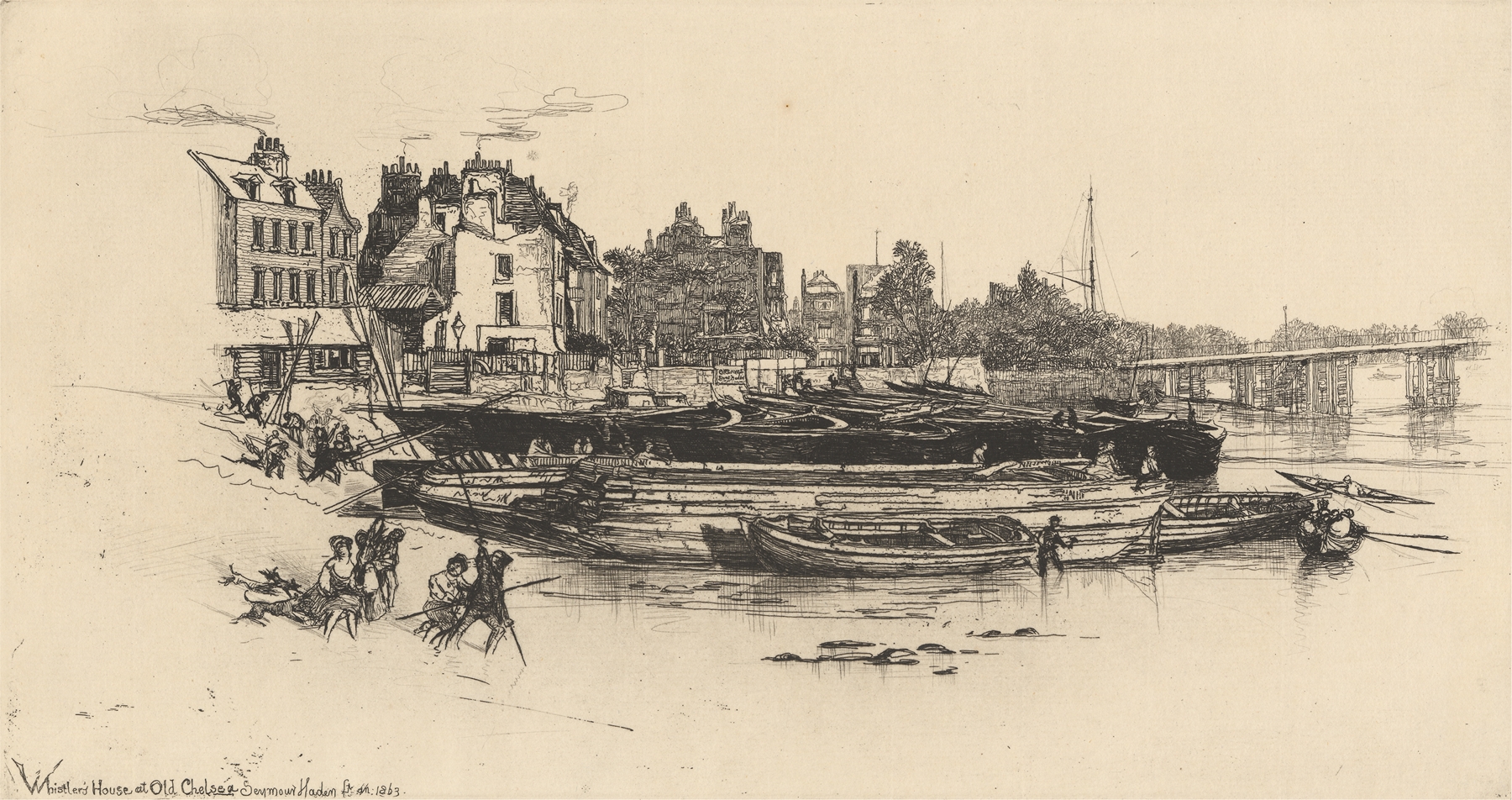
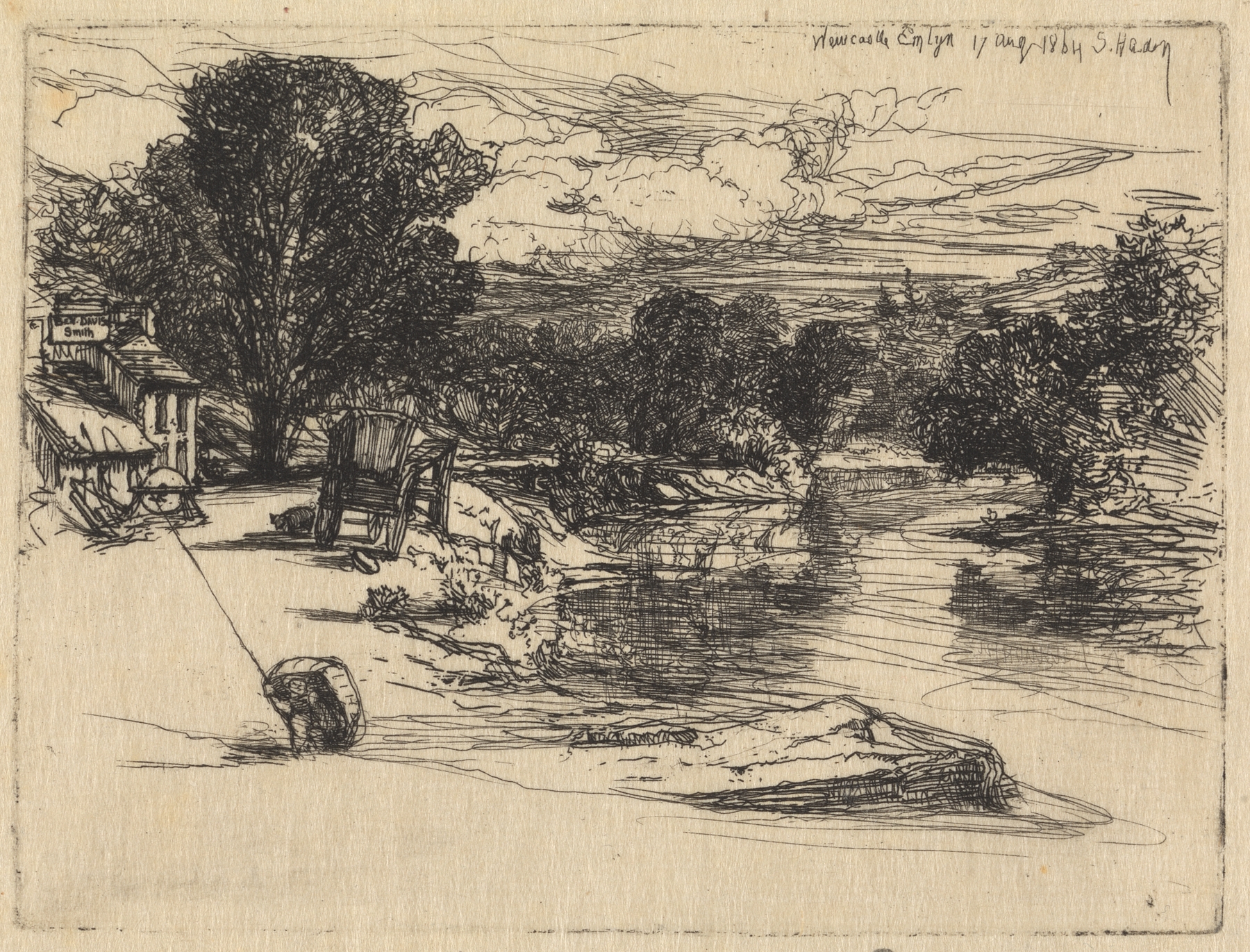
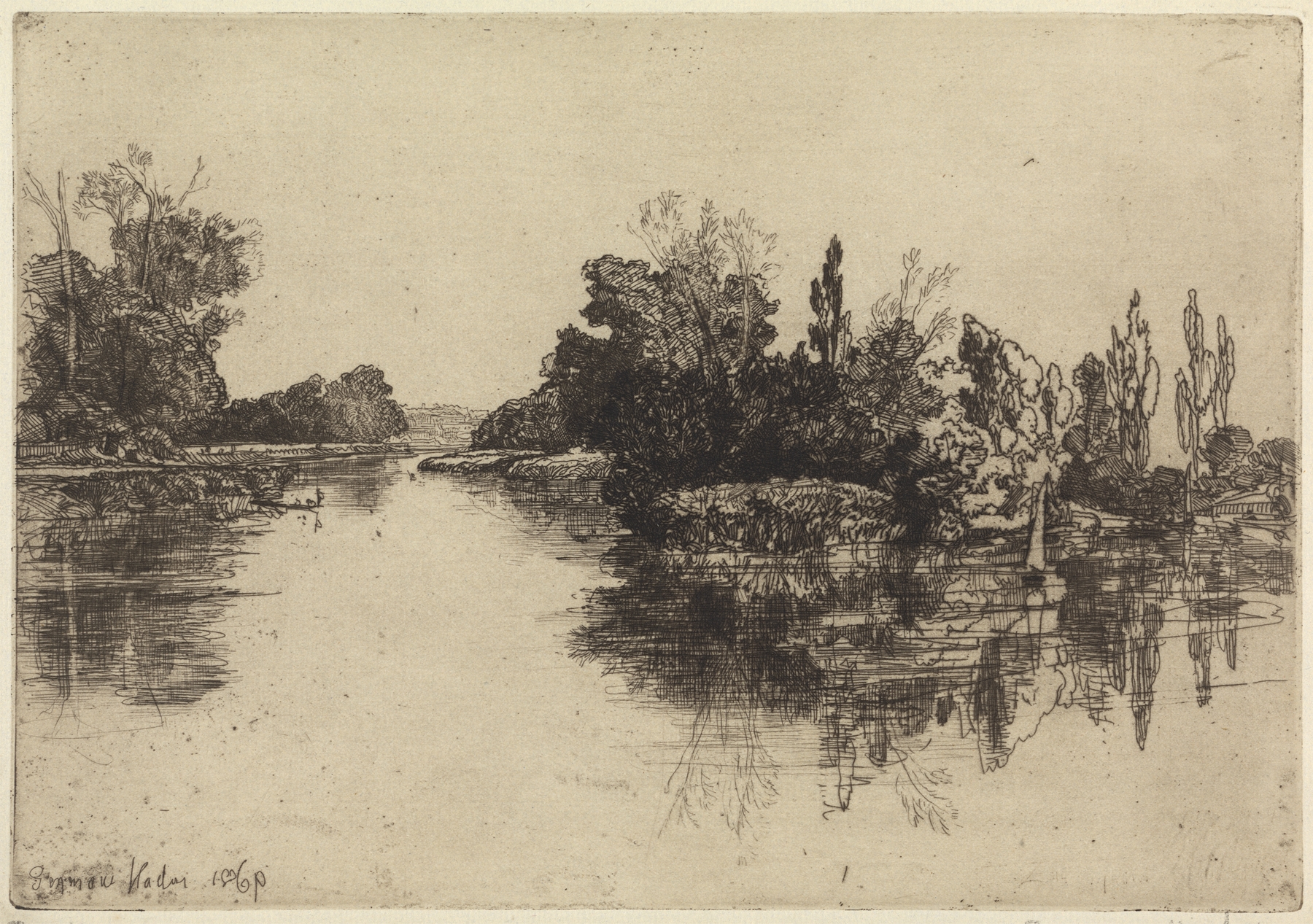
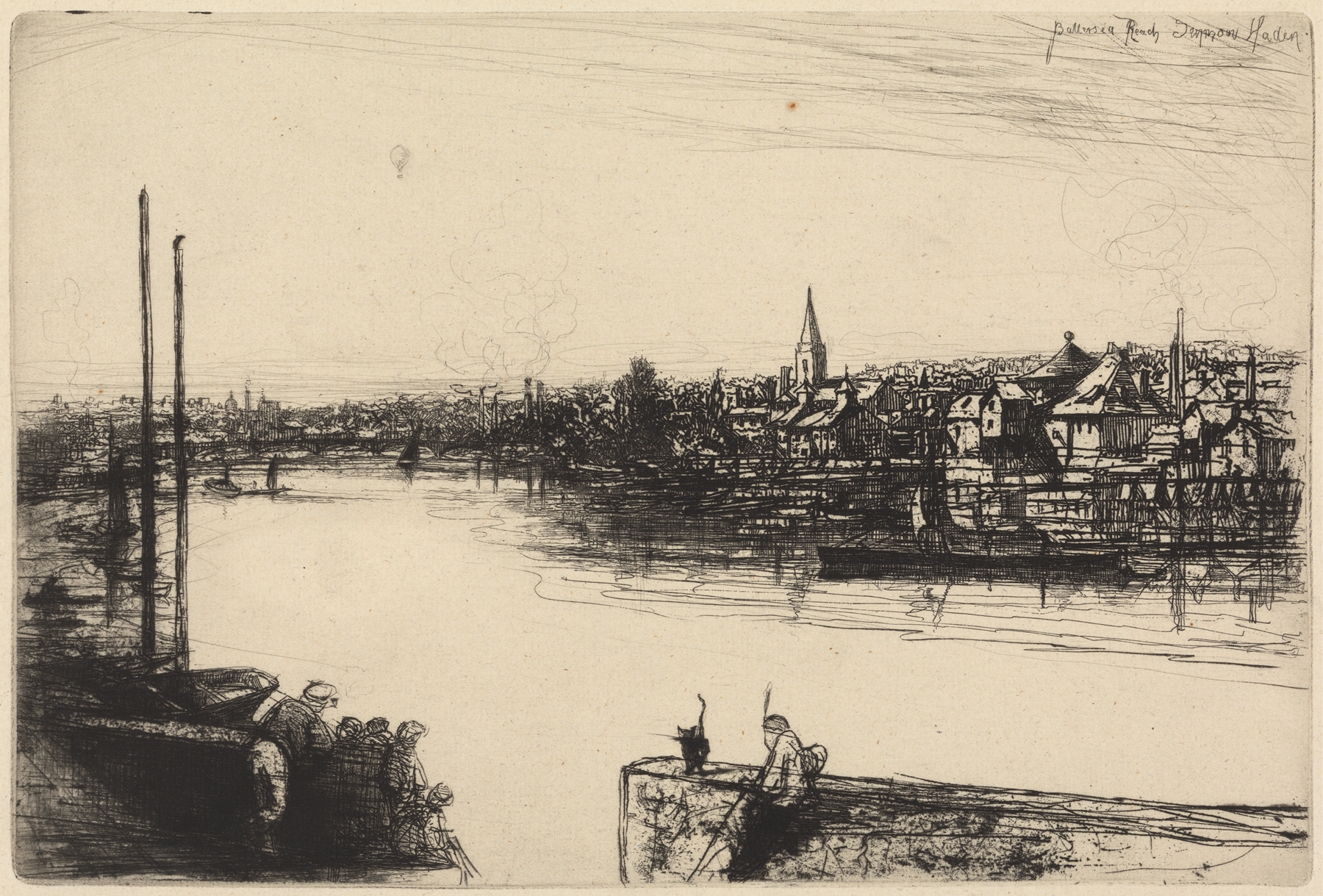
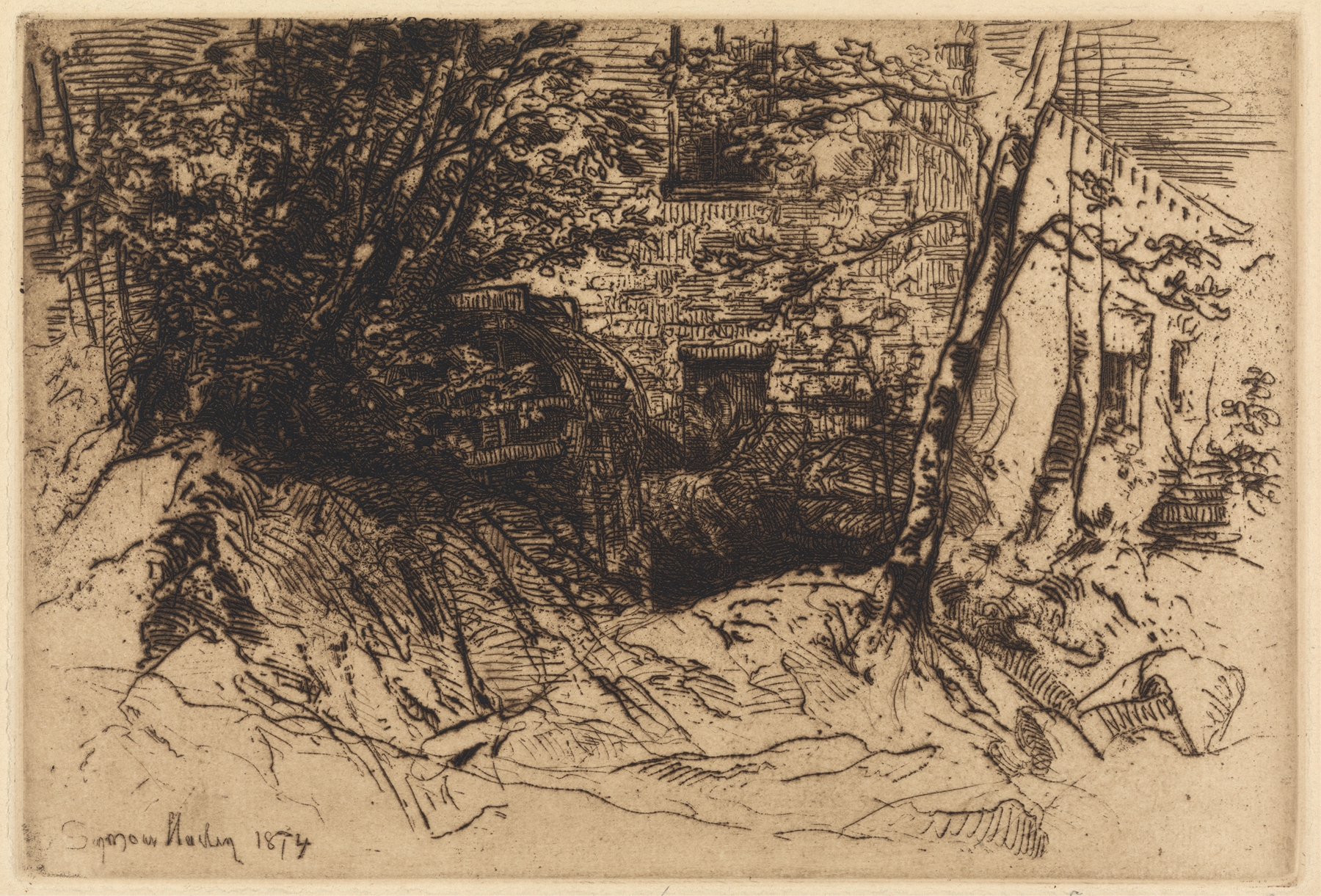
Is this a mirror — or a memory? The past lingers in the reflections of a serene landscape, inviting the viewer to ponder the weight of legacy that resides in every brushstroke. Look to the left at the delicate interplay of light filtering through the trees, casting dappled shadows on the tranquil water. Notice how the artist’s meticulous etching technique creates a sense of depth and texture, inviting your gaze to travel towards the church steeple, which stands resolute against the horizon.
The gentle hues of green and blue evoke serenity, while the soft, muted tones suggest a moment frozen in time, a pause before the world moves on. Hidden within this pastoral scene are tensions between permanence and transience. The church, emblematic of faith and endurance, sits steadfast while the rippling water hints at the ephemeral nature of life. Each element in the composition conveys a dialogue between the familiar and the fleeting, where nature surrounds human constructs, reminding us of our own legacies shaped by time and memory.
In 1865, at the height of the etching revival, the artist worked with a focus on the interplay of light and shadow, capturing both the physical and emotional landscapes around him. Living in London, he was influenced by the rise of the Pre-Raphaelite Brotherhood and engaged deeply with themes of nature and heritage. This piece reflects his commitment to the art of etching, merging technical skill with a poignant narrative of place and belonging.