Unter den Linden mit Blick auf das Brandenburger Tor, Berlin — History & Analysis
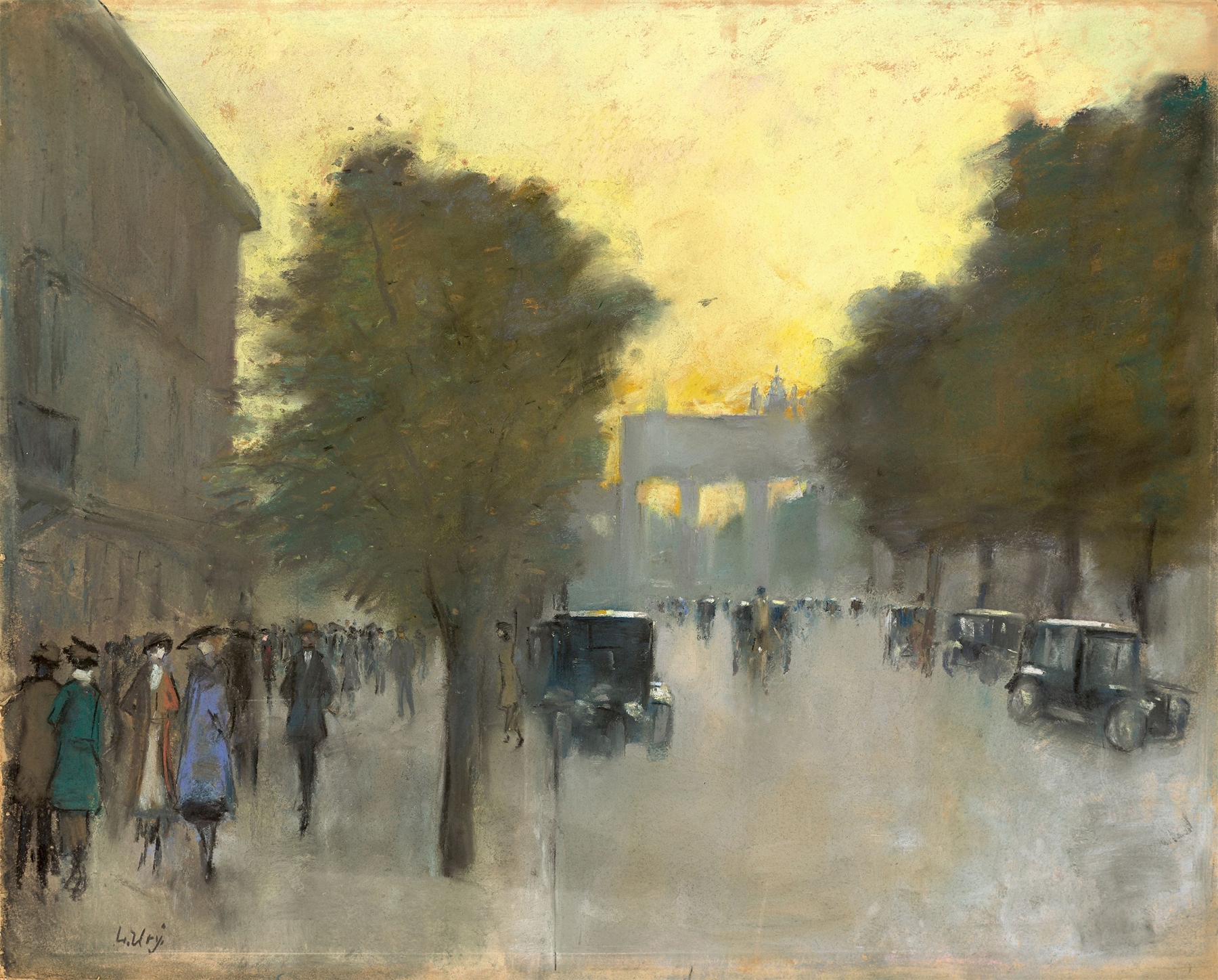
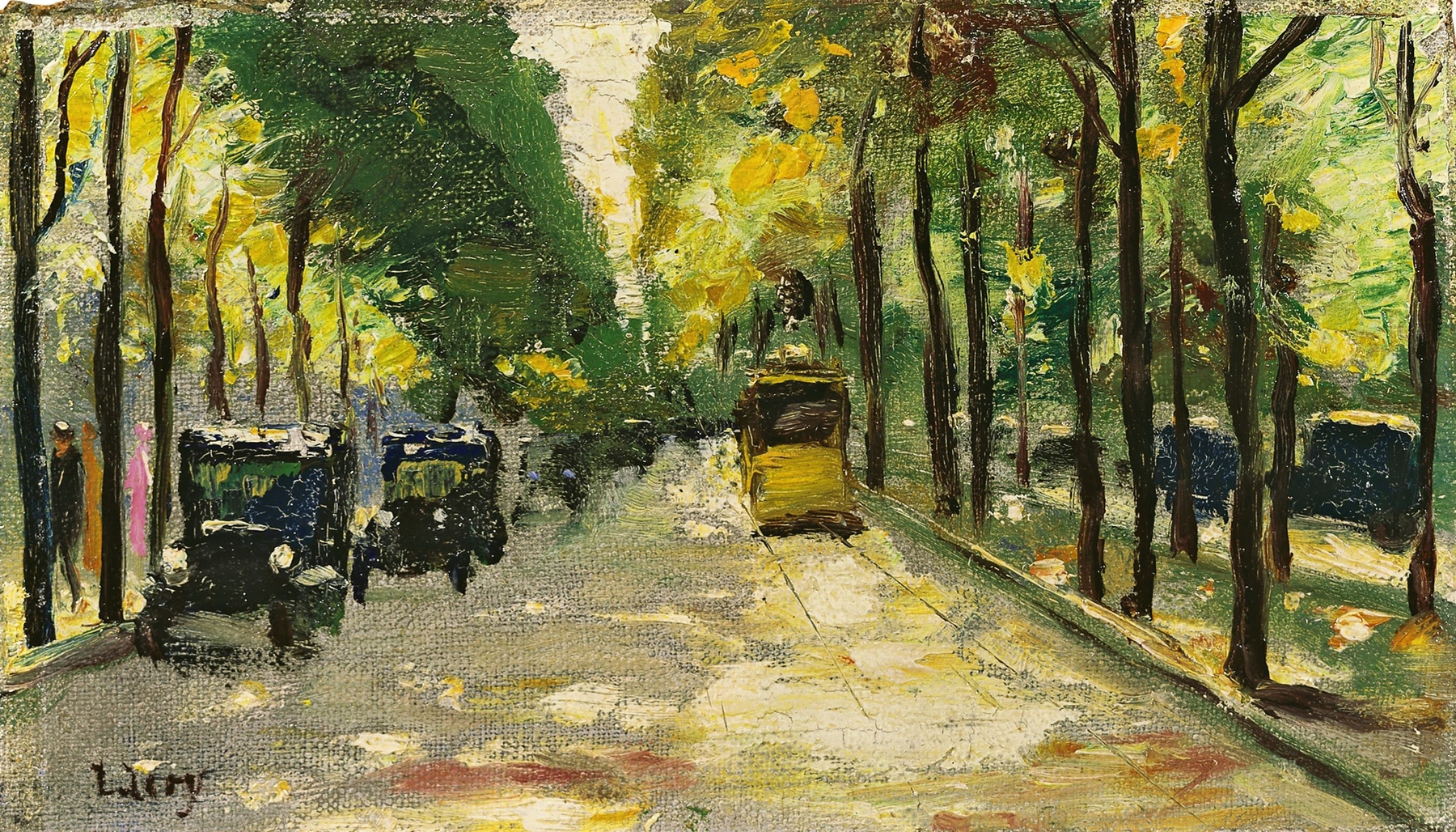
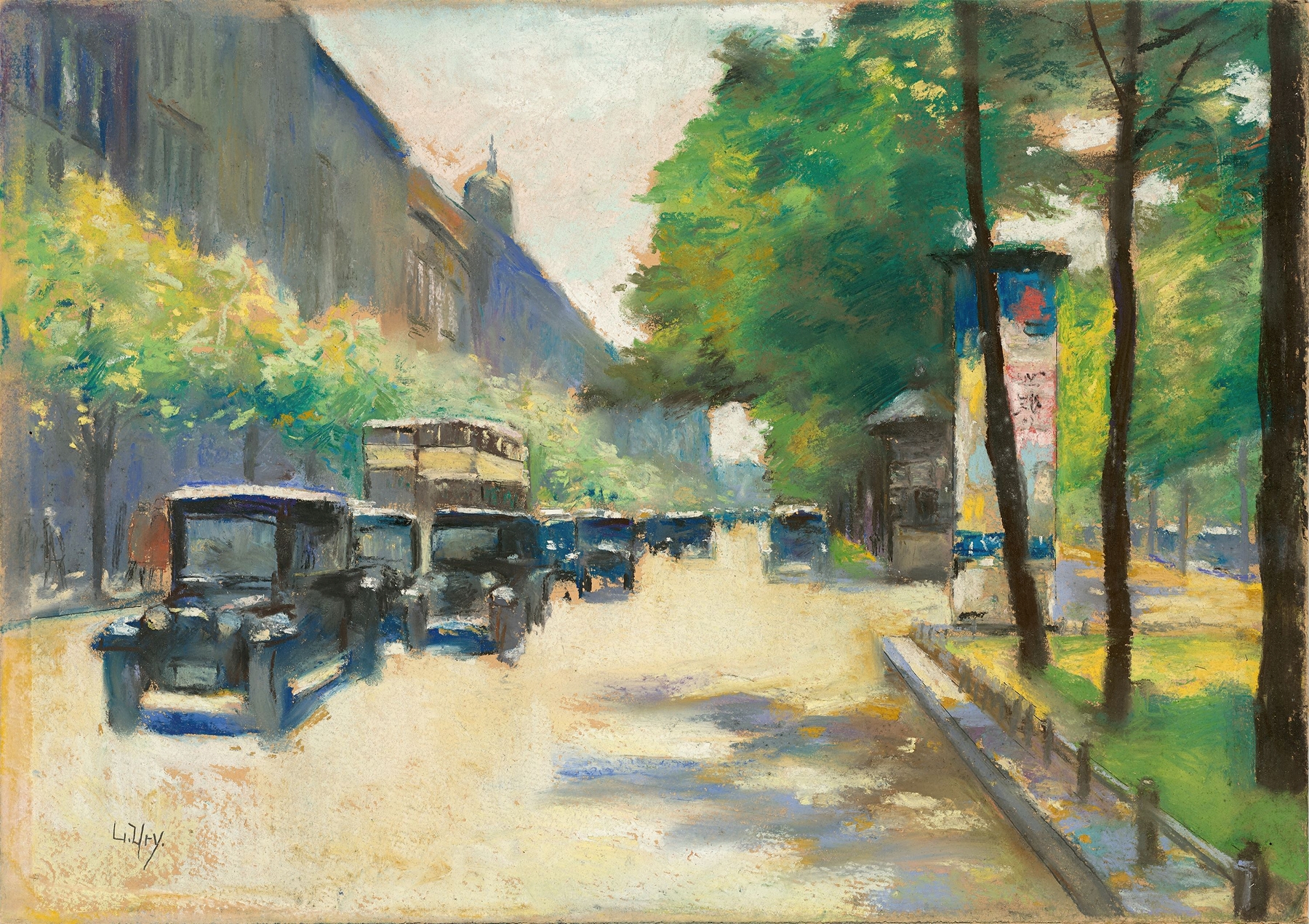
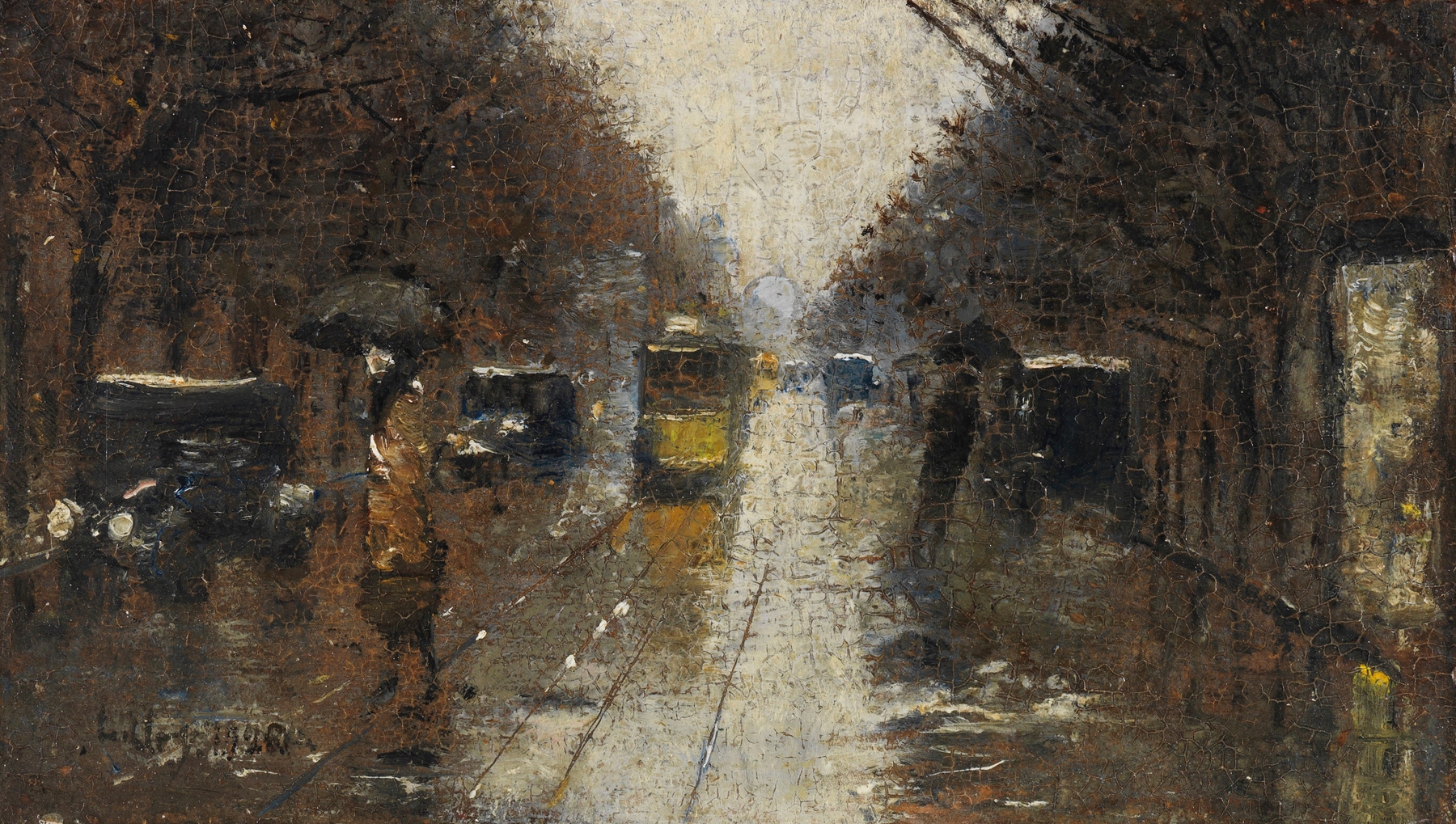
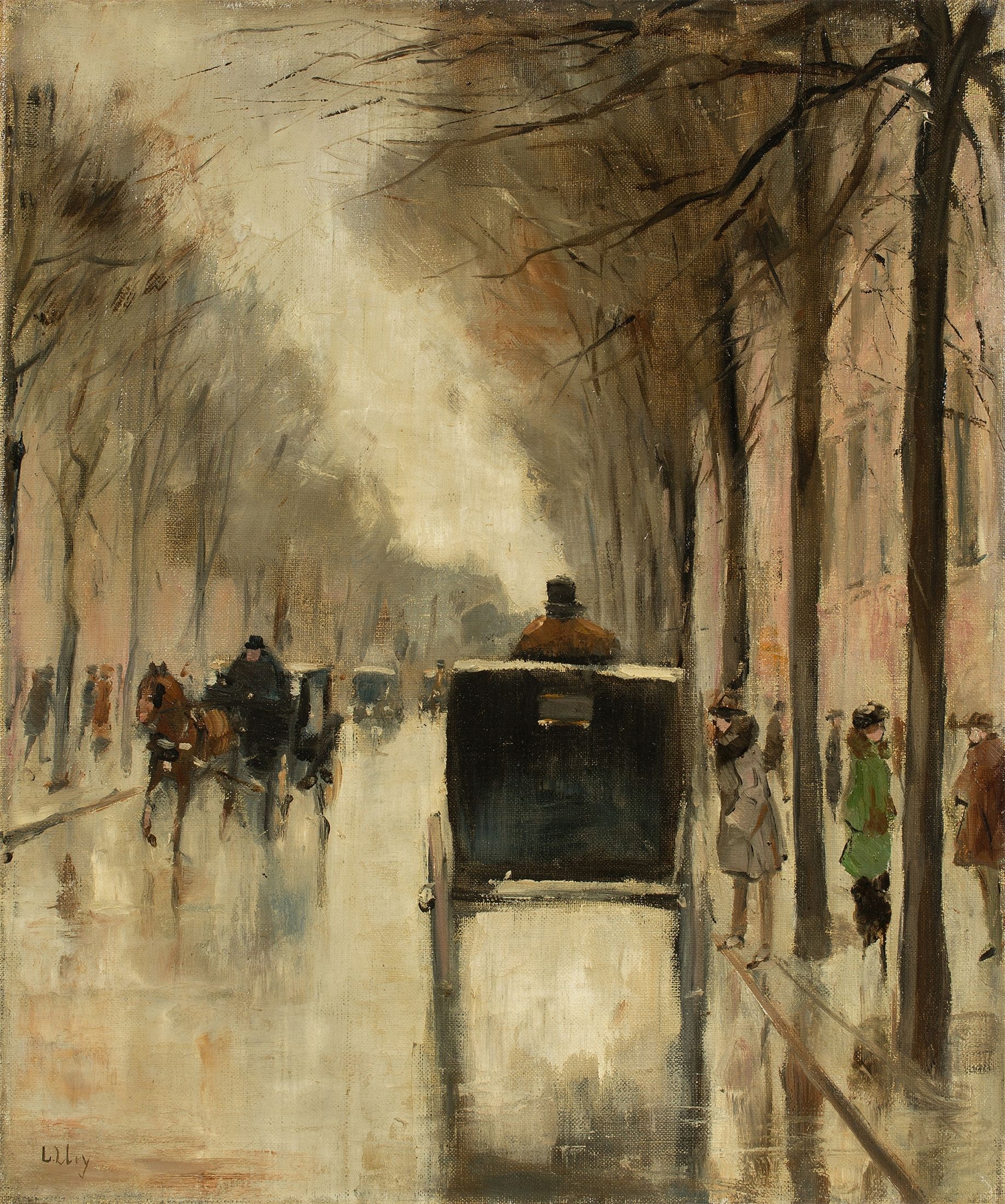
Can beauty exist without sorrow? The fleeting moments of joy often dance hand in hand with the shadows of fate, weaving a tapestry of human experience that resonates through time. Look to the left at the towering trees lining the avenue, their leaves gently swaying in the breeze. Notice how the dappled sunlight filters through the branches, casting playful patterns upon the cobblestones below. The distant silhouette of the Brandenburger Tor stands proud and resolute at the end of the street, an enduring symbol of both unity and division.
The muted palette of soft greens and warm earth tones creates a serene ambiance, inviting contemplation within this urban landscape. Yet, beneath the tranquil surface lies an undercurrent of tension. The vibrant greens of the foliage contrast sharply with the cool gray of the stone structure, hinting at the discord of history that looms over this iconic site. The solitary figure strolling beneath the trees embodies a sense of introspection while also representing the collective yearning for peace in a city marked by its past.
This balance of light and shadow encapsulates the delicate interplay between hope and despair, suggesting that destiny is never truly sealed. In the 1920s, during a time of profound change in Germany, the artist captured Unter den Linden mit Blick auf das Brandenburger Tor amidst the backdrop of post-war recovery. Lesser Ury was deeply immersed in the Berlin art scene, where the influences of Expressionism and Impressionism melded. His works from this period reflect not only the evolving urban landscape but also a longing for renewal and connection in a world reshaped by conflict.