Untitled (Vaches dans les pleins de Normandie) — History & Analysis
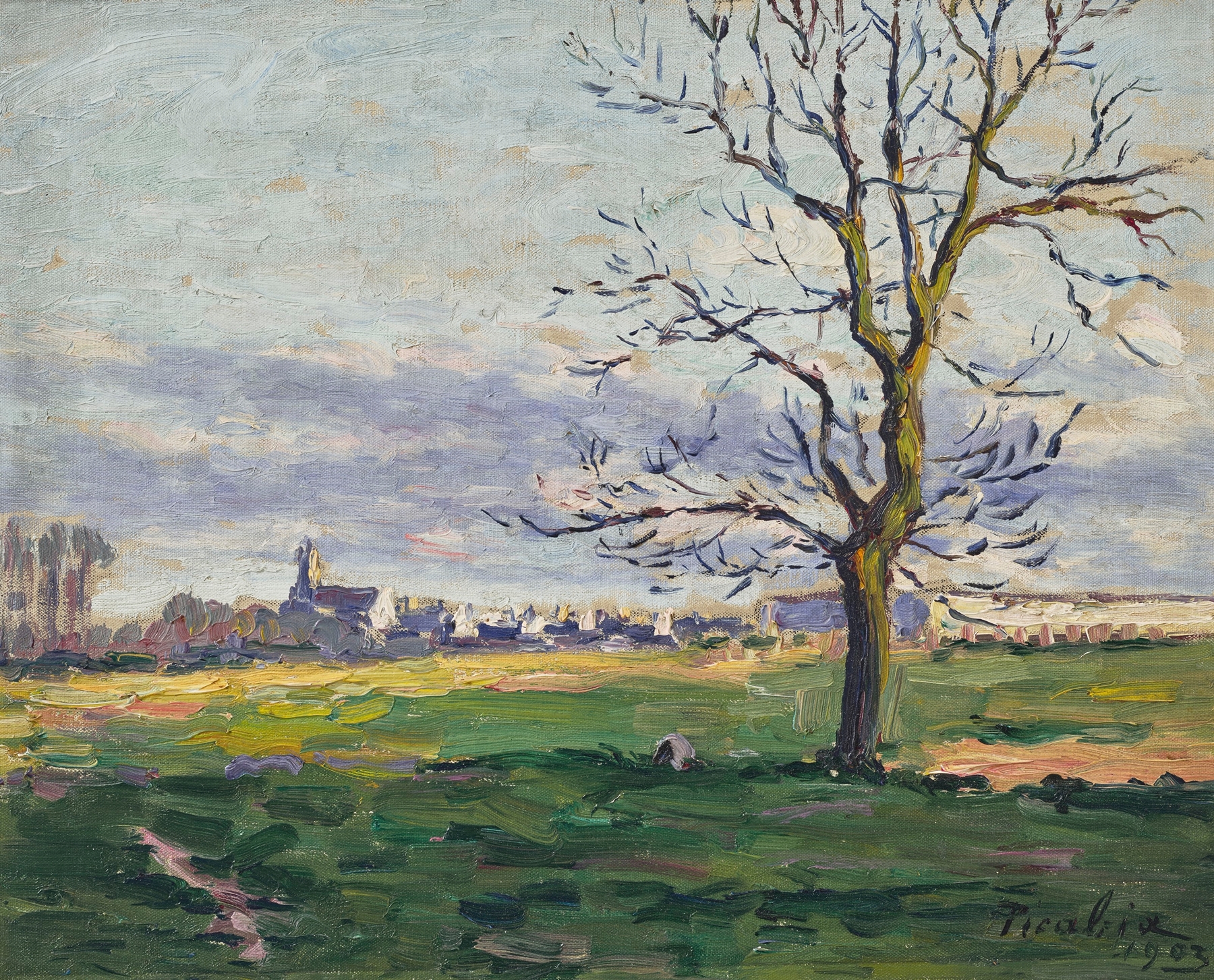
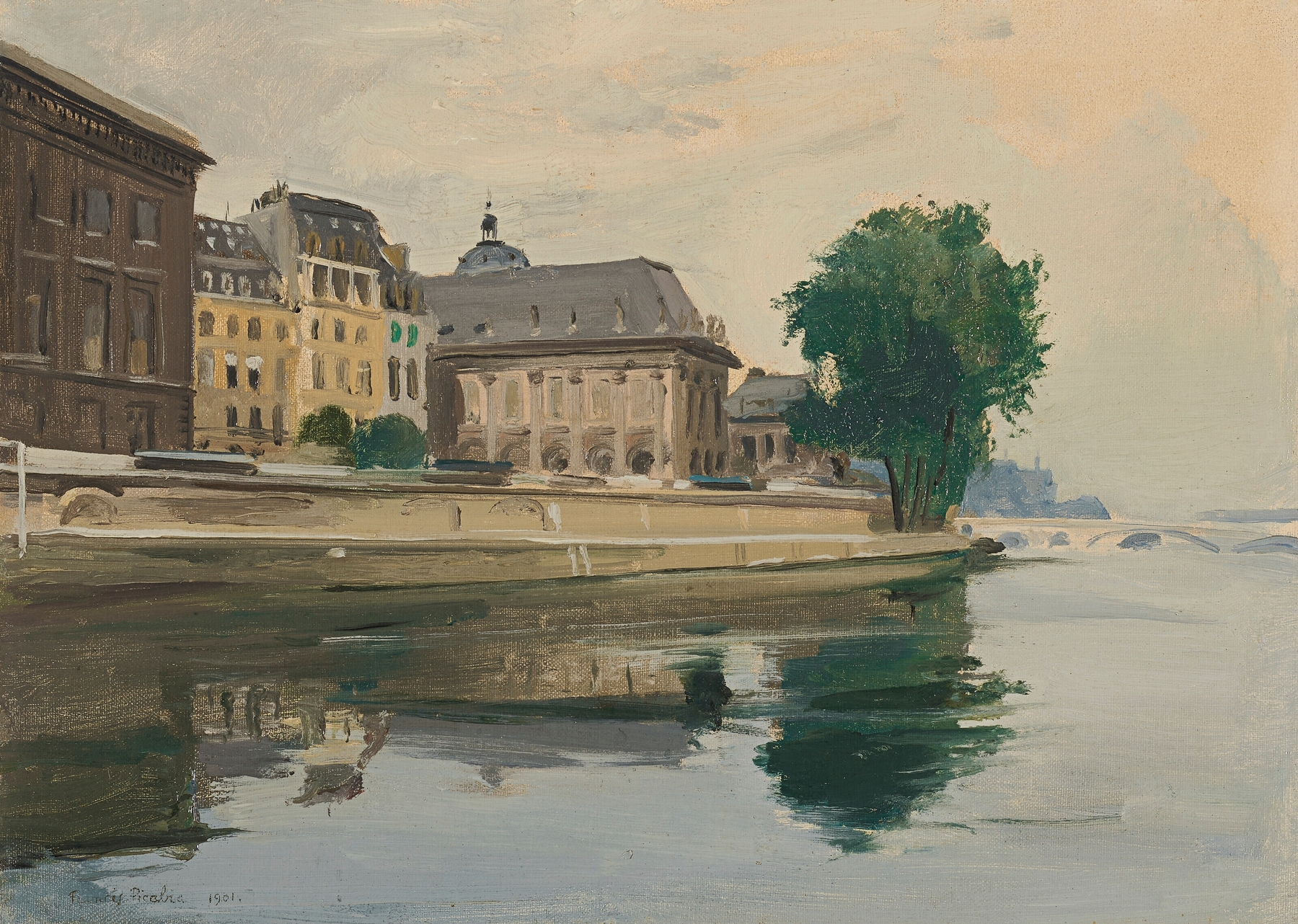
“Every silence here is a confession.” In the quietude of pastoral life, fear lingers beneath the surface, like a shadow whispering secrets to the silent fields. With each brushstroke, we are invited into a tranquil yet unsettling world where the familiar is laced with unease. Look to the left at the gentle curve of the hills, where soft greens and muted yellows merge seamlessly under a pale sky. Notice how the cows—painted with a blend of browns and whites—stand together, their stillness both serene and unnerving.
The uneven texture of the brushwork creates a sense of movement within the landscape, as if the very earth breathes with apprehension, echoing the hidden tensions of rural existence. Delve deeper into the contrasts within the canvas: the juxtaposition of the calm countryside against the lurking, unspoken fears of isolation and the unknown. Each cow's gaze seems to reflect a shared consciousness, their collective presence suggesting a vulnerability to external forces. The simplicity of the scene belies a complex emotional landscape, where tranquility masks an underlying dread of change or disruption.
In 1905, while living in Paris, the artist captured this scene amidst a rapidly evolving art world, marked by movements like Fauvism and Cubism. The rural essence of Normandy contrasted sharply with the urban intensity surrounding him, and this painting reflects a moment of introspection amid the flux of modernity. It reveals Picabia's evolving style, transitioning from impressionistic tendencies to more abstract expressions, as he sought to explore the complexities of existence through an intimate lens.