Vûe de Houg-Foss — History & Analysis
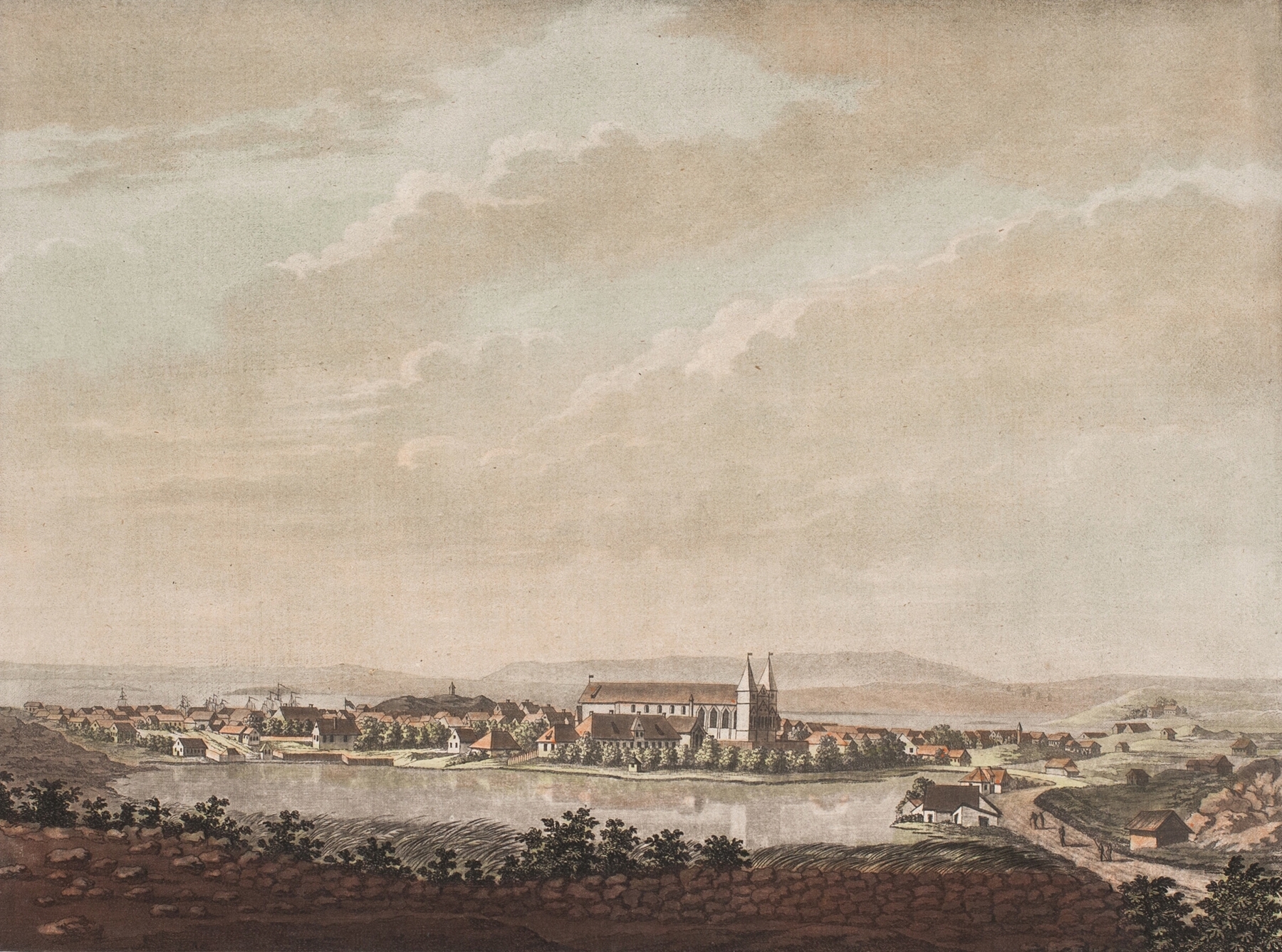
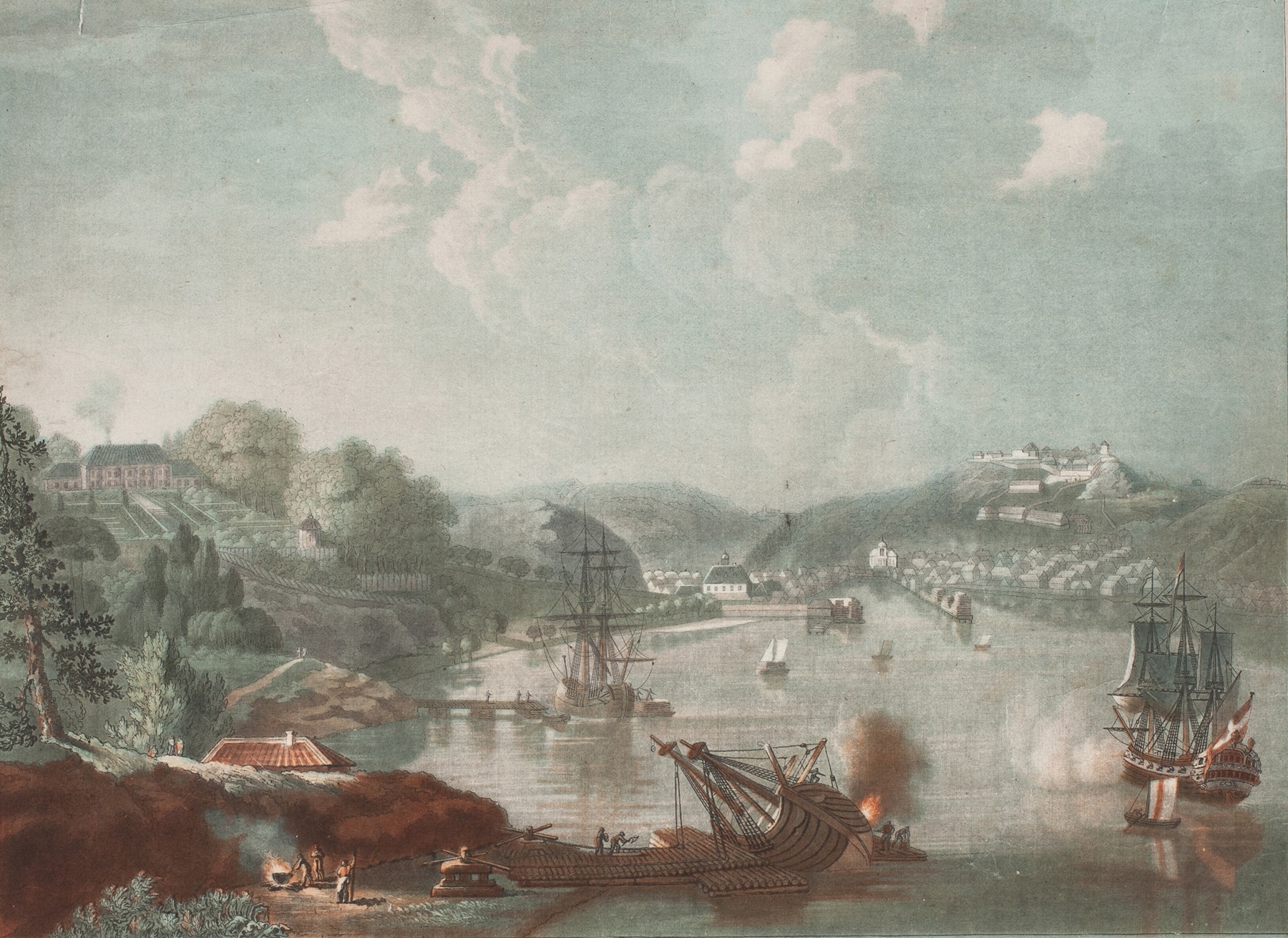
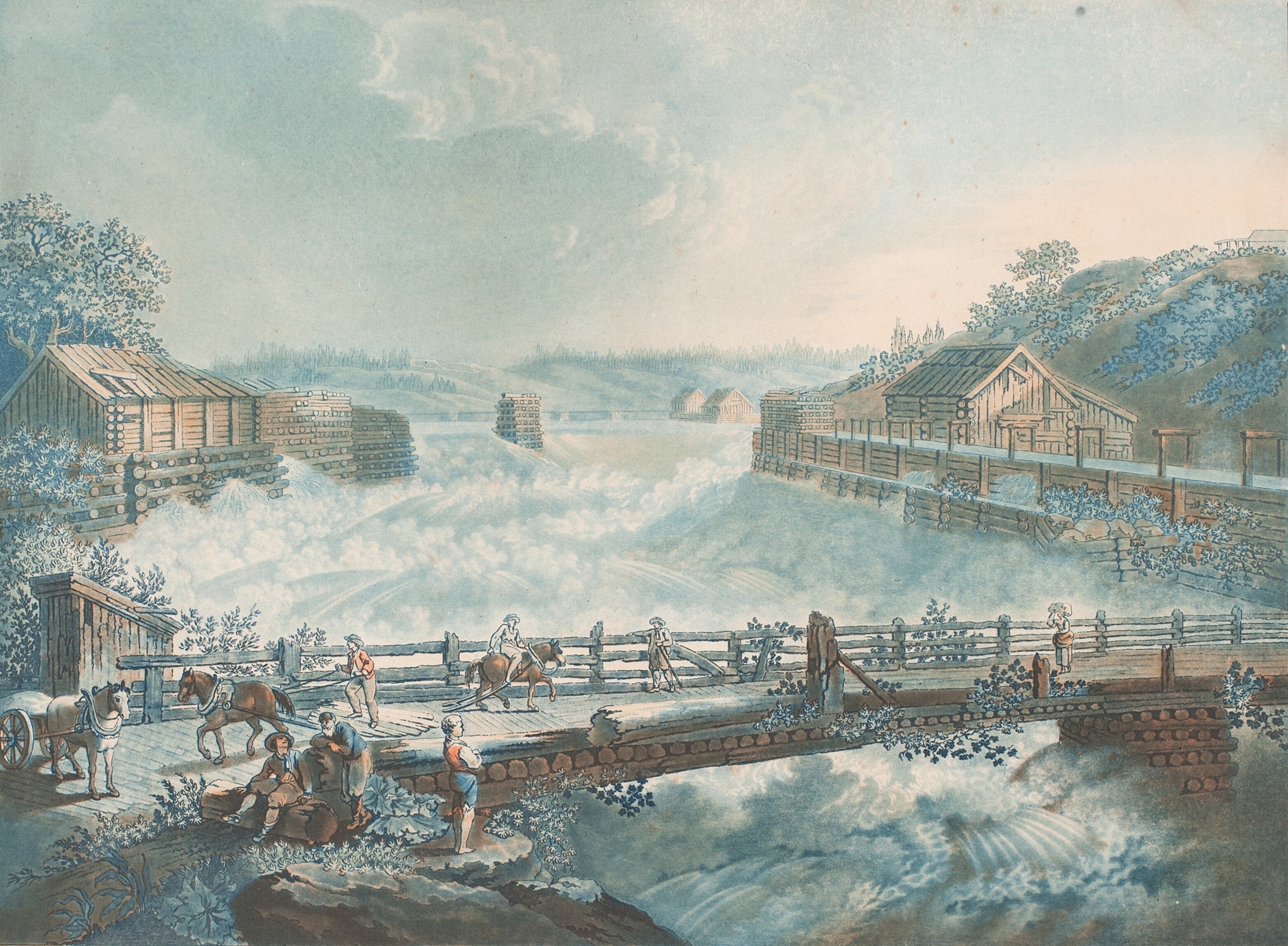
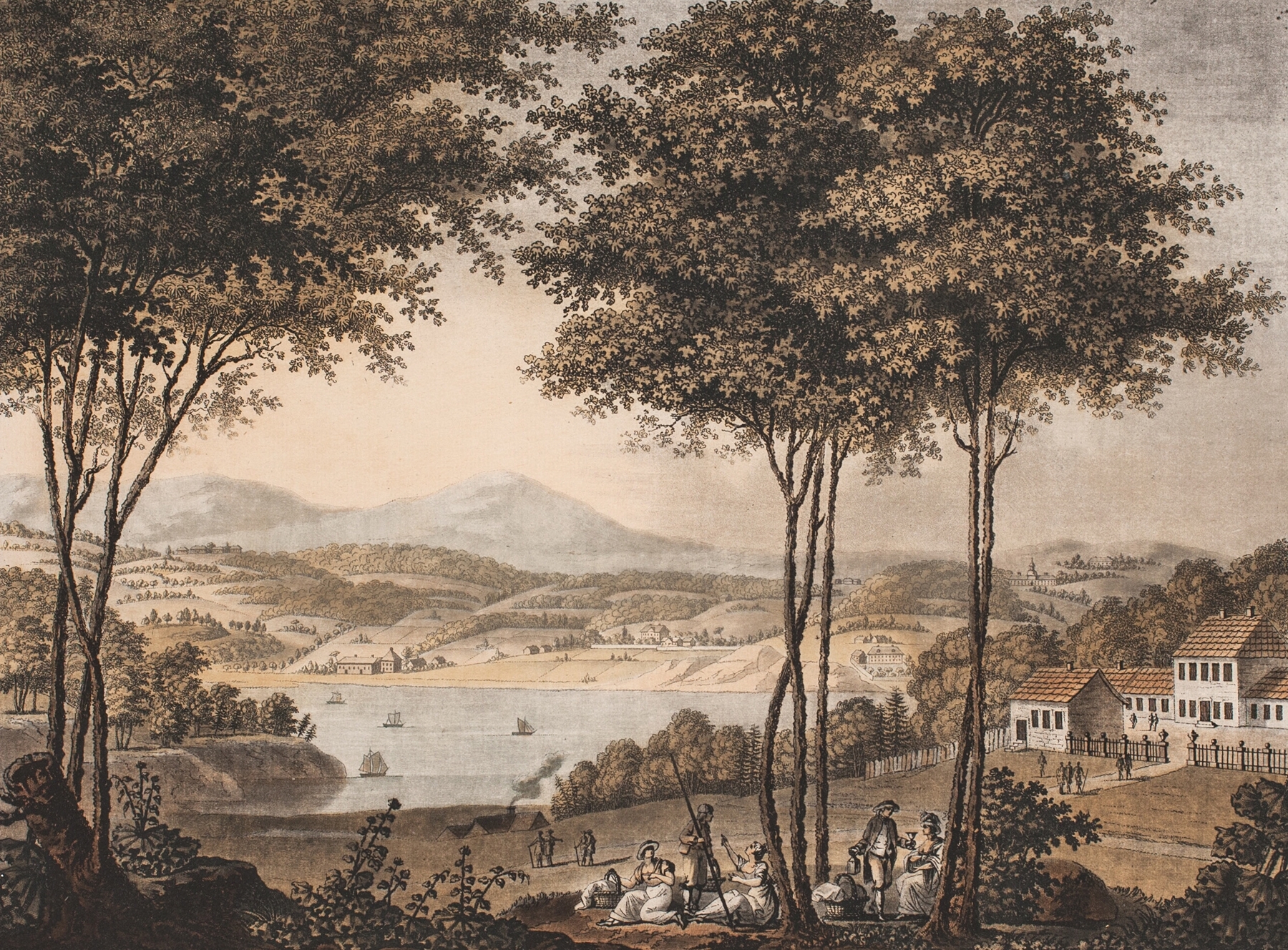
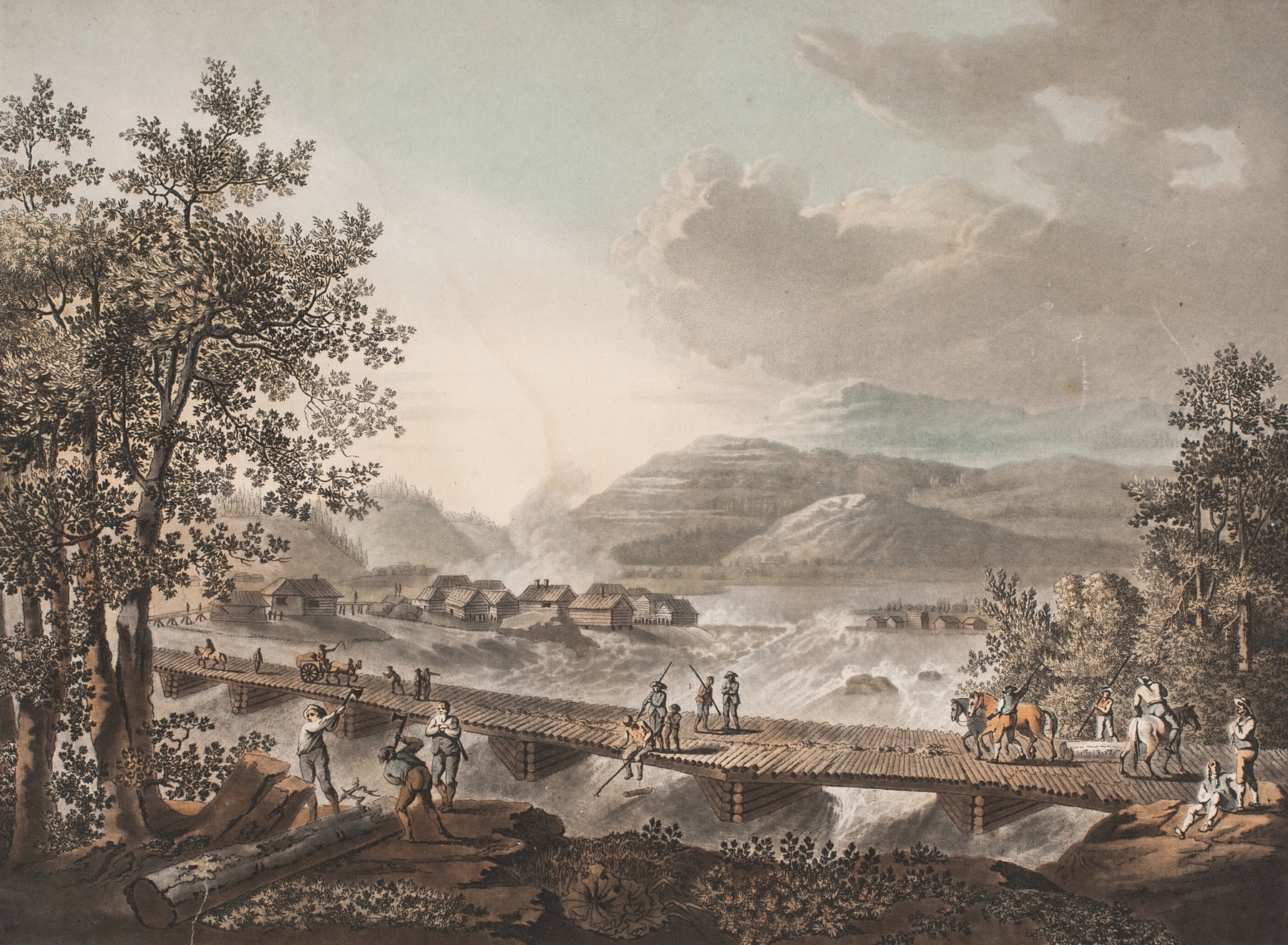
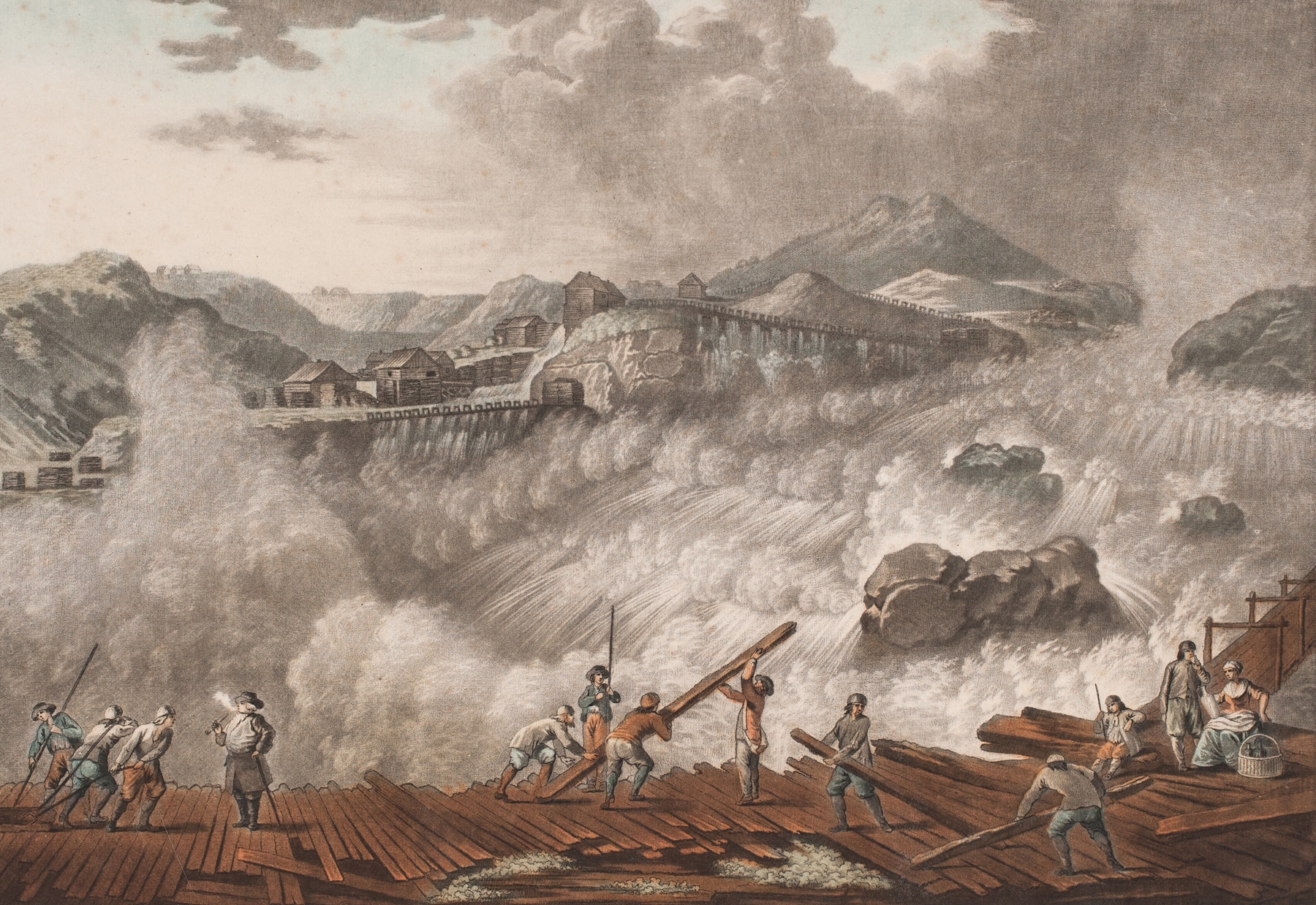
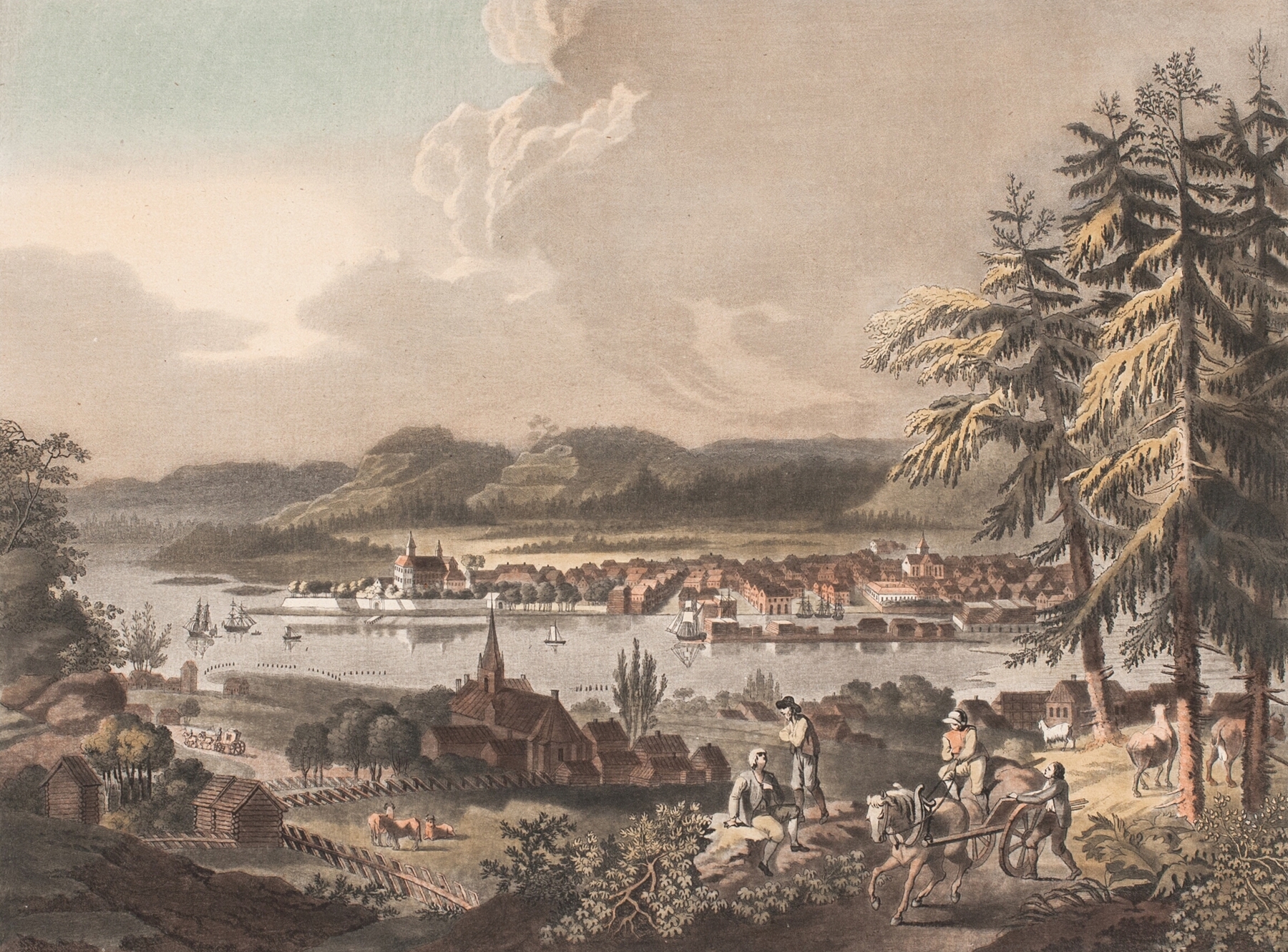
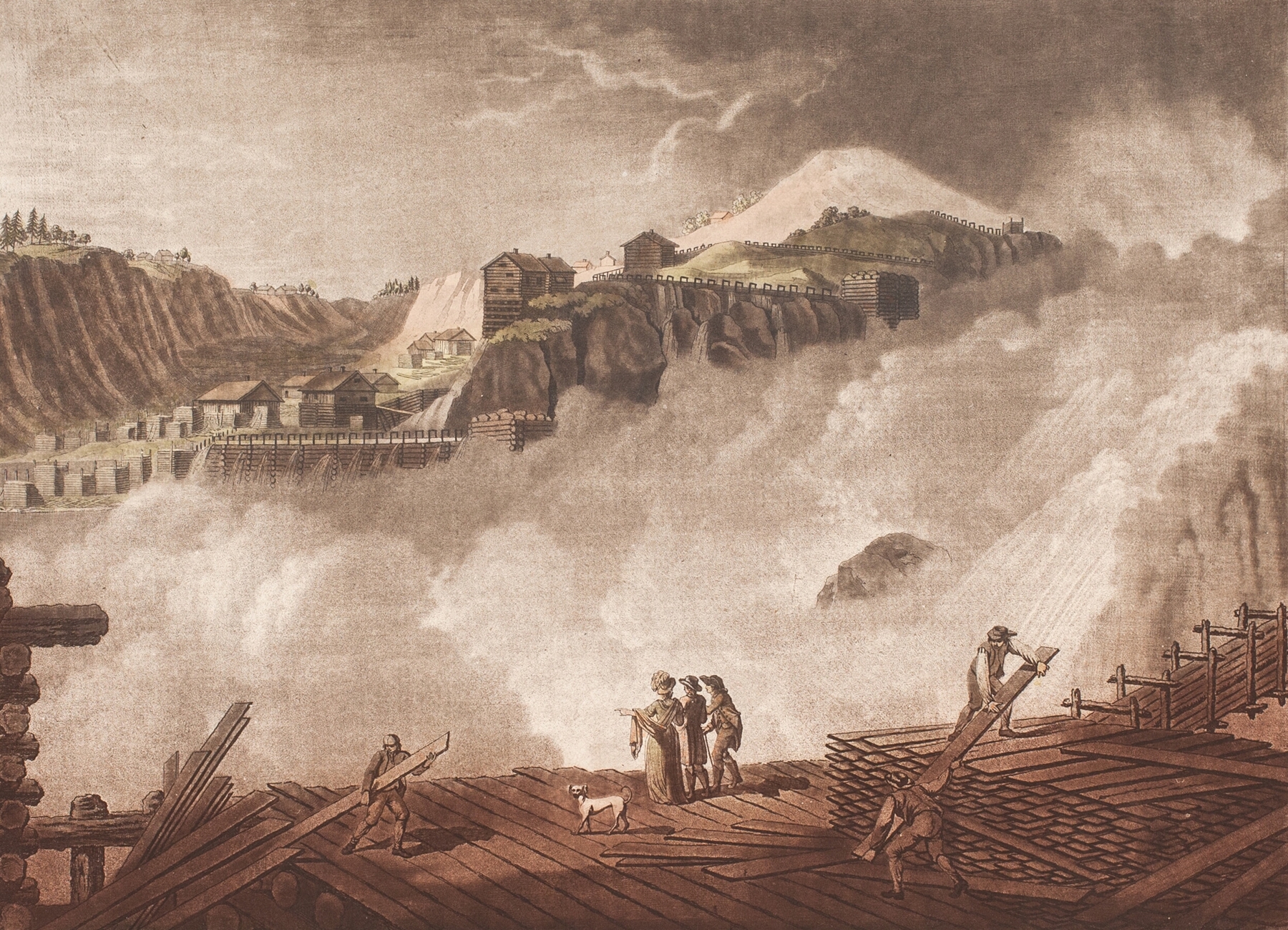
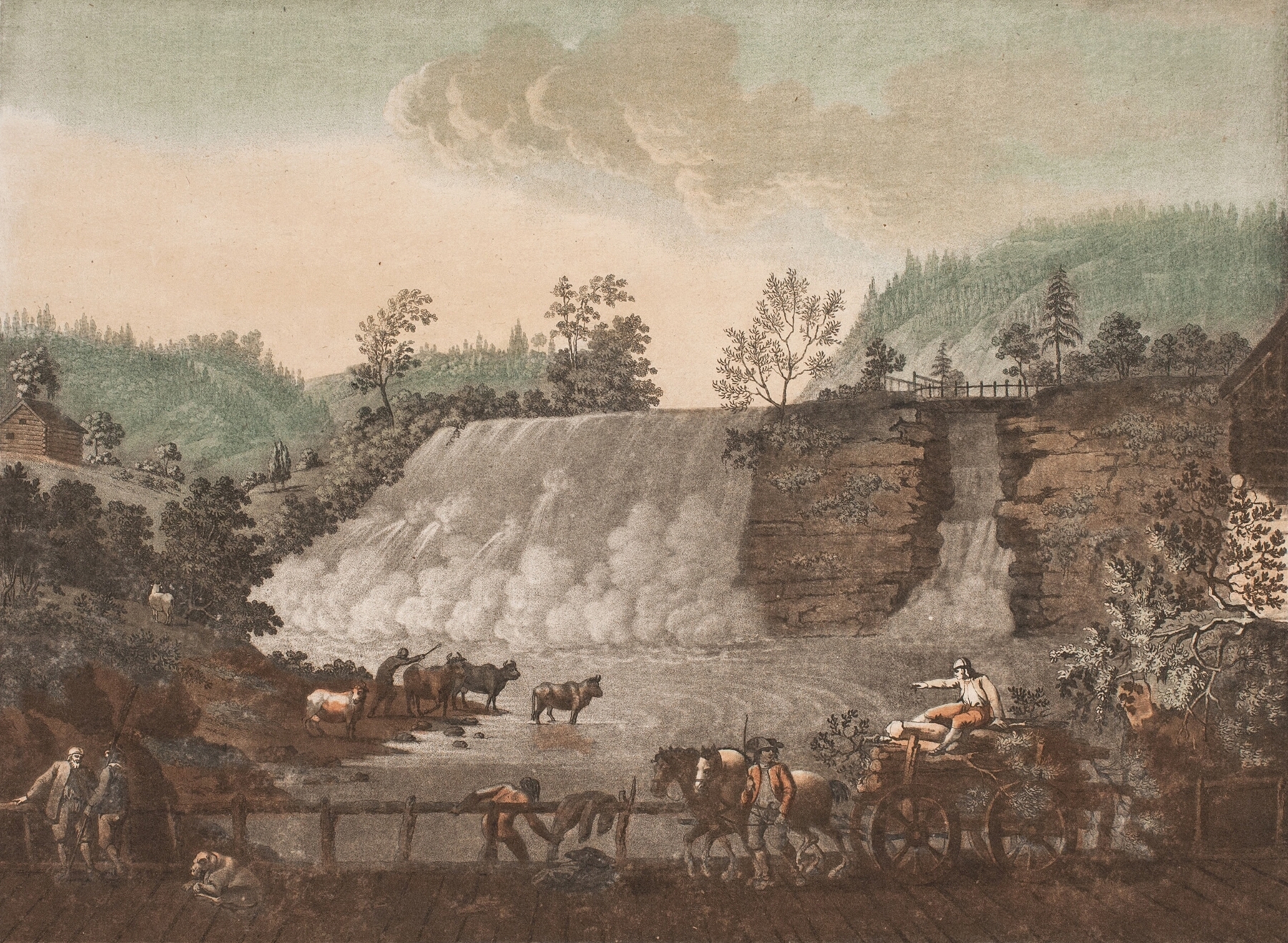
“Every brushstroke is a heartbeat remembered.” In the delicate layers of Vûe de Houg-Foss, the essence of innocence emerges as a timeless whisper, inviting us into a world that feels both familiar and distant. Begin your journey by observing the serene landscape that stretches across the canvas. Focus on the gentle curves of the hills, which cradle a tranquil river weaving through the scene. Notice the soft, pastel colors: the muted greens and blues evoke a sense of calm, while the subtle play of light hints at a golden hour, casting elongated shadows that dance across the ground.
The meticulous detailing of the trees and the distant mountains draws the eye, creating a harmonious balance between nature and composition. Beneath the surface lies a profound commentary on innocence and the passage of time. The stillness of the scene evokes a sense of nostalgia, as if capturing a fleeting moment before it slips away. The choice of light implies an ephemeral quality, suggesting that innocence, like the day, is transient and must be cherished.
Additionally, the flowing river symbolizes the unyielding passage of life, a reminder that while beauty exists, it is often paired with inevitable change. Georg Haas painted Vûe de Houg-Foss between 1787 and 1791, a period marked by both artistic ambition and societal shifts in Europe. Living in a time when landscape painting was gaining prominence, Haas embraced this genre to explore the relationship between humanity and nature. His work reflects the emerging Romantic ideals, celebrating not just the beauty of the world around him but also the deeper emotional resonances that such beauty evokes.