Venetian Barges — History & Analysis
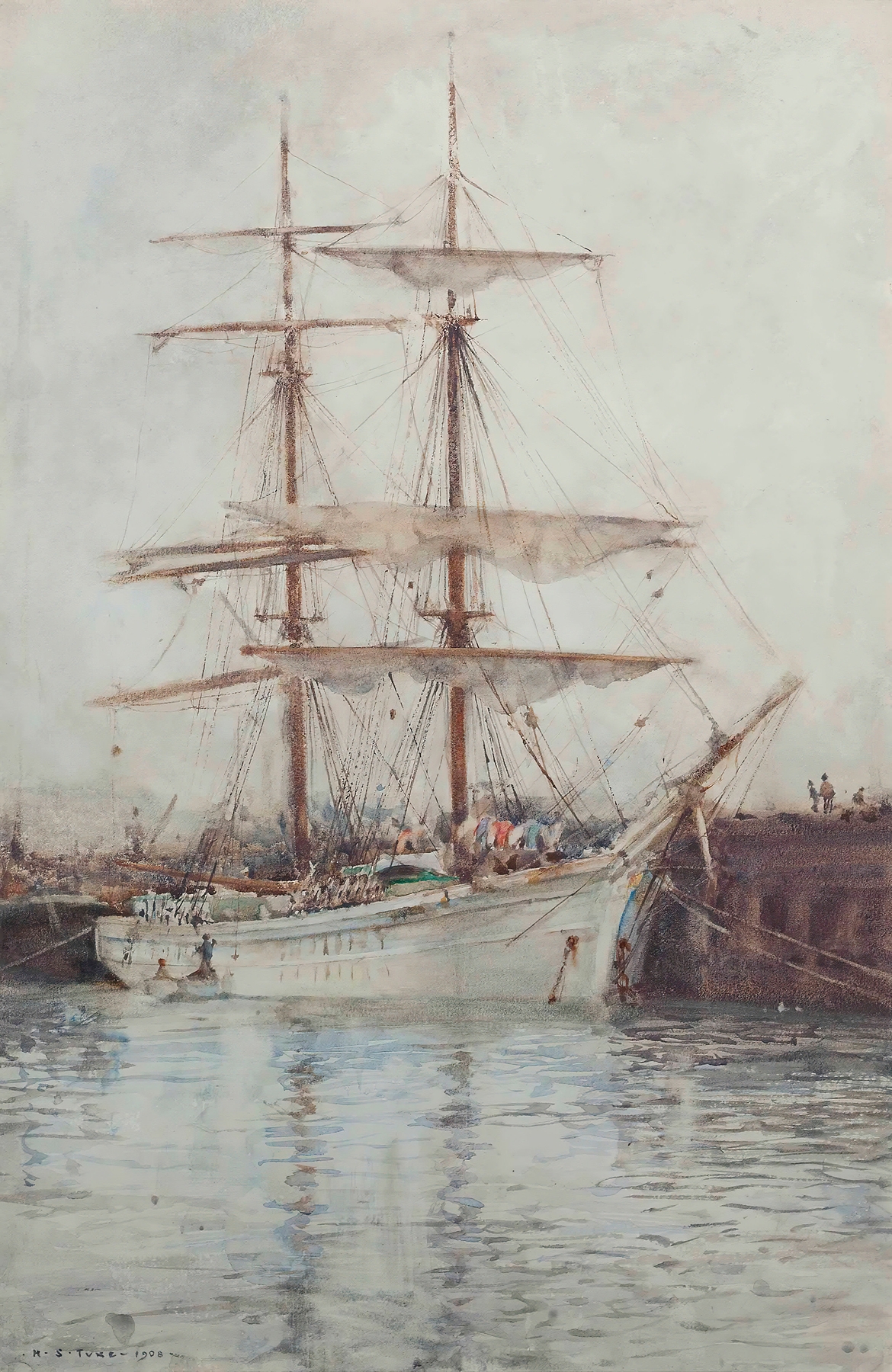
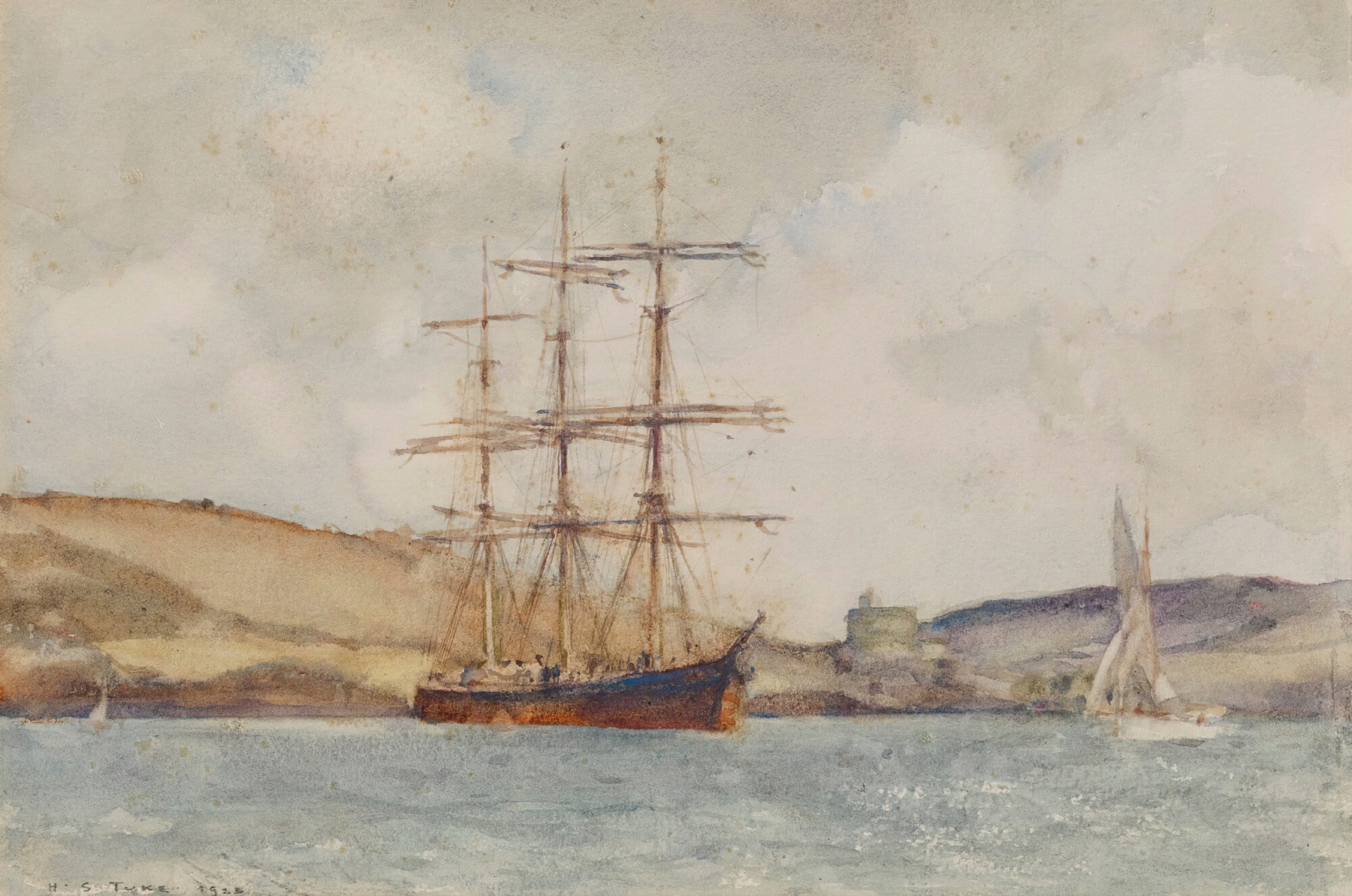
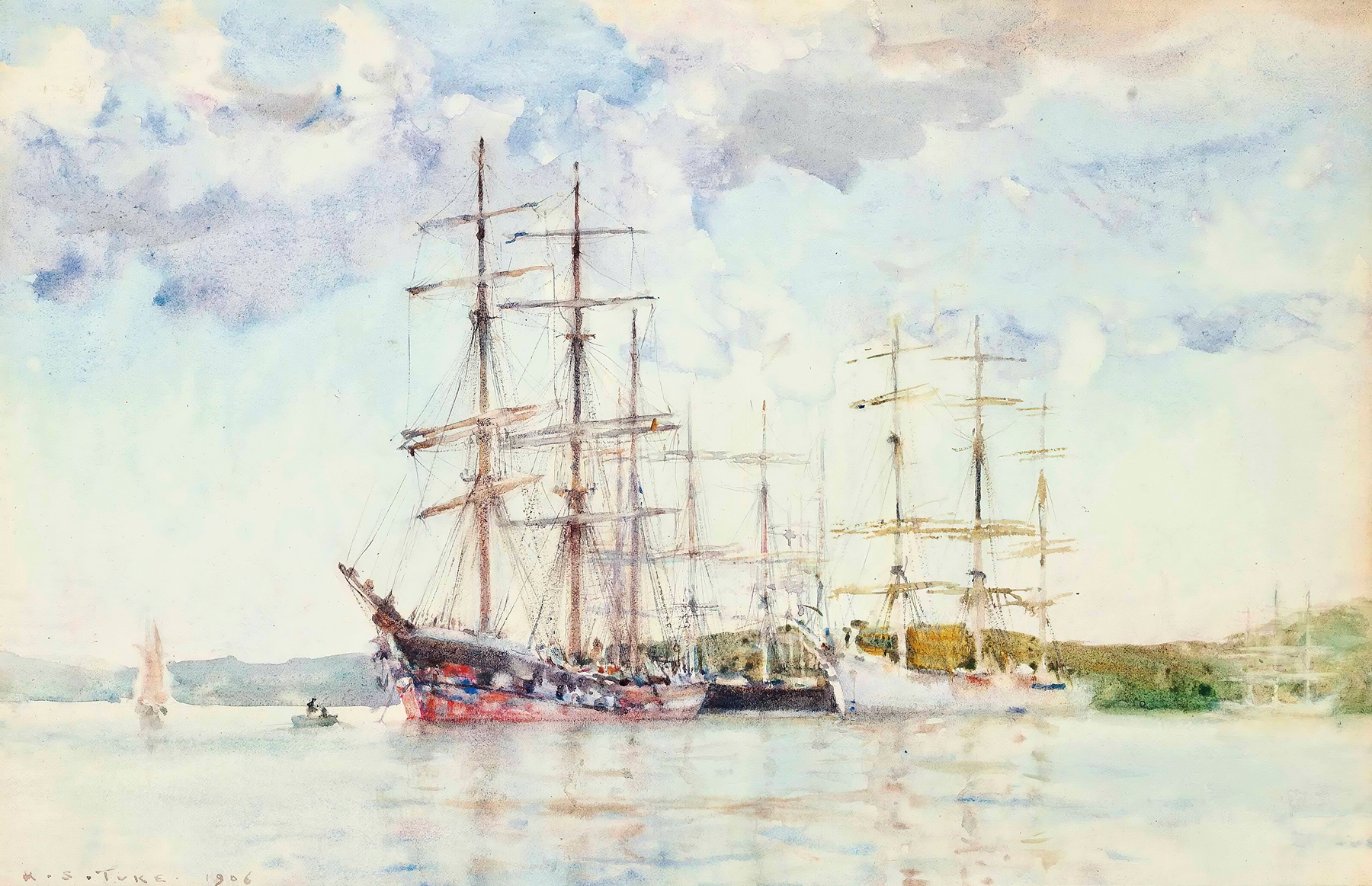
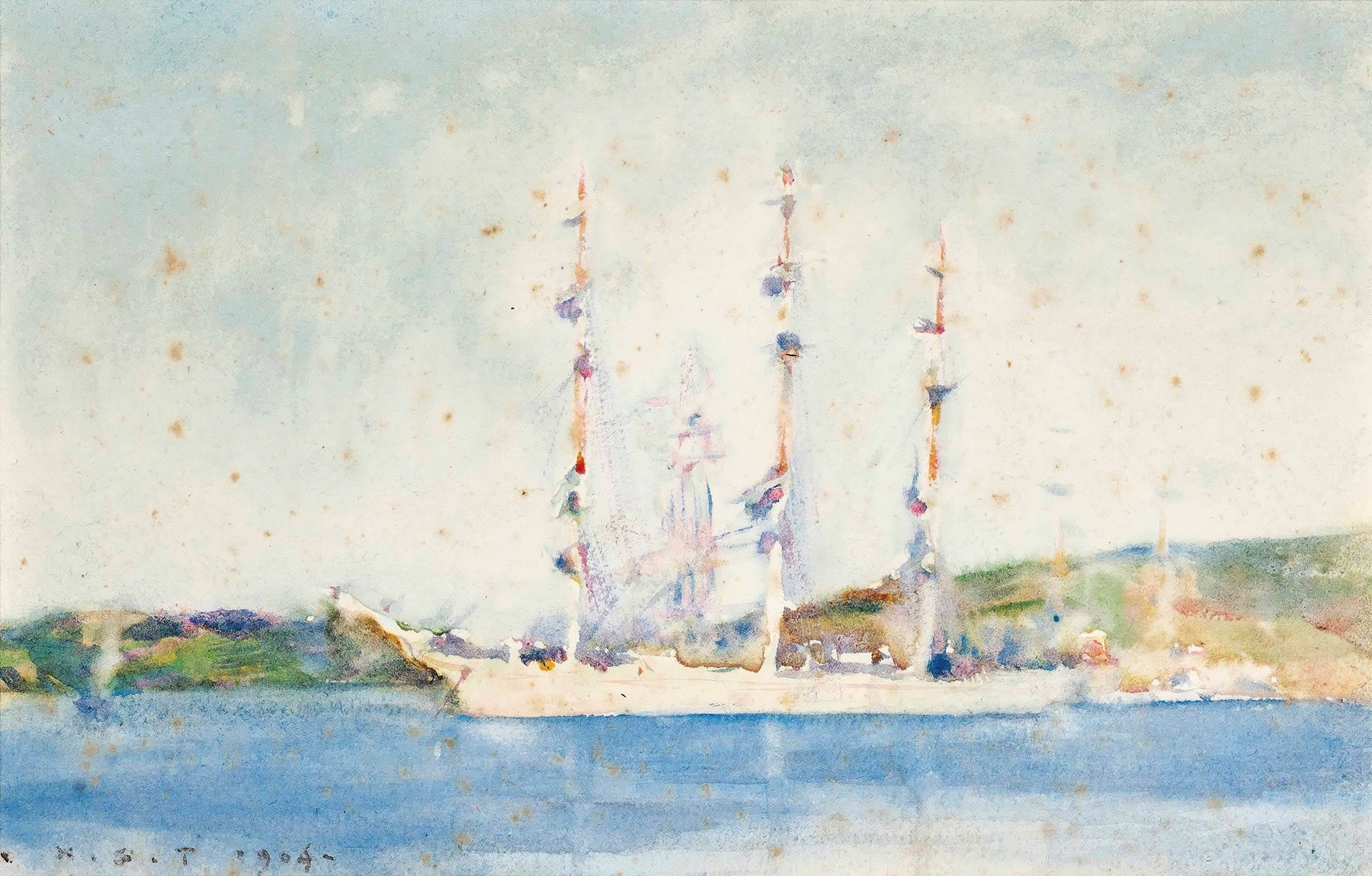
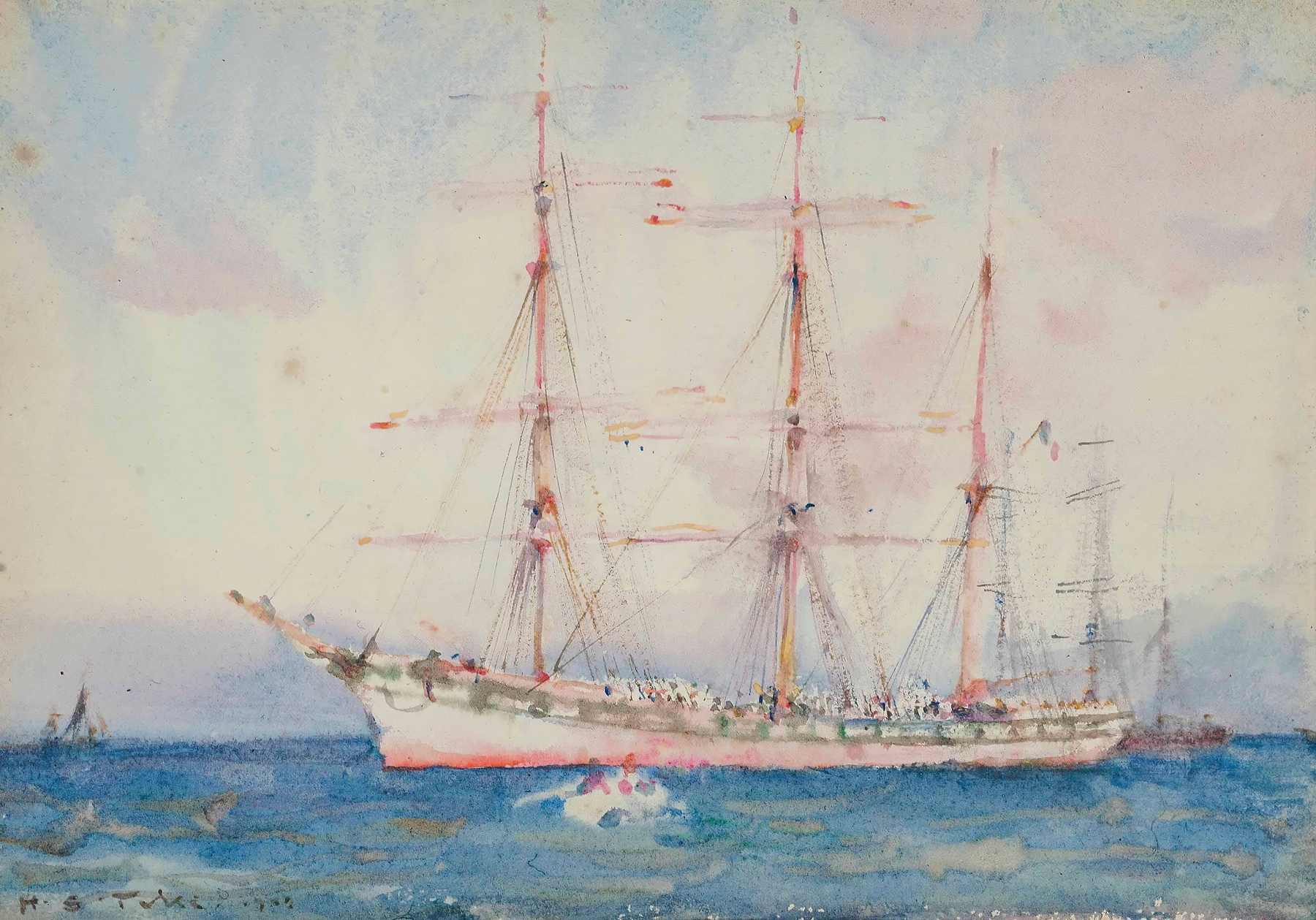
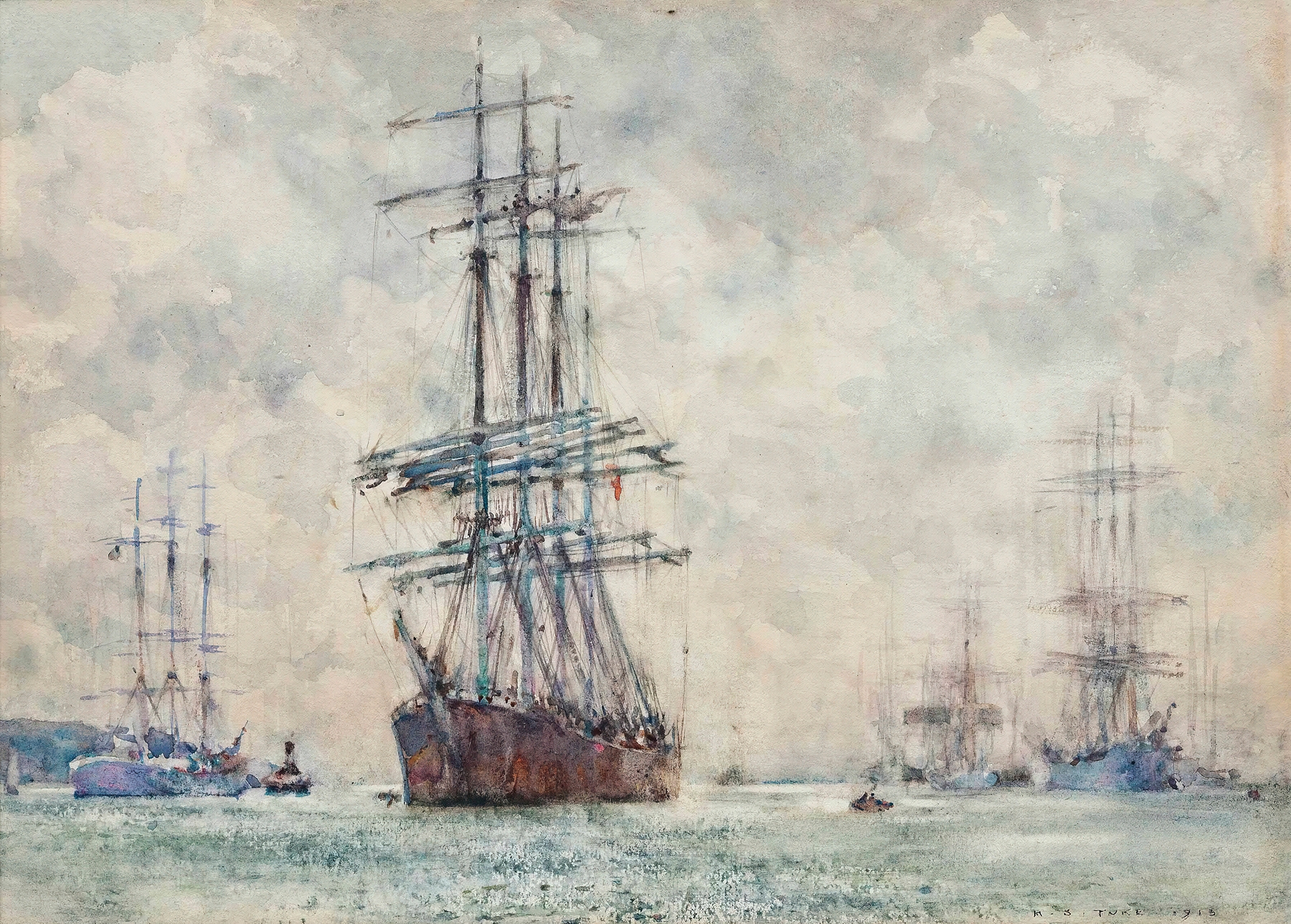
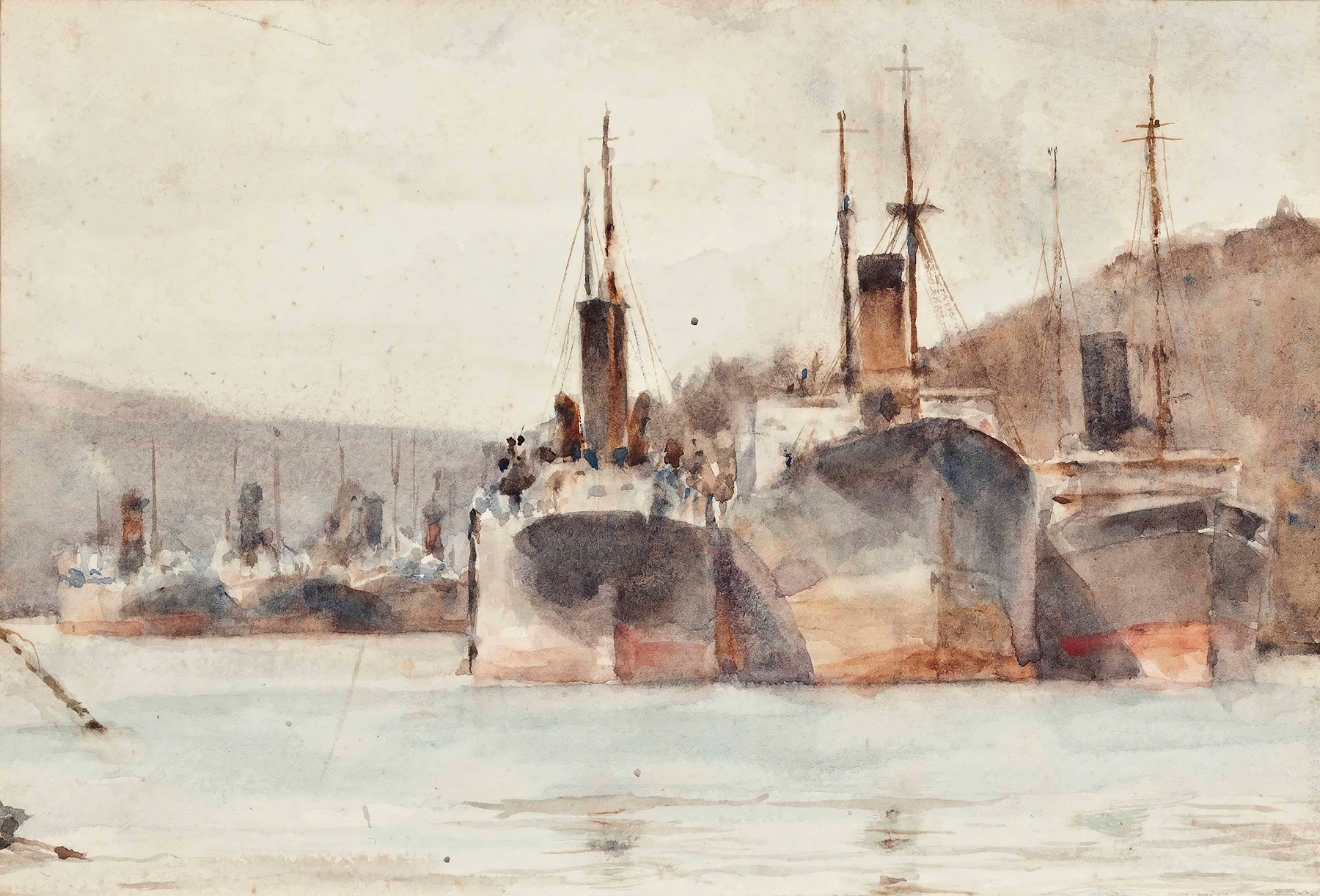
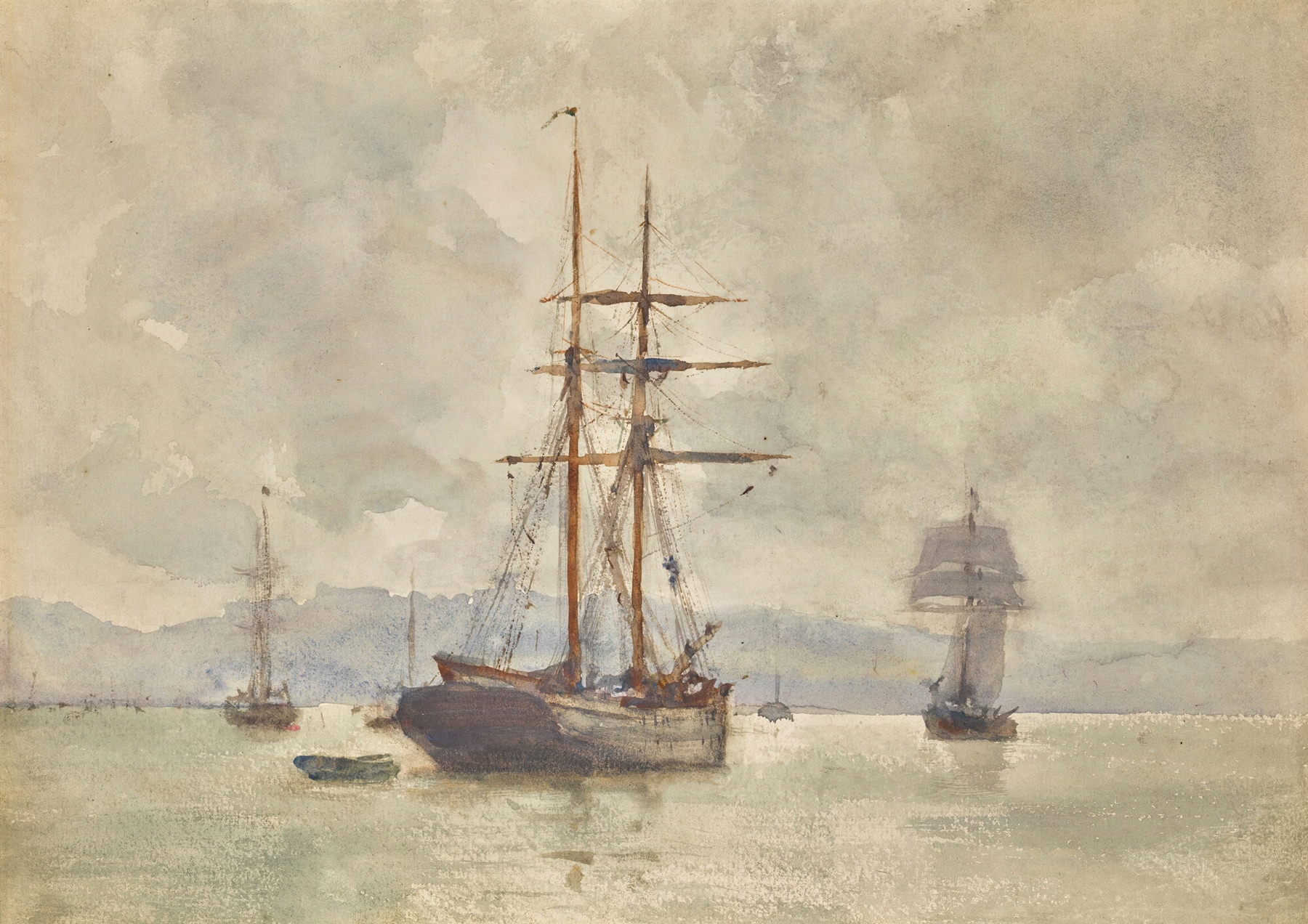
“To paint is to remember what time wants us to forget.” In the soft waves of a sunlit lagoon, the spirit of longing is captured, whispering the unfulfilled dreams of those adrift on water. Look to the shimmering surface of the water, where hues of turquoise and emerald dance under the golden light. The barges, gently bobbing, draw your gaze toward their intricately painted details, showcasing Tuke's mastery of light and shadow. Notice how the reflection in the water blurs the boundaries between the vessels and their surroundings, creating a mesmerizing interplay of reality and memory.
The warm palette evokes a sense of nostalgia, inviting the viewer to step into a moment where time seems suspended. The emotional tension in this piece lies in the juxtaposition of vibrant life and the ethereal quality of memory. While the barges appear lively, a sense of yearning permeates the air, suggesting stories untold and journeys incomplete. The viewer is left to ponder the lives aboard these vessels: their hopes, dreams, and the inevitability of time passing.
Small details, like the fluttering sails and scattered light, serve as reminders of the delicate balance between reality and illusion. Tuke painted this work in 1899 during a time when he was deeply engaged in capturing the essence of coastal life in Cornwall. His experiences among the bustling harbors and waterways influenced his artistic direction, shaping a legacy marked by a profound connection to nature and the human experience. In this era, the wider art world was embracing Impressionism, yet Tuke's approach remained distinctly personal, infusing his works with a poignant sense of place and emotion.