View Across The Grand Canal From Dorsoduro With The Bell Tower Of San Marco — History & Analysis
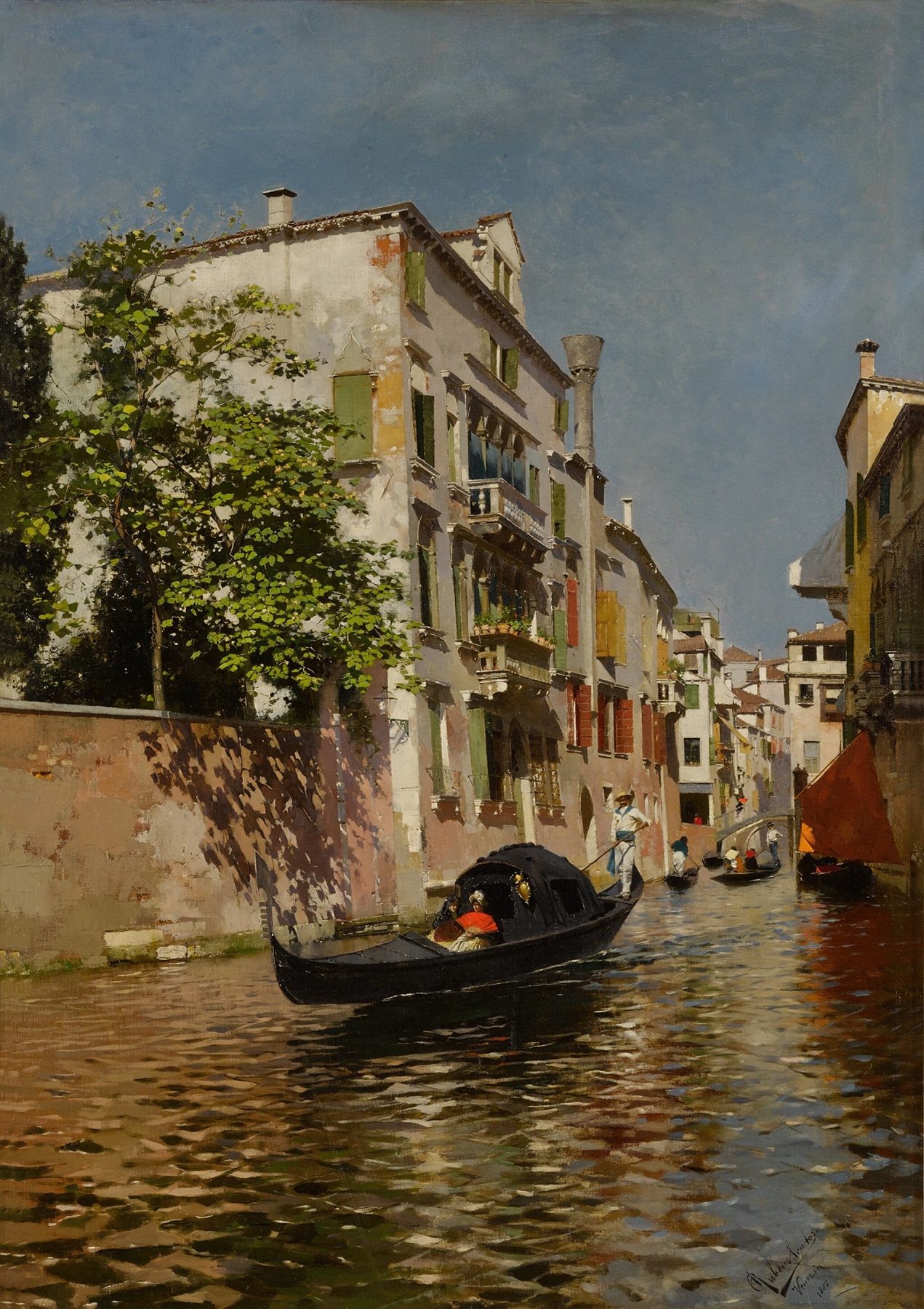
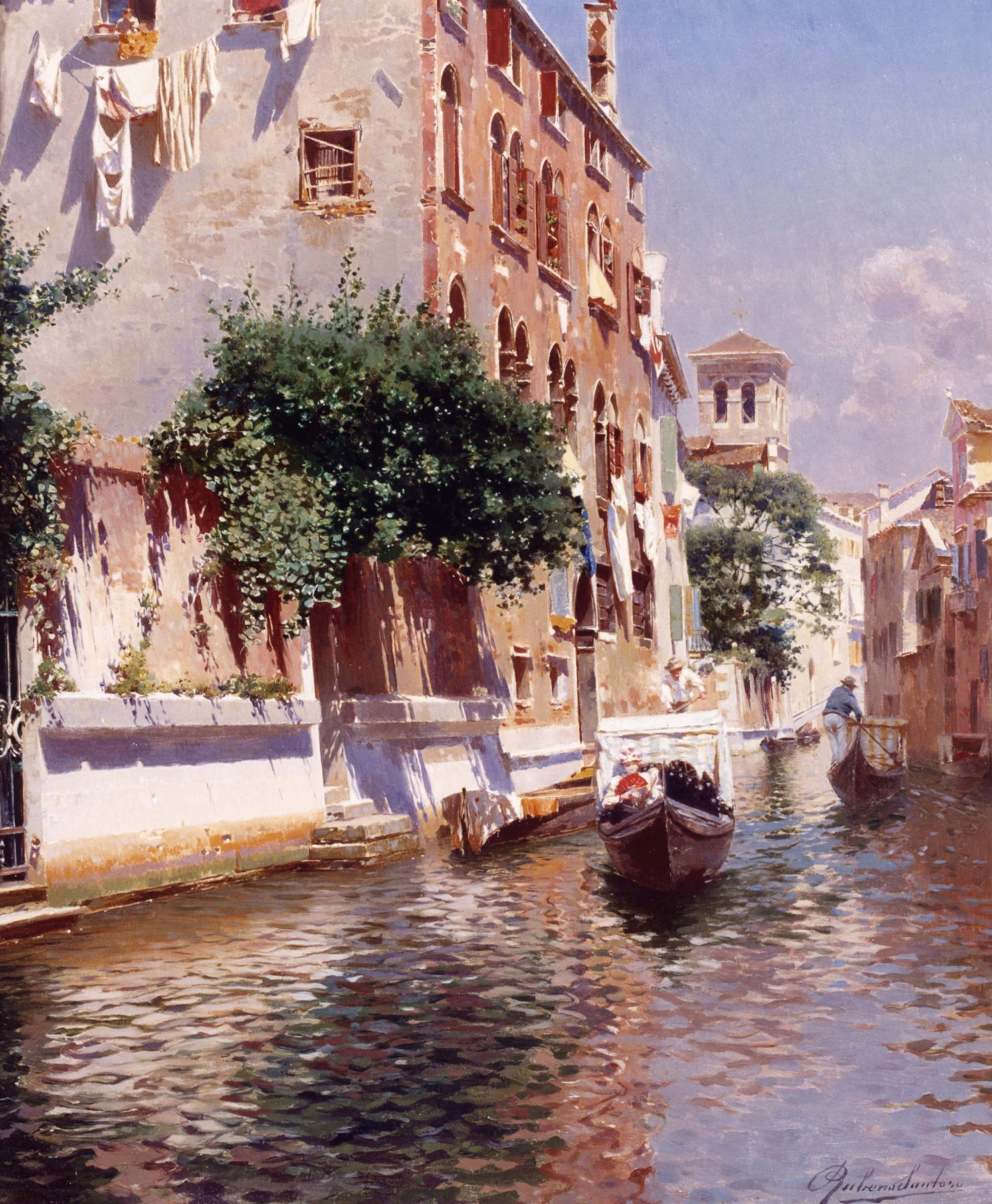
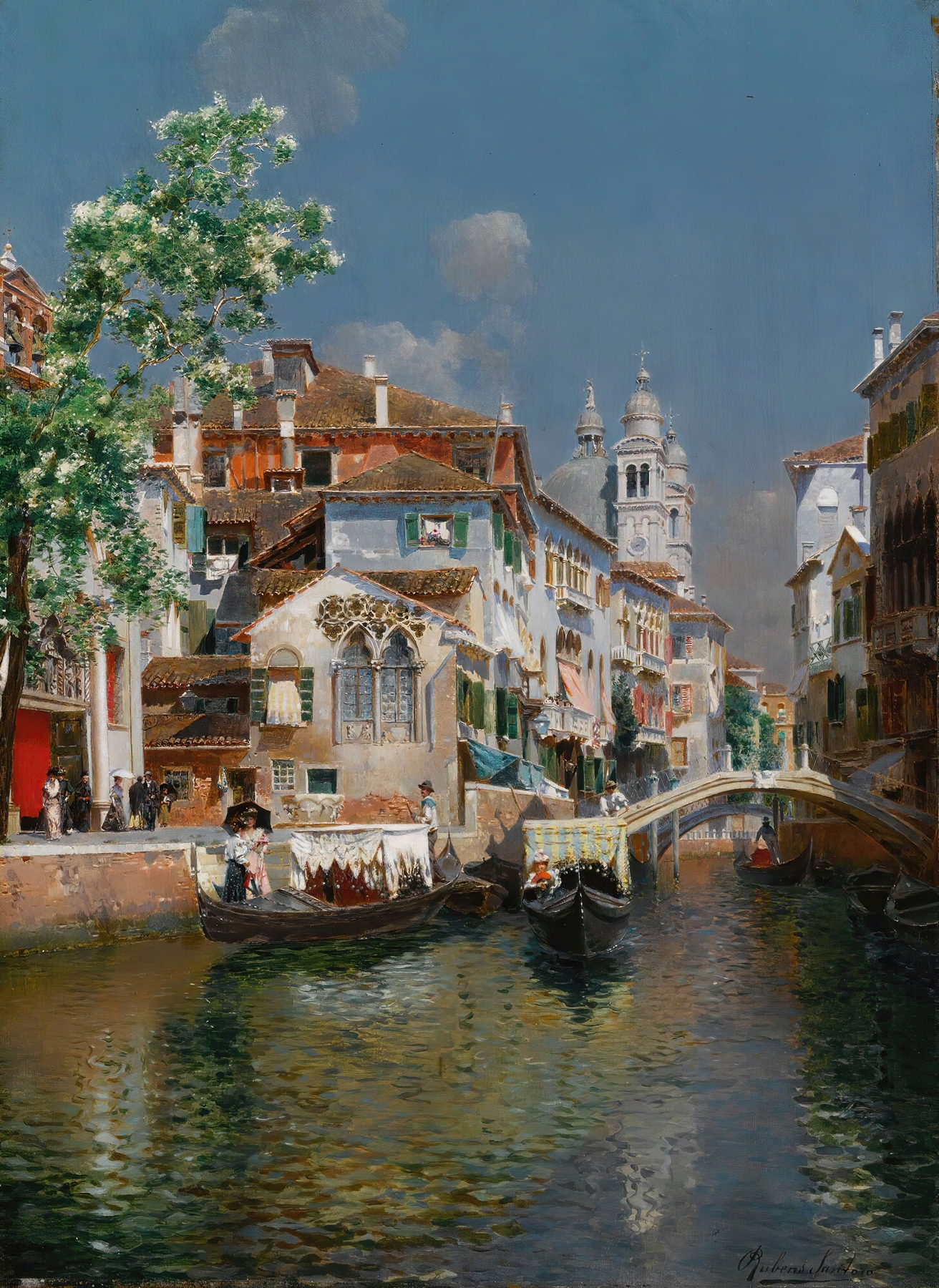
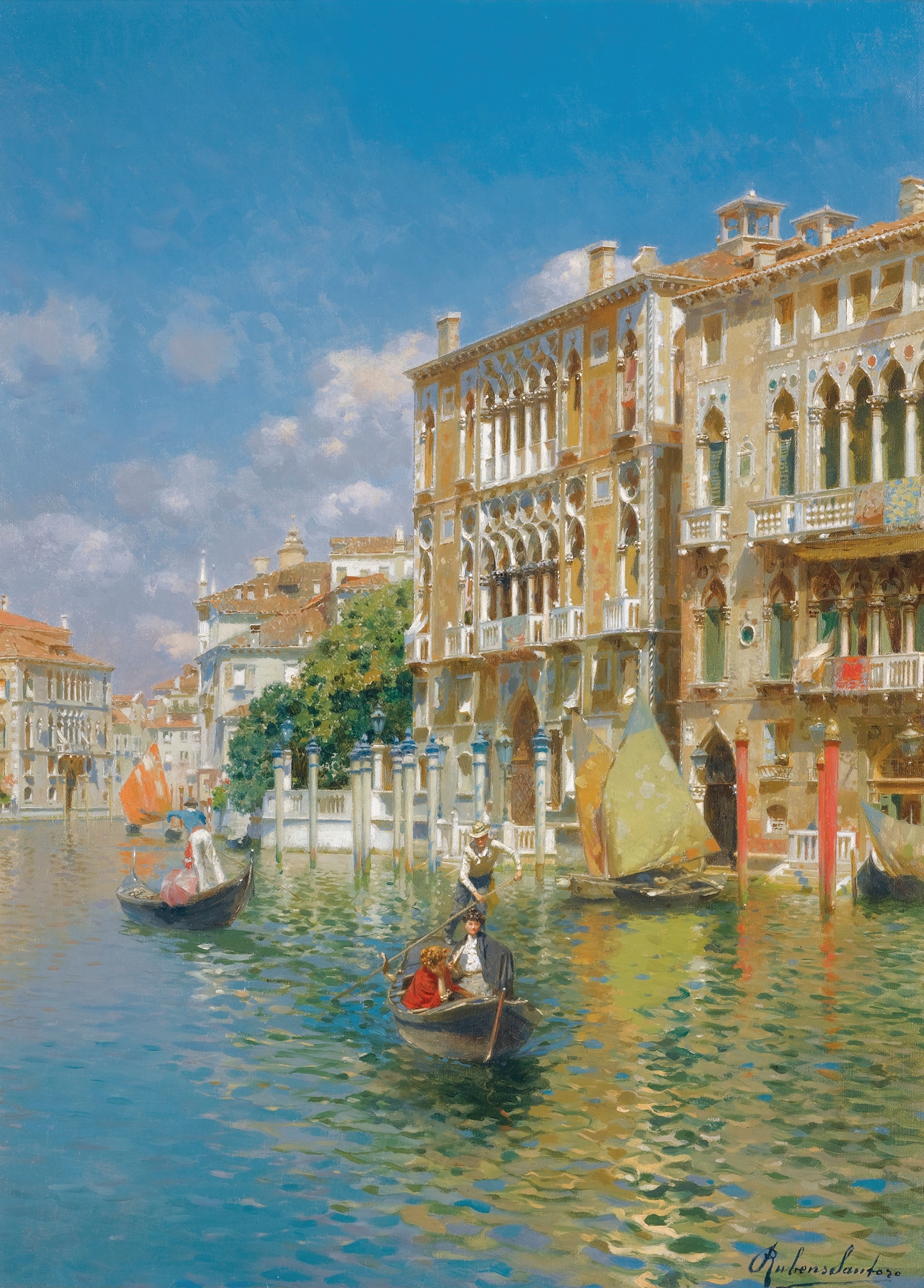
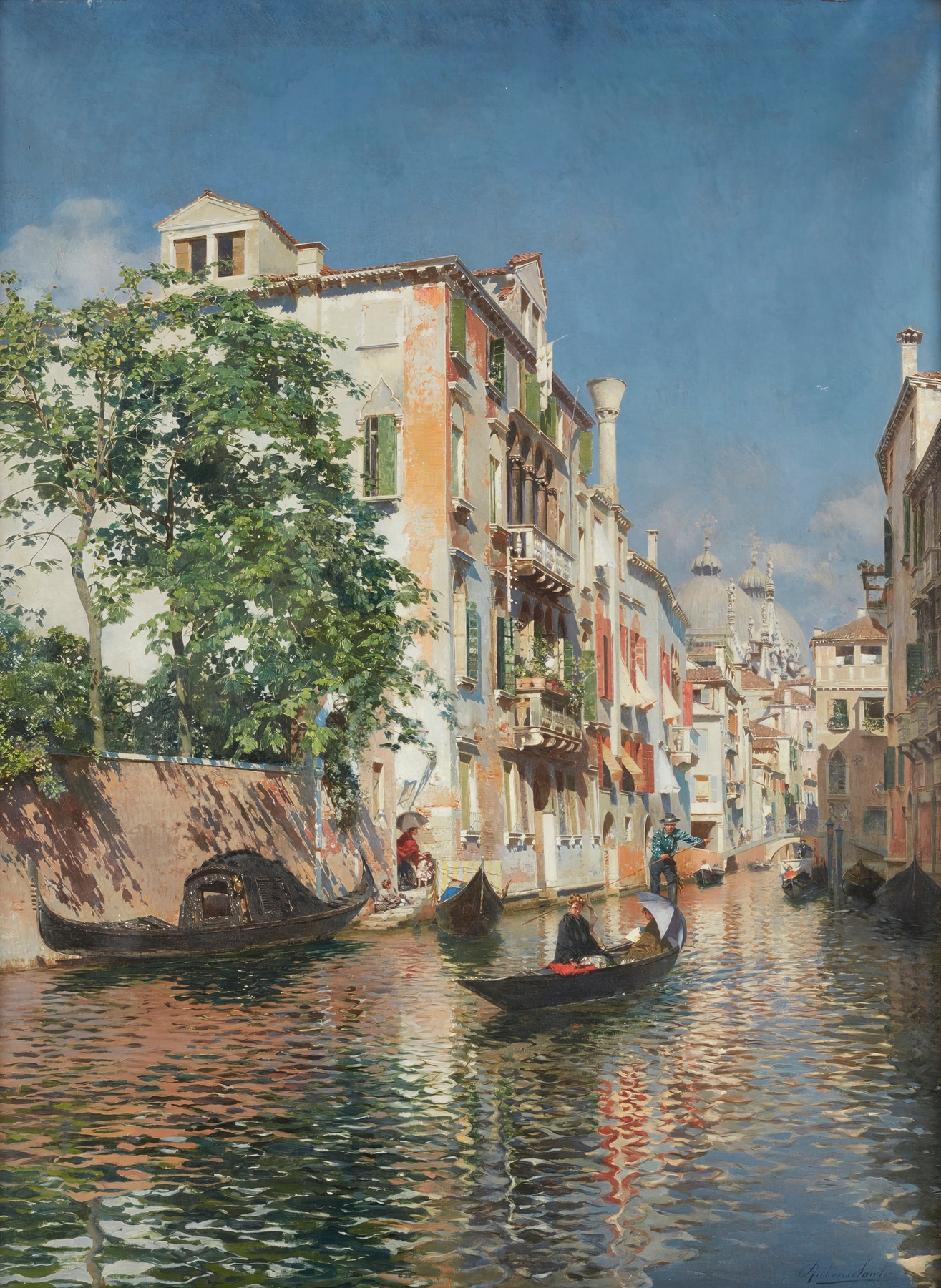
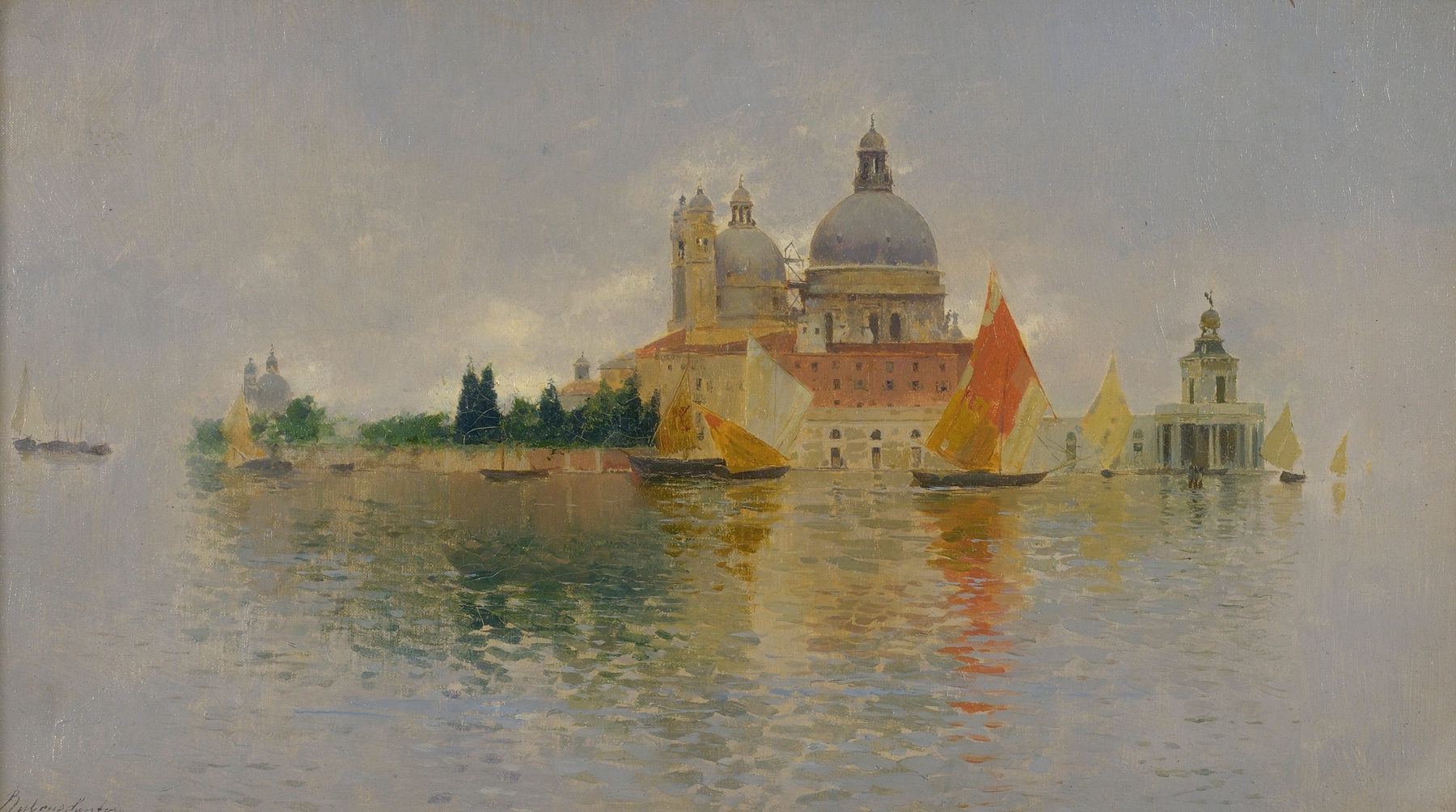
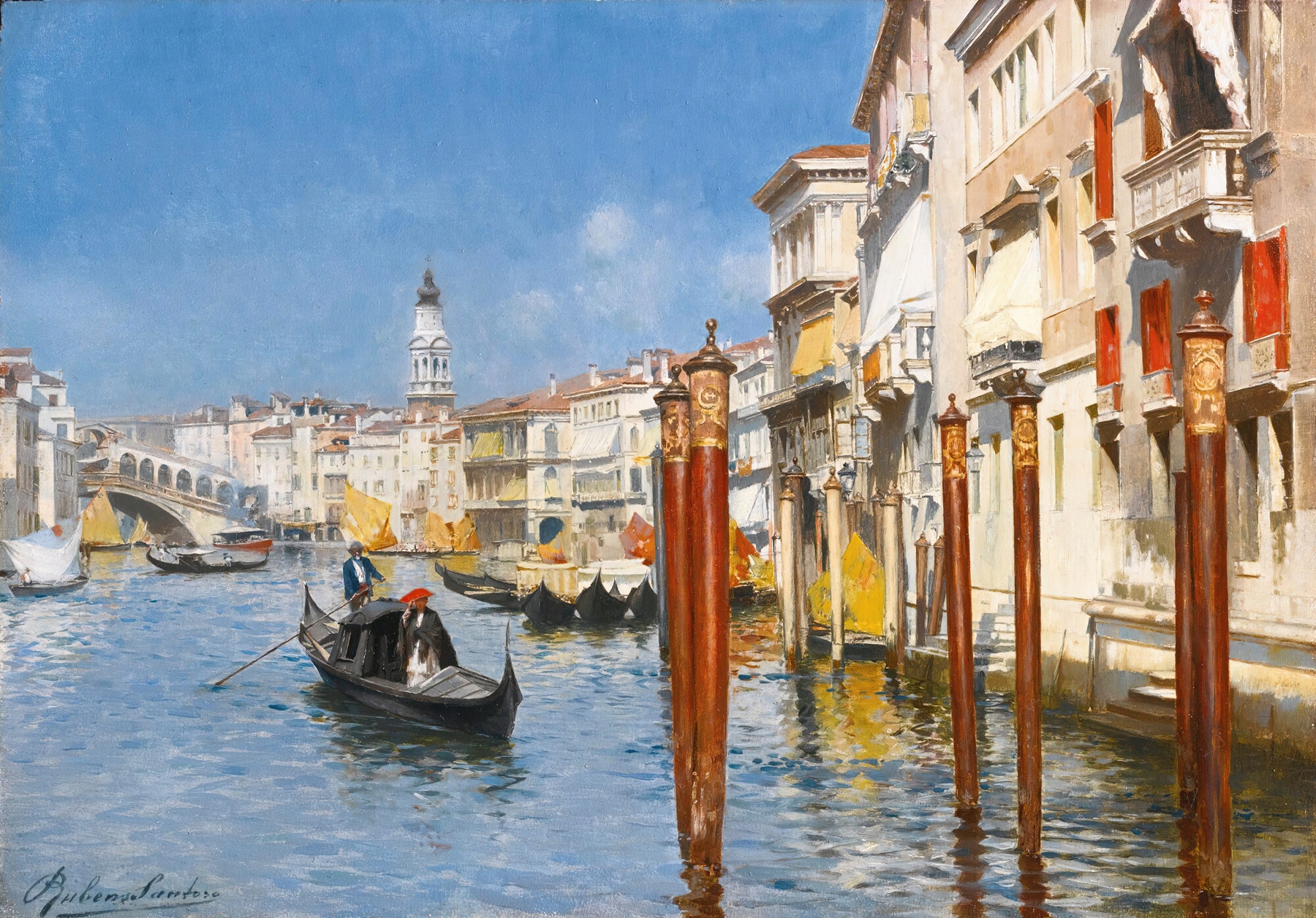
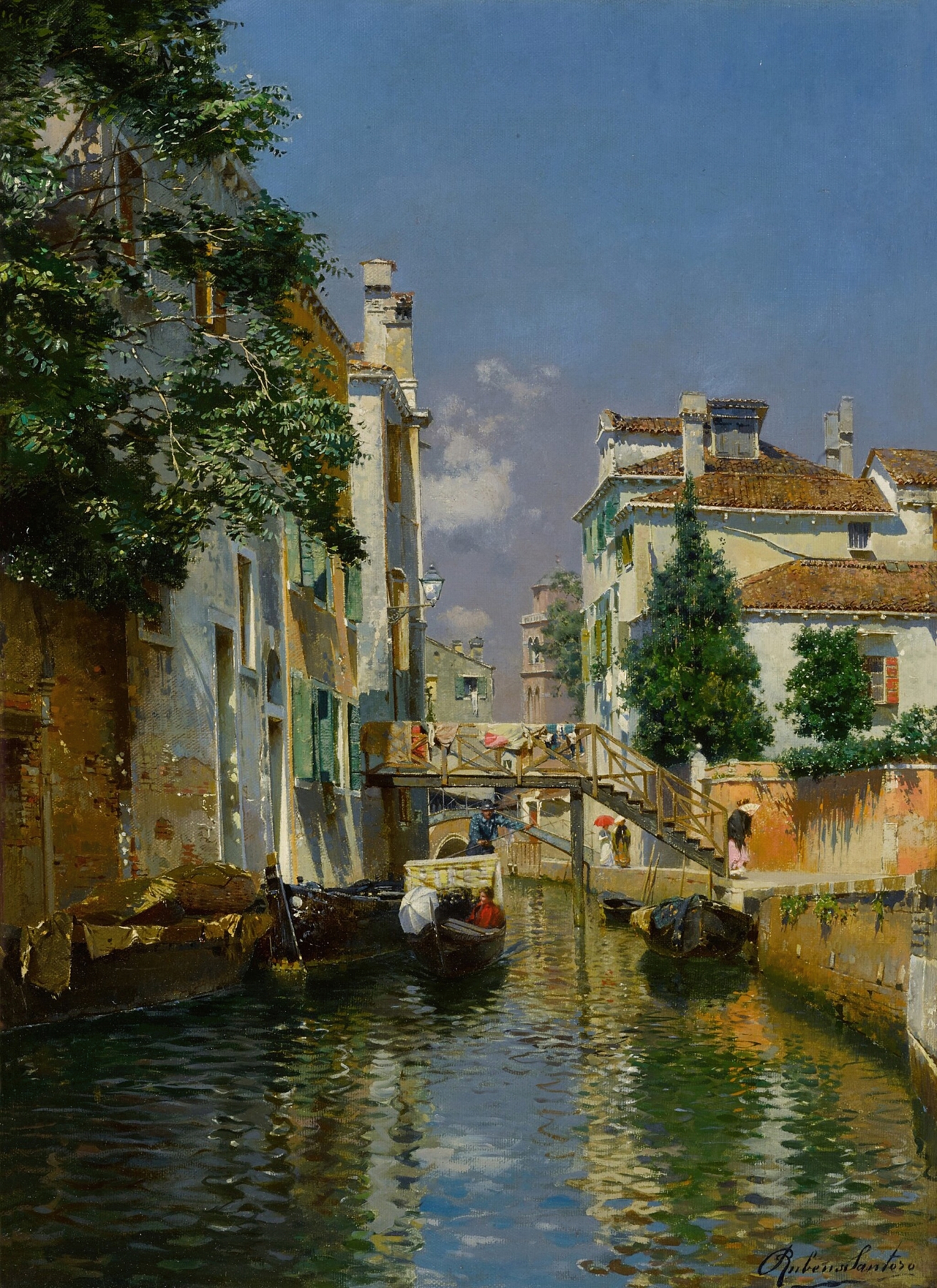
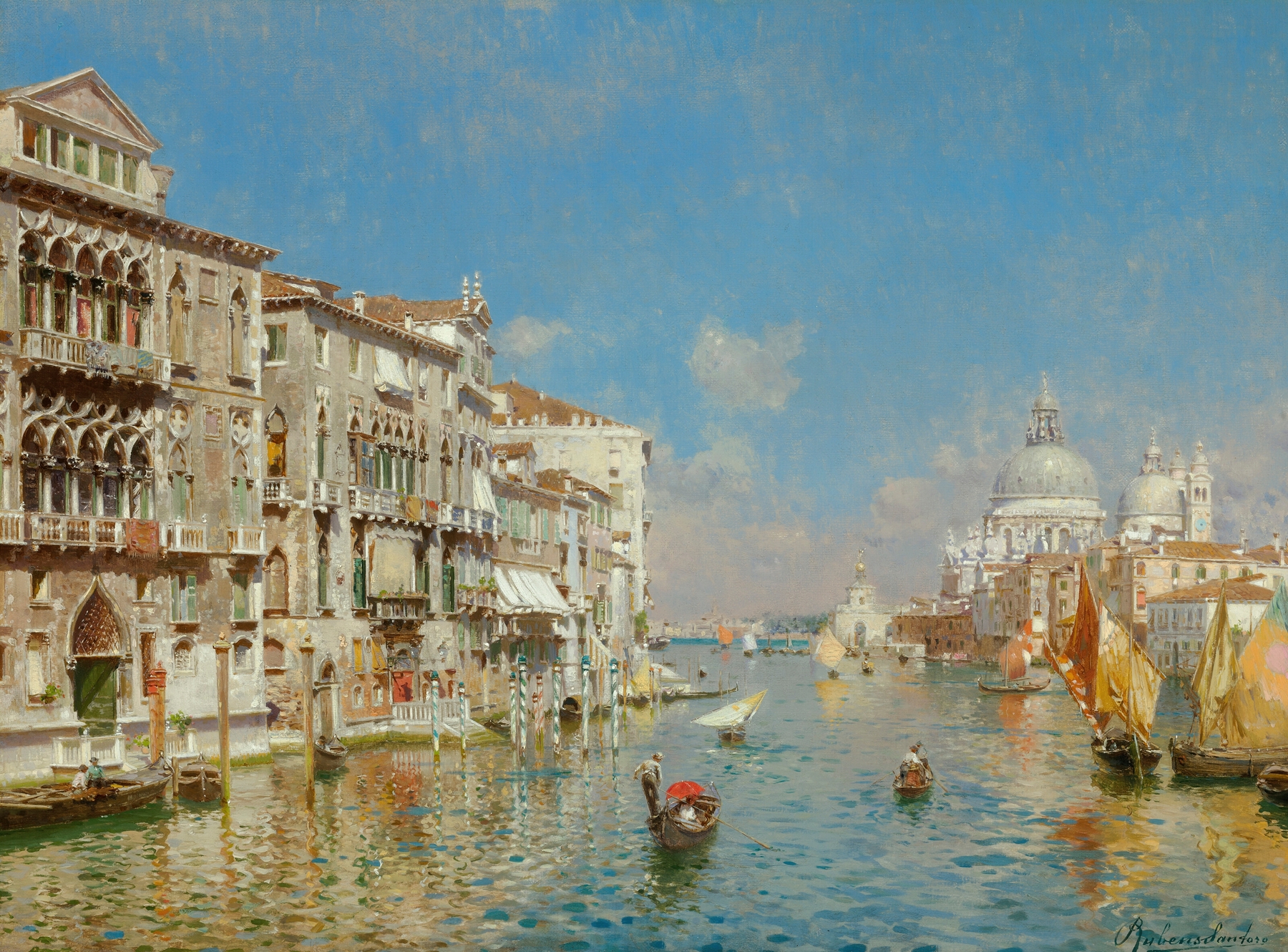
“Under the brush, chaos becomes grace.” The vibrant life of Venice, with its labyrinthine canals and crumbling facades, is distilled into a singular moment, inviting reflection and reverie. Look to the center of the canvas, where the Grand Canal unfolds like a silken ribbon, guiding the eye toward the majestic Bell Tower of San Marco. The artist employs a warm palette of burnt siennas and golden ochres, contrasting with the cool blues of the water, creating a dynamic interplay between warmth and tranquility. Notice how the light dances upon the surface, each stroke suggesting movement, as gondolas glide quietly, their forms gently rippling through the serene water.
The juxtaposition of the bustling activity in the foreground and the calm architectural beauty in the background creates an emotional tension. The figures in the foreground, engaged in their daily lives, represent the heartbeat of the city, while the distant tower stands as a silent witness to the passage of time. The use of perspective not only draws the eye but also conveys a sense of intimacy with the landscape, inviting the viewer to immerse themselves in this iconic scene.
Created in 1880, this piece emerged during a time of artistic transition for Rubens Santoro, who was deeply influenced by both Romanticism and Impressionism. Living in Venice, he captured the evolving cityscape as it faced the challenges of industrialization while cherishing its rich history. This painting reflects not only his artistic journey but also the broader cultural shifts occurring in Europe, where traditional landscapes began to embrace new techniques and emotional depth.