View from Fishkill Looking to West Point — History & Analysis
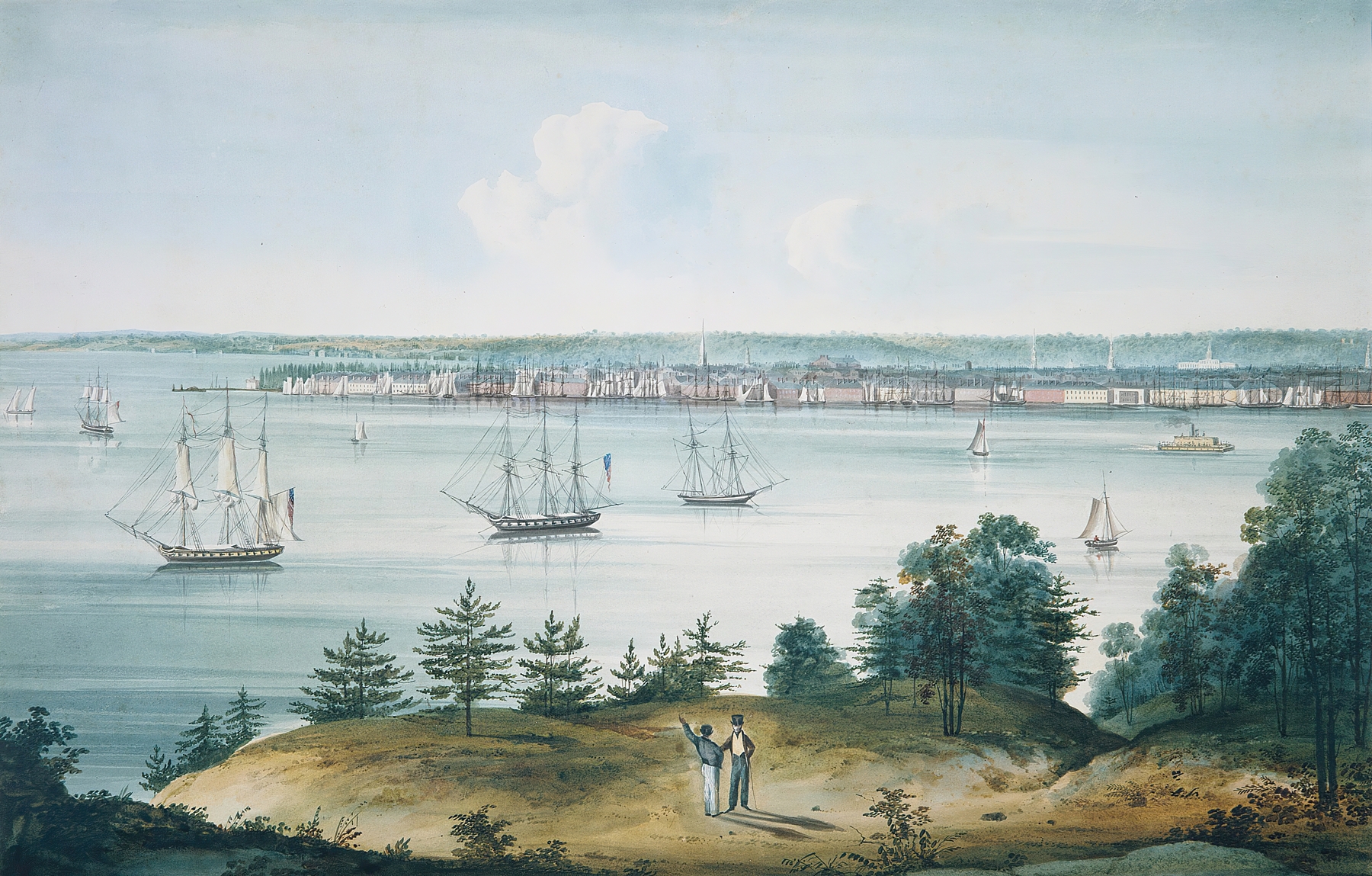
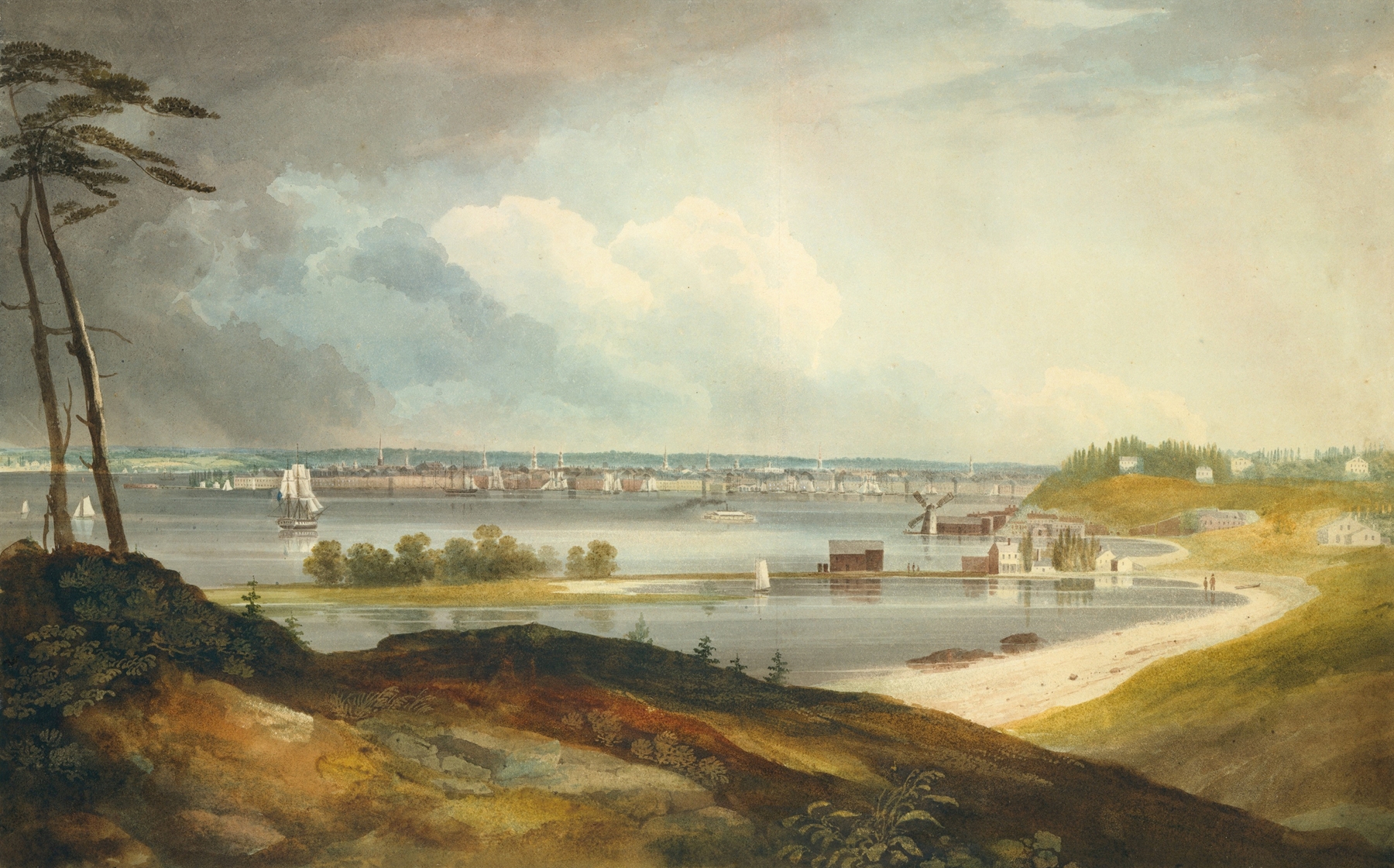
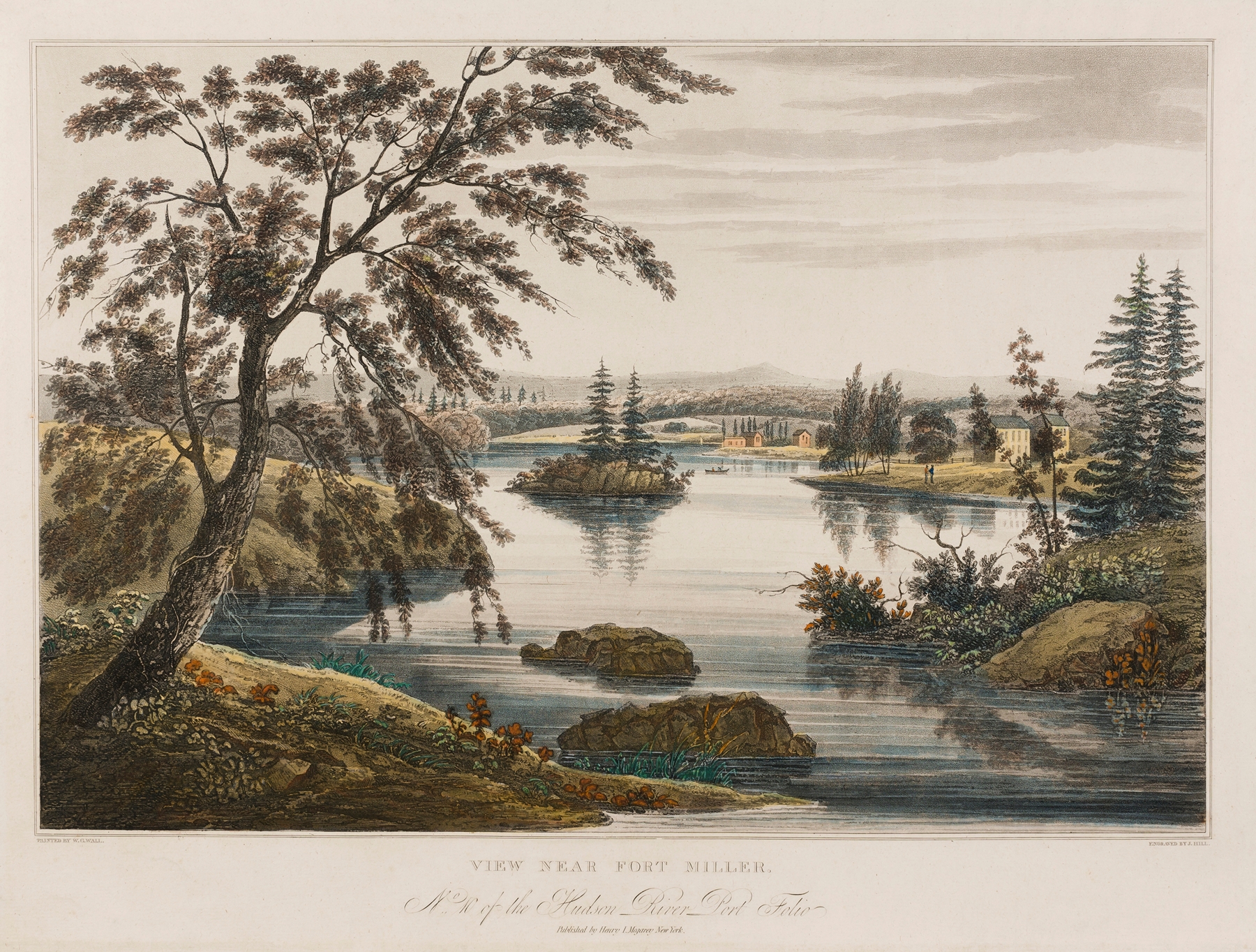
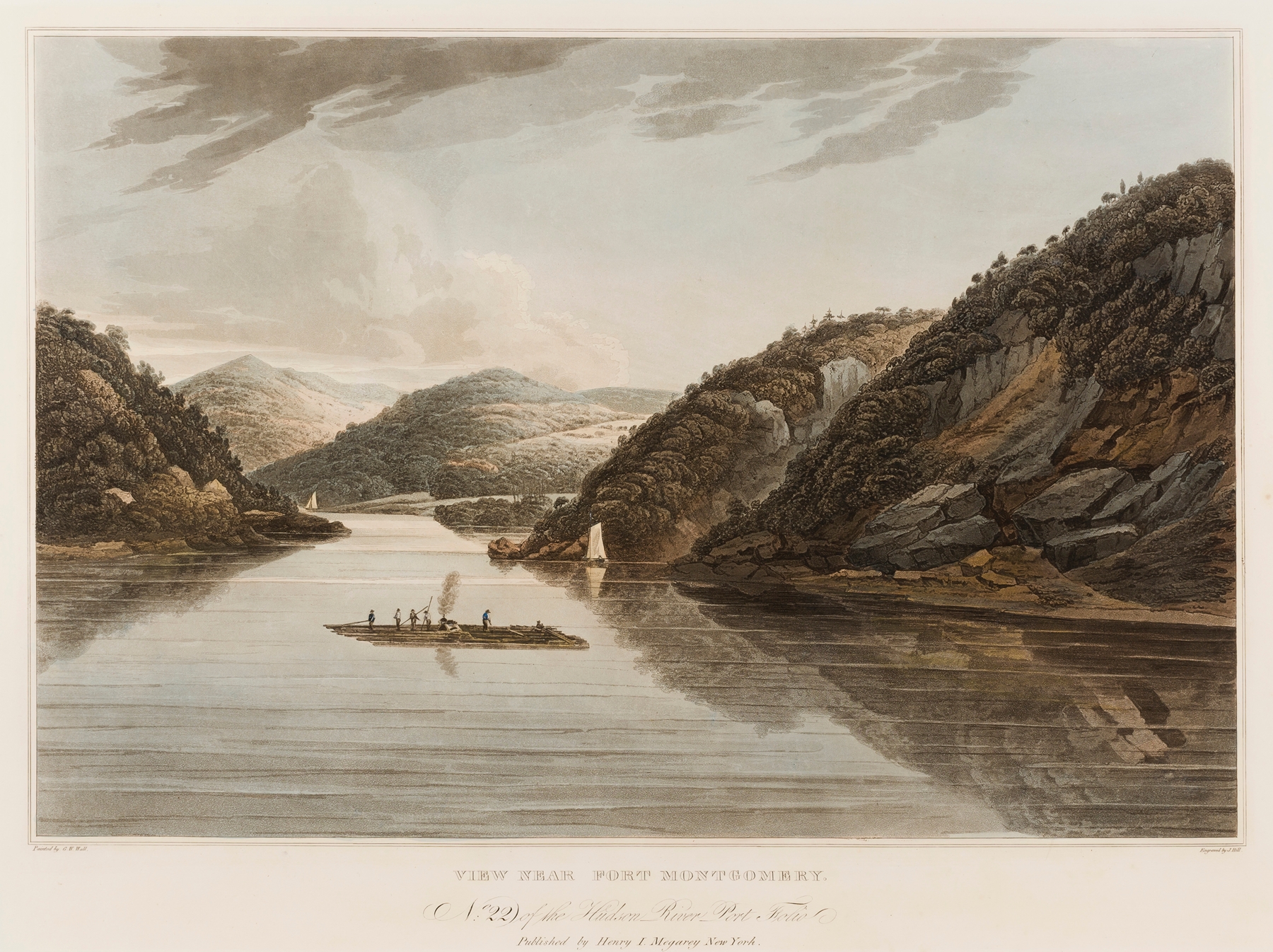
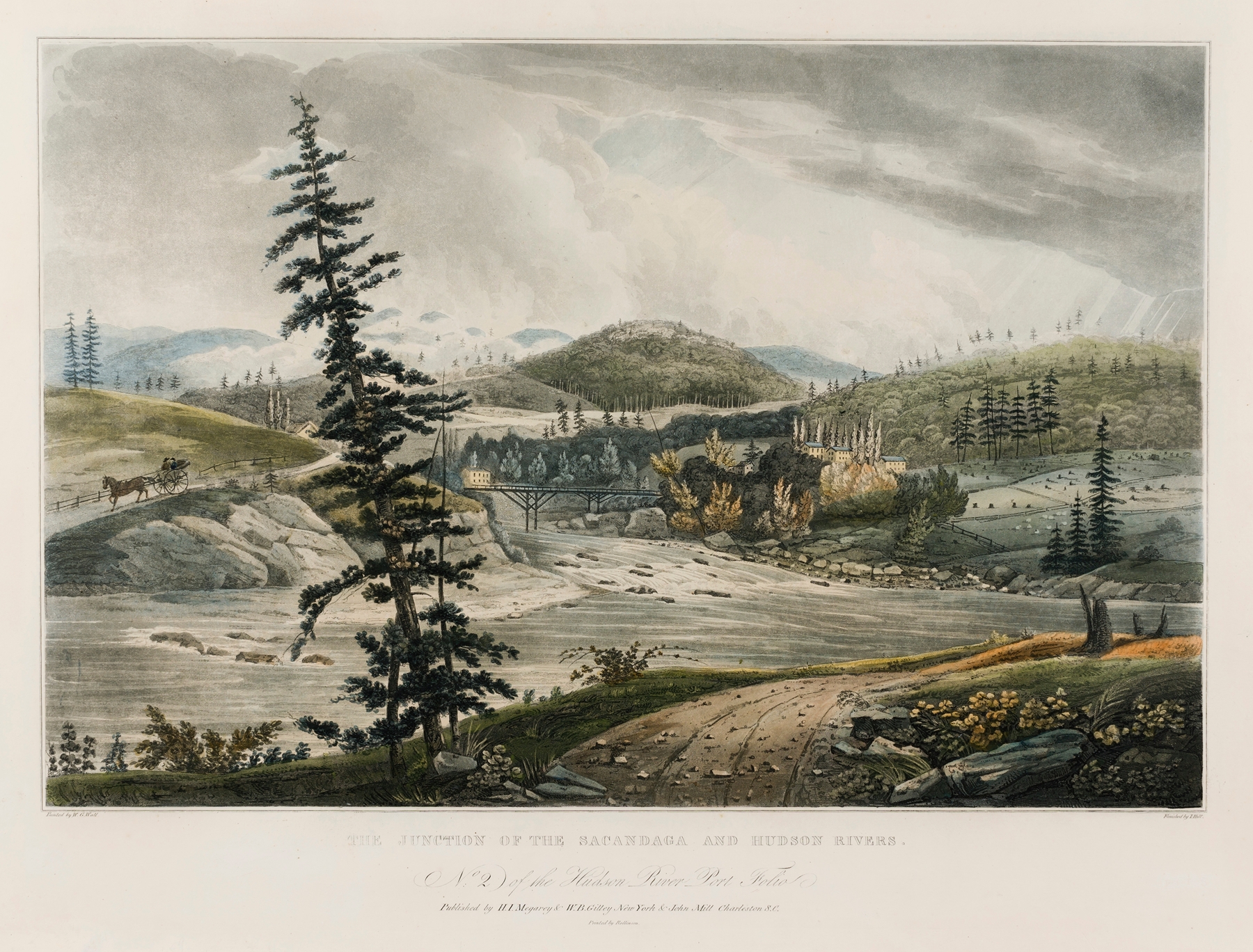
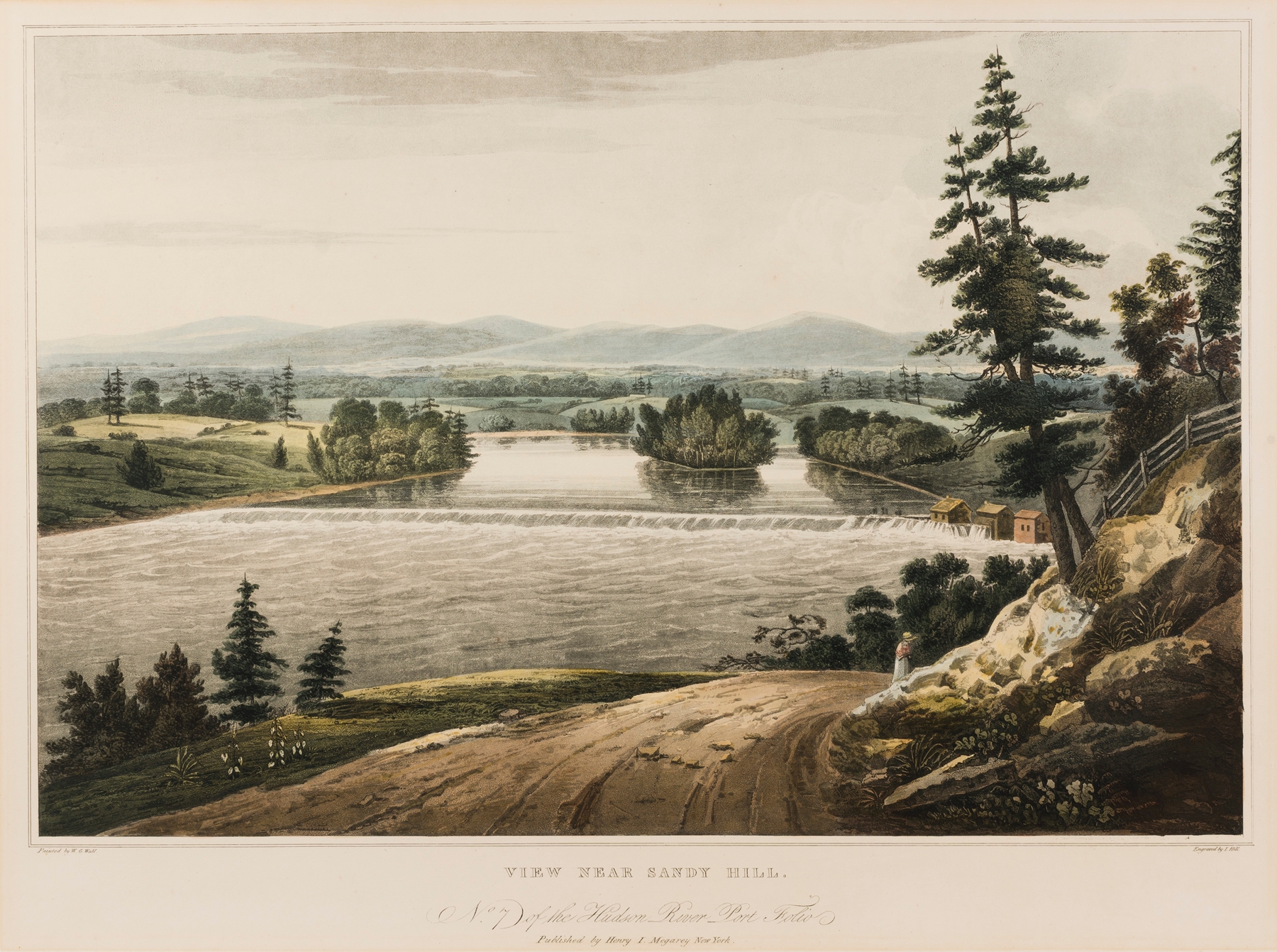
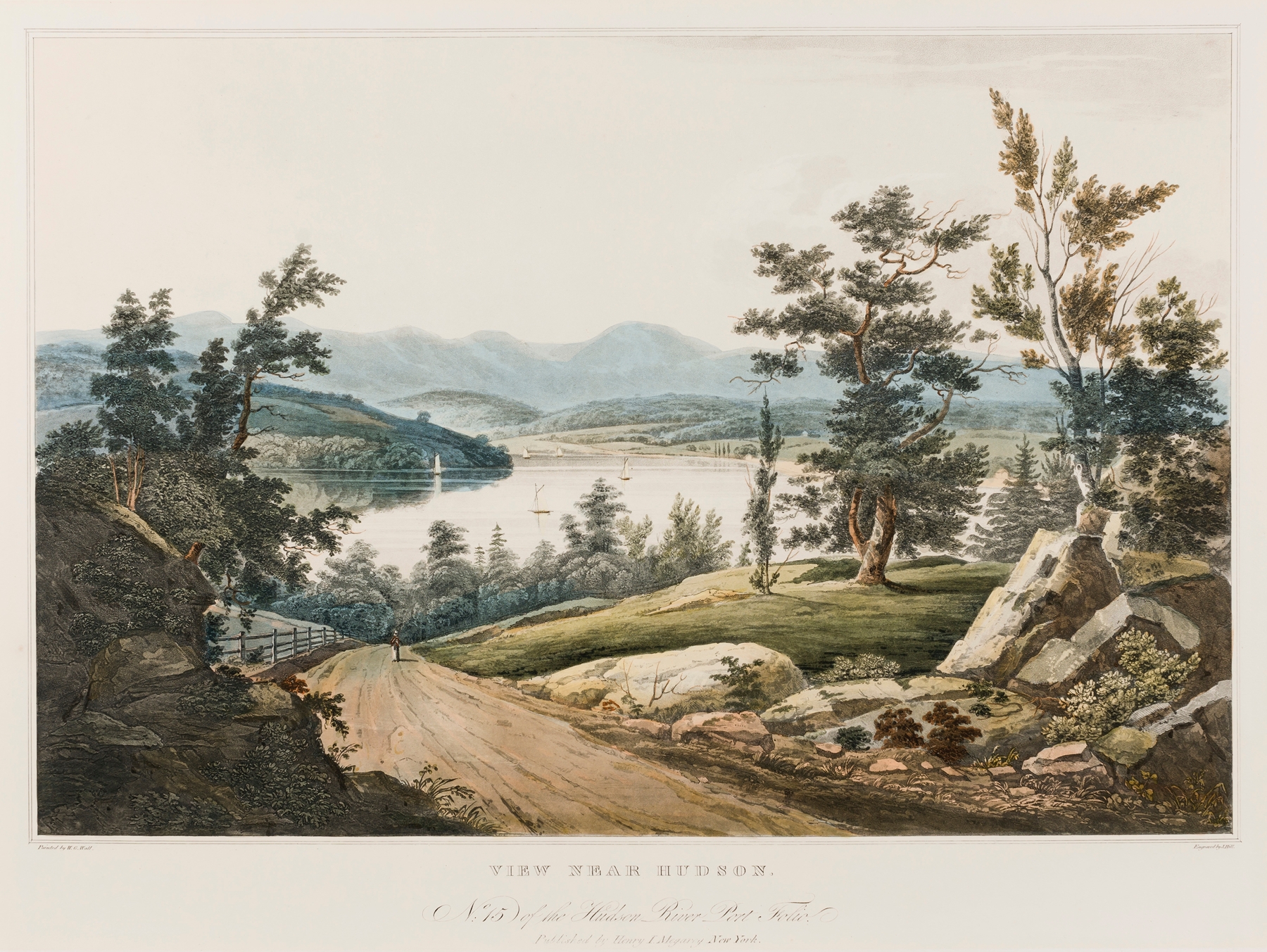
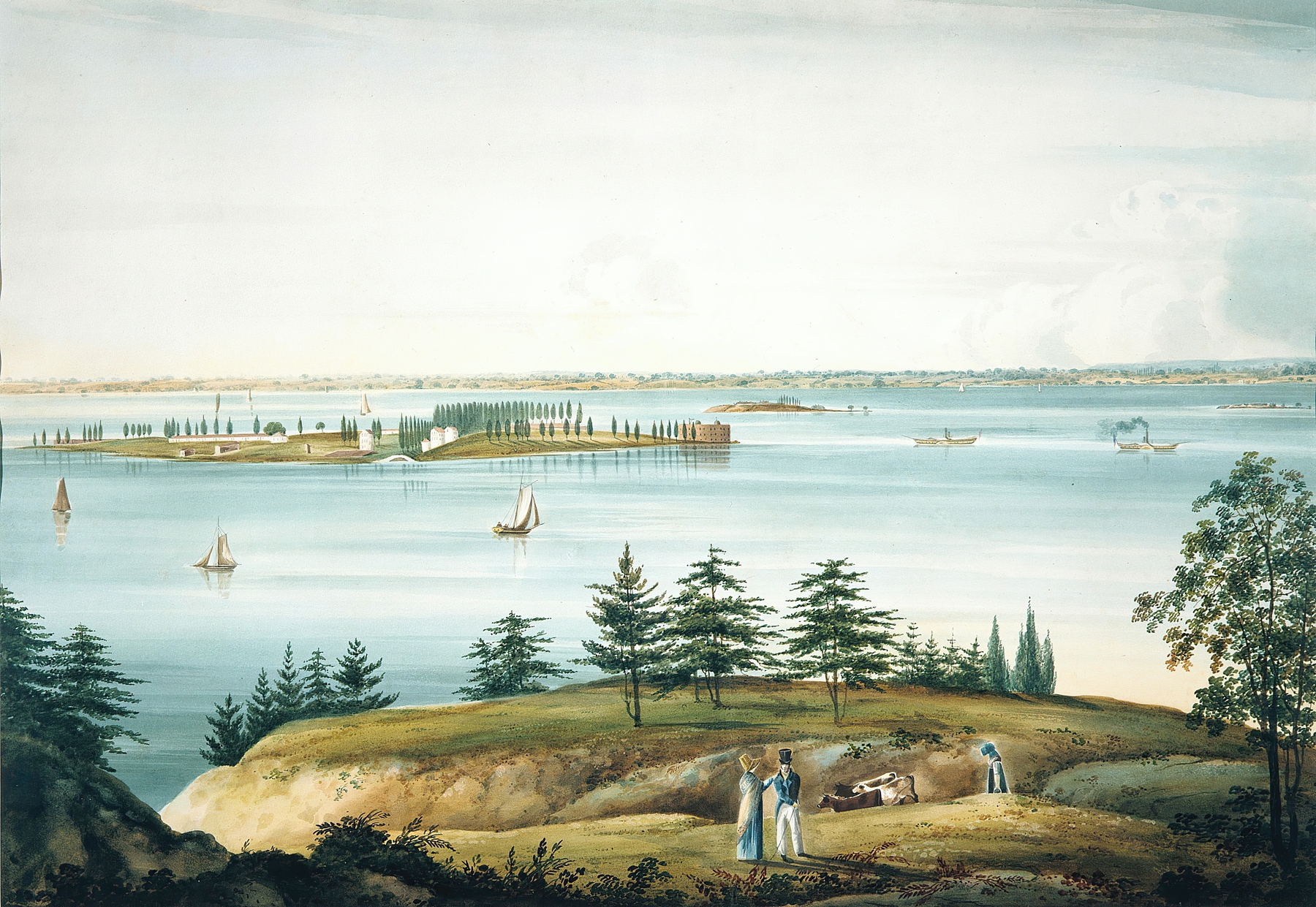
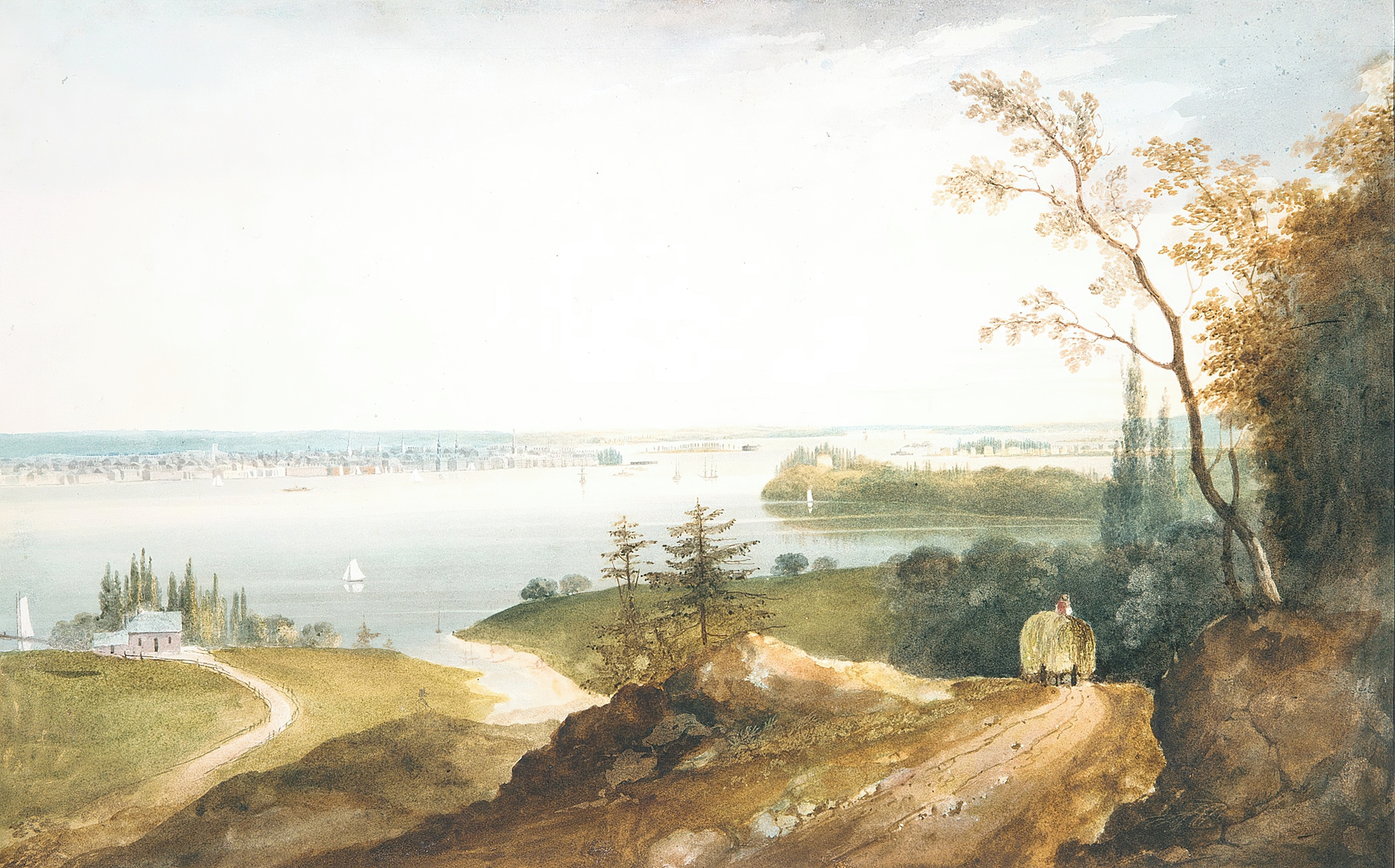
“Under the brush, chaos becomes grace.” This notion lingers in the air as one gazes at the stunning interplay of color in this landscape, where the vibrant hues transform the mundane into the extraordinary. Look to the horizon, where soft cerulean skies melt into rich ochres and earthy greens. Notice how the striking contrast between the deep valley and the distant hills draws your eye, guiding you through layers of depth created by the artist’s deft brushstrokes. The gentle undulations of the landscape are harmonized with dappled sunlight, revealing a joyful embrace of nature that thrives in every corner of the canvas.
Delve deeper and you’ll find a medley of emotional tensions simmering beneath the surface. The juxtaposition of light and shadow speaks to the unpredictability of life, while the winding river reflects a path of turbulent waters, hinting at both challenges and serenity. Each color has its own voice, echoing themes of transition and the passage of time, inviting contemplation of what lies beyond the frame.
In 1825, when this landscape was crafted, the artist found himself in a burgeoning America, rich with exploration and evolving artistic expression. Working in New York, he captured the spirit of the era—where Romantic ideals merged with the raw beauty of the American landscape, marking a significant moment in the nation’s artistic evolution. It was a period that encouraged a deeper connection between viewers and the natural world, a dialogue that View from Fishkill Looking to West Point eloquently facilitates.