View from Theo’s apartment — History & Analysis
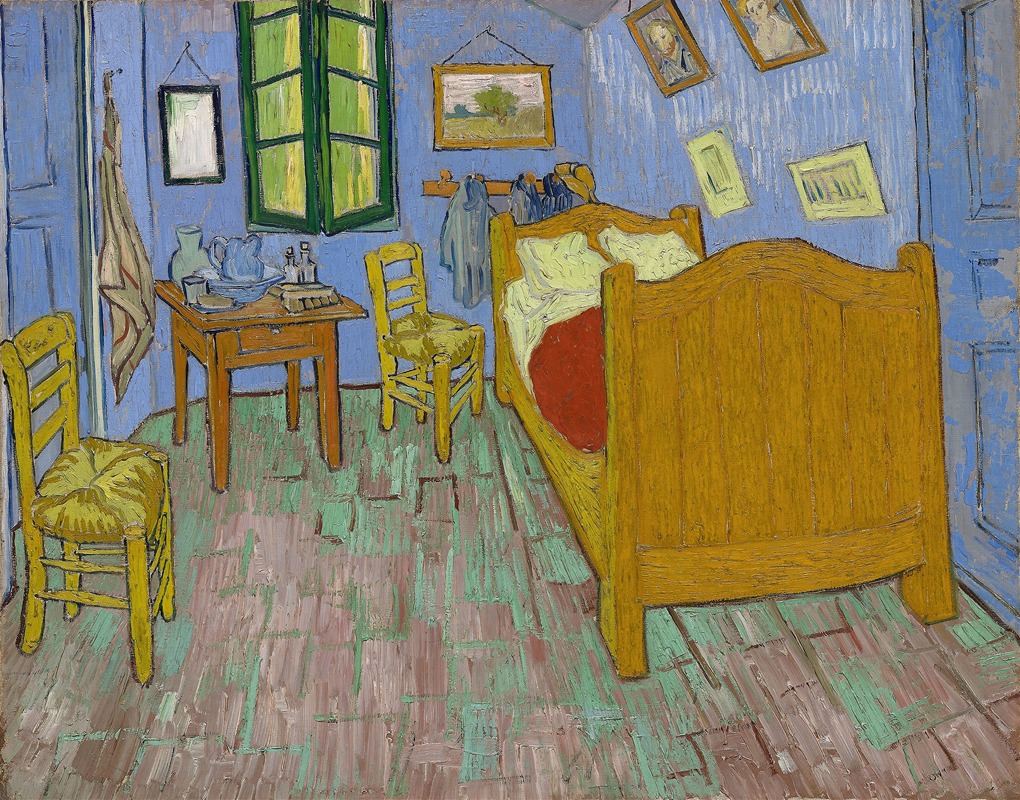
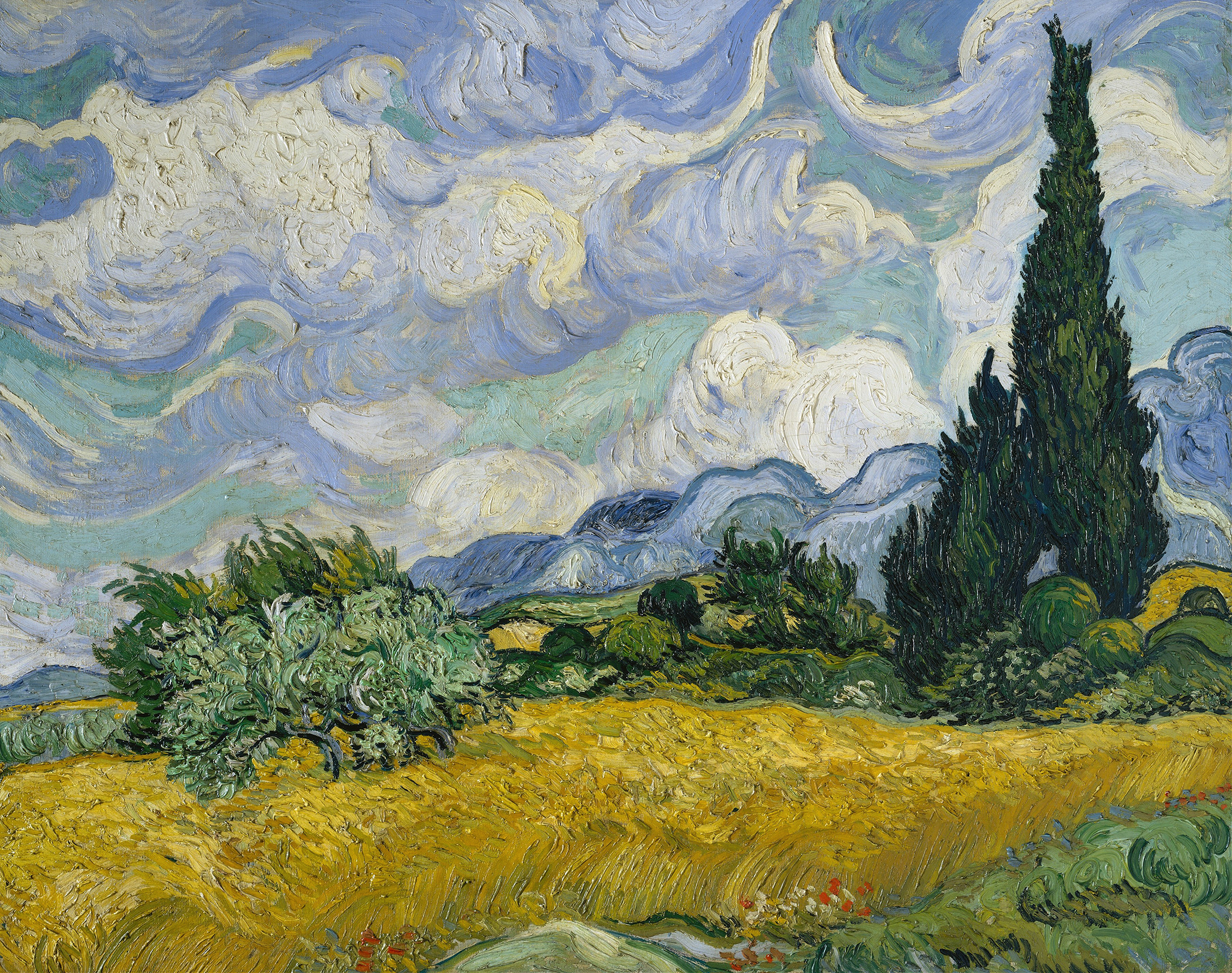
Who listens when art speaks of silence? In the stillness of a room, a world unfolds, whispering stories of longing and solitude through the shadows. Look to the left at the open window, where soft, muted blues contrast with the warm yellows of the interior. The light seeps in, casting gentle shadows that dance across the floor, inviting the viewer's gaze to linger. Notice how the delicate brushwork captures the fleeting quality of light, illuminating the small furnishings and hinting at the life that once animated them.
Each stroke conveys a sense of presence amidst absence, turning a simple view into a profound exploration of solitude. The interplay between light and shadow holds deeper emotional significance, revealing a tension between isolation and connection. The view beyond the window, cloaked in shades of green and brown, represents the outside world that remains just out of reach. It hints at the artist's yearning for companionship while simultaneously reflecting the solitude of his own existence.
The small details, like the unmade bed and the empty chair, speak volumes about life’s quiet moments, where the mundane becomes a canvas for introspection. In this undefined moment, Vincent van Gogh painted this piece during a time of personal struggle, likely in the late 1880s while living in Arles, France. It was a period marked by intense creativity and emotional turbulence, as he sought solace and clarity in his art. The work encapsulates his yearning for connection amidst isolation, a reflection of both his inner turmoil and the overarching themes present in the broader world of post-impressionism.