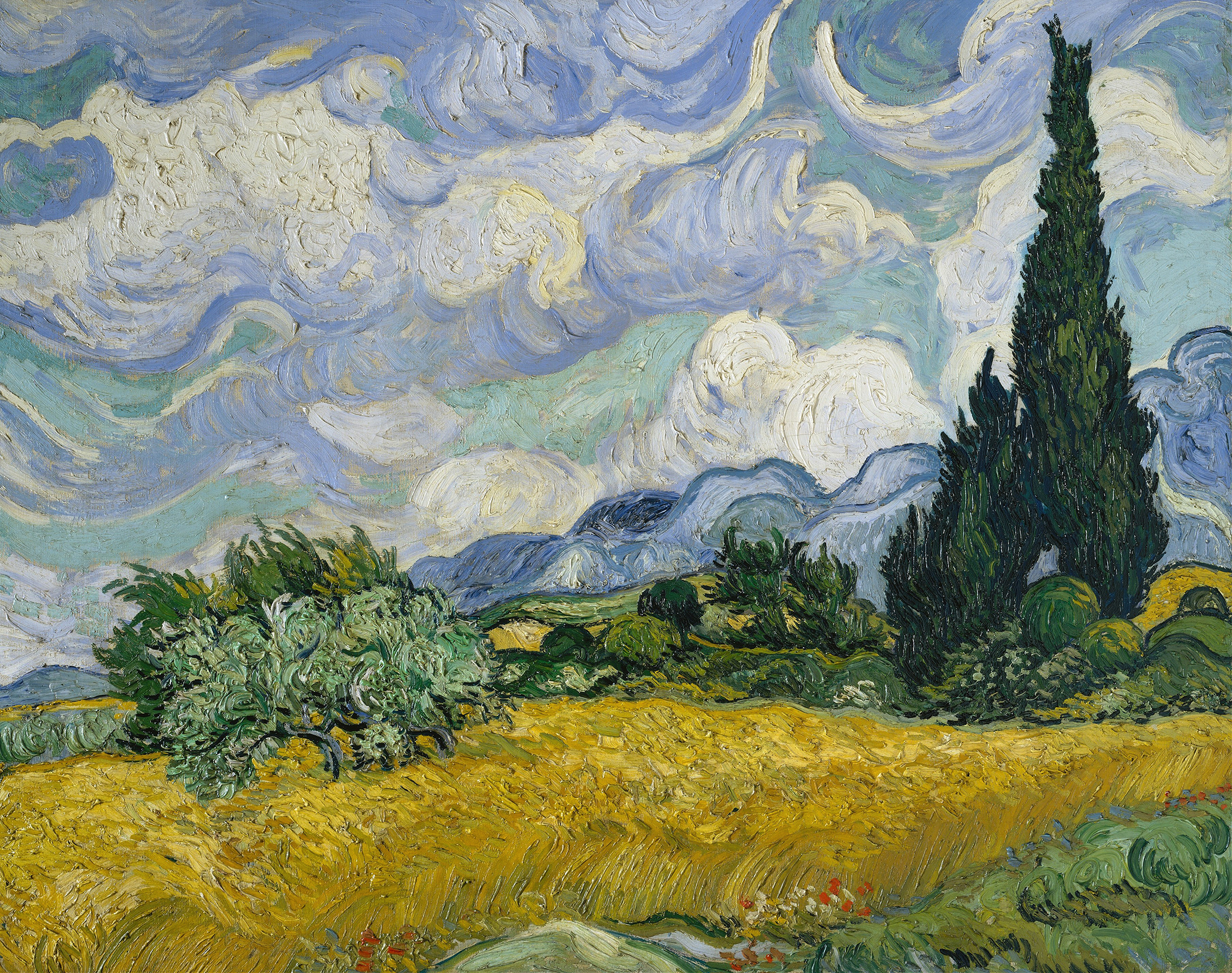
View of Arles with Irises — History & Analysis
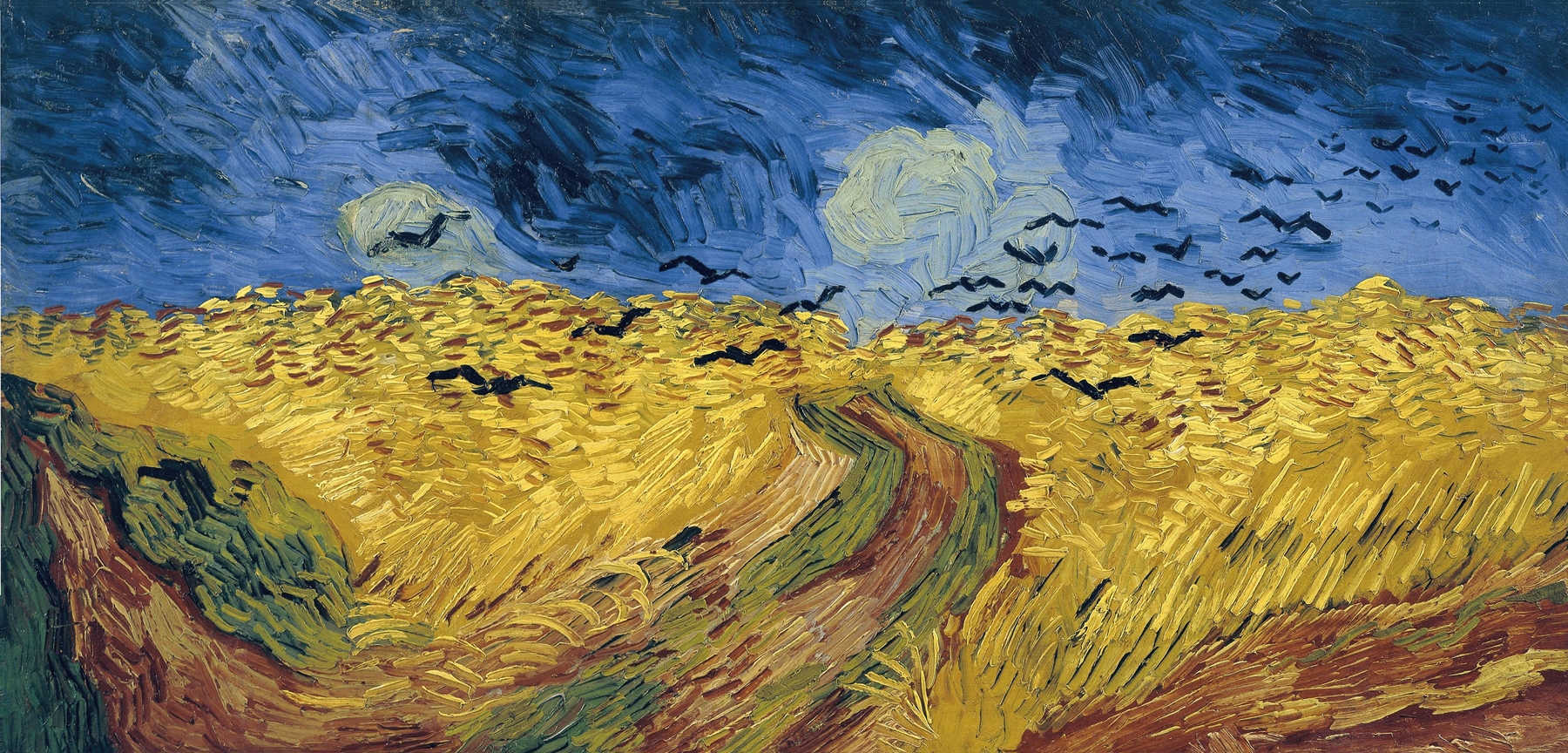
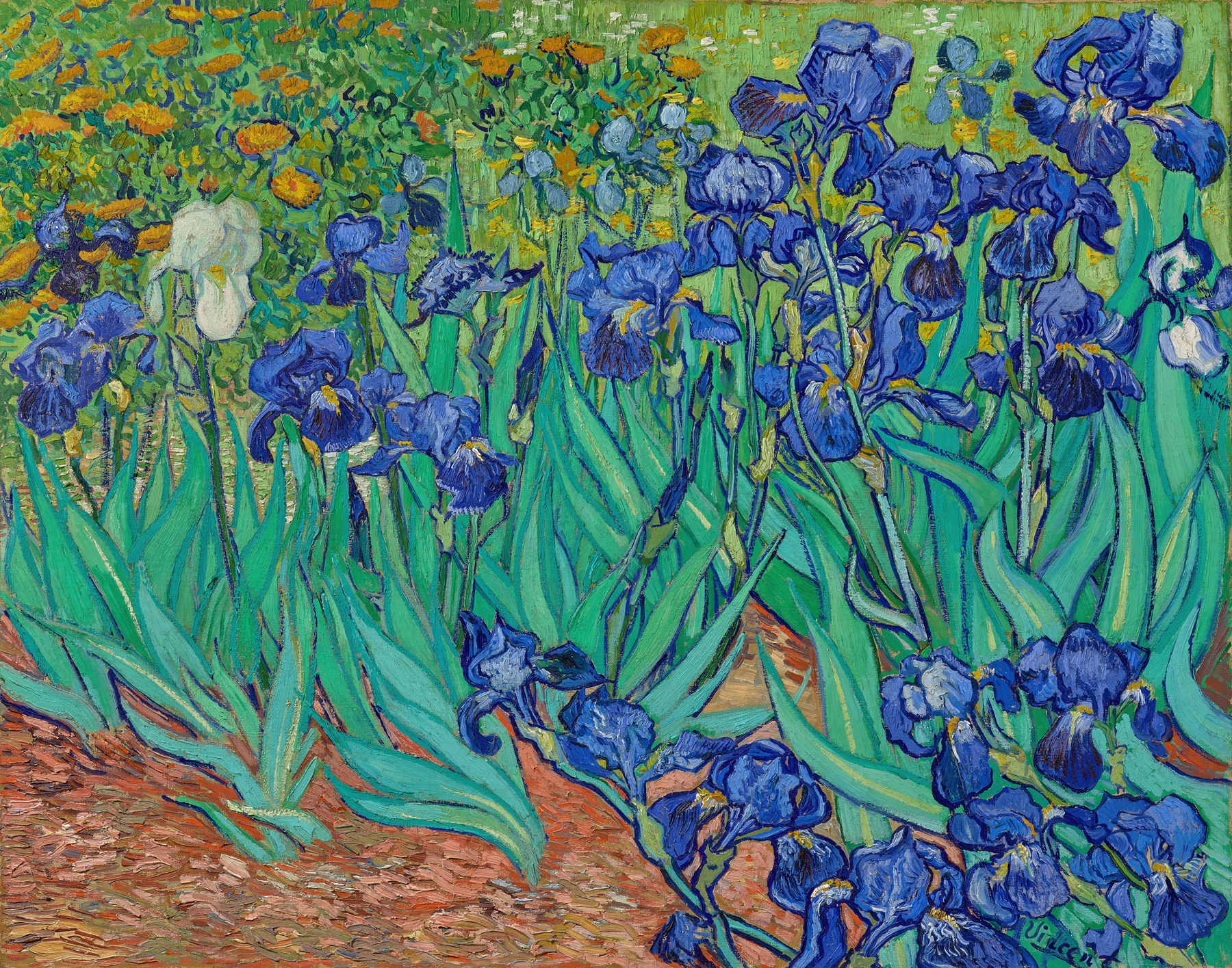
“Under the brush, chaos becomes grace.” In the hands of a master, the tumult of nature transforms into a vibrant symphony of color and emotion, inviting the viewer into a world where every stroke tells a story of revolution. Focus first on the swirling patterns that emerge from the irises, their deep blues and purples dancing against the backdrop of the sunlit fields. Notice how the brushwork creates a rhythmic flow, pulling your gaze across the canvas, inviting you to explore the interplay between wild flora and the tranquil scene of Arles. The bold strokes and saturated hues illustrate not just the landscape but the artist’s fervent spirit, revealing a landscape alive with energy and movement.
Amidst the beauty lies an inherent tension—a contrast between the wildness of the flowers and the serenity of the surrounding fields. While the irises burst forth with unrestrained vitality, the horizon offers a calm, almost meditative balance, symbolizing the artist's struggle between chaos and order. This dualism reflects the very essence of the post-impressionist movement, where personal emotion and unrefined nature collide to create a new language of art.
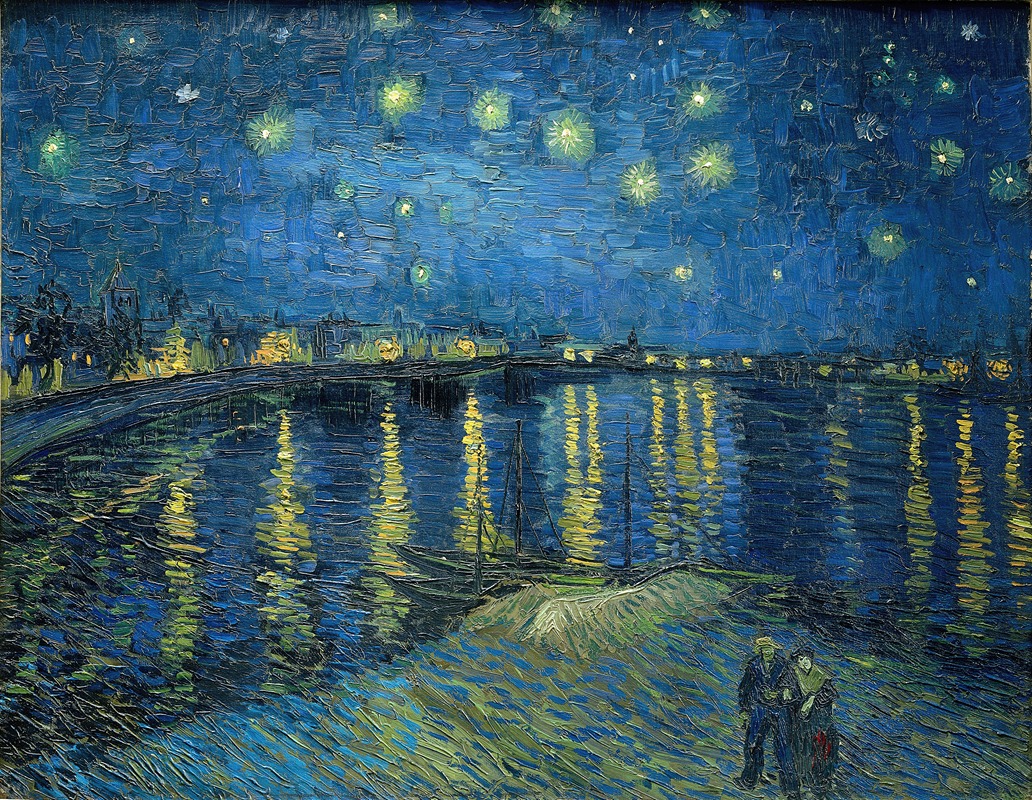
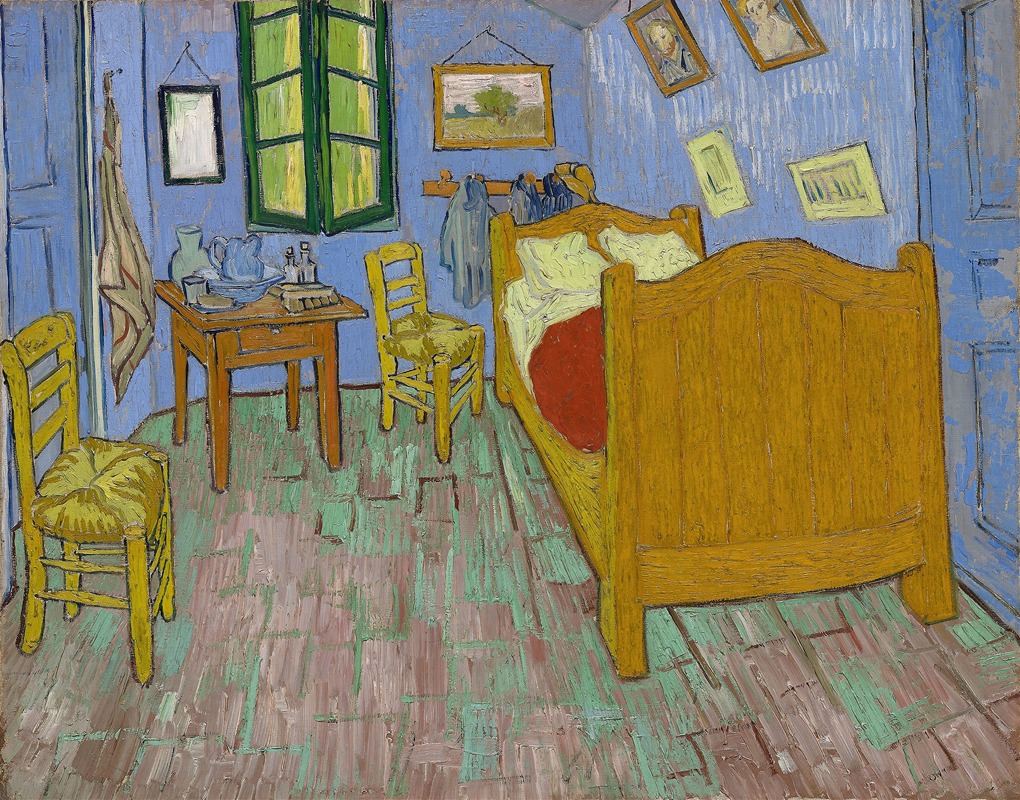
In 1888, while living in Arles, Van Gogh sought to create a community of artists and advance his vision of color and emotion. This period marked a pivotal time for him as he battled mental health challenges, yet it was also a time of prolific creativity, steeped in the revolutionary ideals that would forever change the art world. During this time, he harnessed the intensity of his experiences, which culminated in works like this one, where he embraced the untamed beauty of nature.