View of Auvers — History & Analysis
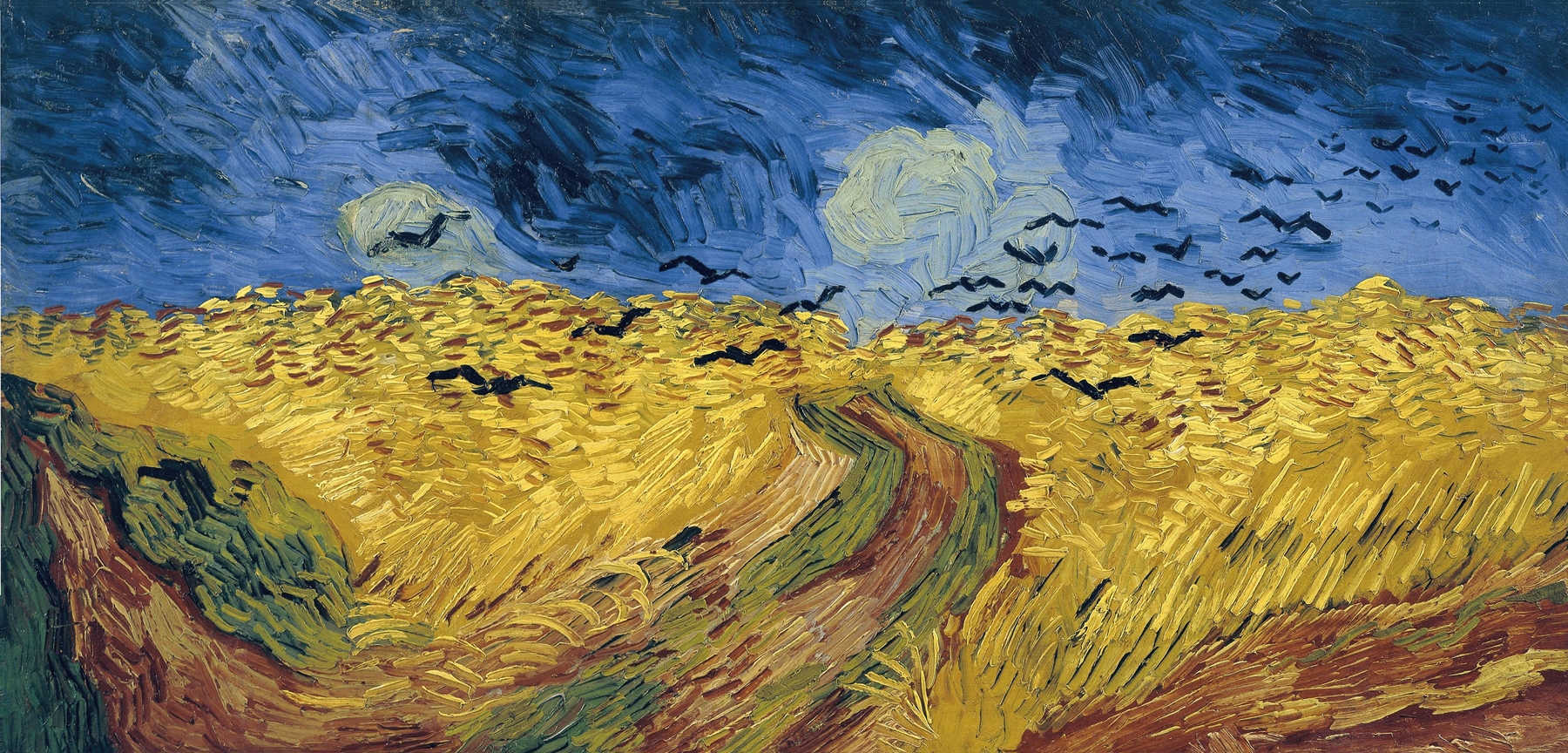
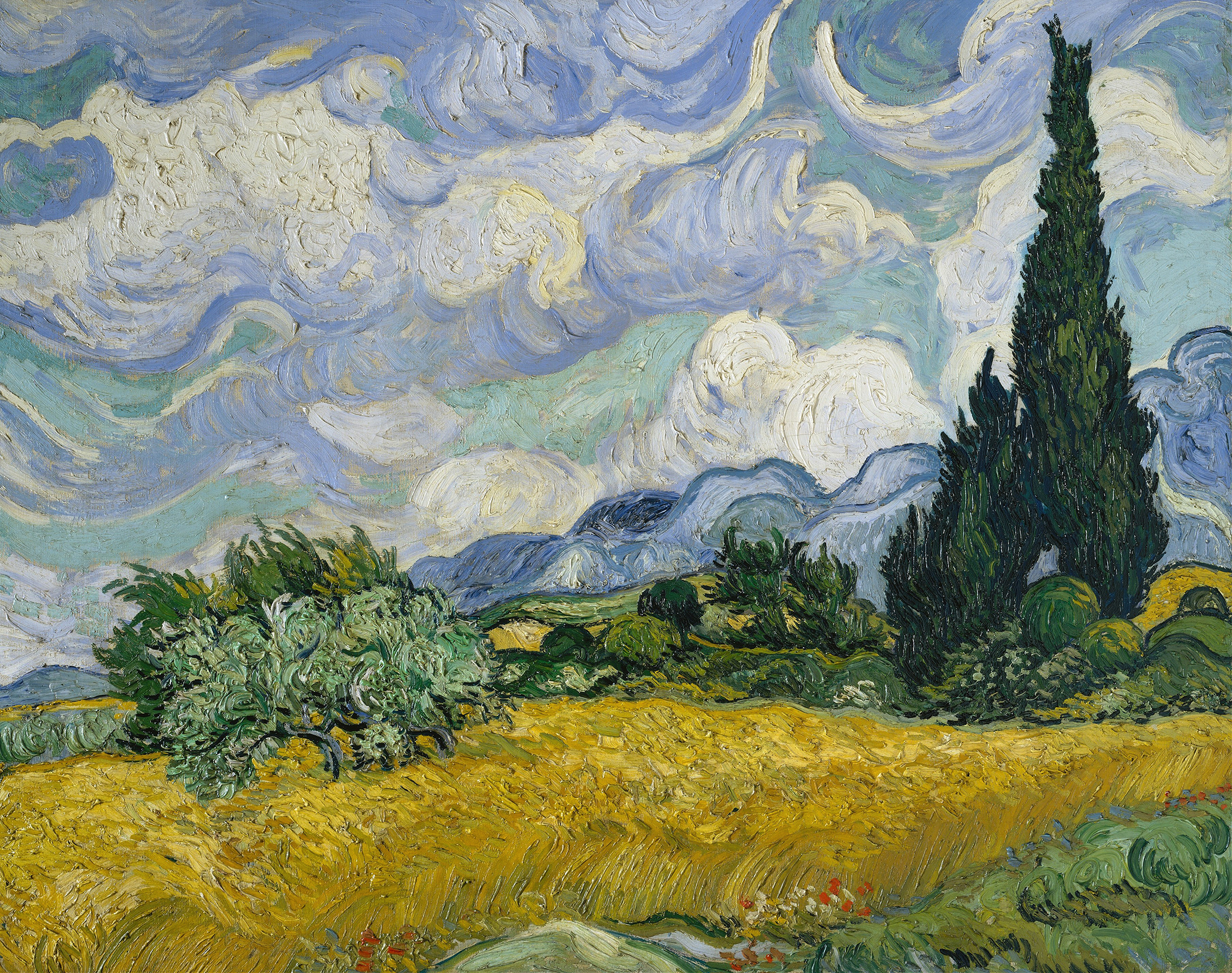
Can beauty exist without sorrow? In View of Auvers, the landscape unfurls in vivid, swirling colors that pulse with a quiet yet palpable tension. It invites viewers to ponder the thin veil between tranquility and turmoil inherent in nature and existence itself. Look to the left, where the fields of wheat sway under a brooding sky, each brushstroke a testament to the artist’s emotional state.
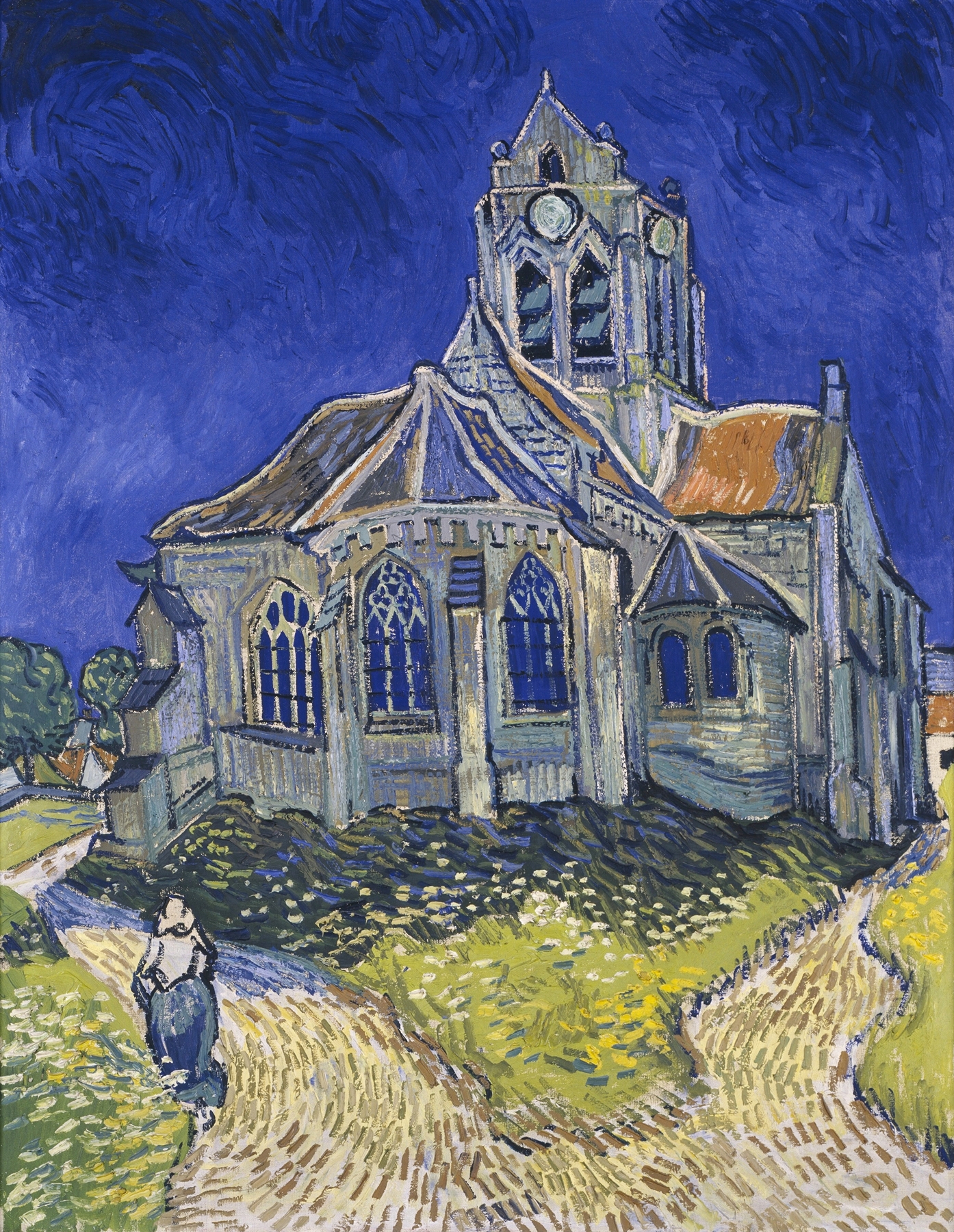
Notice how the thick, impasto strokes create movement, lending the landscape a sense of urgency, as if the earth itself is alive and restless. The contrasting hues of vibrant greens and muted browns interplay, capturing both the beauty of the countryside and an undercurrent of violence that simmers just below the surface. In the distance, the church looms, its steeple a rigid contrast to the otherwise fluid environment. This juxtaposition symbolizes both hope and despair, embodying a struggle between spiritual solace and the weight of existence.
The shadows cast across the fields seem to whisper of conflicts hidden within the pastoral beauty, an ever-present reminder of the artist’s own turbulent life. Each element—the sky, the earth, the structures—interacts, reflecting Van Gogh's inner turmoil, revealing a world at odds with itself. Created in the final months of his life in 1890, this painting emerged from Van Gogh's time in Auvers-sur-Oise, where his mental health fluctuated amid a burgeoning artistic era. As he grappled with personal demons and a relentless quest for beauty, the piece stands as both a farewell and a testament to his enduring spirit, encapsulating his complex relationship with art and the world around him.