View of Harlech Castle, North Wales — History & Analysis
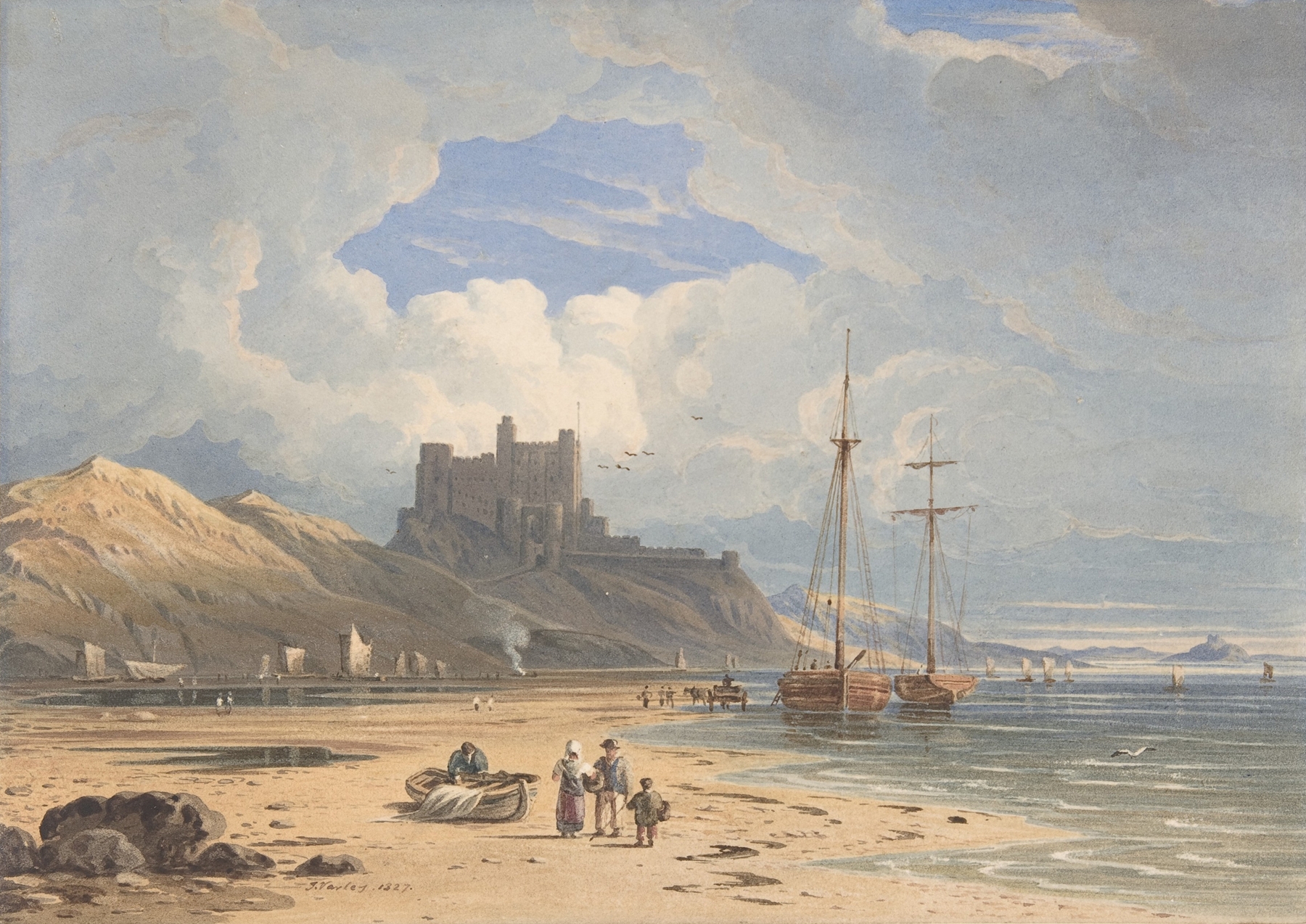
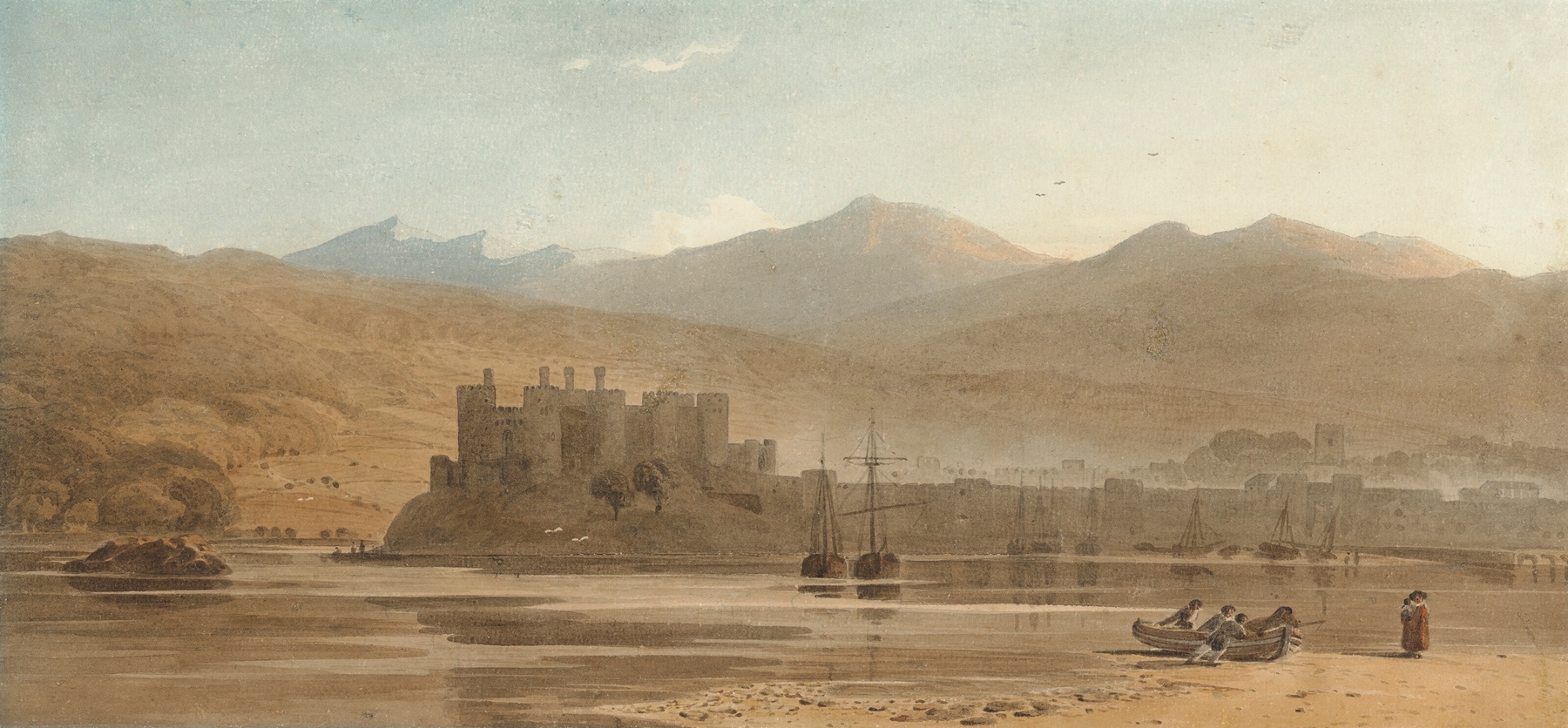
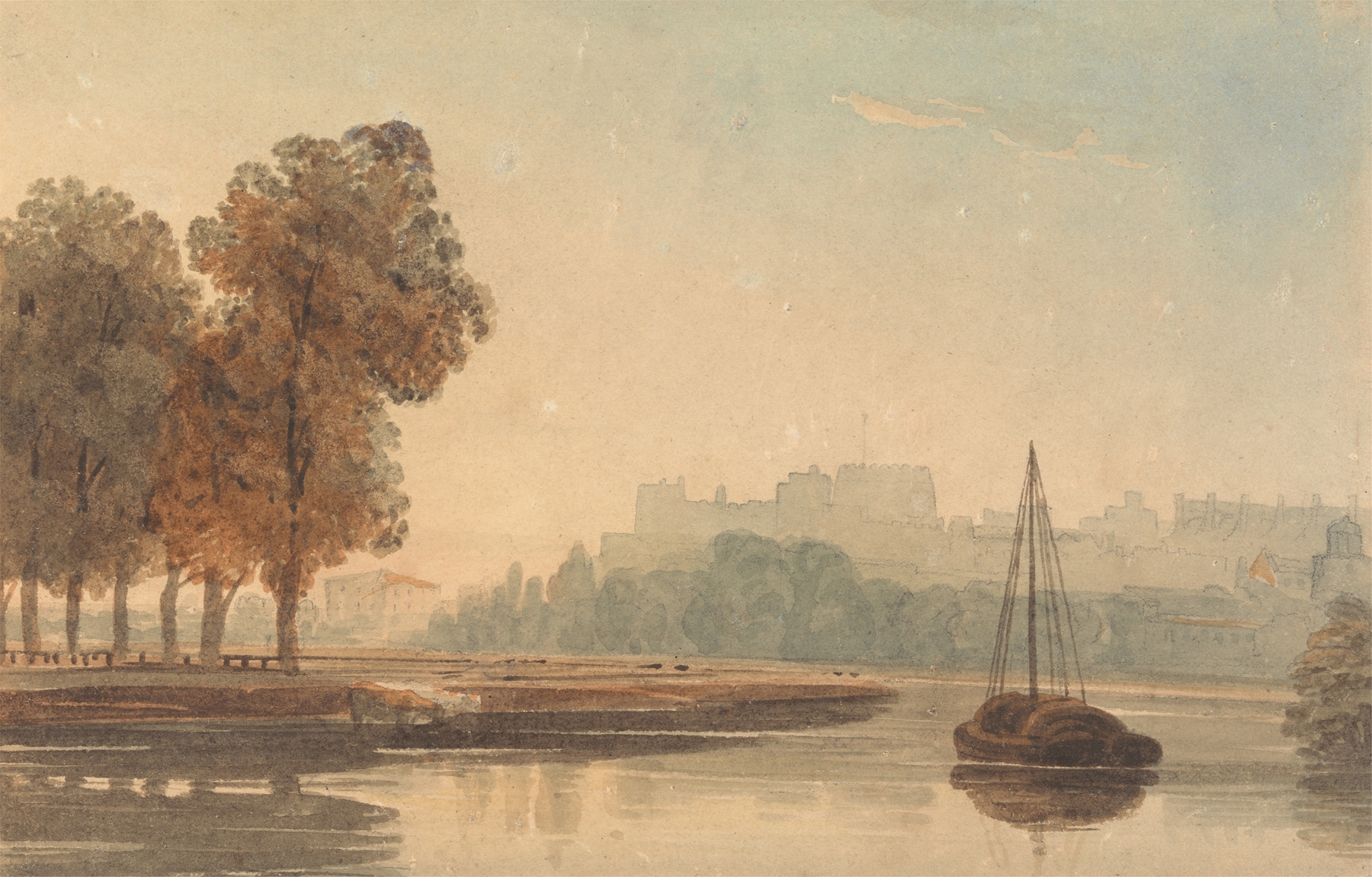
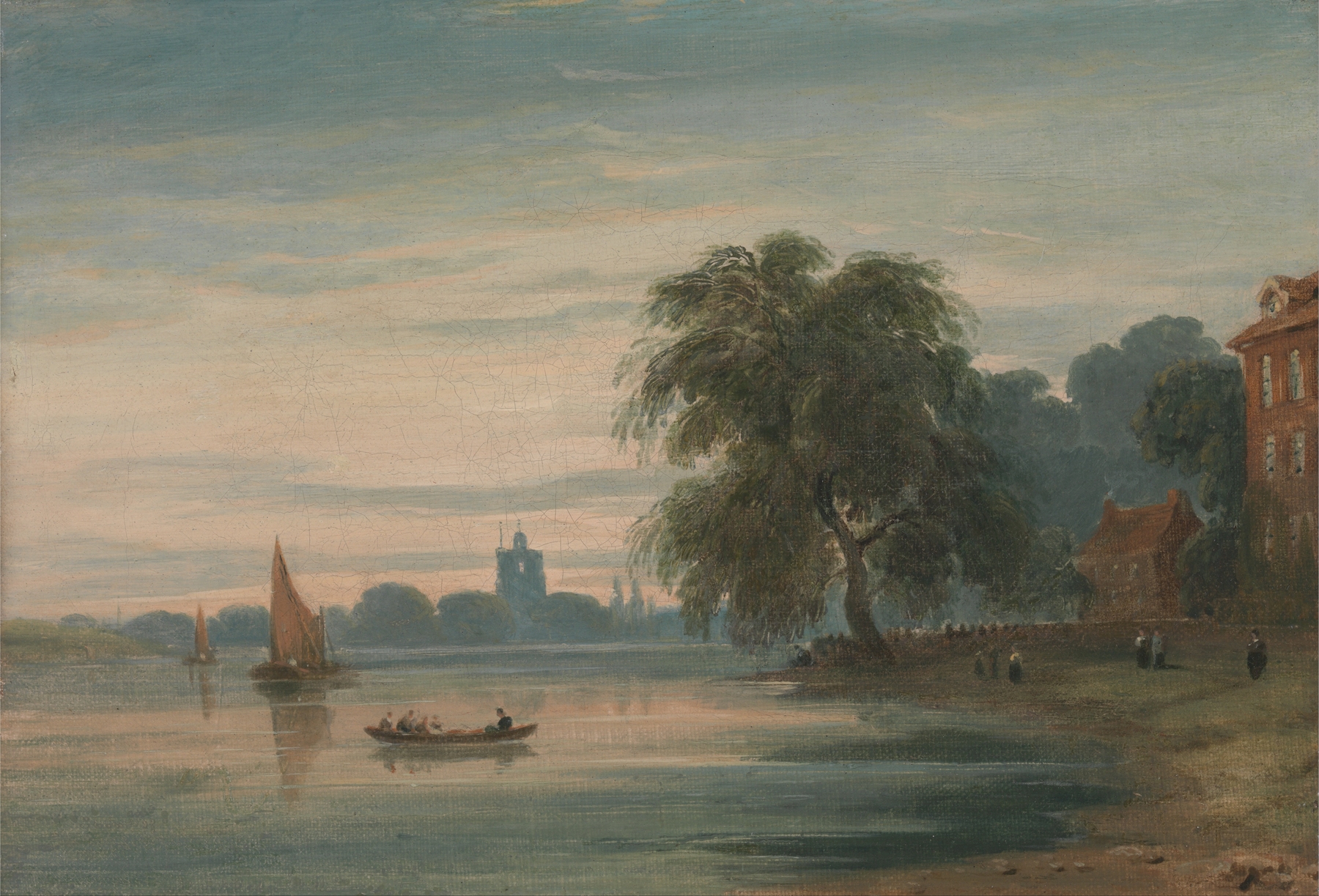
“Sometimes beauty is just pain, disguised in gold.” In the landscape of artistry, the allure of a captivating scene often conceals a deeper legacy beneath the surface. This tension between beauty and sorrow invites contemplation as we engage with nature’s splendor, revealing hidden depths that resonate through time. Look closely at the foreground, where the lush grasses sway gently under an unseen breeze, their vibrant greens contrasting with the castle’s imposing stone façade. Notice how the artist skillfully employs light to illuminate the castle's turrets, casting long shadows that evoke a sense of mystery and history.
The soft, pastel hues of the sky whisper of twilight, inviting you to linger in the quietude of the moment while the meticulously crafted clouds suggest a world beyond the canvas. Within this view lies a poignant narrative of resilience and impermanence. The castle, a symbol of strength, stands guardian over the landscape, yet its crumbling walls hint at the passage of time and the inevitable decay of human constructs. The interplay of light and shadow encapsulates both the beauty of nature and the bittersweet reality of legacy, compelling us to reflect on what endures and what fades into oblivion.
In 1823, John Varley painted this scene during a period marked by a growing fascination with landscape as a subject. Living in England amidst the Romantic movement, Varley captured the essence of his surroundings while grappling with the societal transformations of his time. His work reflects an engagement with both the sublime beauty of the Welsh landscape and the historical significance of its landmarks, positioning him as an important figure in the evolution of British watercolor painting.