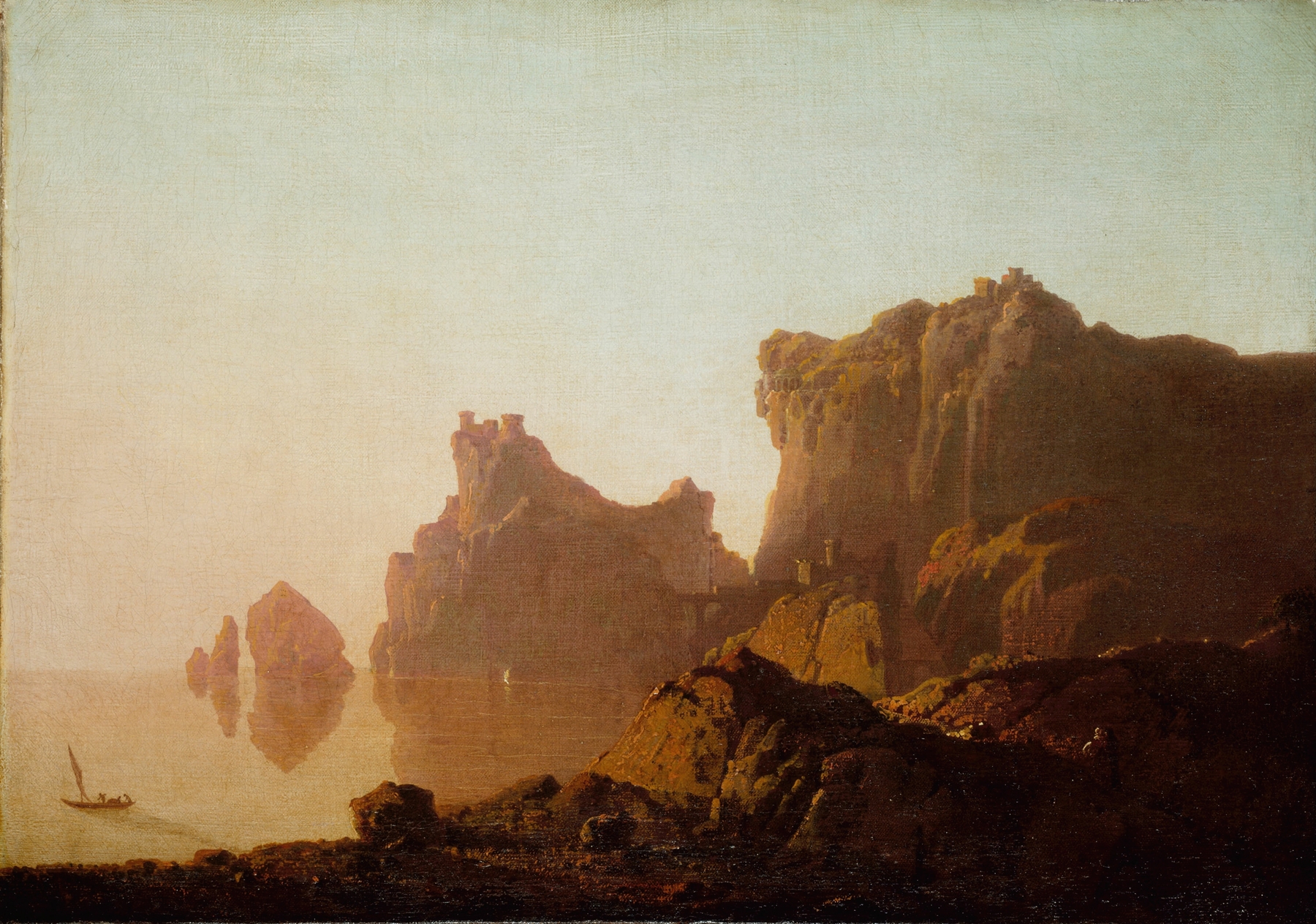
View of San Felice Circeo, Near Gaeta — History & Analysis
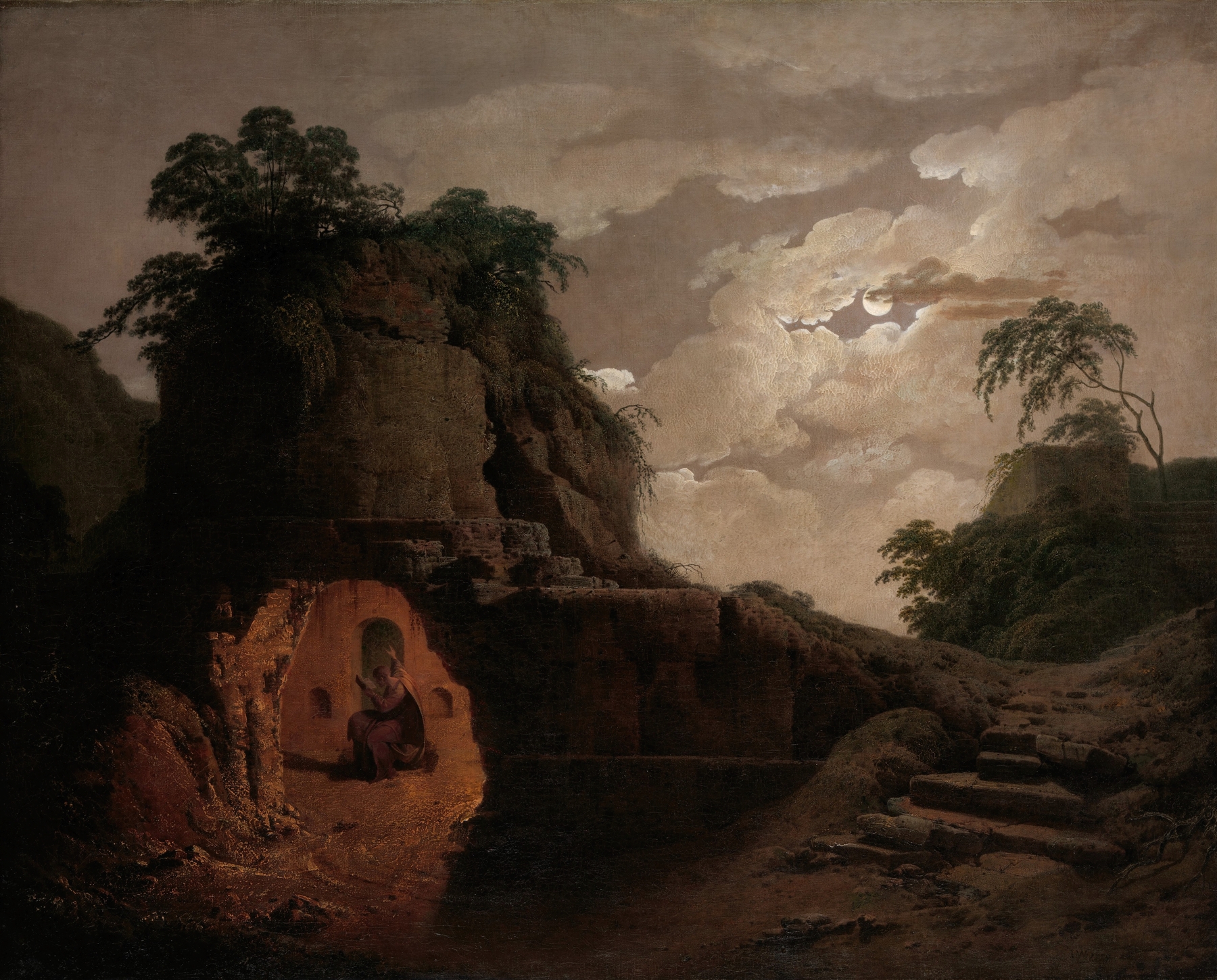
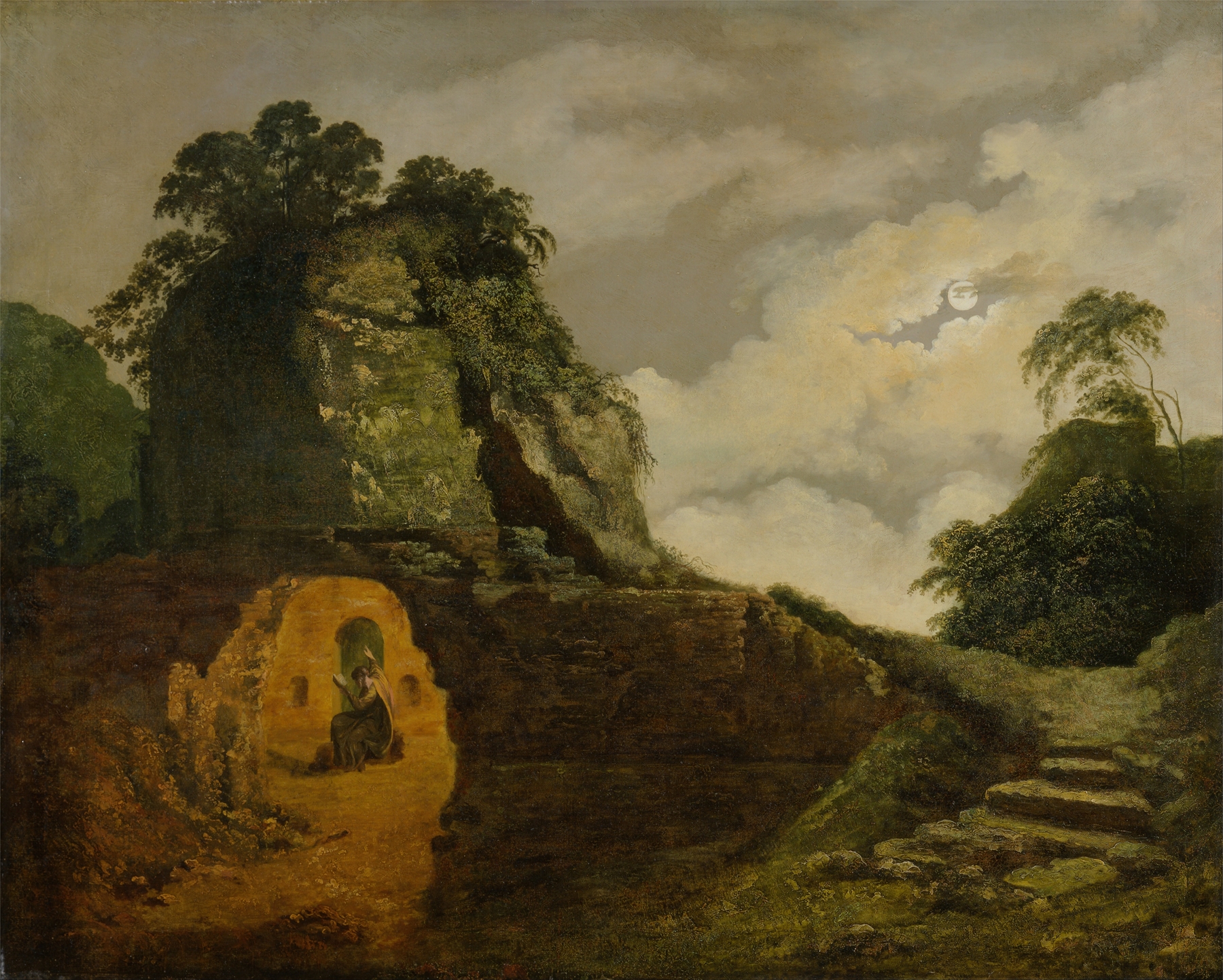
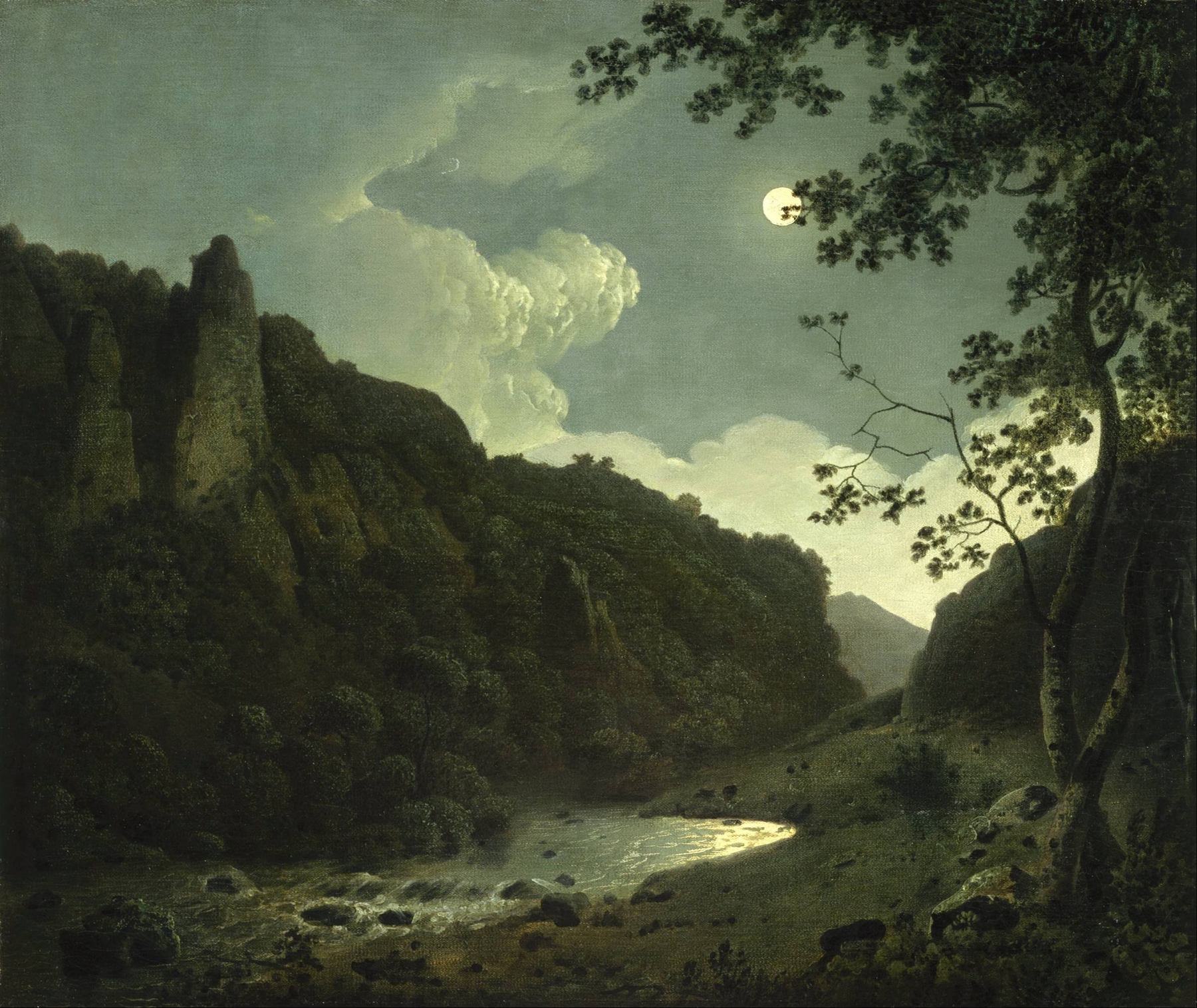
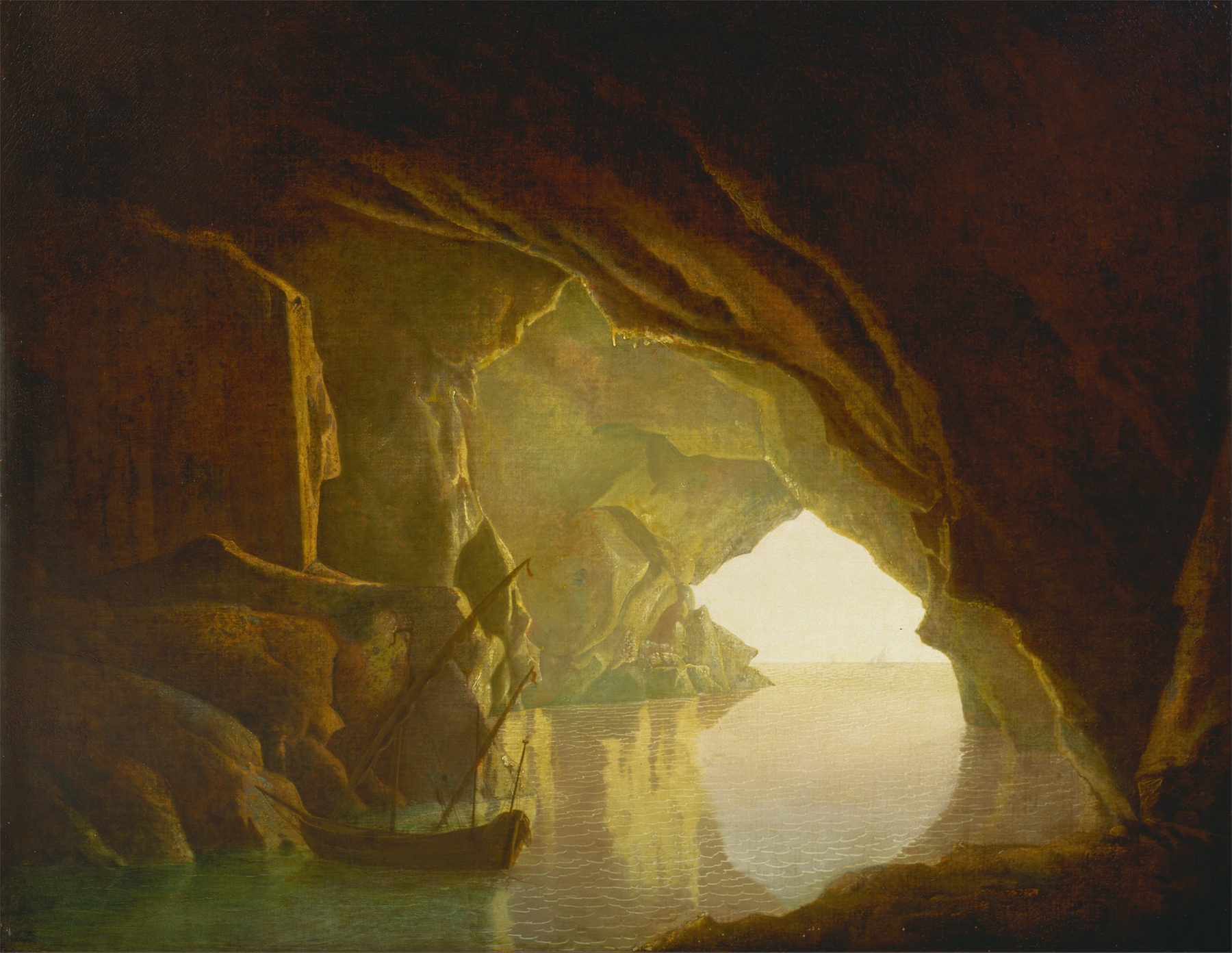
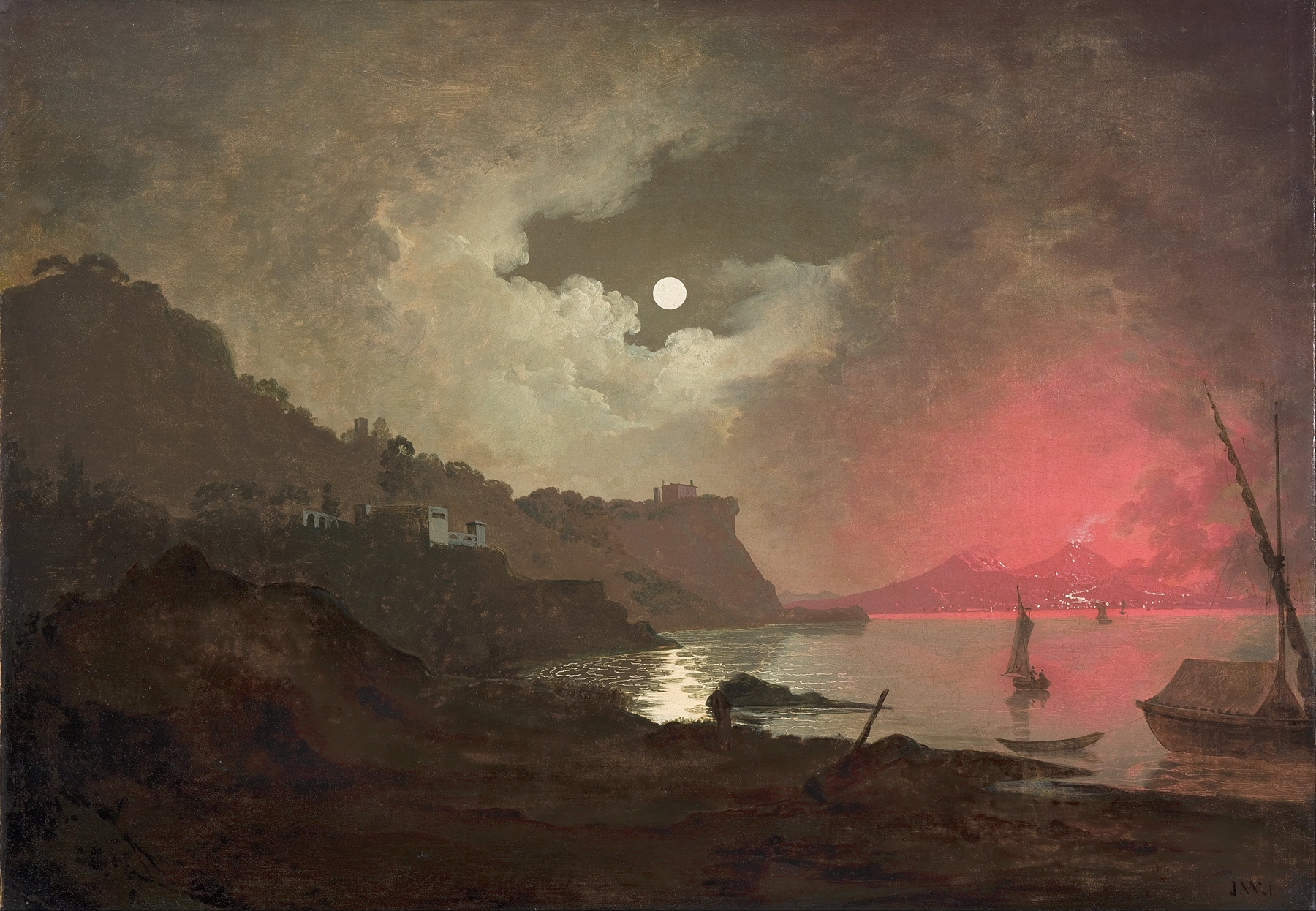
“The canvas doesn’t lie — it simply waits.” In the interplay between shadow and illumination, we find a world suspended in time, a moment captured yet forever inviting exploration. Look to the horizon, where the soft hues of dawn emerge, bathing the coastal landscape in a gentle embrace. The warm tones of golden yellow and soft oranges blend seamlessly with cooler blues of the sea and sky, creating a visual harmony that draws the eye. Notice how the light dances across the undulating hills, accentuating their contours while casting elongated shadows that stretch toward the viewer, establishing depth and perspective.
The village nestled in the foreground, with its quaint structures, offers a sense of scale, grounding the ethereal beauty of nature. Beneath the serene surface lies a tension between tranquility and the unknown. The scattered clouds hint at a fleeting moment, perhaps suggesting a brewing storm or an impending change, while the calm waters reflect this duality, both mirroring the sky and concealing secrets below. Each brushstroke captures not just the physicality of the landscape but also an emotional resonance associated with solitude, beauty, and contemplation.
Joseph Wright of Derby created this work during a period of artistic exploration in the late 18th century, when Romanticism began to emerge. While the exact date of this painting remains uncertain, the artist was known for his fascination with light and natural landscapes. Living amidst the Enlightenment, he sought to elevate the sublime and engage viewers with both the beauty of nature and the complexities of human emotions.