View of Vessenots Near Auvers — History & Analysis
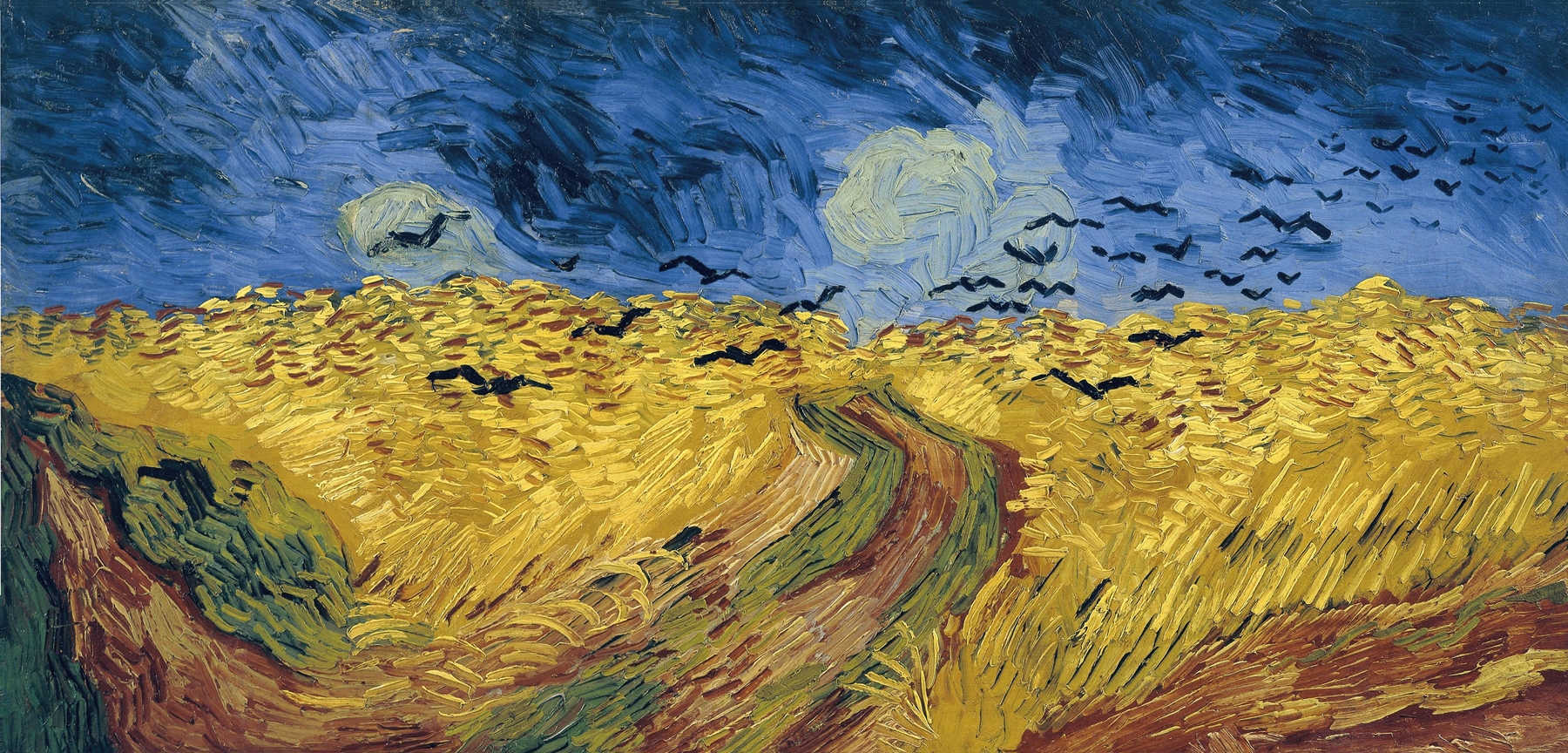
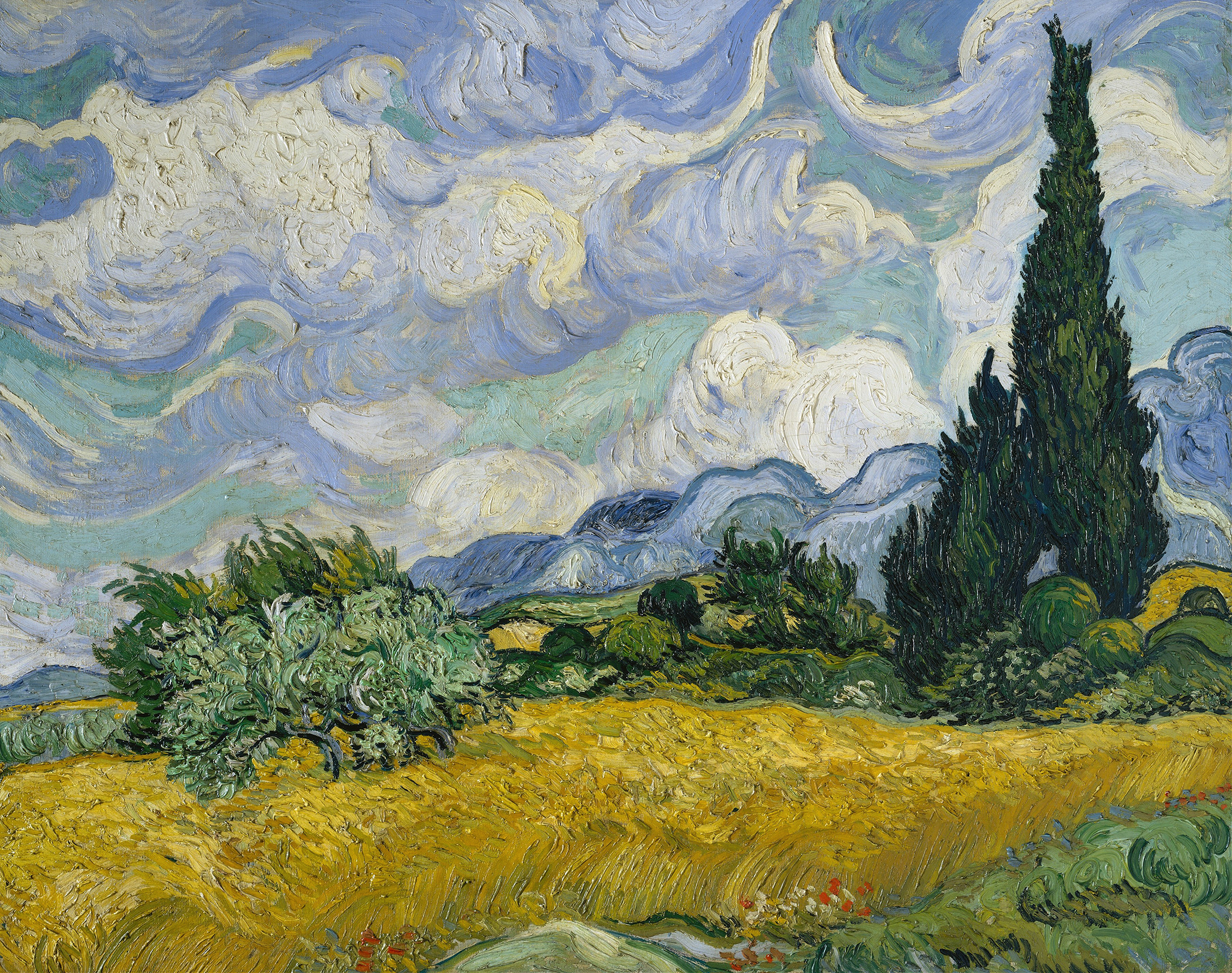
What secret hides in the quiet of the canvas? The View of Vessenots Near Auvers beckons us to enter a world where stillness converses with nature, inviting us to contemplate the serene beauty of rural life. Look to the left at the undulating fields, painted with thick strokes of vibrant greens and yellows that pulse with life under the midday sun. The sky, a whirl of cerulean blues and soft whites, stretches expansively above, while gentle clouds drift as if caught in a moment of reflection. Notice how the short, rhythmic brushwork creates a textured surface, inviting your fingers to trace the path of the winding road that leads deep into the landscape.
The composition draws the eye toward the horizon, suggesting not just a view, but a journey. Delving deeper, the painting captures both tranquility and silent anticipation. The distant cottages nestled among the fields evoke a sense of belonging, yet the absence of human figures imparts an unsettling loneliness. Here, the juxtaposition of vibrant life against the stillness of the scene suggests that serenity comes with layers, concealing a story of solitude beneath its surface.
The interplay of light and shadow hints at the transient nature of time, reminding us that even in quiet moments, change is always on the cusp of arrival. In the summer of 1890, Van Gogh created this work during his time in Auvers-sur-Oise, a village that offered him both inspiration and turmoil. Struggling with his mental health and grappling with the implications of his artistic journey, he sought solace in capturing the landscapes around him. This piece emerged from a period of intense introspection, enriched by his desire to convey emotion through color and form, reflecting the artist’s profound connection to the world, even as he faced his own inner demons.