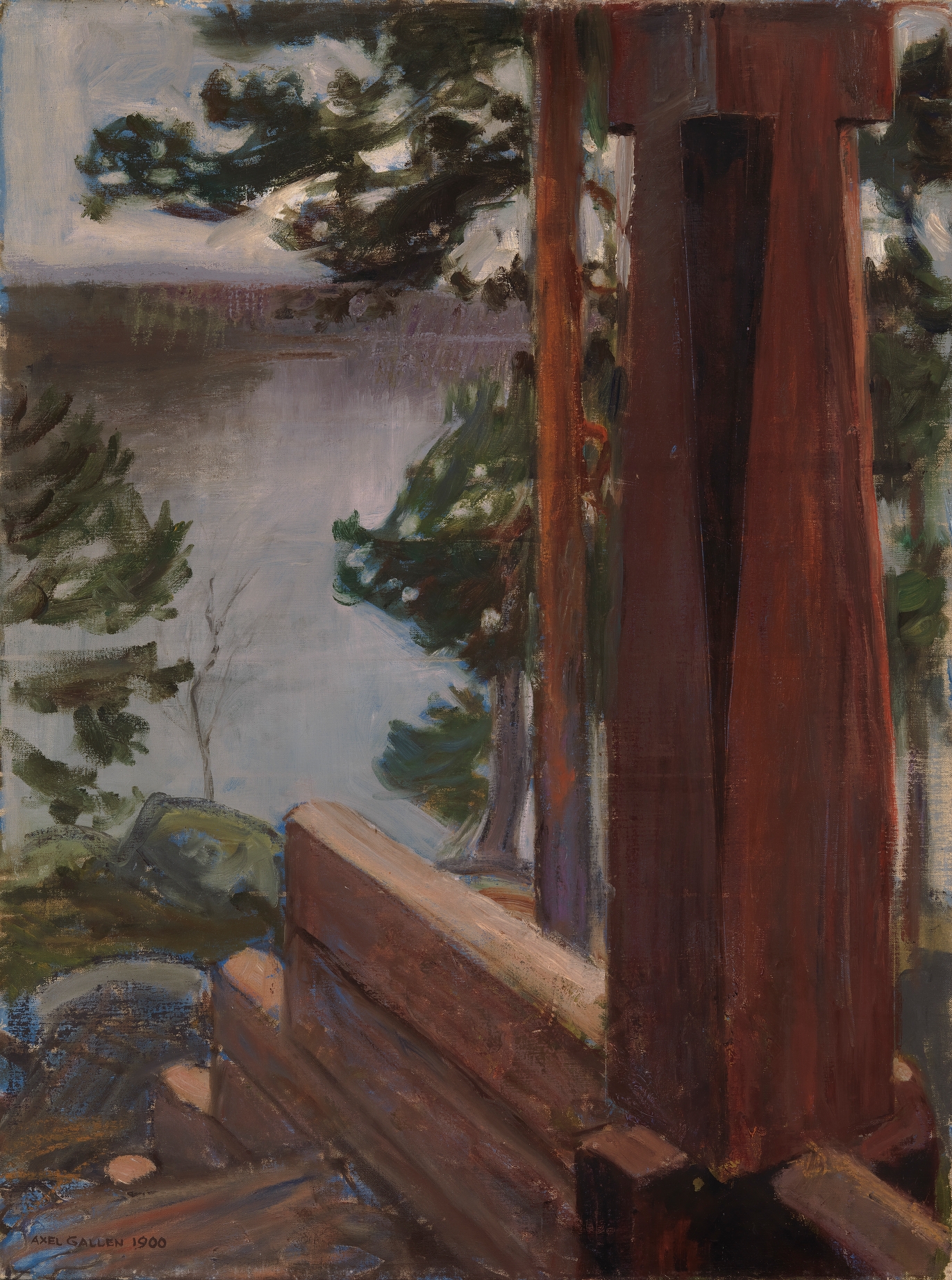
View Over a Lake at Sunset — History & Analysis
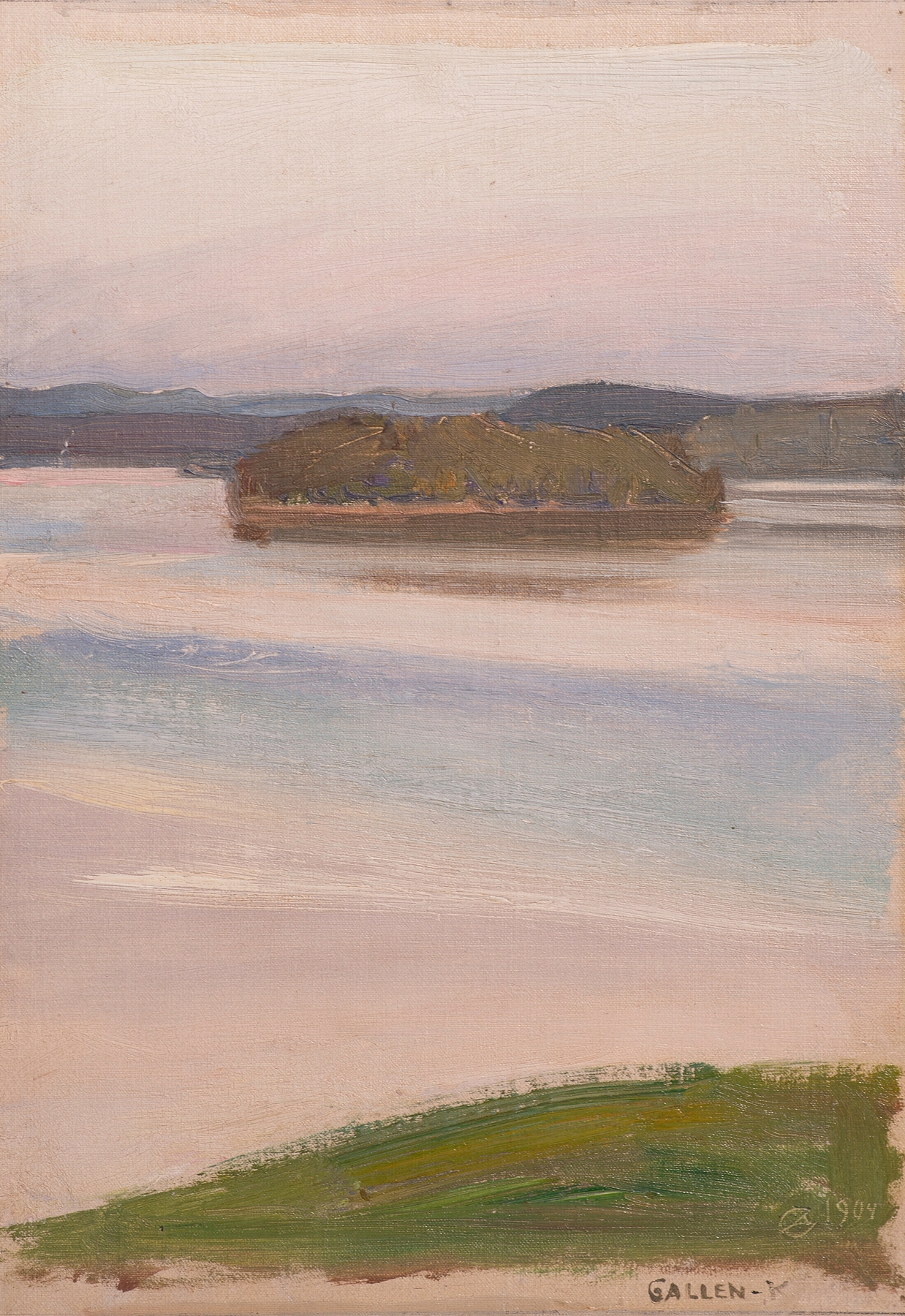
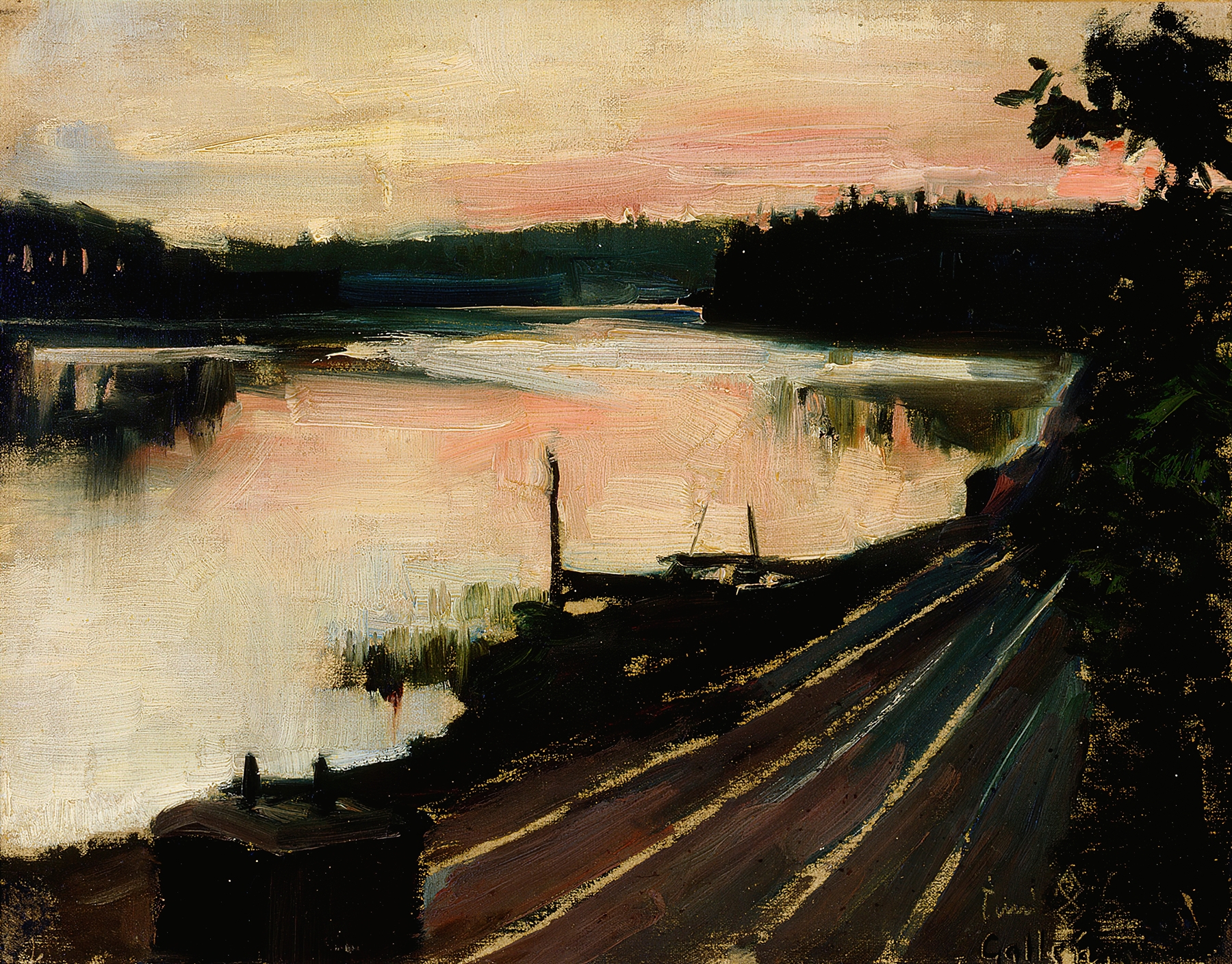
Did the painter know this moment would outlive them? In a world steeped in change, the fleeting nature of beauty becomes a haunting echo of loss. Look to the serene expanse of water that stretches across the canvas, capturing the warmth of a sunset in its embrace. The soft hues of orange and pink blend effortlessly, reflecting off the lake's surface like whispered secrets shared between twilight and night. Notice how the gentle gradation of color guides your eyes towards the horizon, where the sun dips low, evoking a sense of quietude and longing.
The painter's brushwork creates a delicate interplay of light and shadow, compelling the viewer to pause and breathe in the stillness. Yet, amidst this tranquility, there lies an underlying tension. The fading light symbolizes not just beauty, but the inevitability of change and the passage of time. The lake, while inviting, also serves as a mirror of introspection, urging those who gaze upon it to confront their own feelings of transience.
Small details—a solitary bird in flight or a ripple breaking the water's surface—serve as reminders of life's fragility, as if the very essence of existence hangs in the balance. Akseli Gallen-Kallela painted this scene during a period of personal and artistic exploration, likely in the late 19th or early 20th century, as he immersed himself in the Finnish landscape. At this time, Gallen-Kallela was deeply influenced by national romanticism, seeking to capture the essence of Finnish identity through nature. He was at a crossroads in his career, striving to blend traditional themes with modern techniques—a quest that would ultimately leave a lasting impression in the world of art.