Vineyards at Auvers — History & Analysis
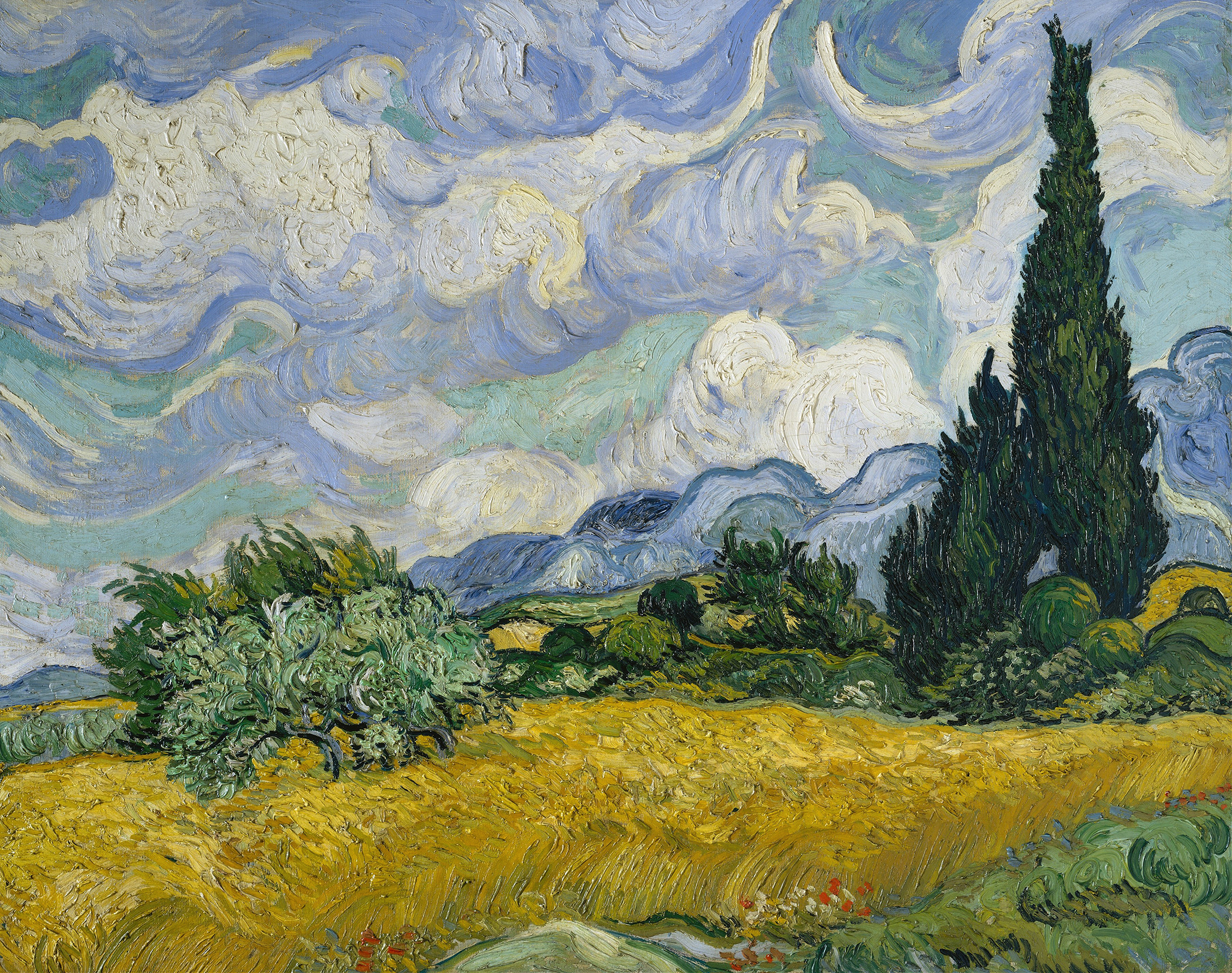
“Art reveals the soul when the world turns away.” In times of turmoil, what we create can expose the inner violence we often conceal. Van Gogh’s lush depiction of Vineyards at Auvers is no exception; it pulsates with the fervor of a life on the brink. Look closely at the vibrant greens and swirling strokes that form the fields of vines, where each brushstroke seems to vibrate with emotion. Notice how the light dances across the canvas, casting shadows that tug at the edges of the scene.
The contrasting colors—deep blues and fiery oranges—create an unsettling harmony, drawing the viewer's eye to the dynamic tension between nature's beauty and the artist's inner chaos. The vineyards appear alive, as if they are both blossoming and withering simultaneously. A sense of urgency permeates the scene; the rhythmic patterns of the vines suggest the cyclical nature of life while hinting at the violence of human experience lurking beneath. Each twisted line reflects struggle, echoing Van Gogh’s own tumultuous emotions.
The contrast between the serene landscape and the artist's psychological turmoil reveals the complexity of existence—a vivid reminder that beauty often conceals deeper wounds. In 1890, Van Gogh painted this piece in Auvers-sur-Oise, where he sought tranquility after years of personal and professional unrest. This was a pivotal time for him, marked by bouts of mental illness and a search for artistic identity. Just months after completing this work, he would tragically take his own life, making Vineyards at Auvers a poignant testament to his enduring struggle with the violent undercurrents of his own existence.