Vinyard in Pillnitz in early summer — History & Analysis
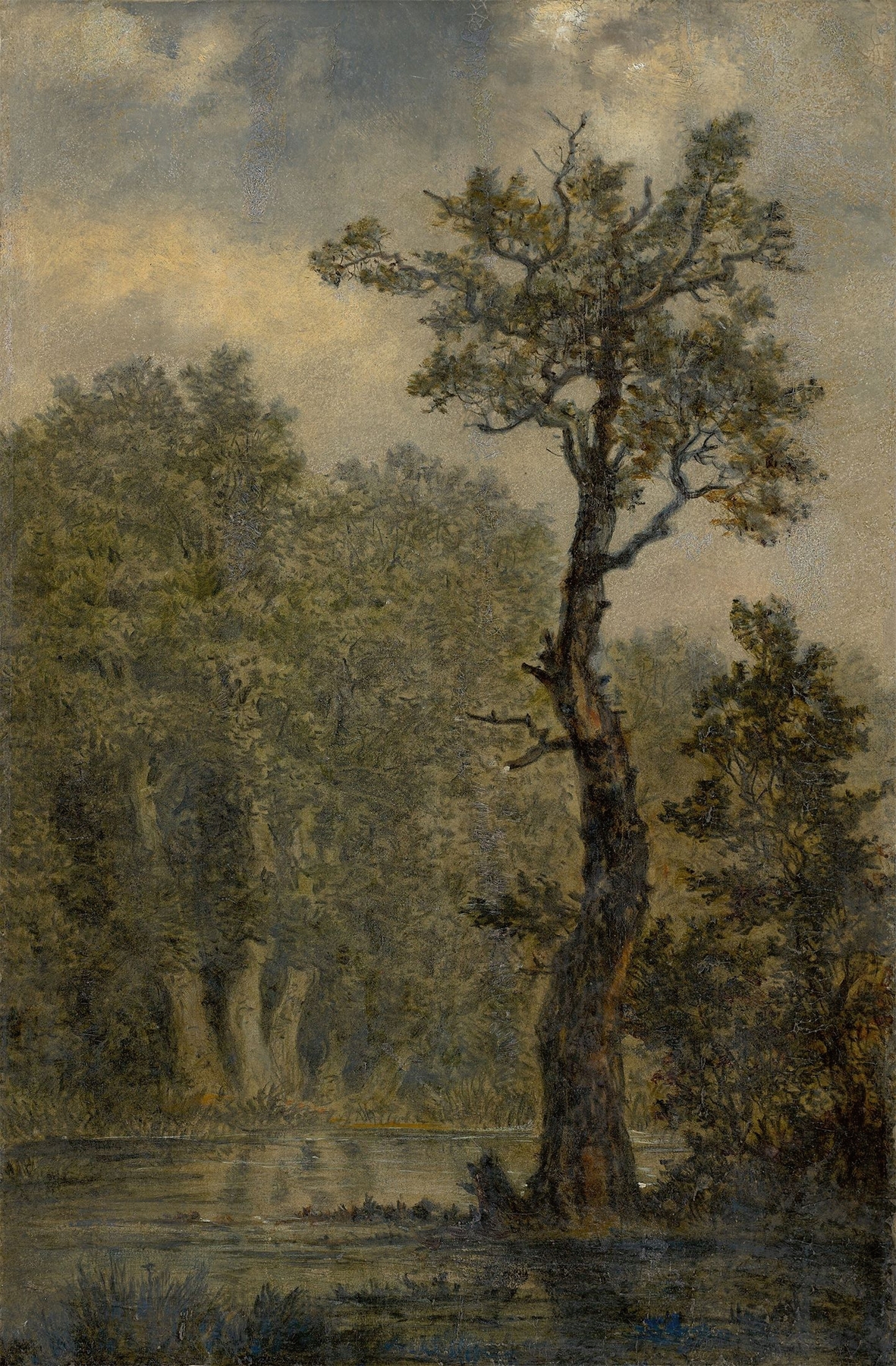
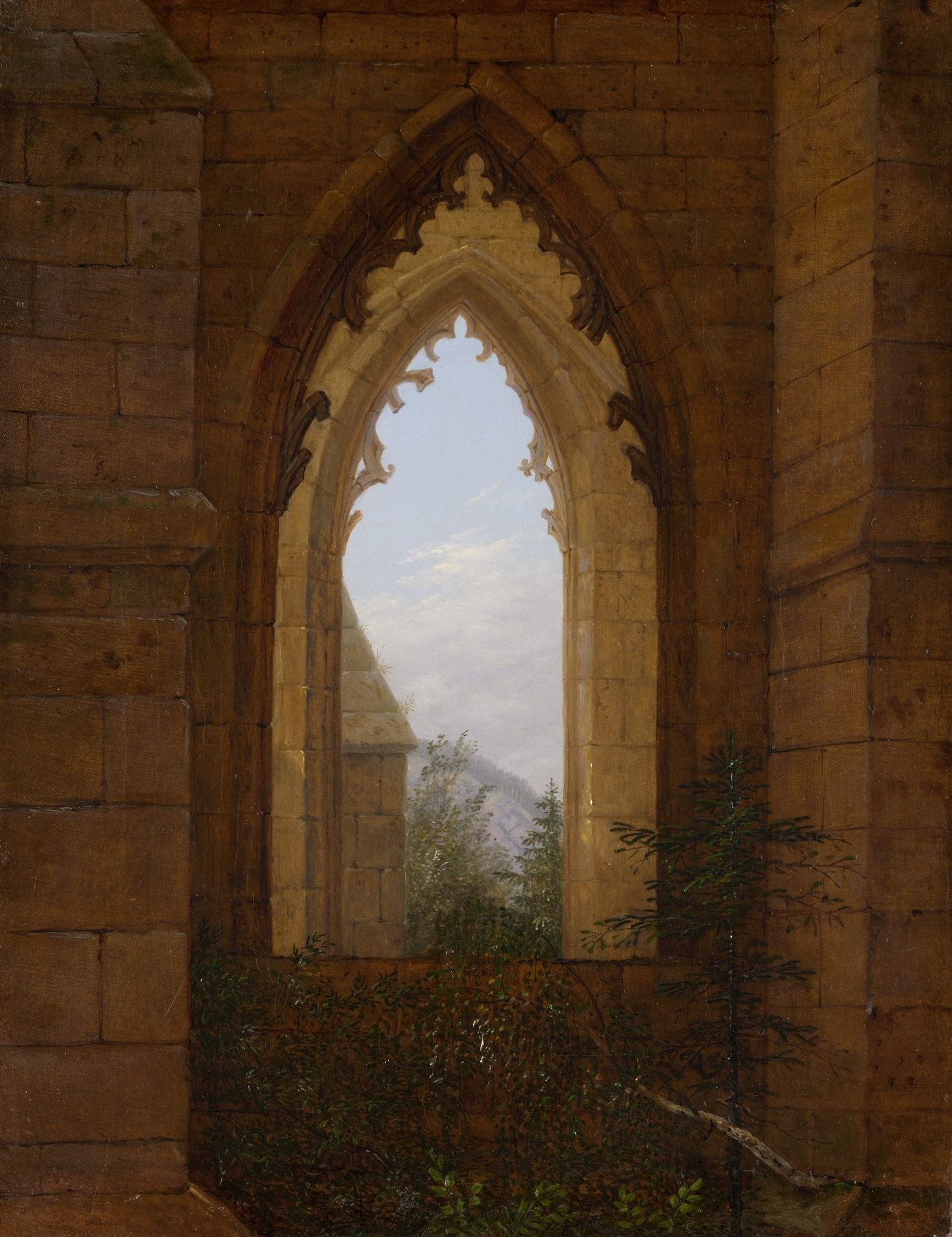
“The canvas doesn’t lie — it simply waits.” In the quiet moments between life and loss, the heart searches for solace, and through art, we find echoes of our emotions. Focus on the lush green vines sprawling across the foreground, their leaves shimmering under a gentle summer sun. Notice how the artist masterfully captures the light filtering through the foliage, casting playful shadows that dance upon the earth. Beyond the vineyard, a serene landscape unfurls, leading the eye to the soft hills that cradle the horizon, inviting viewers to wander into a tranquil escape.
Yet, beneath the idyllic surface lies an undercurrent of melancholy. The vibrant colors of summer contrast starkly with the stillness of the scene, hinting at the transient nature of beauty and life. The meticulously rendered vines evoke the fragility of moments, suggesting that each leaf, while filled with life, is also a gentle reminder of what is destined to fade. This delicate balance of joy and sorrow is poignantly captured, leaving us to ponder the inevitability of change.
In the early 1830s, Carl Gustav Carus painted Vineyard in Pillnitz during a time of personal reflection and artistic exploration. He was deeply influenced by Romantic ideals, striving to capture the sublime beauty of nature while grappling with the emotional weight of existence. Set against a backdrop of burgeoning Romanticism in Europe, this work emerged from a period where artists sought to connect the inner world of feelings with the outer world of landscapes and light.