Waldweg — History & Analysis
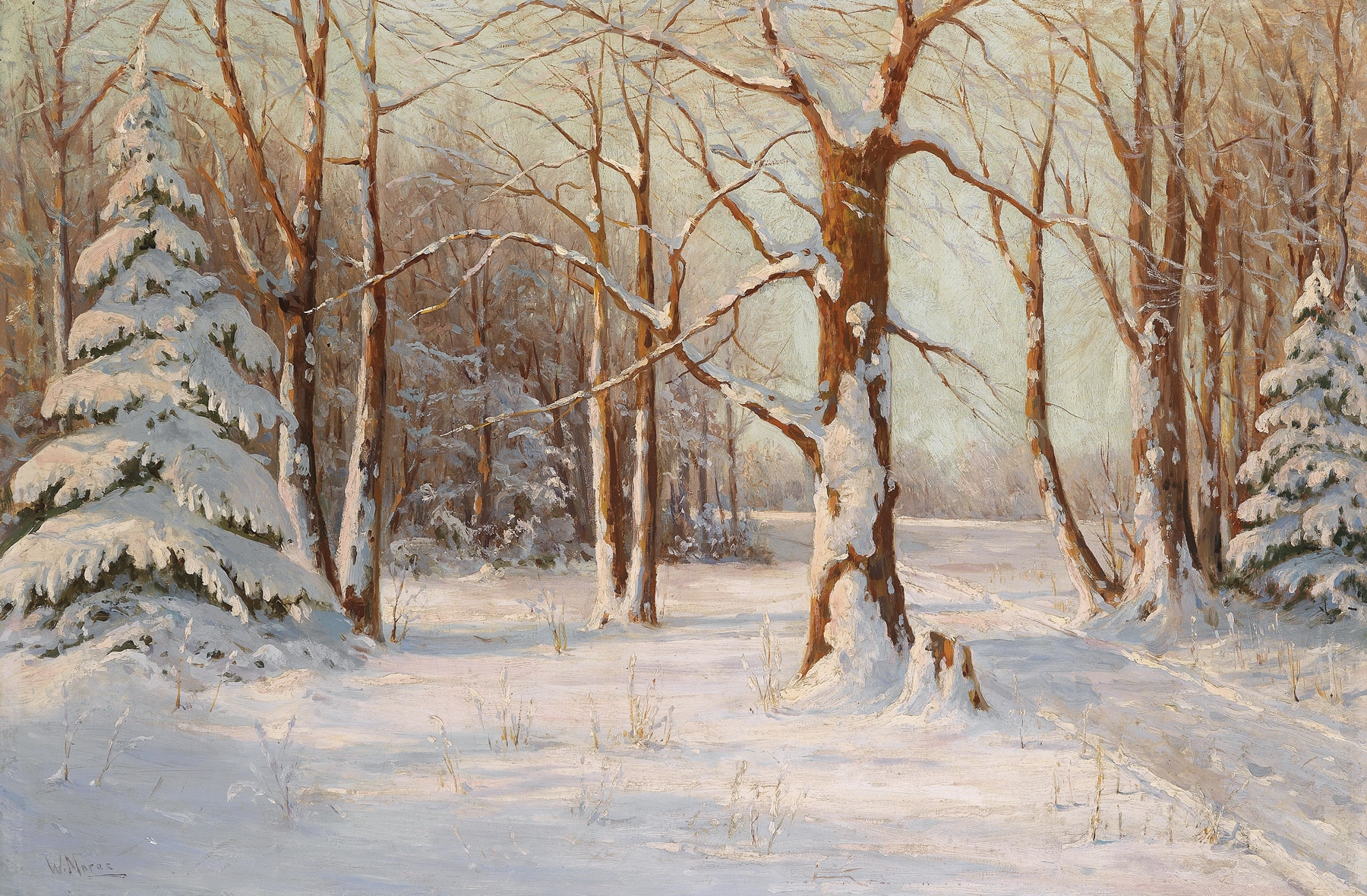
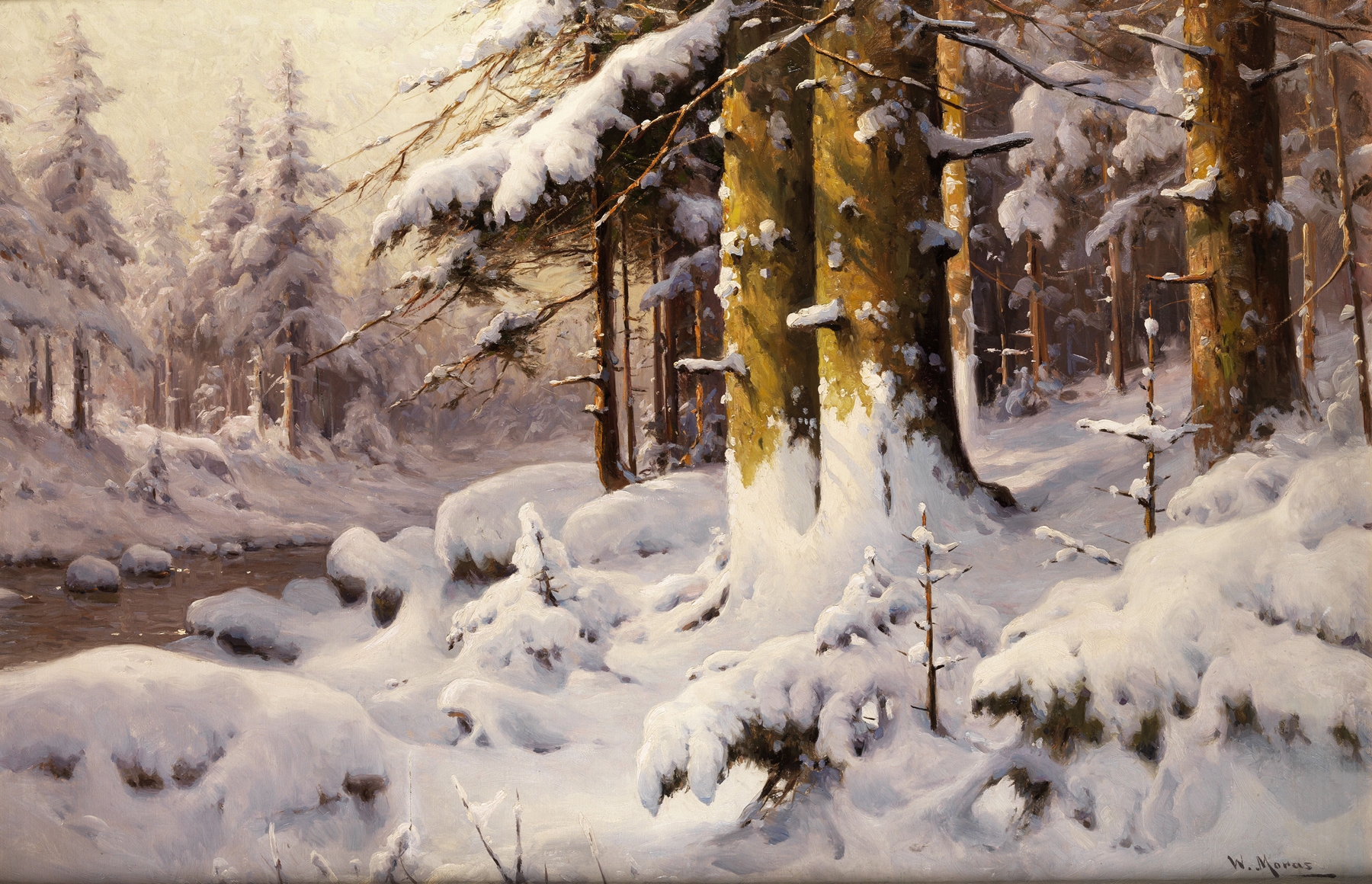
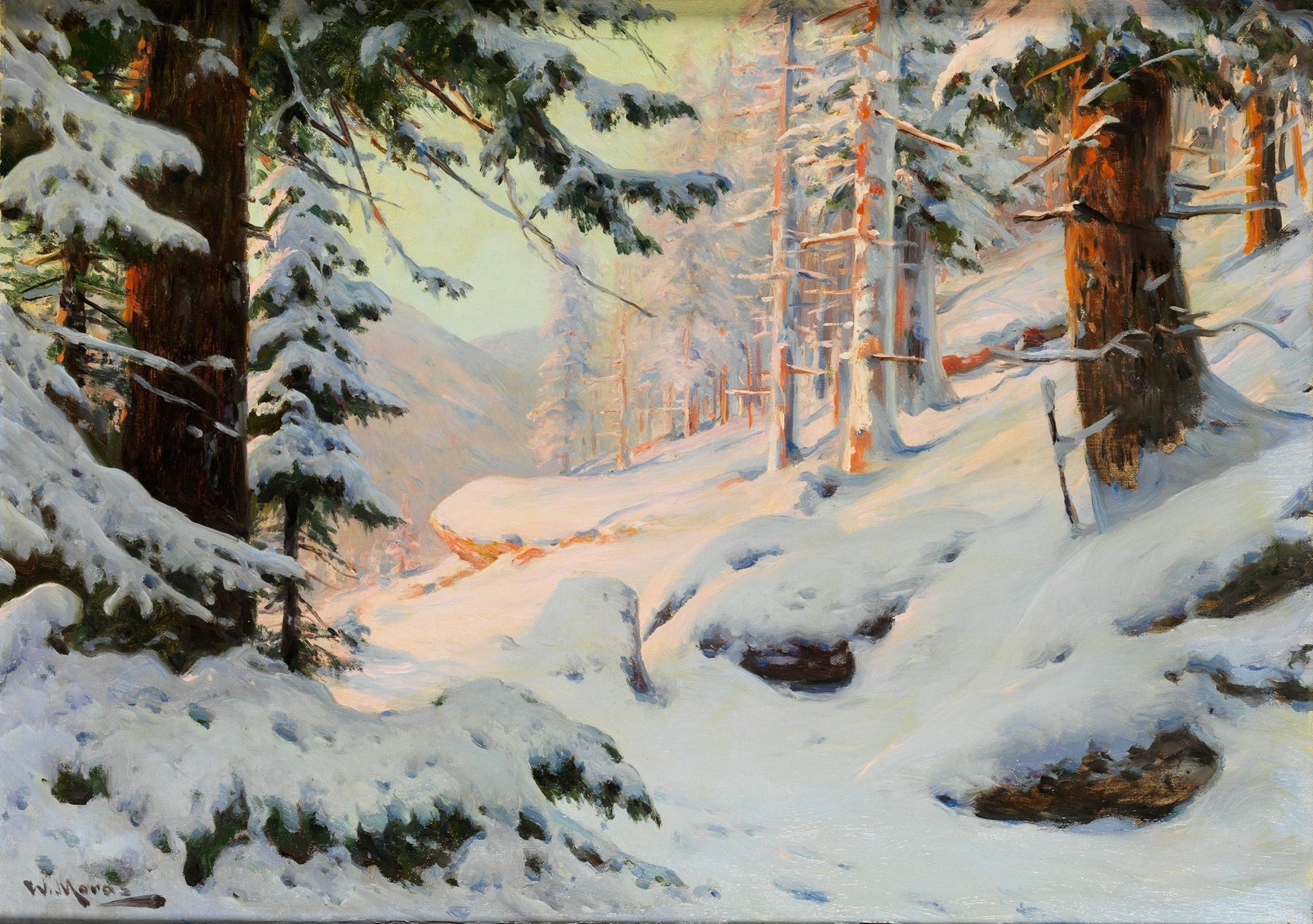
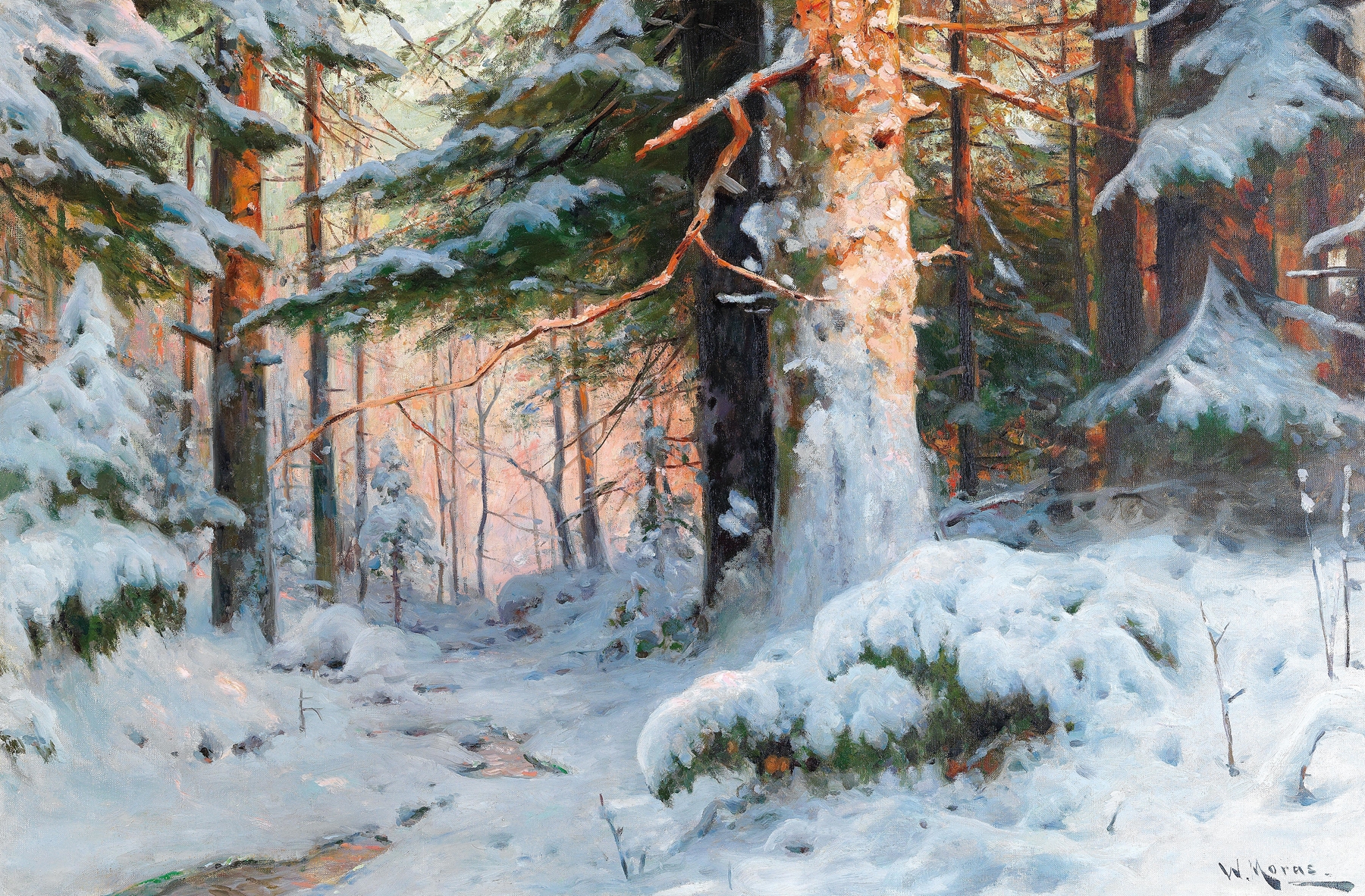
Did the painter know this moment would outlive them? In Waldweg, a serene path stretches through a verdant forest, inviting the viewer into an intimate embrace with nature's truth. Look to the center, where the meandering trail draws your eye deeper into the thickets of greens and browns. Notice how the dappled sunlight filters through the leaves, casting delicate shadows that dance on the path.
The brushwork, both fluid and deliberate, creates a textured surface that echoes the rustle of leaves and the whisper of the wind. Each stroke seems to breathe life into the scene, inviting a stillness that speaks volumes about the quiet beauty of this woodland retreat. Deeper meanings emerge as the vibrant contrasts of light and shadow symbolize the coexistence of clarity and mystery in our lives. The winding road represents not just a journey through the forest, but also the uncertainties we encounter along our paths—hidden, yet promising discovery.
There is a palpable tension between the lushness of nature and the solitary nature of the path, hinting at the duality of human experience: connection and solitude intertwined. Walter Moras created Waldweg during a time when the Impressionist movement was redefining artistic expression in Germany. His work reflects a growing fascination with capturing the transient beauty of nature. The late 19th century was marked by rapid industrialization, yet artists like Moras sought solace in the landscapes, finding inspiration in the untouched wonders of the natural world at a time of great change.