Walenstadt, from Weesen, Switzerland — History & Analysis
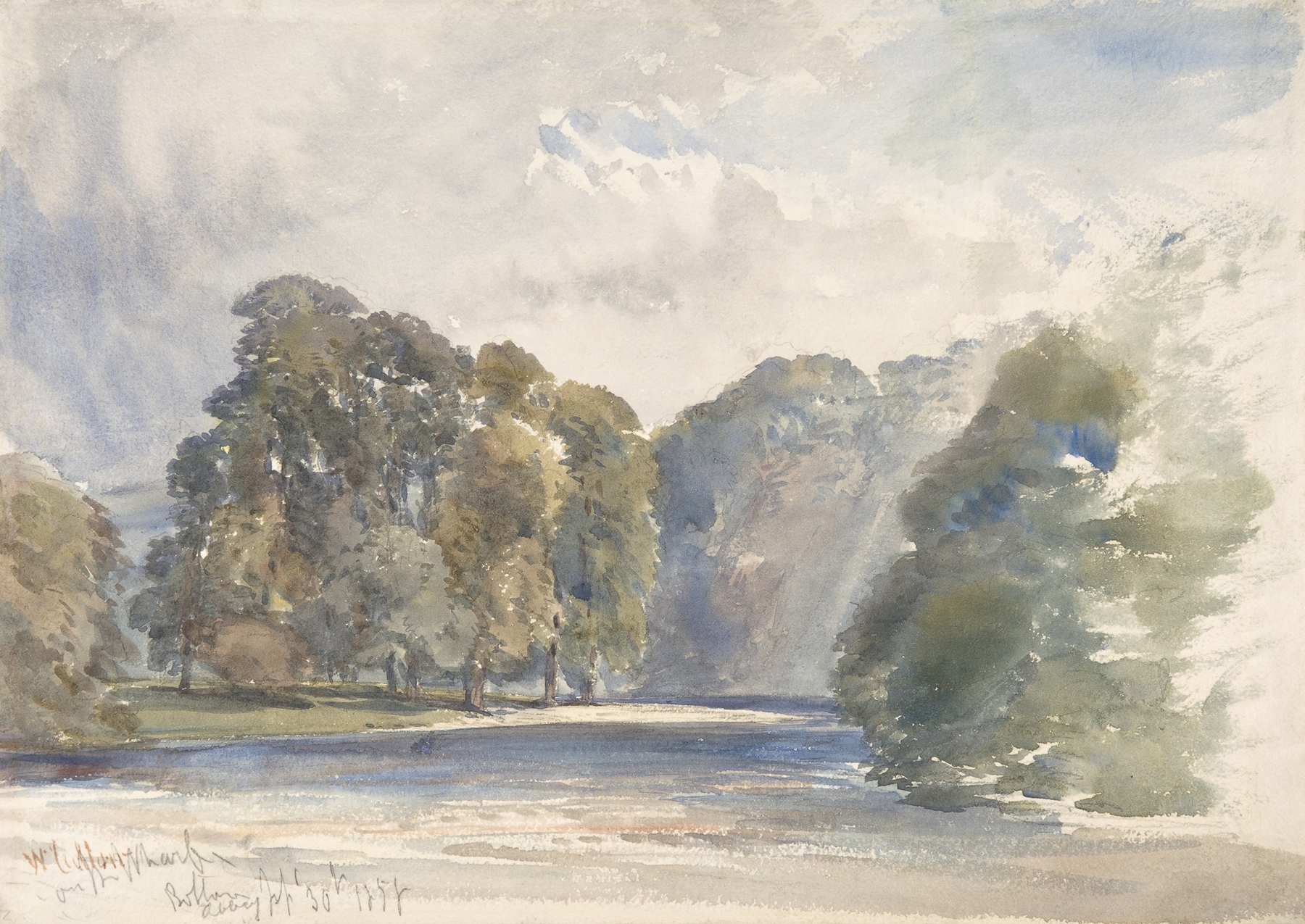
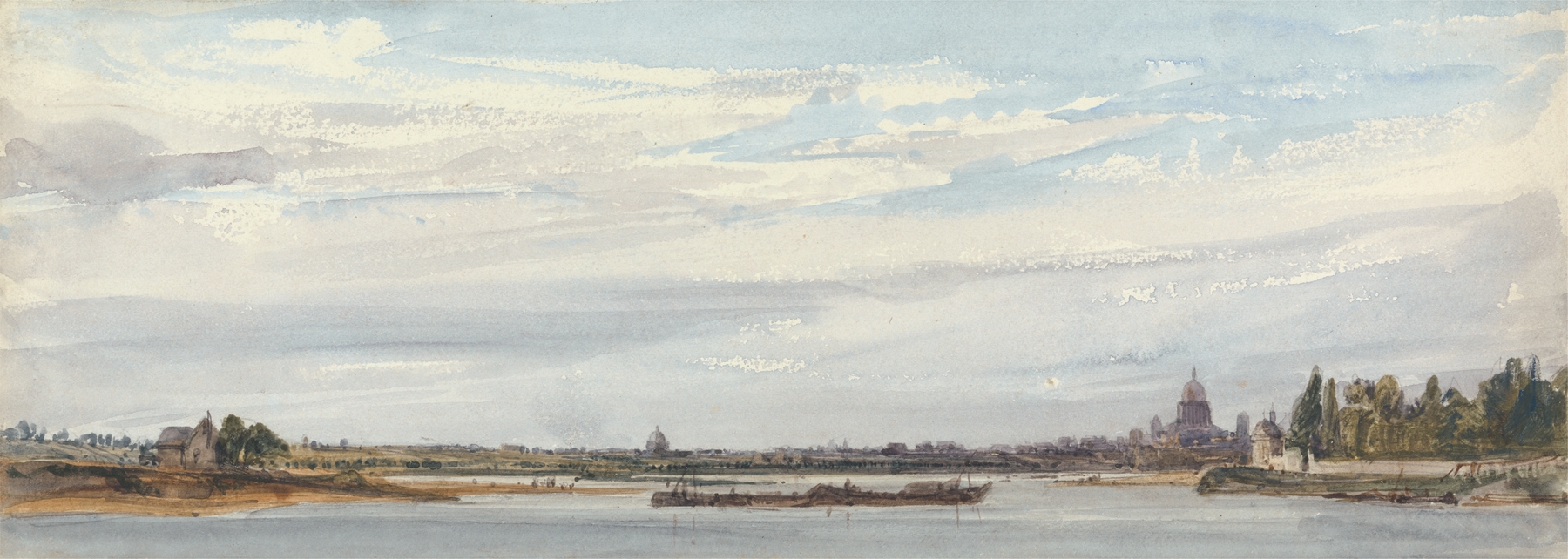
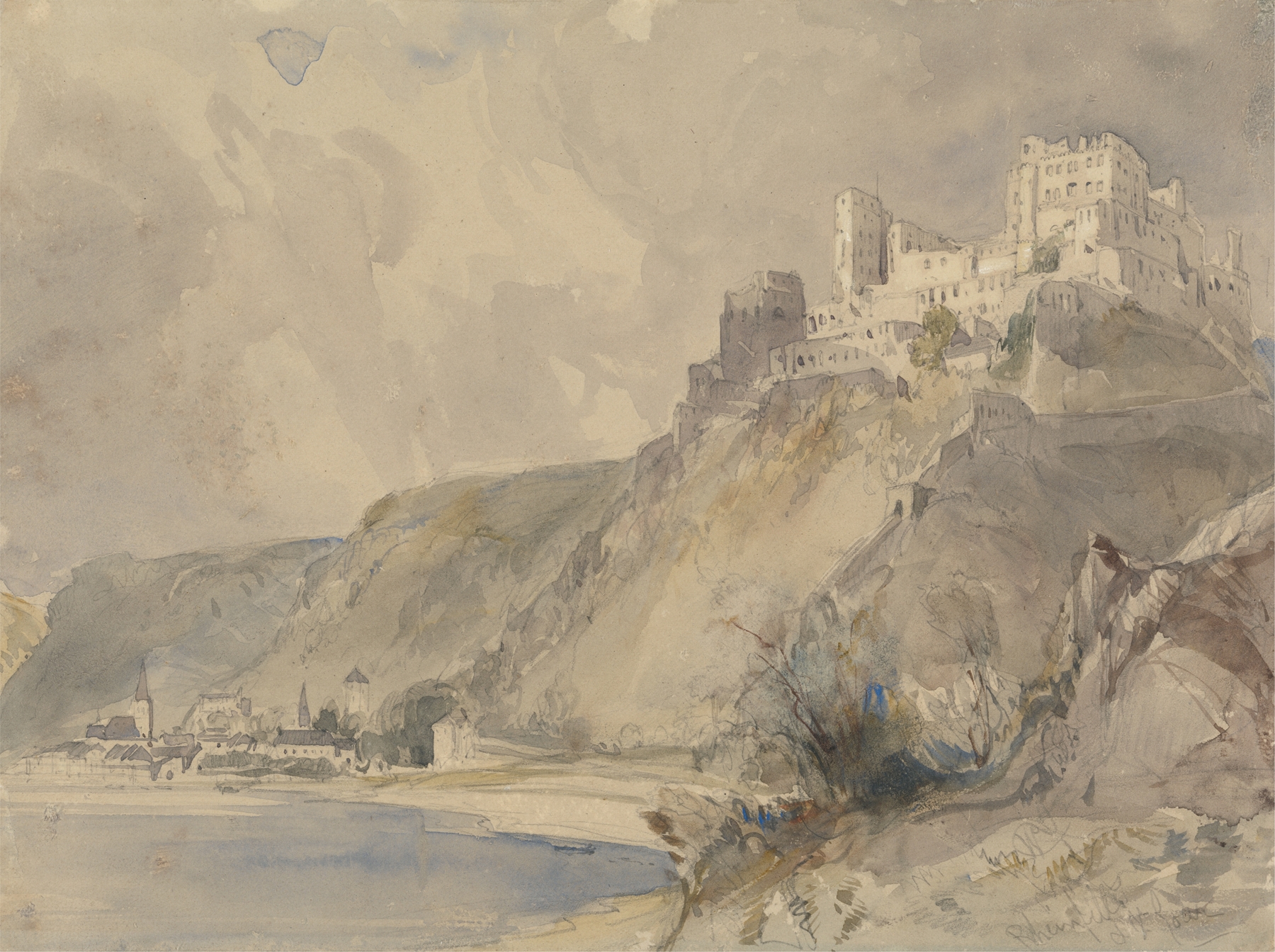
What if silence could speak through light? In Walenstadt, from Weesen, Switzerland, the tranquil landscape whispers secrets of longing and introspection, capturing a moment suspended in time. Look to the left, where the serene waters of Lake Walen reflect the jagged forms of the distant Alps, their peaks softened by a veil of mist. Notice how the delicate brushstrokes create a shimmering effect on the water's surface, inviting you to linger in its whispering depths.
The gentle palette of greens and blues evokes a sense of calm, while the light dances across the canvas, highlighting the subtle contours of the land. This interplay of shadow and illumination draws the eye toward the horizon, where sky and earth fuse in an ethereal embrace. Beneath the surface of this idyllic scene lies an undercurrent of obsession—the artist’s meticulous attention to detail mirrors a yearning for the sublime beauty of nature. The contrasting elements of light and shadow symbolize the dichotomy between peace and tumult, inviting contemplation on the nature of existence itself.
Additionally, the quiet presence of the trees, framing the landscape, suggests a connection to the earth, grounding the viewer amid the vastness. William Callow painted this piece in 1842 while residing in England, amidst the Romantic movement's fervor for nature and emotional expression. During this period, he sought solace in the landscapes of Switzerland, capturing the essence of both the land and his own inner explorations. This work reflects not only a geographical setting but also the artist’s personal quest for meaning within the serene yet charged landscapes of his imagination.