Wallenstadt from Wesen, Switzerland — History & Analysis
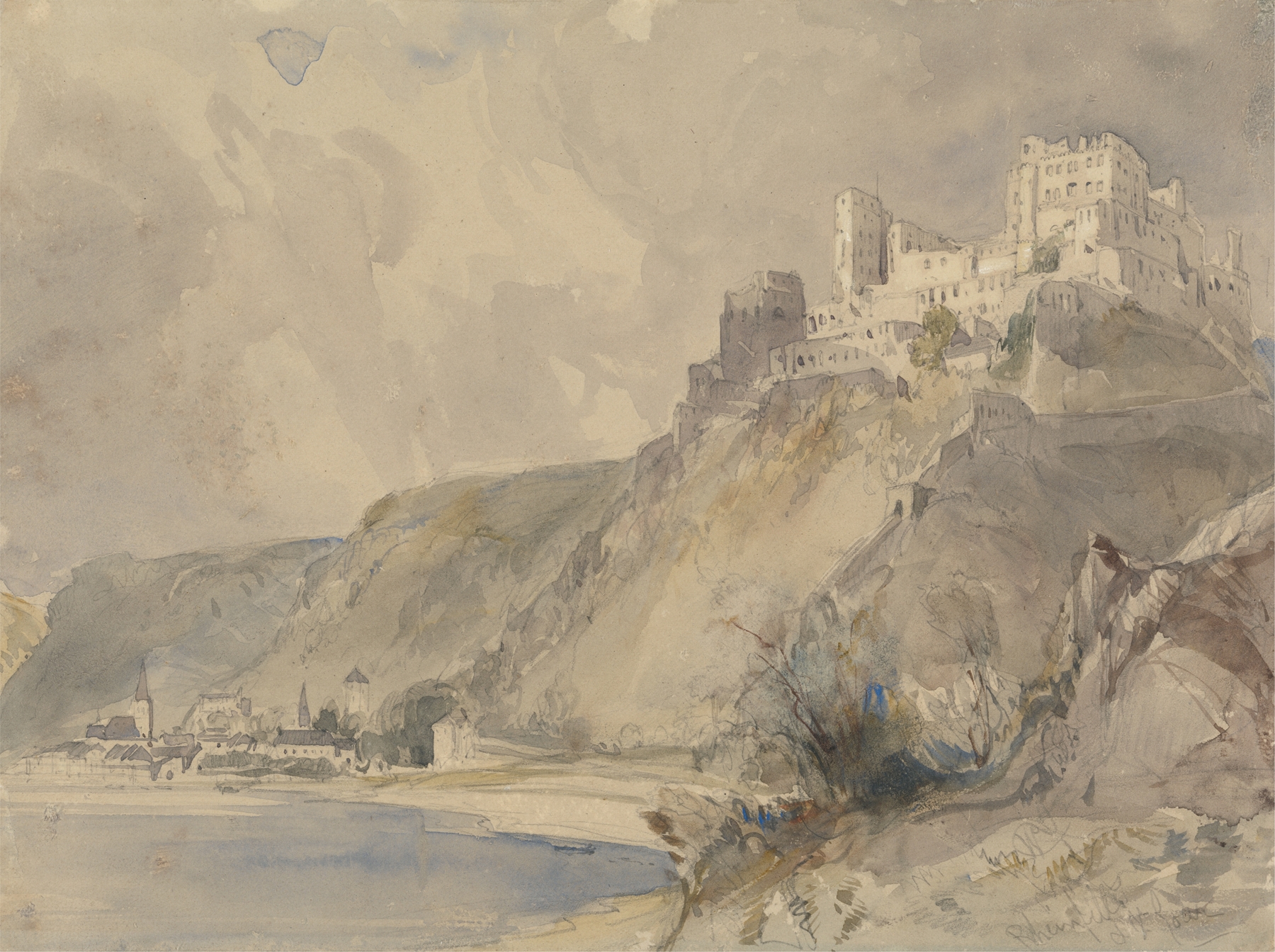
Is this a mirror — or a memory? The reflection of the serene Swiss landscape invites us to ponder the delicate balance between the real and the imagined. Focus first on the tranquil waters at the forefront, where the lake stretches out like a glassy surface reflecting the sky’s soft hues. Notice how the gentle strokes of blue and green blend seamlessly, evoking a sense of harmony.
In the background, the majestic peaks rise dramatically, their snow-capped summits touched by the golden light of the setting sun, creating a breathtaking contrast against the calm waters. The composition draws the eye from the foreground to the horizon, inviting the viewer to explore this pristine world. Yet, beyond its exquisite beauty, the painting captures an emotional tension between nature and human presence. The distant village, barely visible, hints at the lives intertwining with this idyllic setting, suggesting a delicate balance between civilization and the wilderness that surrounds it.
The interplay of light and shadow underscores the fleeting nature of time, as if the scene exists in a moment suspended between the past and the present. In 1838, during a period of significant change across Europe, the artist found himself in an era where romanticism flourished. Callow painted Wallenstadt from Wesen while traveling through Switzerland, inspired by the breathtaking landscapes and a desire to capture their sublime beauty. This work reflects not only his personal artistic journey but also the broader movement of artists embracing nature as both muse and subject, seeking to convey the sublime experience of the natural world in a transforming society.