Waterloo Bridge bei Nebel, London — History & Analysis
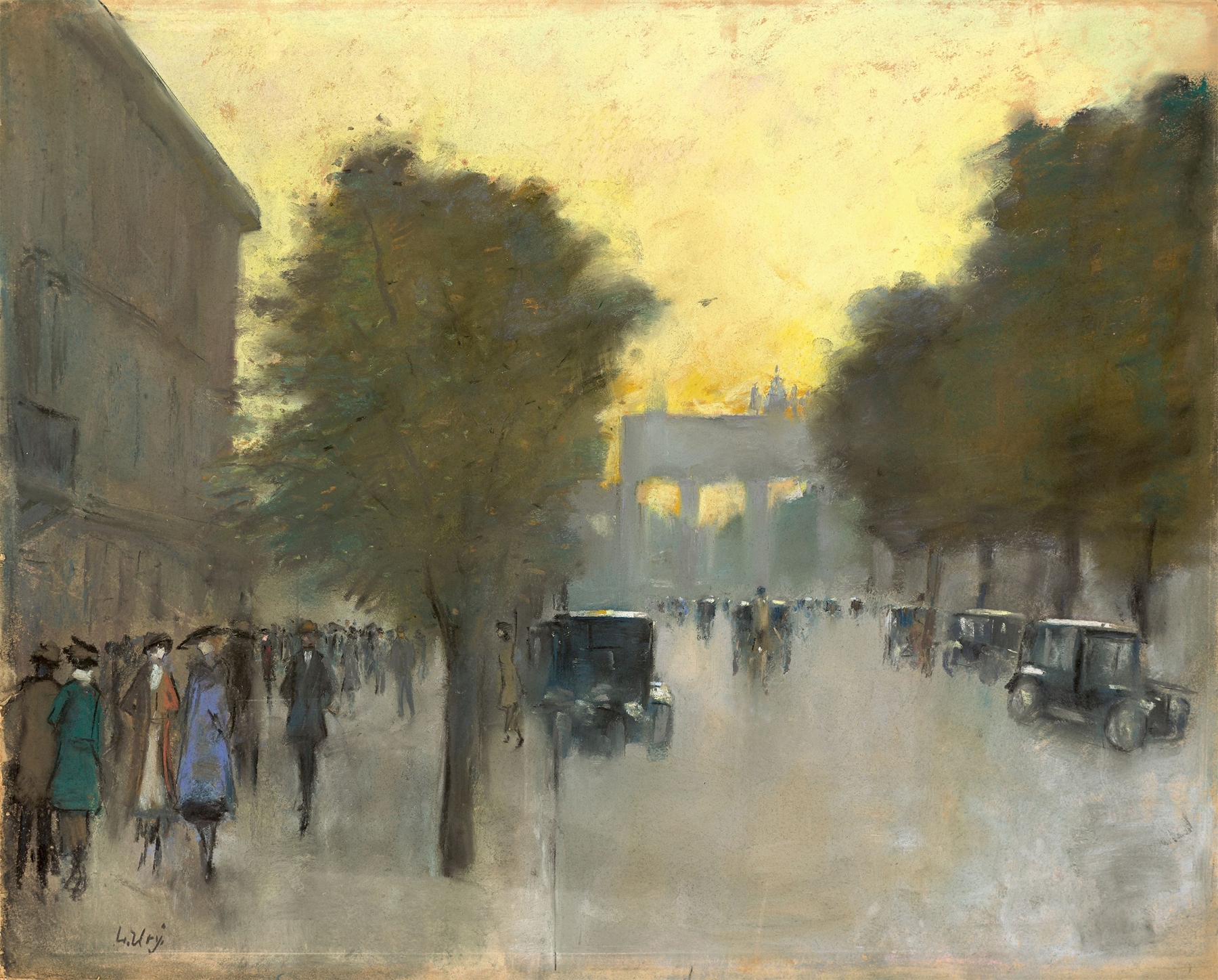
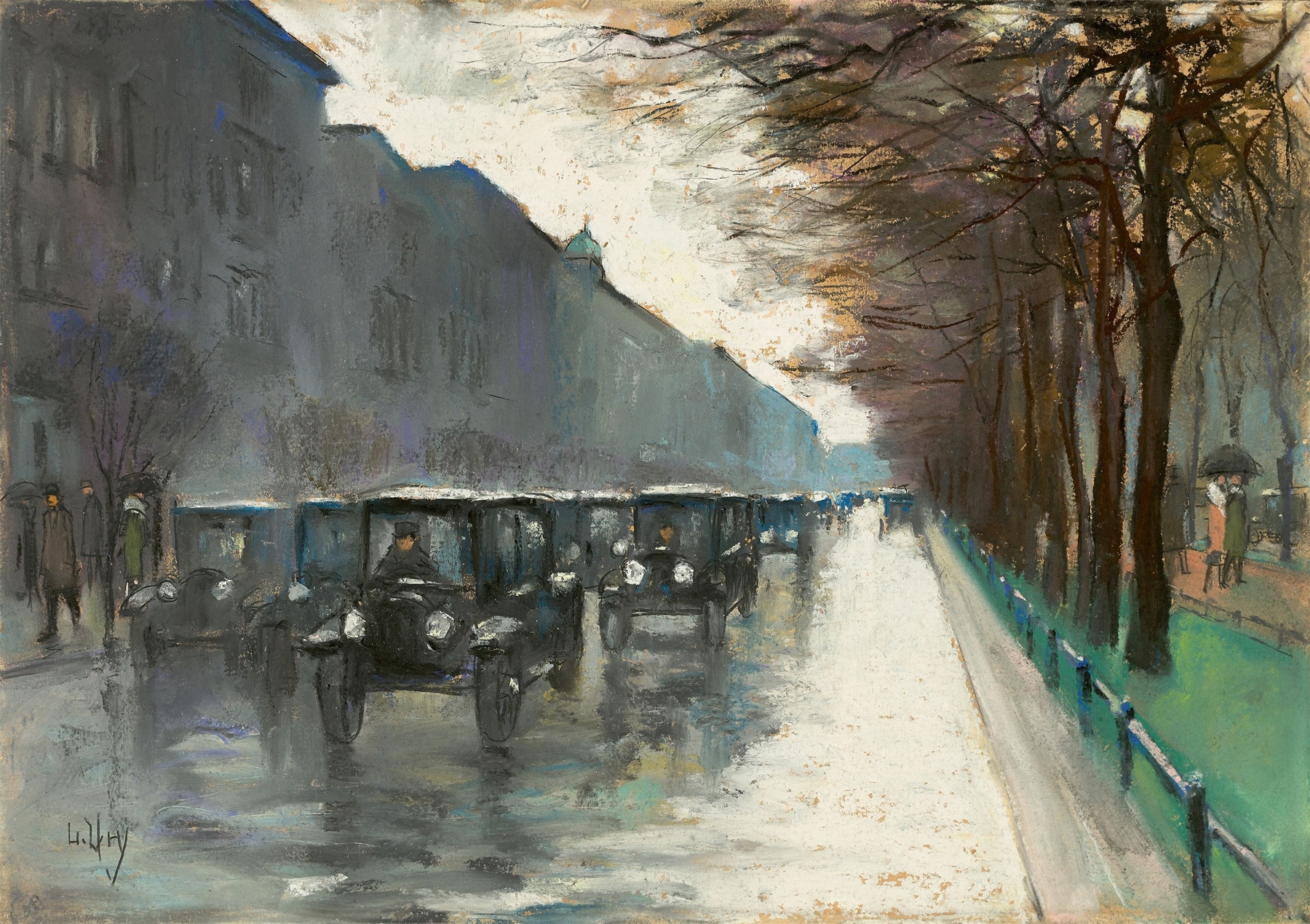
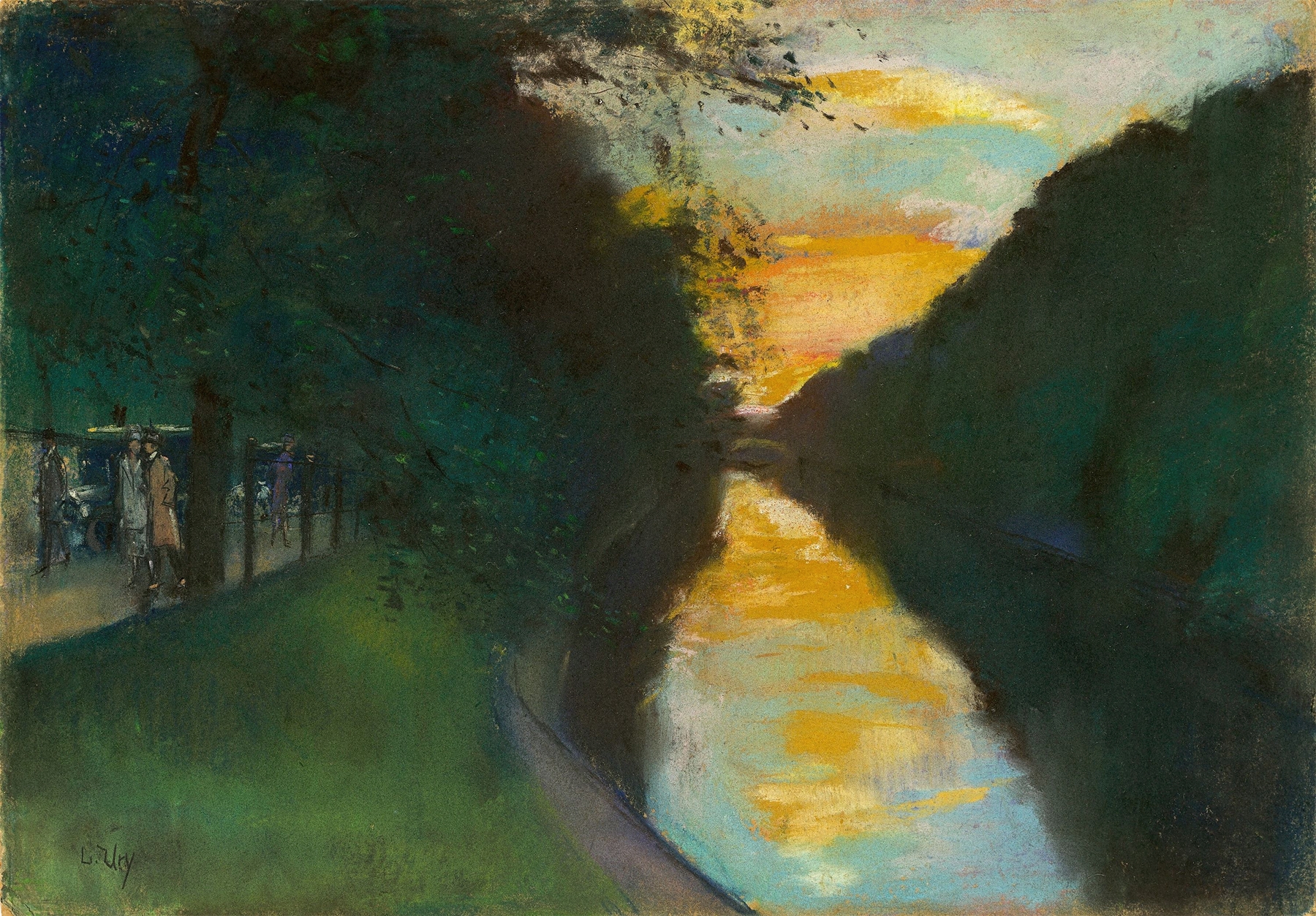
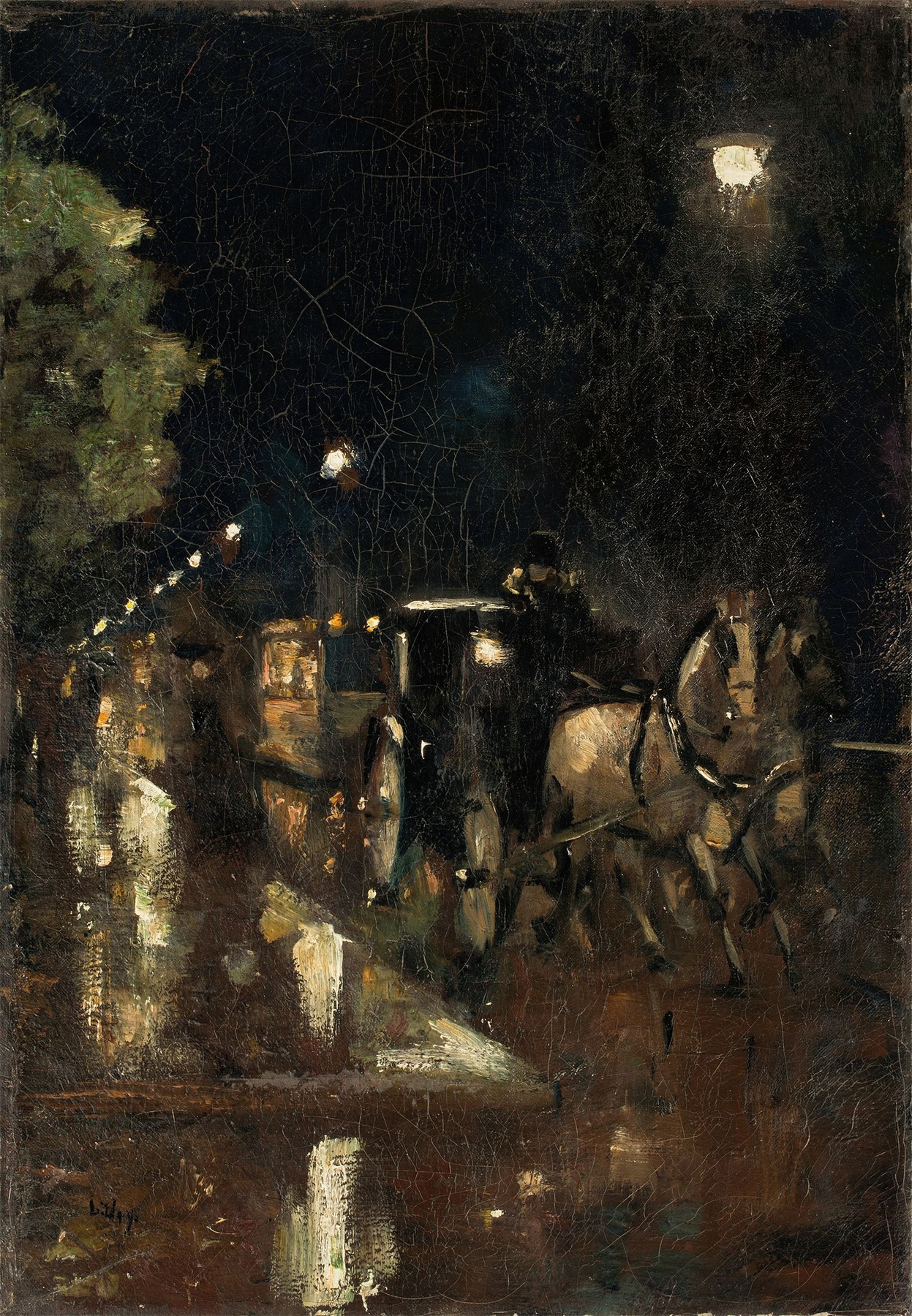
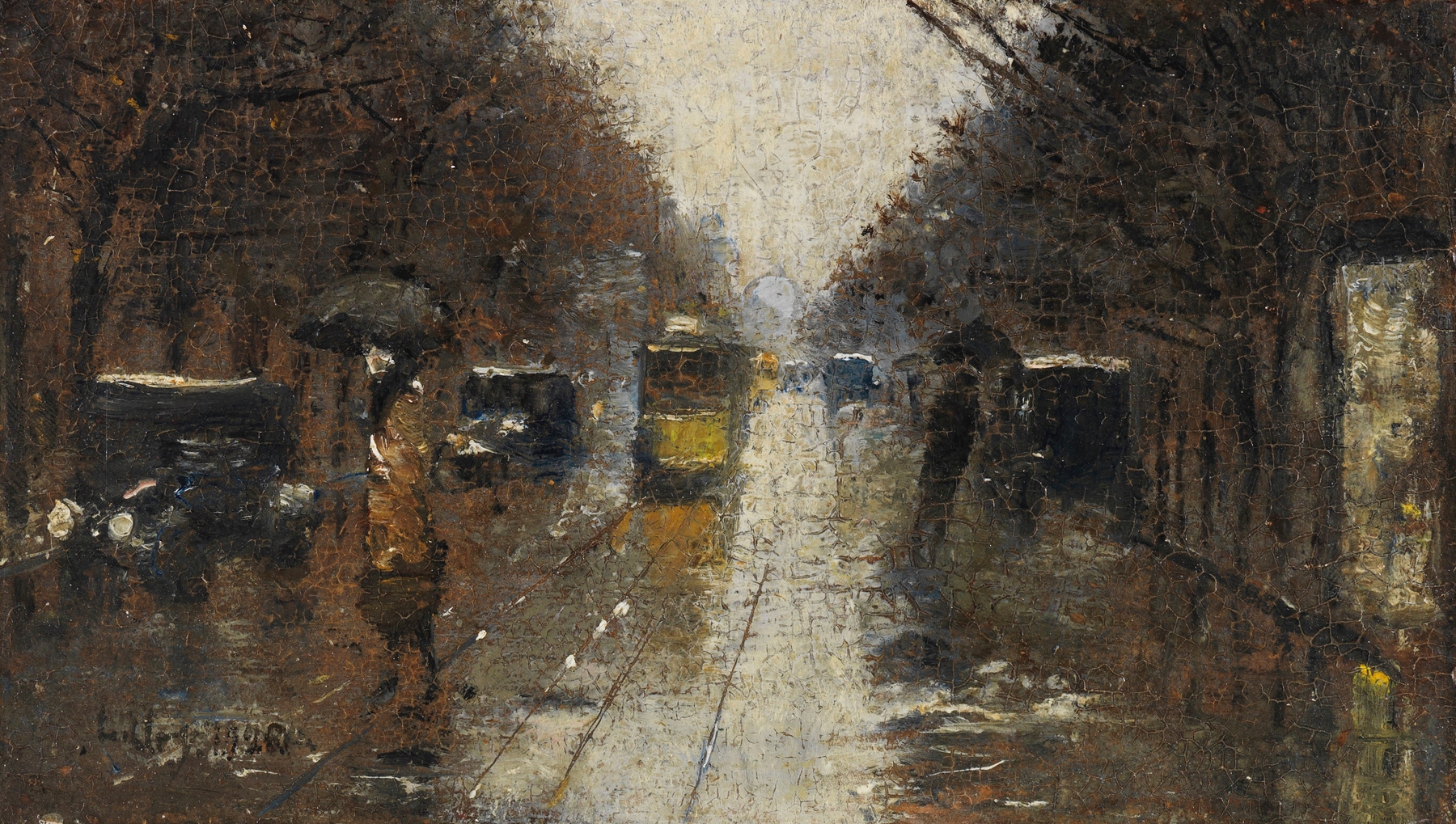
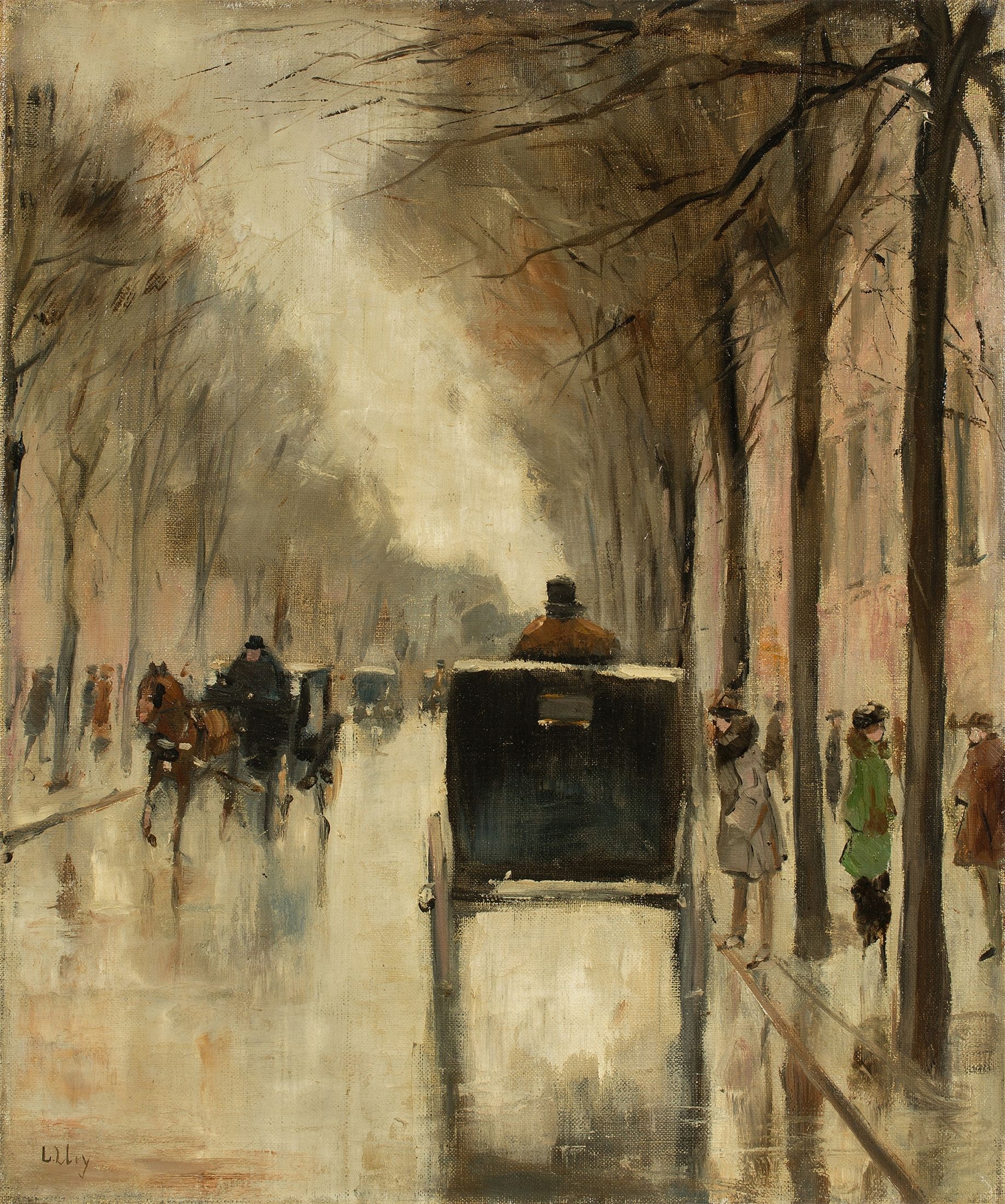
“Between color and silence, truth hides.” In the muted embrace of fog, a bridge stands as a testament to connection and isolation, a reminder of the ephemeral nature of existence. Look to the hazy foreground where ghostly figures traverse the surface of the bridge, their forms softened by the veil of mist. Notice how the muted palette of grays and blues envelops the scene, creating an atmosphere filled with introspection. The strokes are fluid yet deliberate, guiding the viewer’s gaze toward the horizon where the ethereal light barely breaks through the clouds, hinting at the transient beauty of life.
In this work, the tension between presence and absence unfolds subtly. The figures, almost spectral in their ambiguity, evoke a sense of mortality, suggesting that each crossing may be both a journey and a farewell. The delicate interplay of light and shadow not only amplifies the mystery of the scene but also serves as a metaphor for the illusion of permanence in an ever-changing world.
In 1926, Lesser Ury painted this work during a time of personal and artistic reflection while living in Berlin. The tumultuous backdrop of post-World War I Europe permeated the art world, leading many artists to explore themes of alienation and existential contemplation. Ury’s mastery of light and atmosphere positioned him within the German Expressionist movement, as he sought to convey emotional depth through the tranquility of urban landscapes.