Watermills in Stolpedal. — History & Analysis
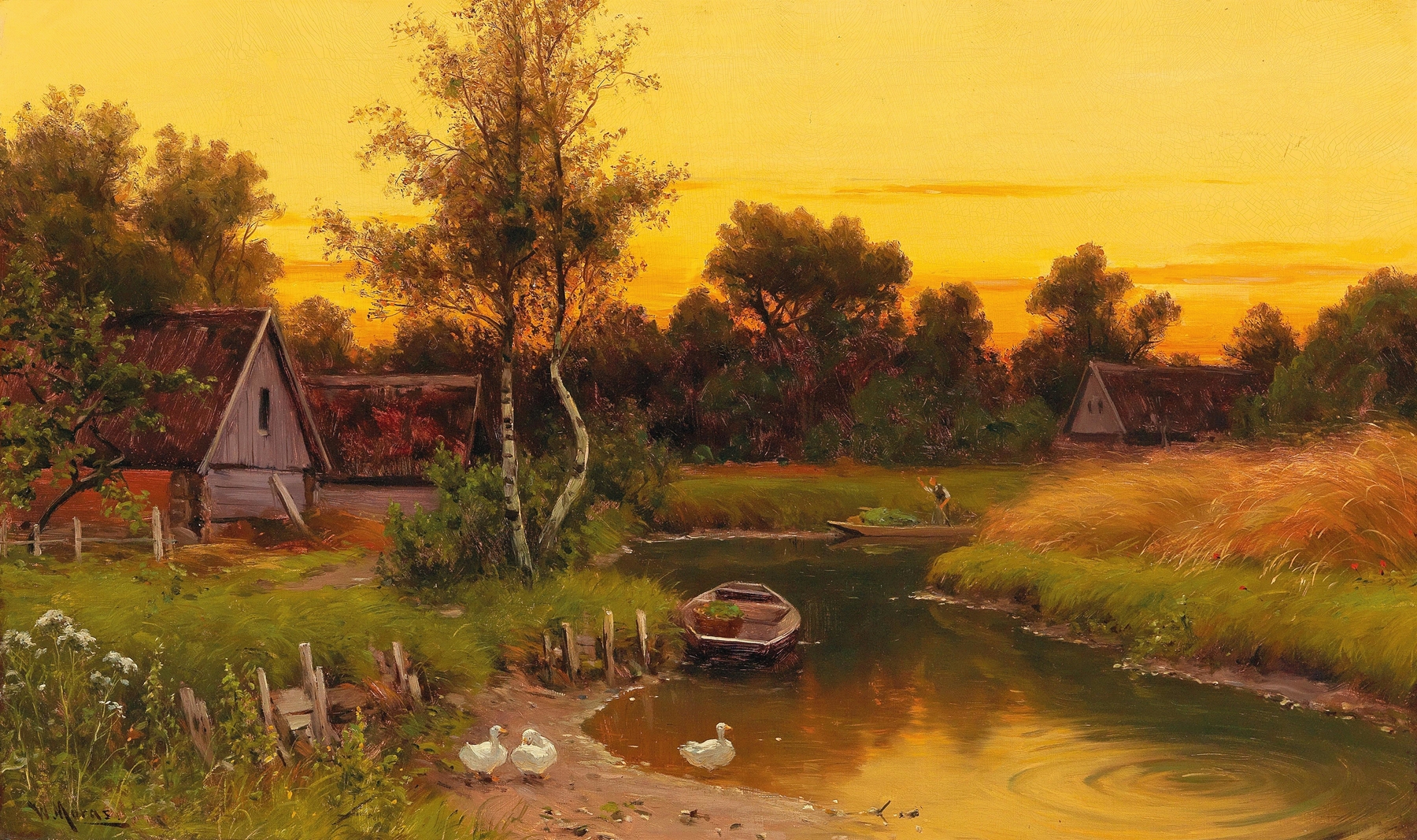
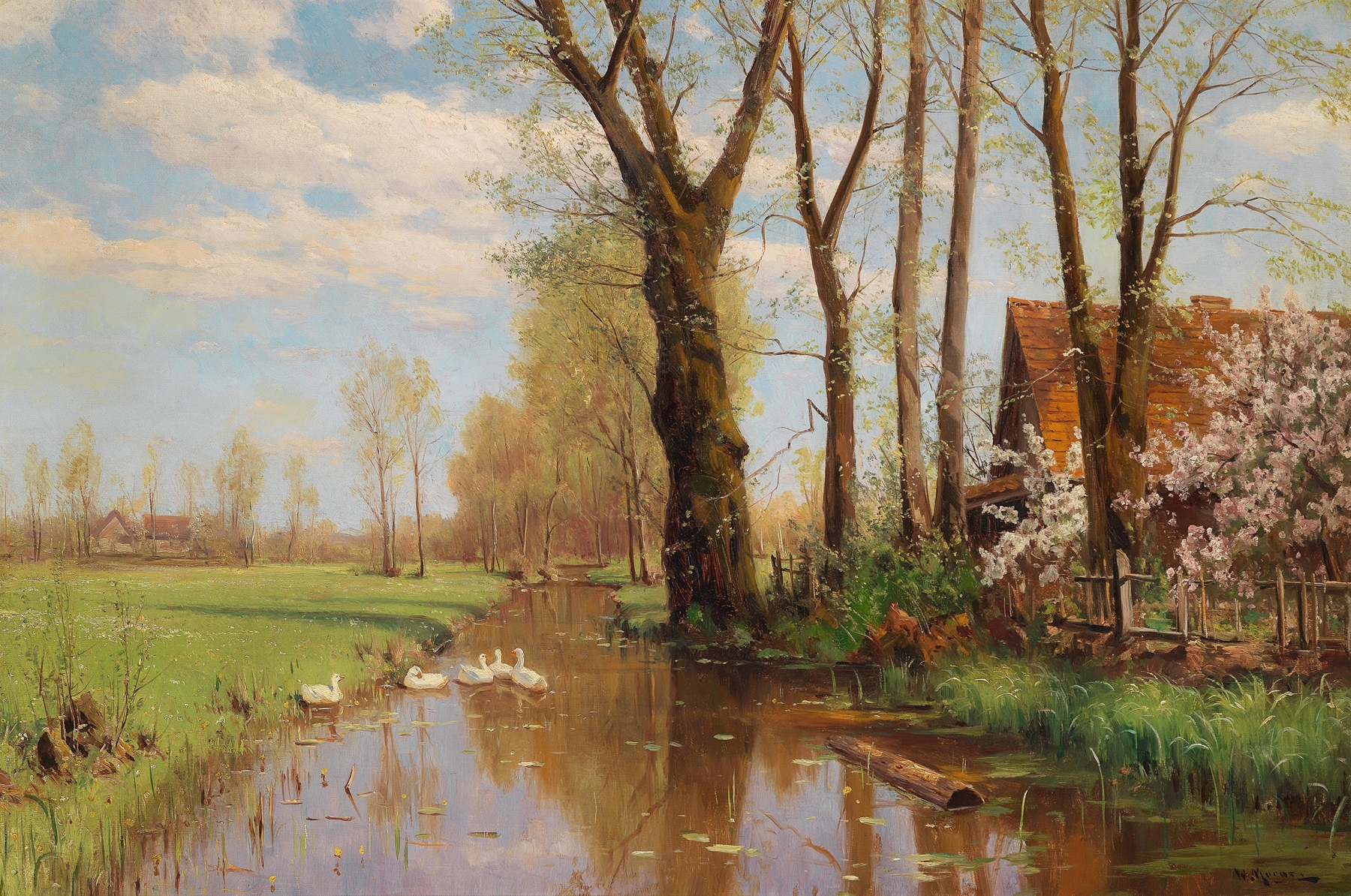
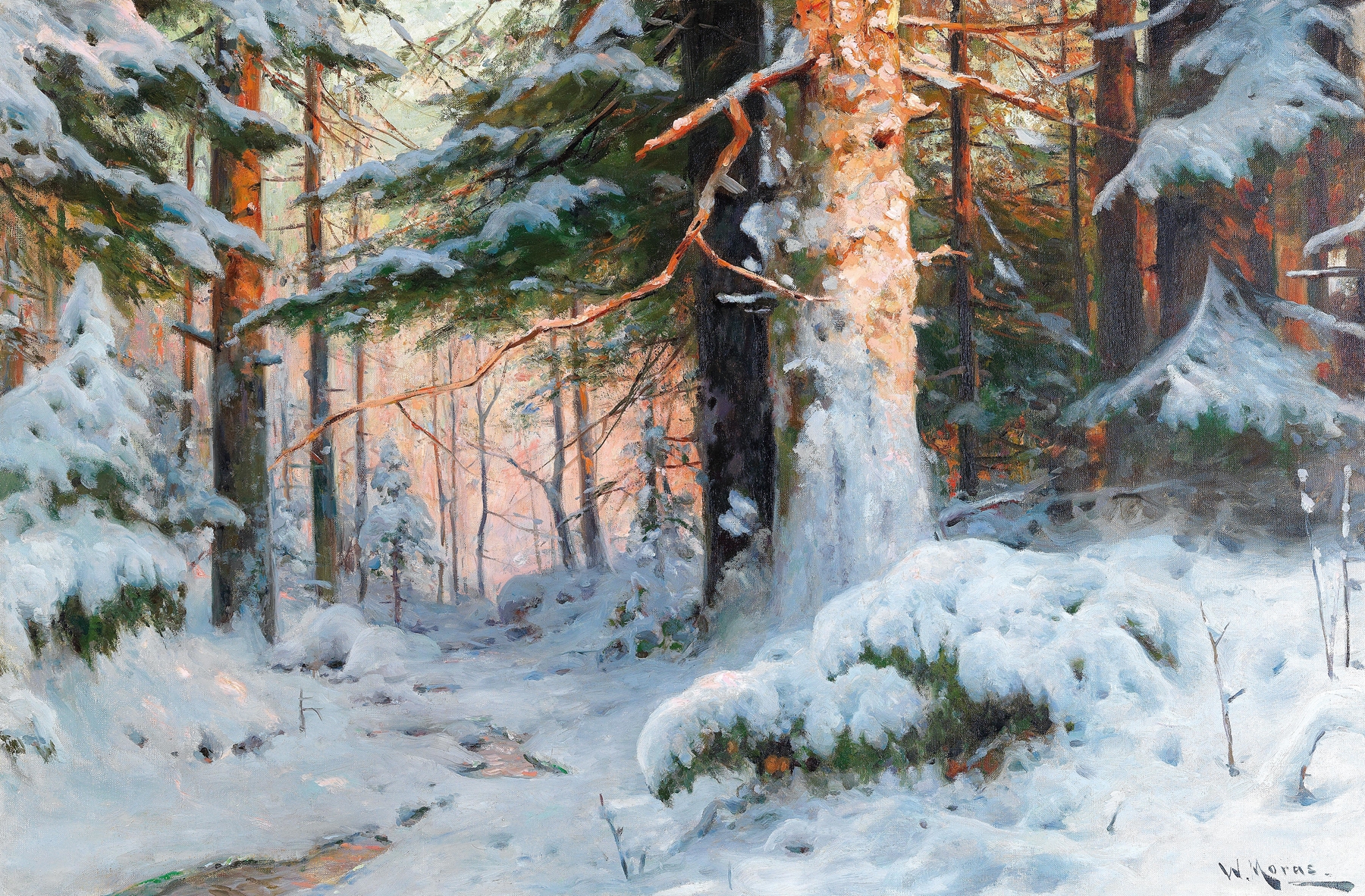
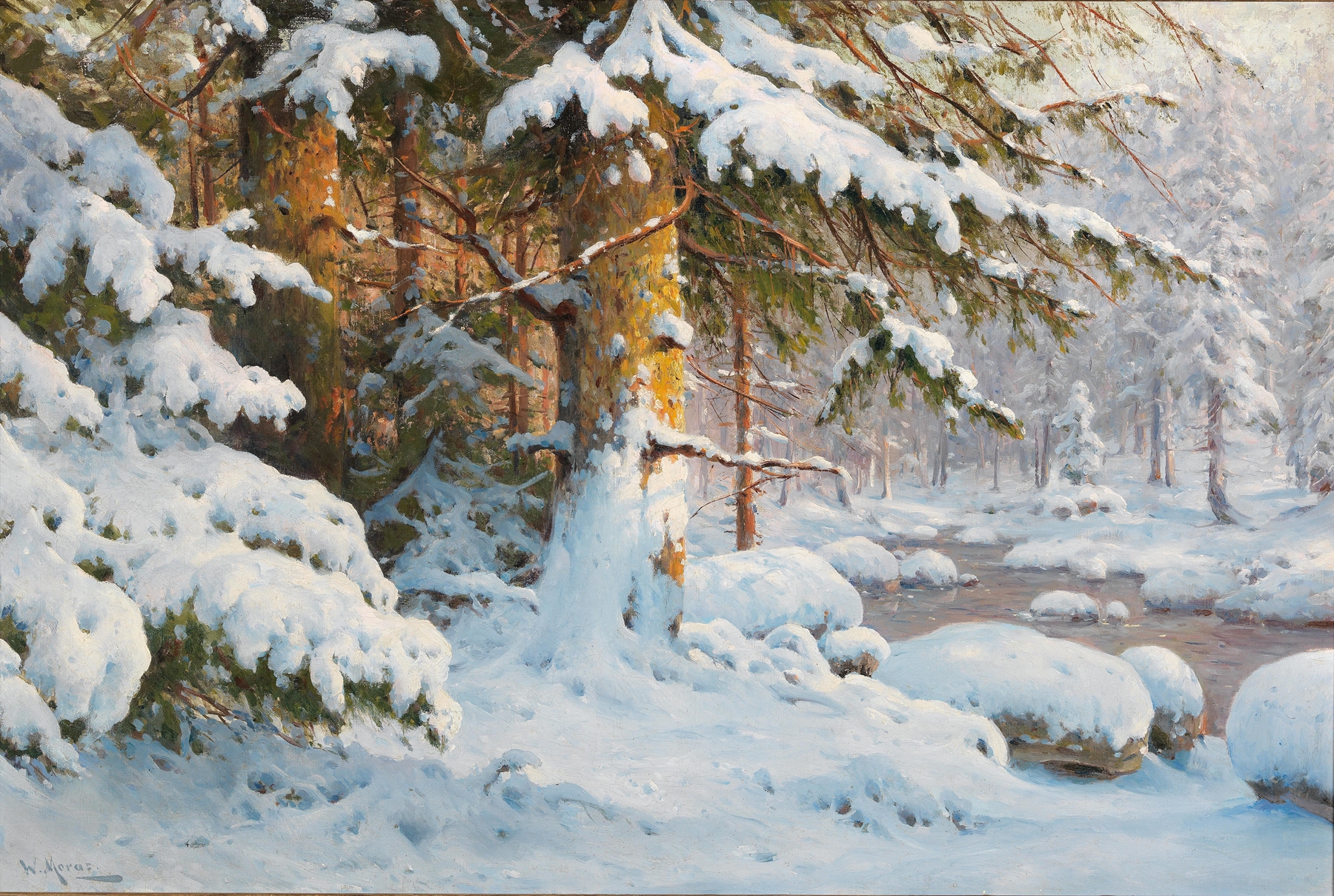
“Sometimes beauty is just pain, disguised in gold.” This thought lingers like a whisper in the air, reminding us of the complexity hidden within nature’s serene façade. Begin your exploration by focusing on the gentle cascade of the watermill’s wheel, where flowing water glistens in the sunlight. The rich greens of the foliage envelop the scene, drawing your gaze deeper into the composition. Notice how the earthy browns of the mill harmonize with the vibrant hues, creating a rhythm that dances with the light.
The soft brushstrokes evoke a sense of calm, while the contrast between the fluid water and the sturdy structure hints at an unspoken struggle between man and nature. As you delve deeper, consider the juxtaposition of tranquility and turmoil. The watermill stands as a testament to human endeavor, yet the relentless flow of water reflects the passage of time and the inevitability of change. The play of light and shadow intrigues, as moments of brightness reveal hidden details within the swirling depths of the stream, suggesting that what appears peaceful on the surface may conceal layers of truth beneath.
Walter Moras created this piece during a period when the natural world increasingly influenced artistic expression. Working in the late 19th century, his works were influenced by the Romantic movement’s appreciation for nature’s beauty and complexity. This painting captures that spirit, embodying both a personal and collective search for truth within the idyllic landscapes of his time.