Westminster Abbey from Tothill Fields — History & Analysis
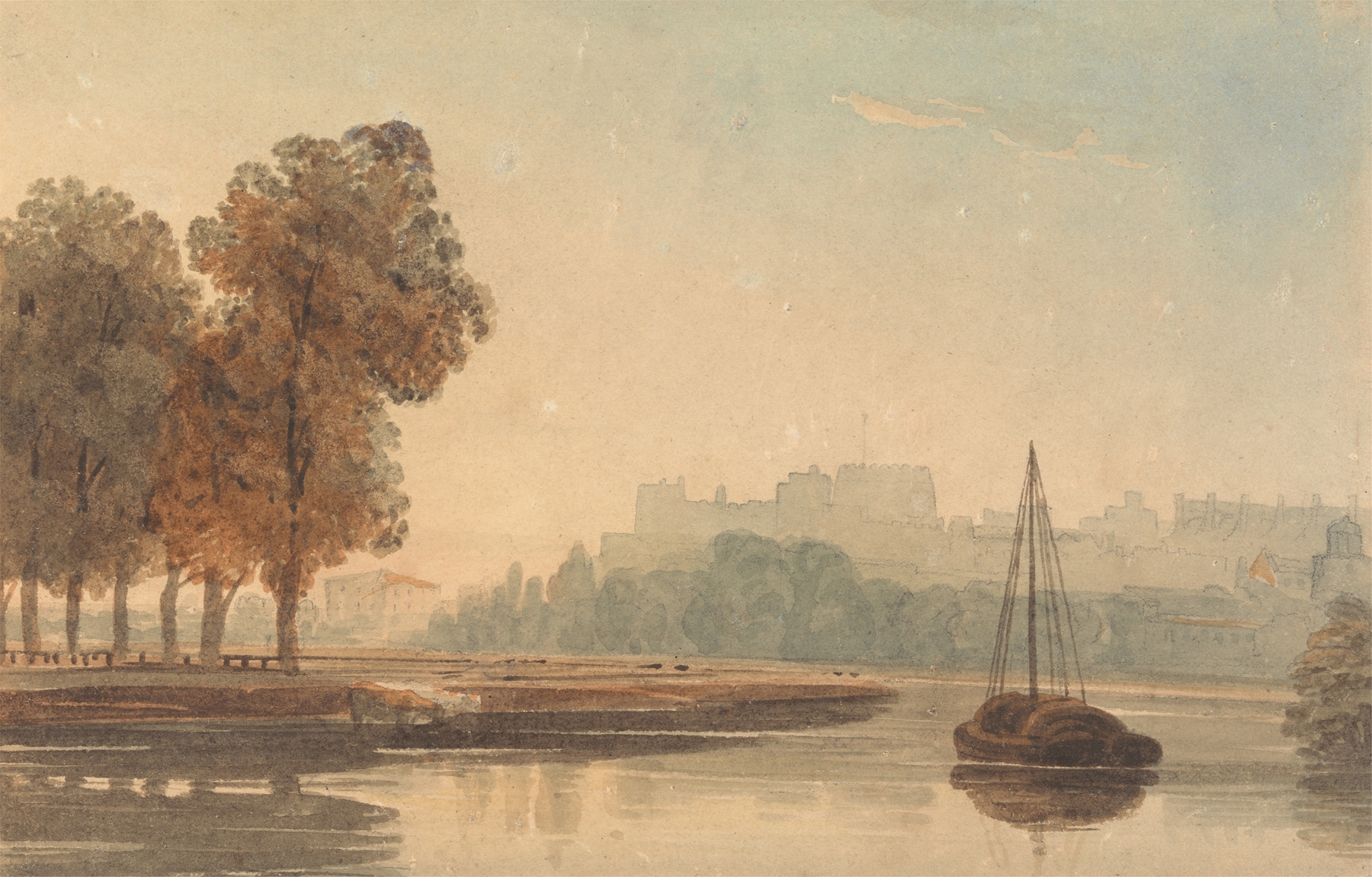
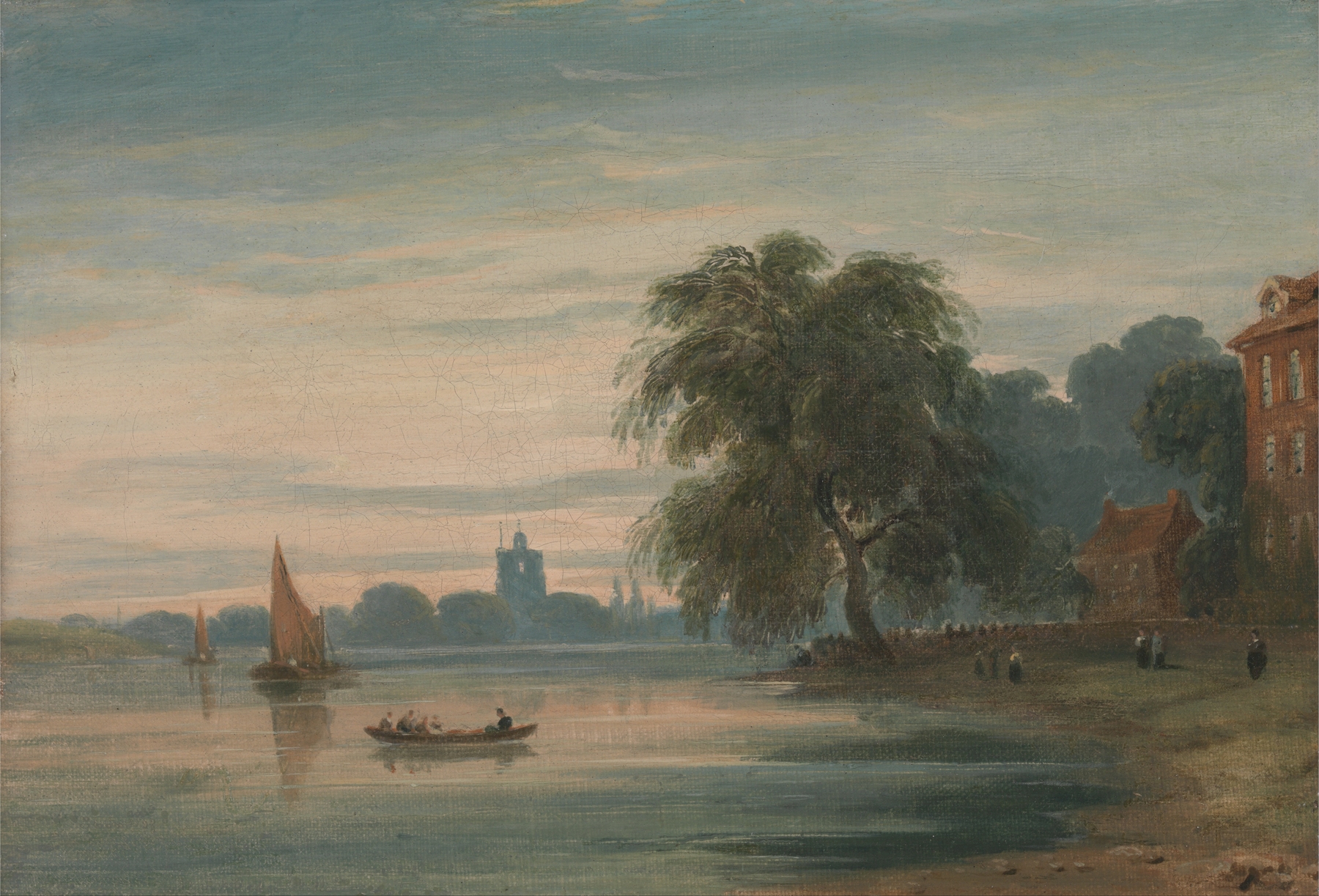
Can paint confess what words never could? In Westminster Abbey from Tothill Fields, the canvas becomes a silent witness to the grandeur of a storied edifice, capturing a moment when architecture whispers the secrets of time. Look to the left at the intricate spires that reach toward the heavens, each line meticulously drawn to convey both strength and delicacy. The soft, pastel hues of the sky swirl in a gentle embrace with the stonework, revealing a delicate interplay of light and shadow. Notice how the foreground’s verdant fields invite you in, grounding the ethereal beauty of the Abbey with earthy tones, while the light dances across the scene, setting it aglow with a divine luminescence.
The framing of the Abbey within the landscape speaks to the harmony between the natural and the man-made, a testament to human endeavor. Delve deeper into the emotional landscape, where contrasts emerge. The lush green of Tothill Fields serves as a vibrant counterpoint to the solemnity of Westminster Abbey, suggesting life and vitality against the backdrop of history and reverence. Hidden in the delicate brushstrokes is a narrative of transition—an invitation to witness the enduring nature of faith and culture, unfurling amidst the passage of time.
The subtle play of sunlight hints at a moment of potential and contemplation, drawing the viewer into a dialogue with the painting. During the time Westminster Abbey from Tothill Fields was created, John Varley was likely navigating the changing art landscape of early 19th-century England, a period marked by Romanticism's influence. Varley was known for his watercolors and landscape paintings, which gained popularity as artists began to explore the emotional resonance of their surroundings. The work reflects his fascination with natural beauty and historical significance, mirroring a society increasingly captivated by its own architectural heritage.