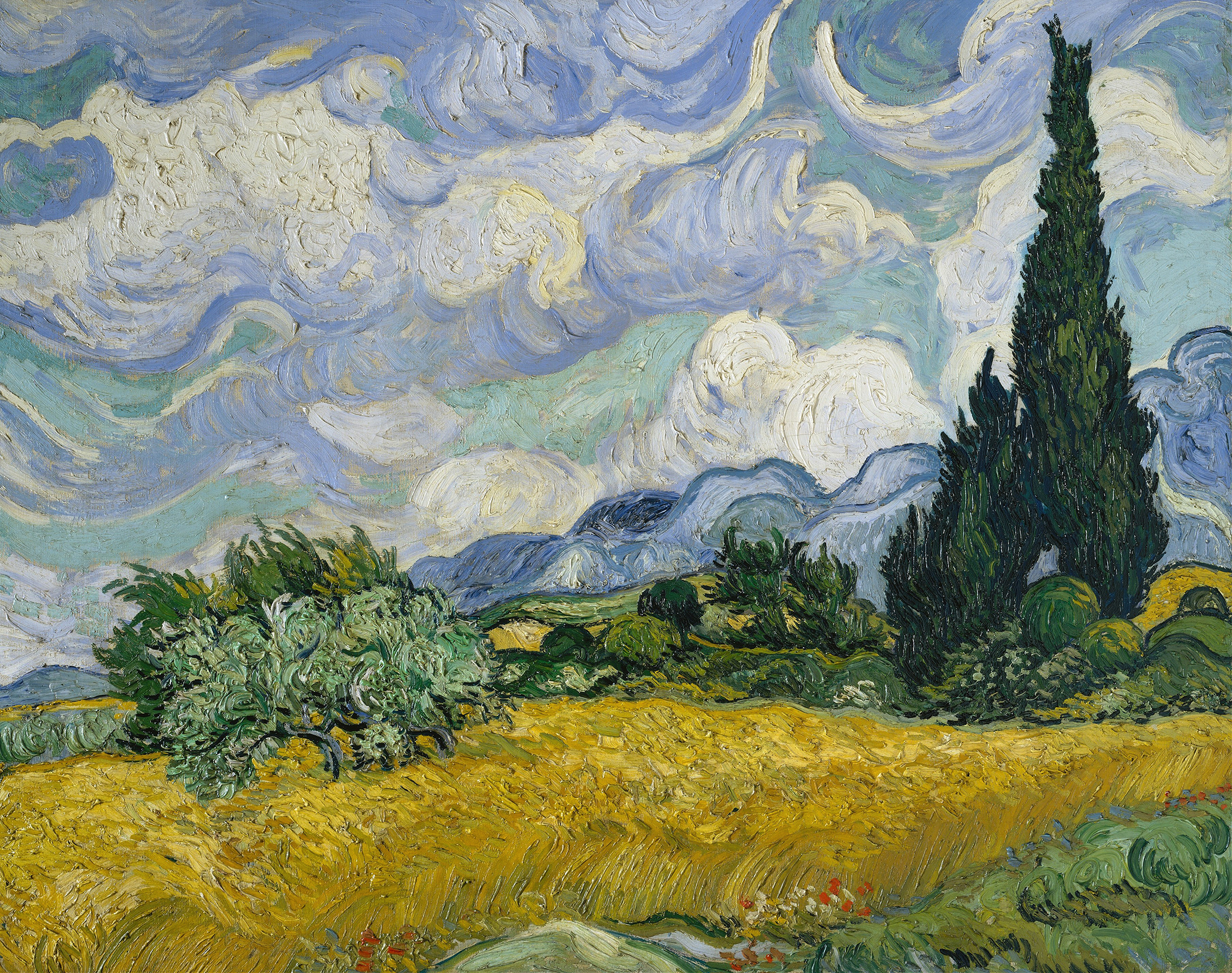
Wheat Fields with Reaper, Auvers — History & Analysis
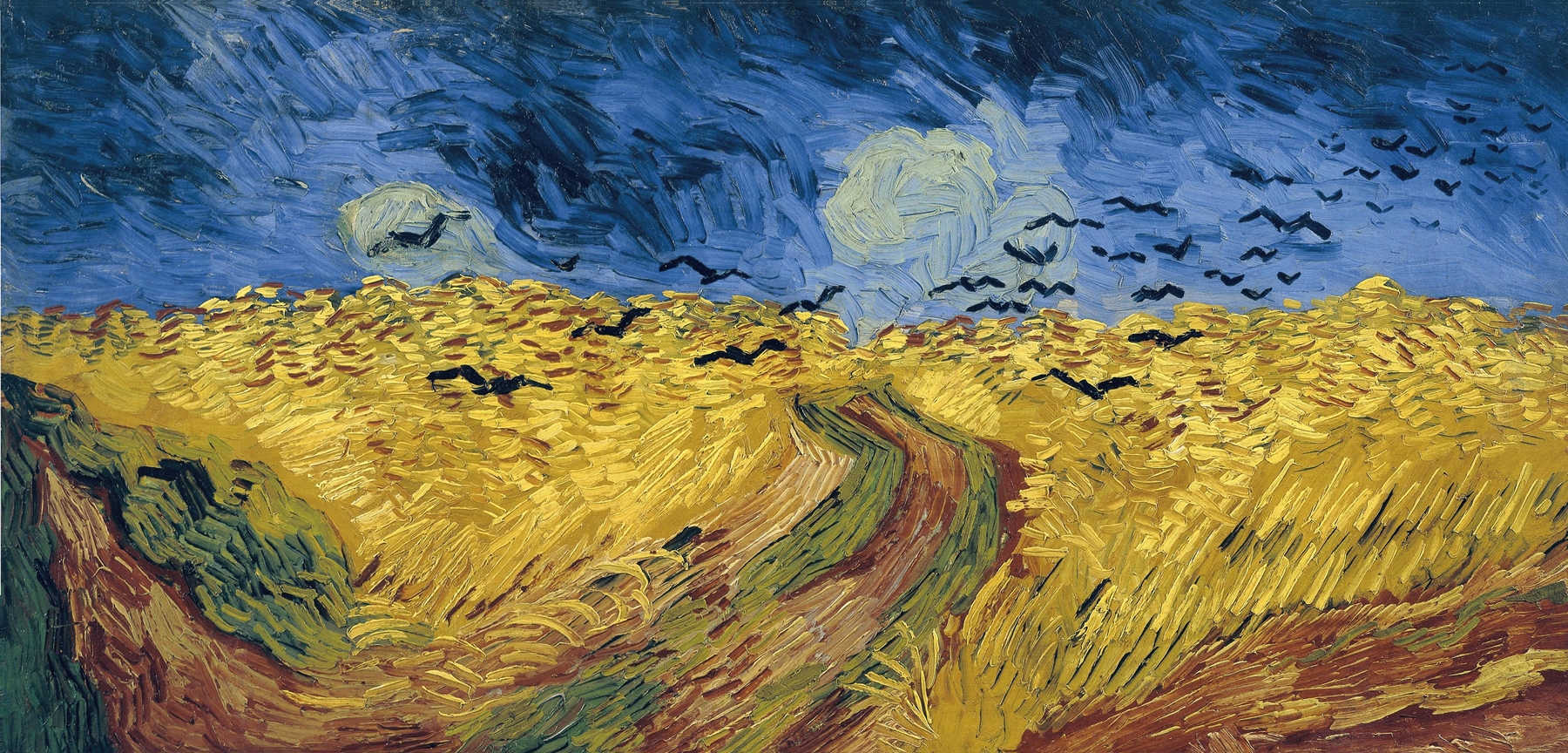
“To paint is to remember what time wants us to forget.” In the golden embrace of wheat fields, innocence unfolds with every stroke, inviting us to witness a moment suspended in time. Look to the left at the reaper, steadfast in their labor, their figure grounded amidst the swirling, vibrant fields. The sun-drenched yellow hues of the wheat contrast starkly with the deep blues of the sky, creating a harmony that feels both jubilant and melancholic. Notice how the lines of the brushwork twist and turn, echoing the undulating landscape, while the subtle variations in texture breathe life into the scene, elevating it from mere depiction to a visceral experience.
In the distance, the horizon seems to blend with the sky, suggesting the unseen burden of time and toil. The figure’s solitary stance hints at a deeper narrative—perhaps a reflection on the fleeting nature of innocence in an ever-demanding world. The juxtaposition of labor and the serene beauty of the fields evokes an emotional tension, pulling the viewer into a contemplative space where the innocence of rural life meets the inevitability of change.
During the late spring of 1890, Van Gogh painted this piece while living in Auvers-sur-Oise, a small French village. This period was marked by his struggles with mental health, yet it also represented a time of artistic growth and clarity. The burgeoning Post-Impressionist movement was gaining momentum, and Van Gogh sought to capture the emotional essence of everyday life, a vision that resonates powerfully in this work.