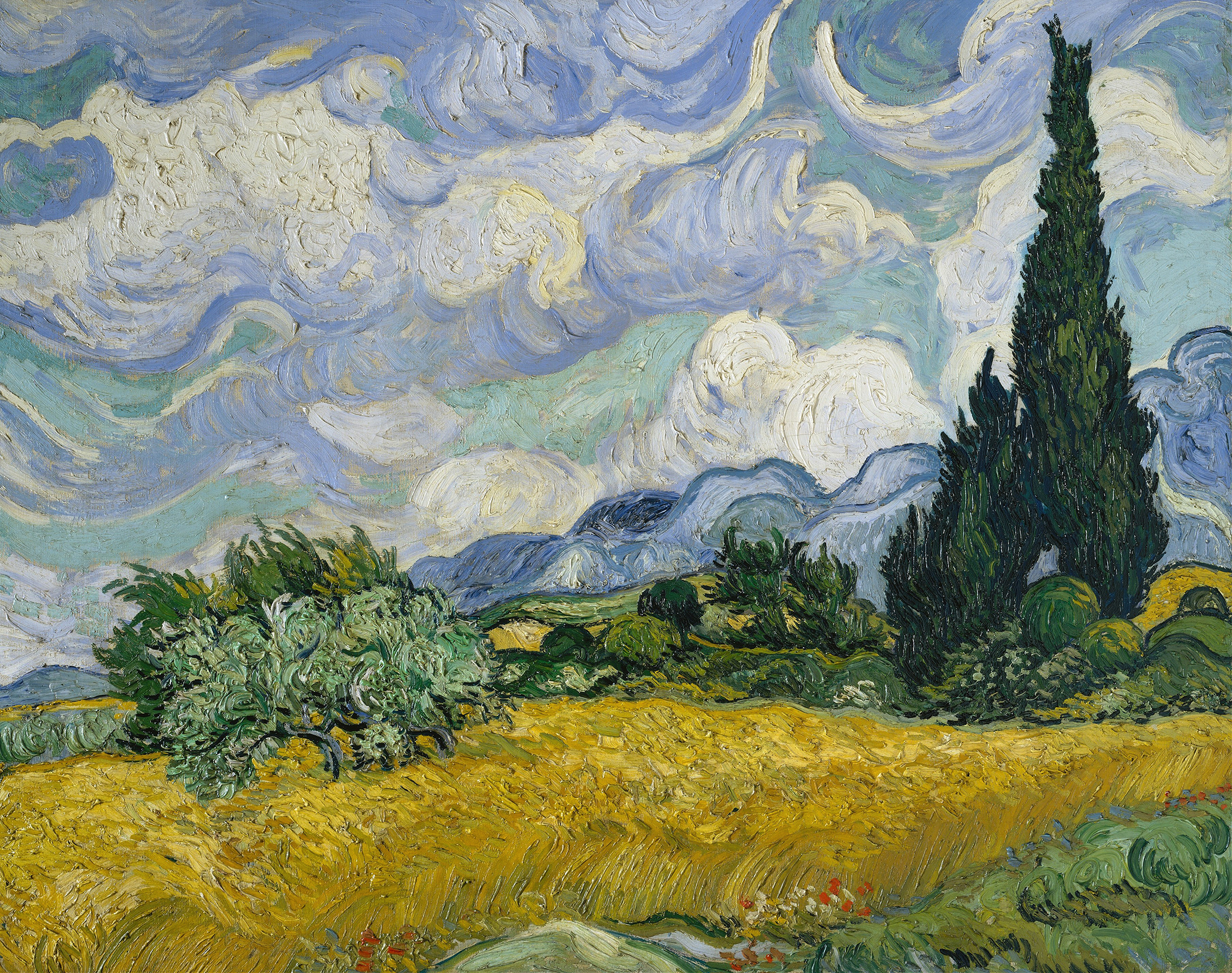
Wheatfield — History & Analysis
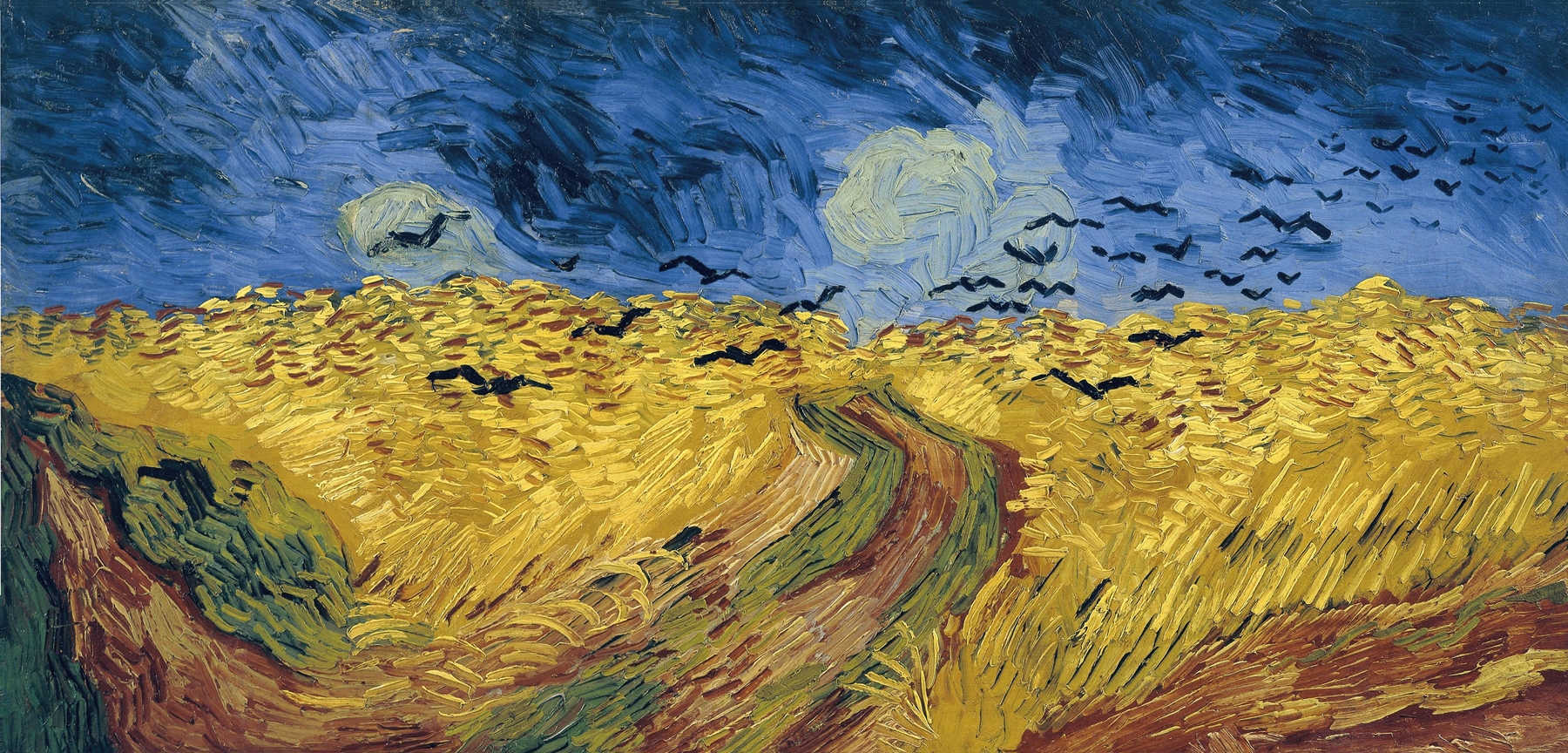
“Art reveals the soul when the world turns away.” In the quiet rustle of golden stalks, a heartache simmers beneath the serene surface of a sunlit landscape. The vibrant hues of yellow and green beckon the viewer to explore an emotional landscape that lies interwoven with betrayal and longing. Look to the left at the delicate, swirling brushstrokes that define the wheatfield, each stroke an echo of the artist's own turmoil. The sun, radiant and bold, casts a warm glow, illuminating the textured surface of the wheat while creating long shadows that dance across the ground.
Notice how the horizon line dips gently, drawing your eye deeper into the expanse, which seems to pulse with life yet feels hauntingly isolated. The contrasting shades of blue in the sky serve to heighten this emotional tension, suggesting an impending storm that looms just beyond the idyllic scene. Within this expanse, the grain serves as a metaphor for both abundance and loss, a duality that reflects the artist's struggles with mental health and his yearning for connection. The wheat, ripe and ready for harvest, can be seen as a symbol of promise, yet it also evokes the pain of what is fleeting.
The landscape feels alive and yet, in its vastness, achingly lonely, as though the artist's own feelings of betrayal by those he loved seep into the very fabric of the scene. Created in Arles during the summer of 1888, the piece emerged from a period of intense creativity and personal strife for the artist. Van Gogh, seeking solace and inspiration in the rural beauty surrounding him, was also grappling with isolation and the complexities of his relationships. His bold use of color and emotive brushwork during this time marked a significant evolution in his style, reflecting both his external surroundings and inner turmoil.