Winding River — History & Analysis
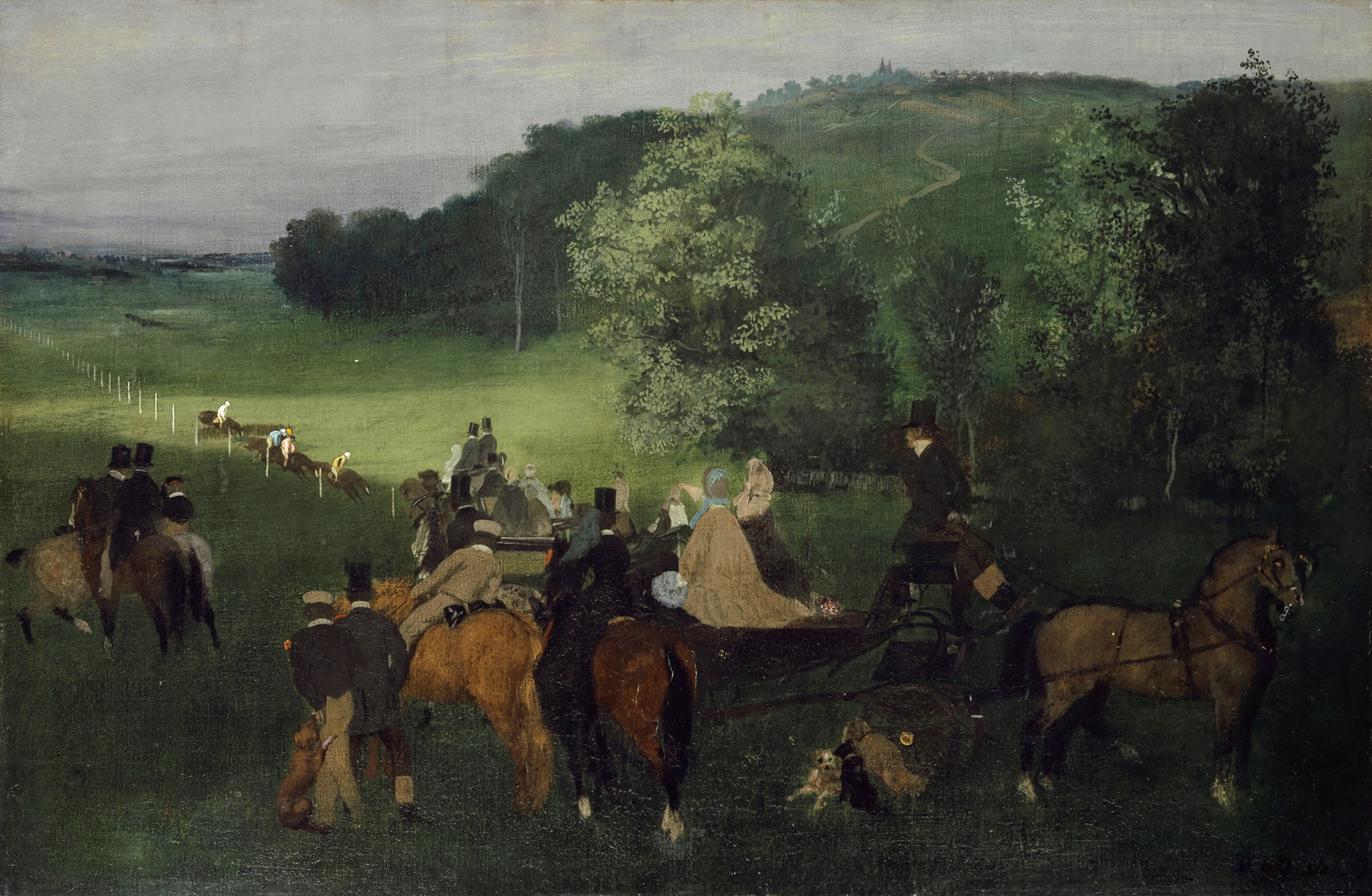
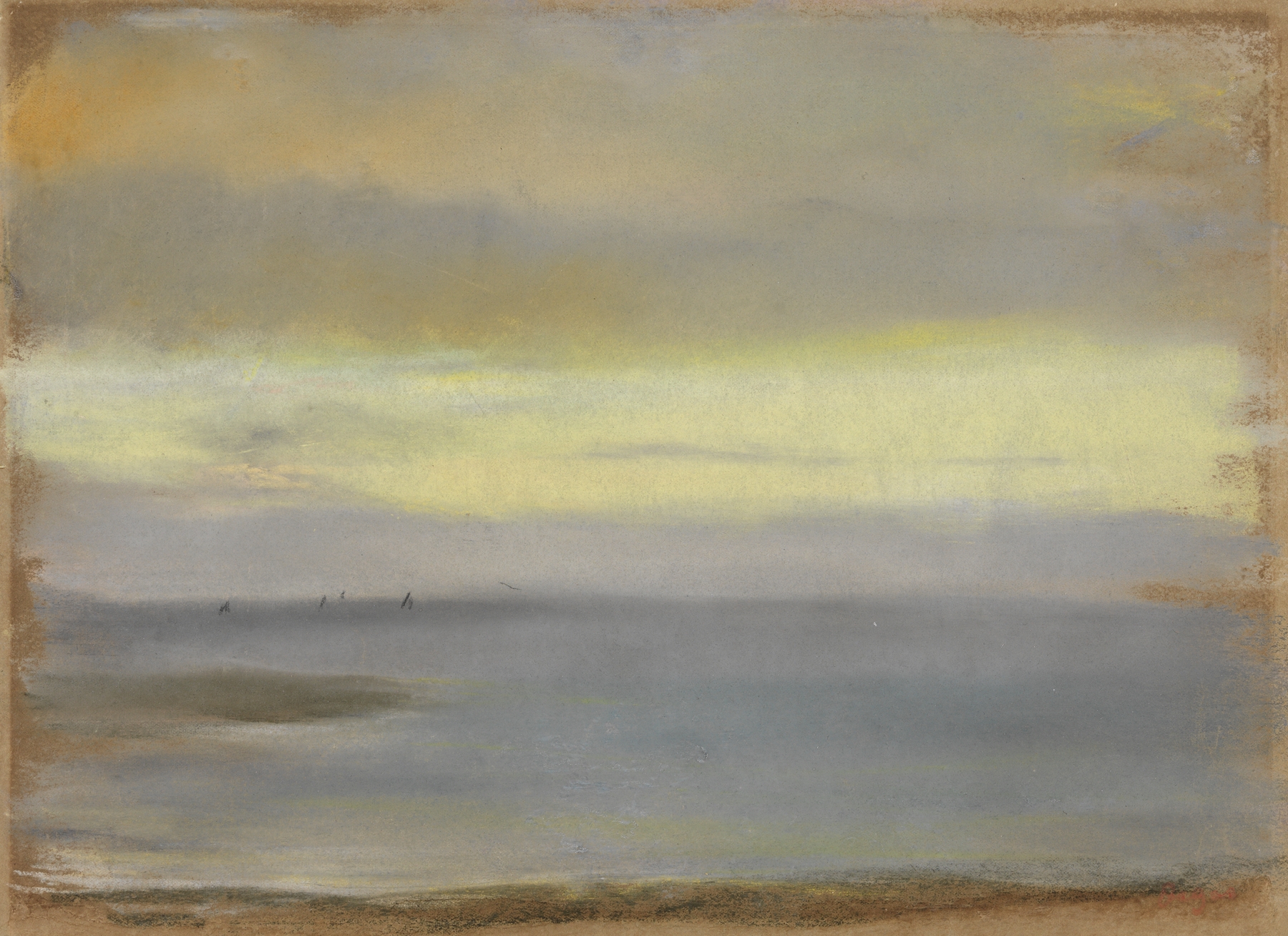
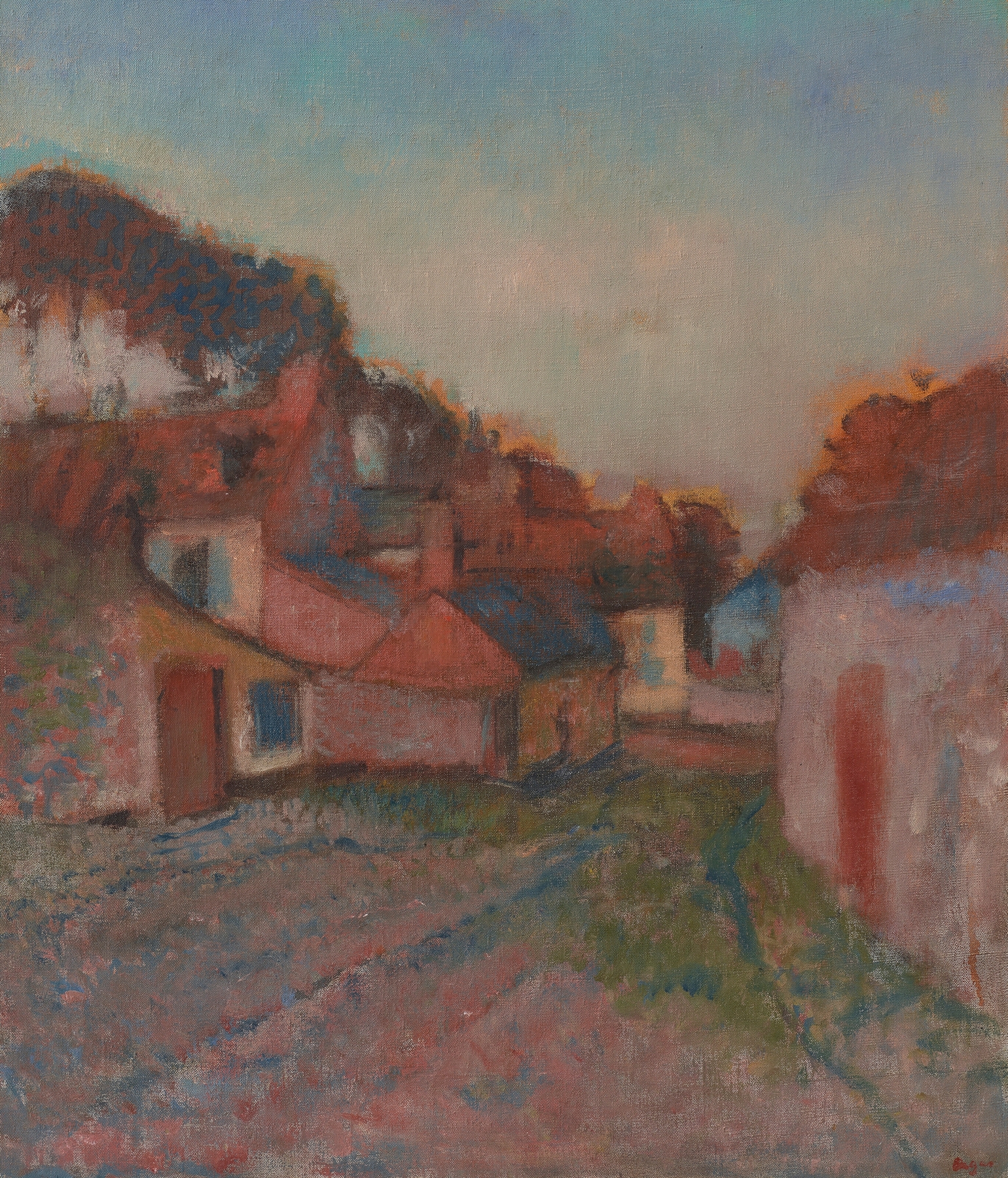
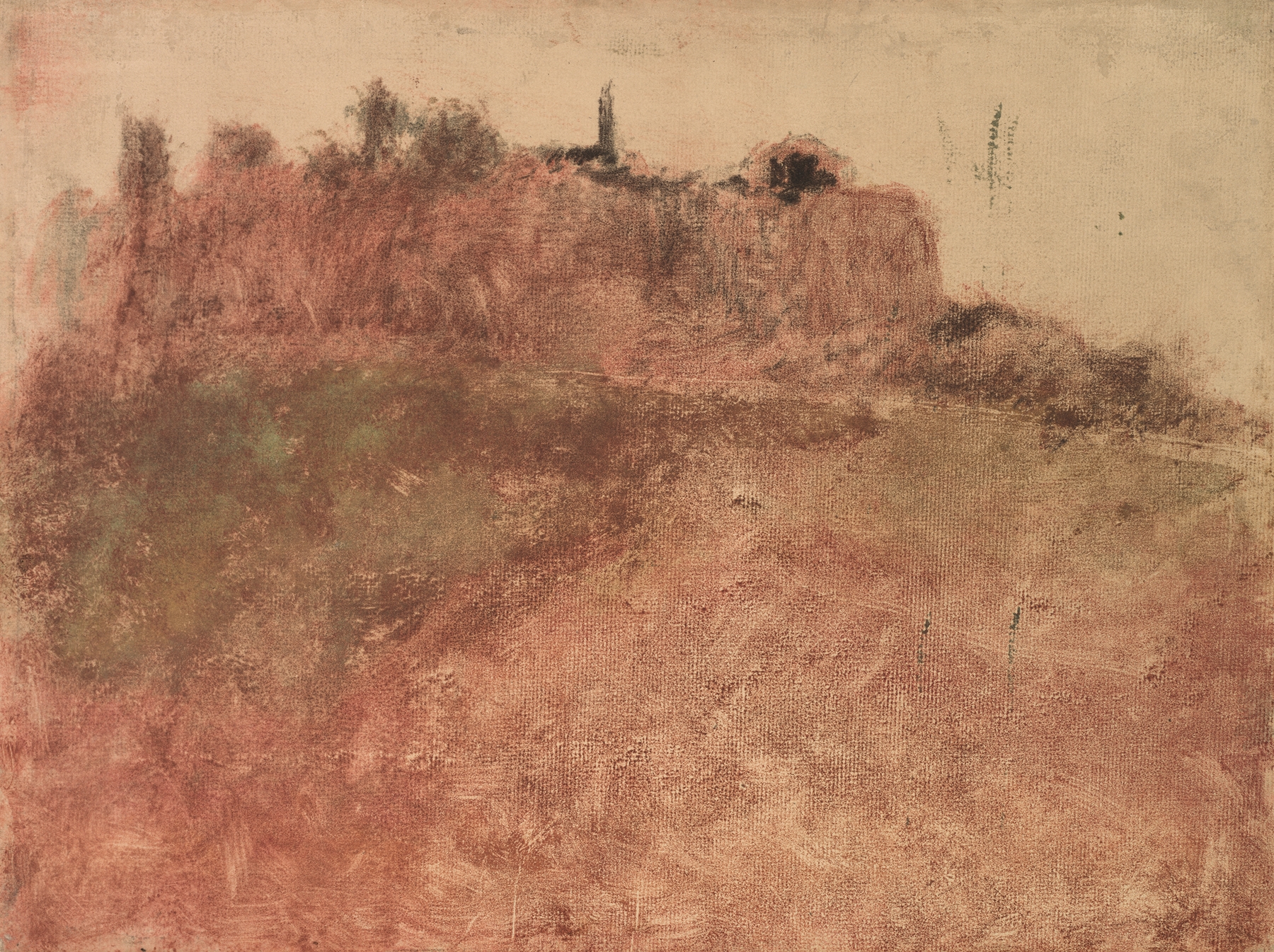
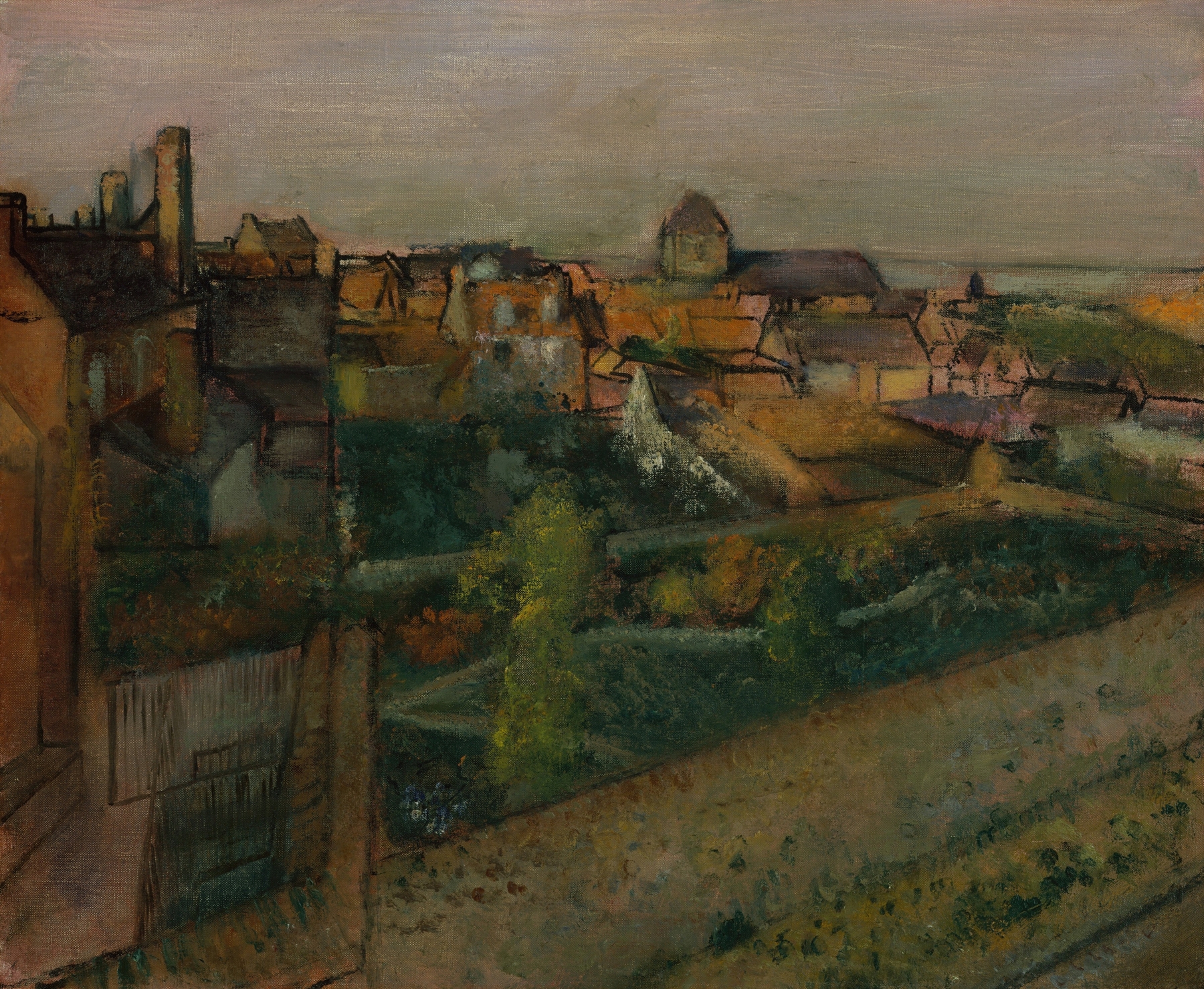
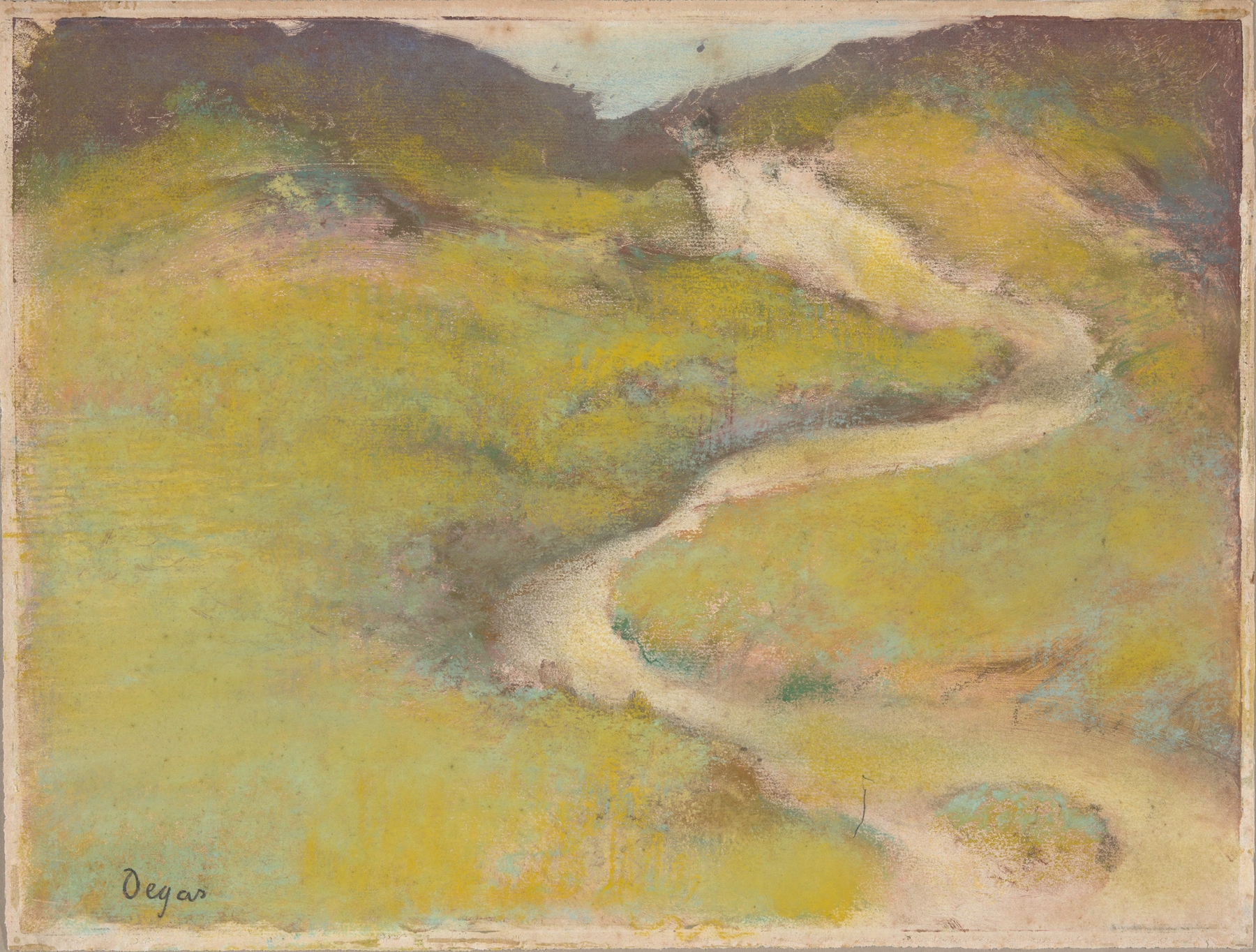
“Under the brush, chaos becomes grace.” In Winding River, the interplay of light transforms a natural scene into an enchanting ballet of colors and forms. This painting encapsulates the serene yet dynamic essence of water as it flows, suggesting a deeper exploration of movement and tranquility intertwined. Look to the left at the dappled sunlight filtering through the lush foliage, illuminating the river’s surface in shimmering hues of blue and green. Notice how Degas employs sweeping strokes to convey the river's gentle curves, drawing your eye along its meandering path.
The palette is a soft symphony, harmonizing cool and warm tones that evoke a sense of calm, while the brushwork creates a sense of rhythm and fluidity, reflecting the river’s timeless journey. Beneath the surface beauty lies a contrast between nature’s serenity and its restless motion. The gentle reflections on the water hint at a fleeting moment, one that invites contemplation and introspection. The trees’ sturdy trunks stand in stark contrast to the ephemeral ripples, suggesting resilience amidst the ever-changing flow of life.
This duality echoes the human experience, where moments of peace coexist with the relentless passage of time. In 1890, Edgar Degas was deeply immersed in the Impressionist movement, yet his focus often diverged from the traditional themes of his peers. Painting from his studio in Paris, he sought to capture the subtleties of light and movement in everyday scenes. This period marked a transition in his work, as he increasingly experimented with new techniques, further enriching his artistic exploration of both the physical and emotional landscapes of the world around him.