Windjammers In Falmouth Harbour — History & Analysis
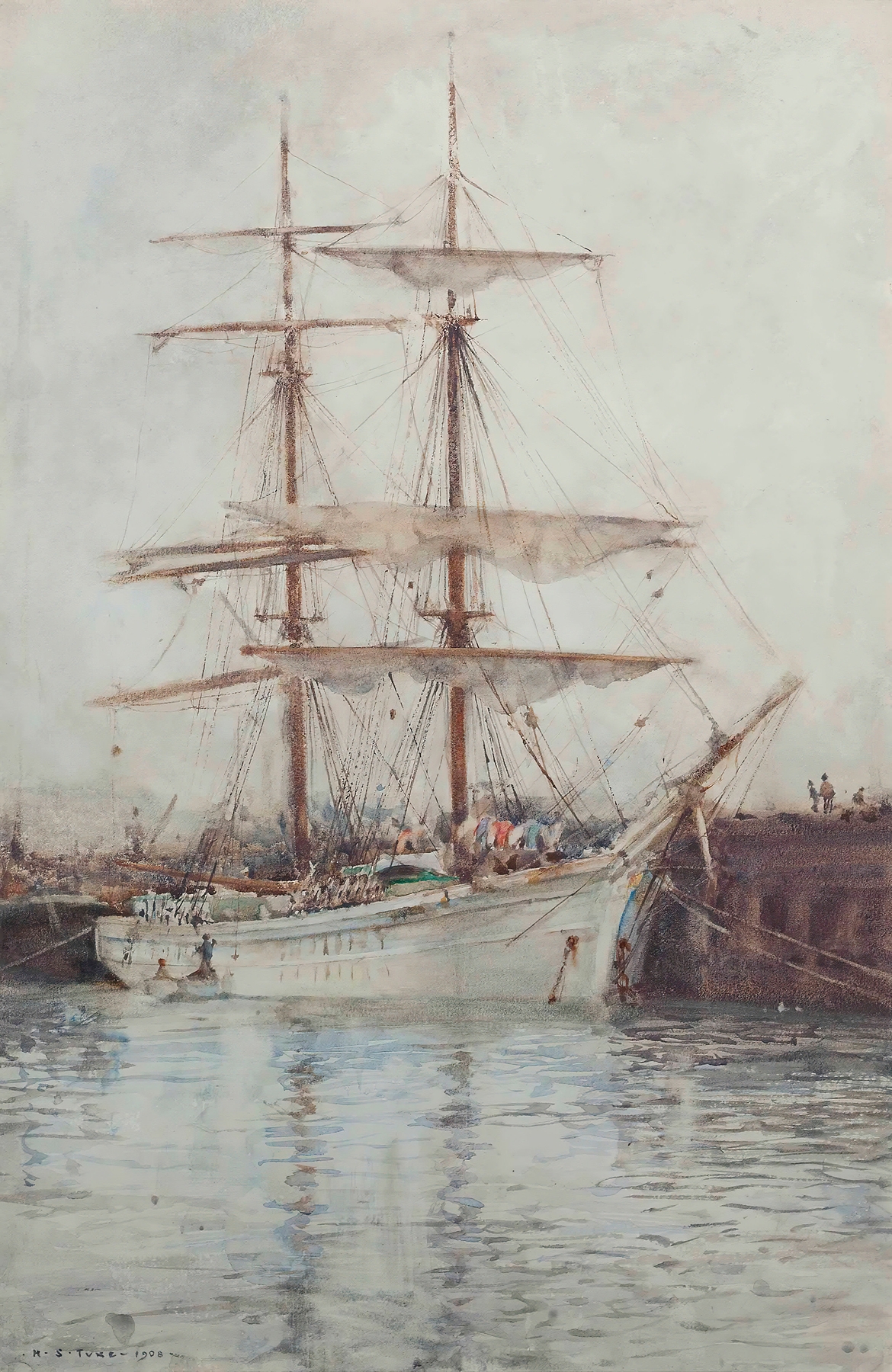
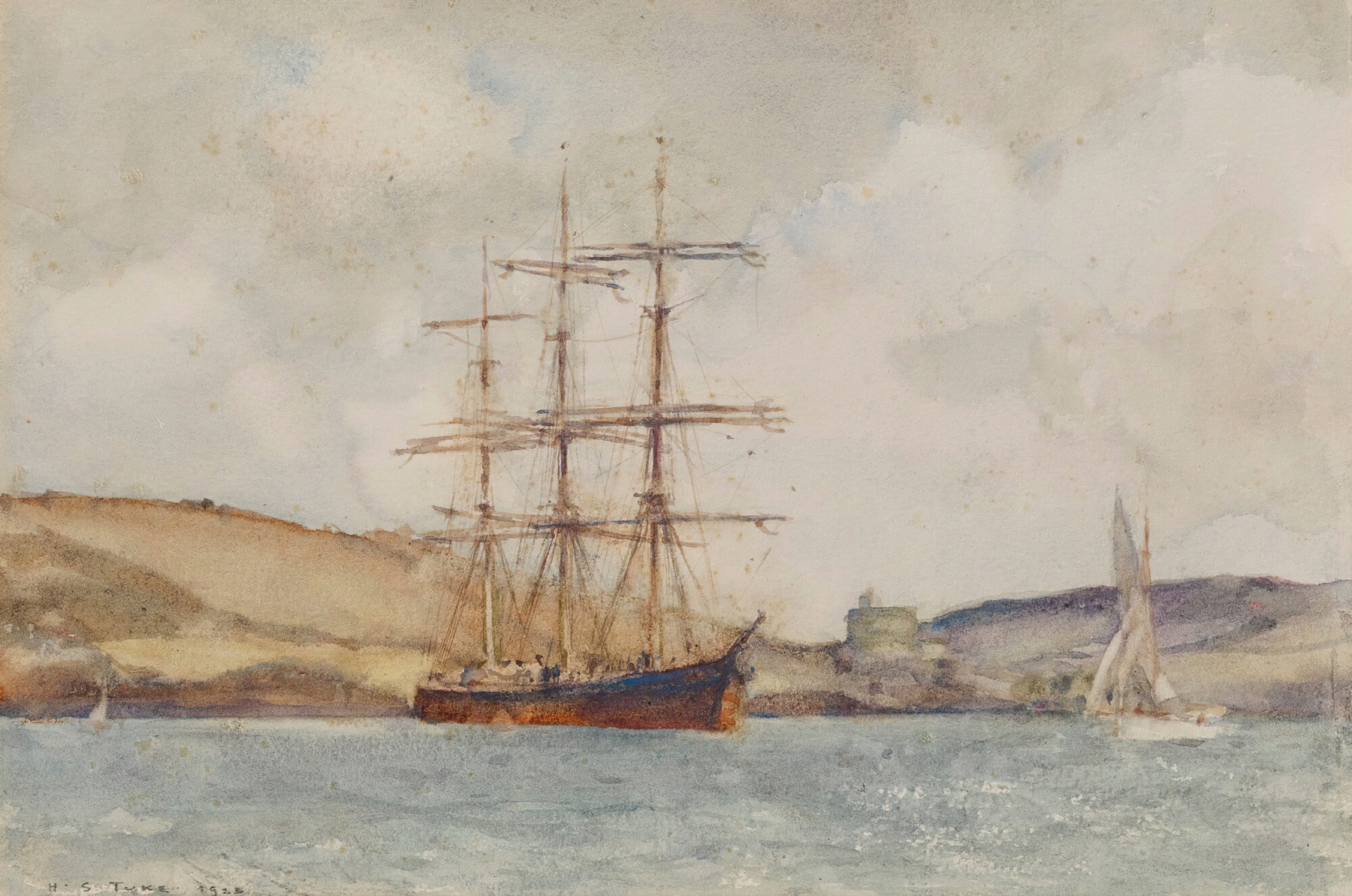
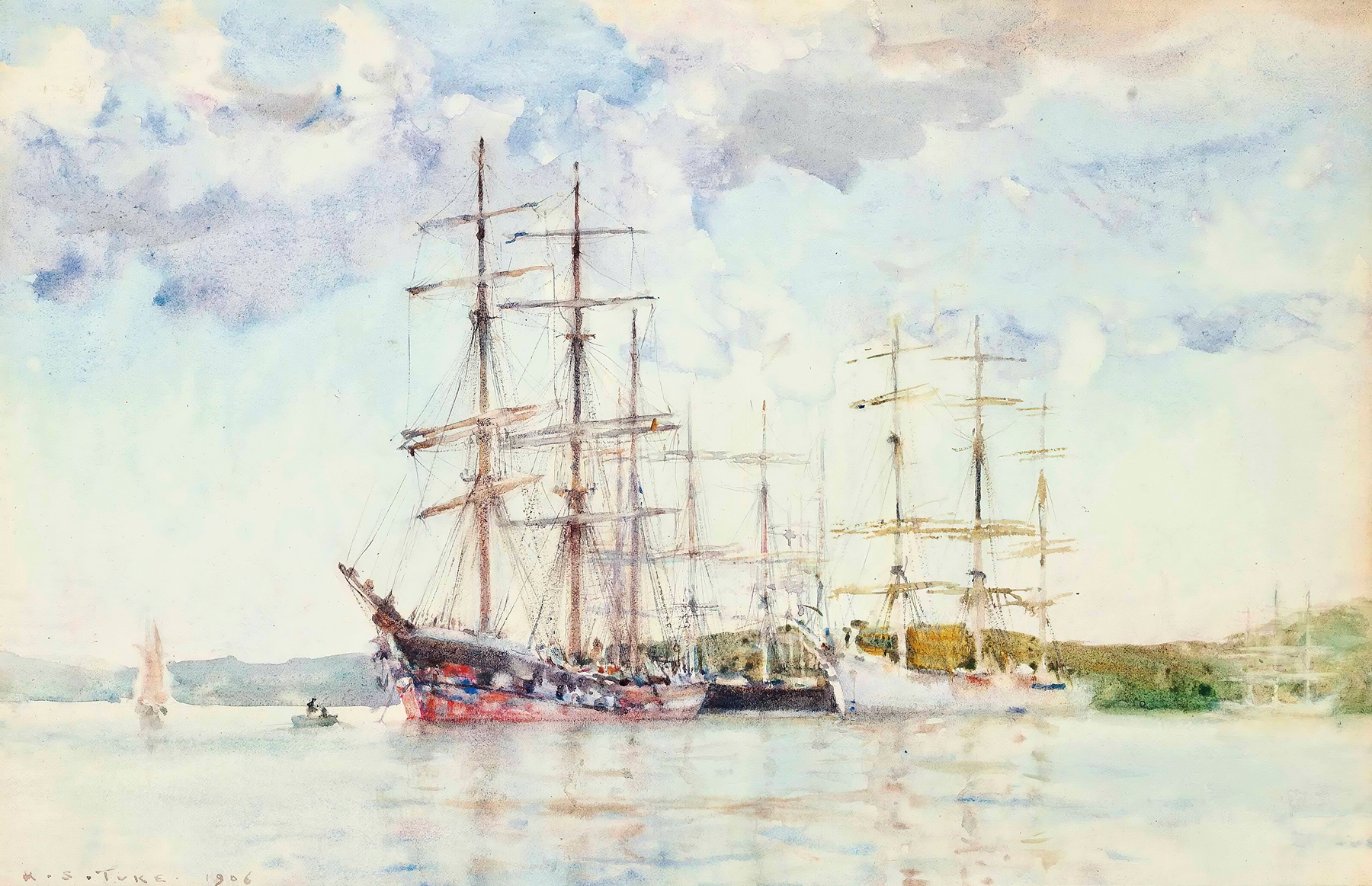
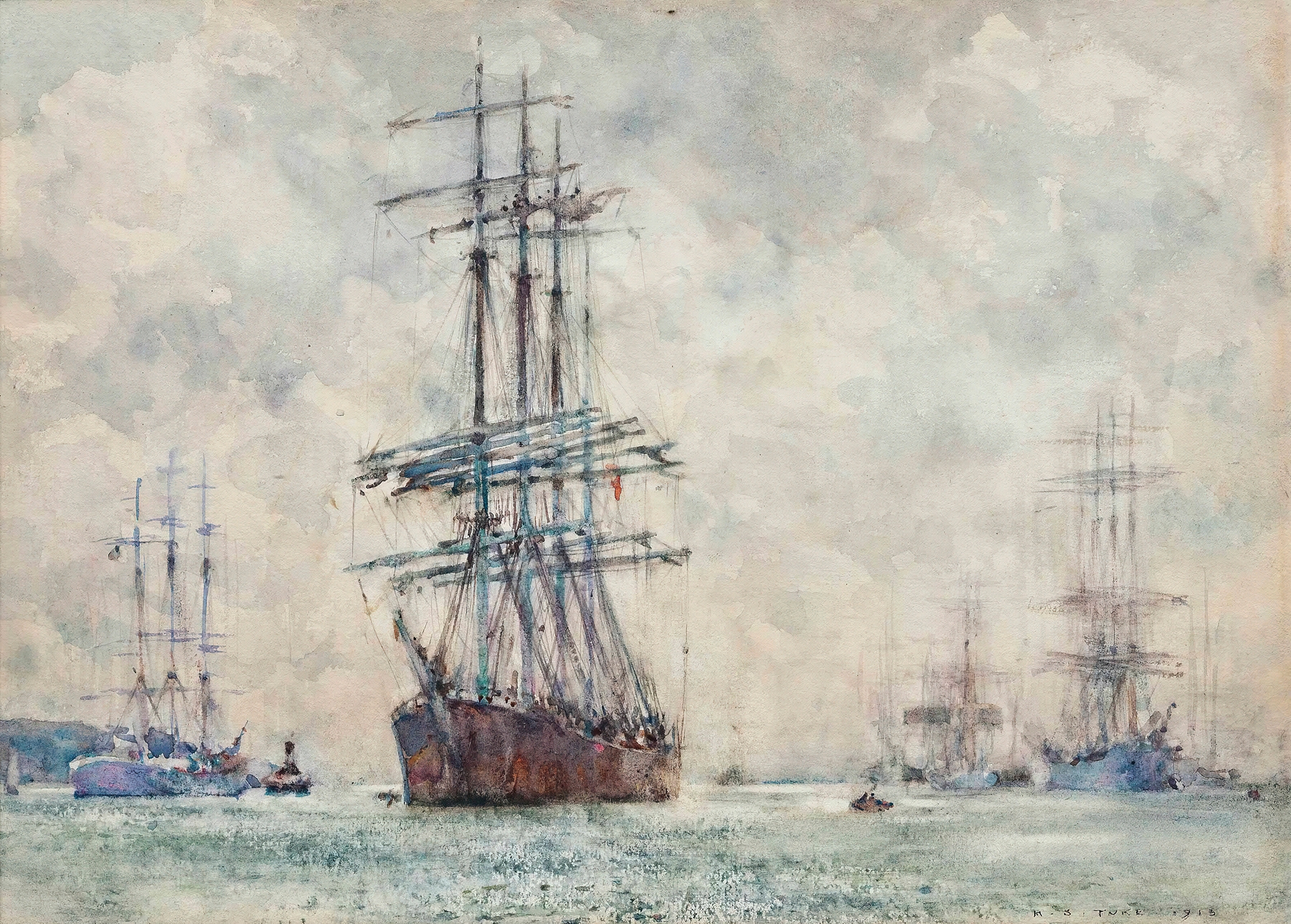
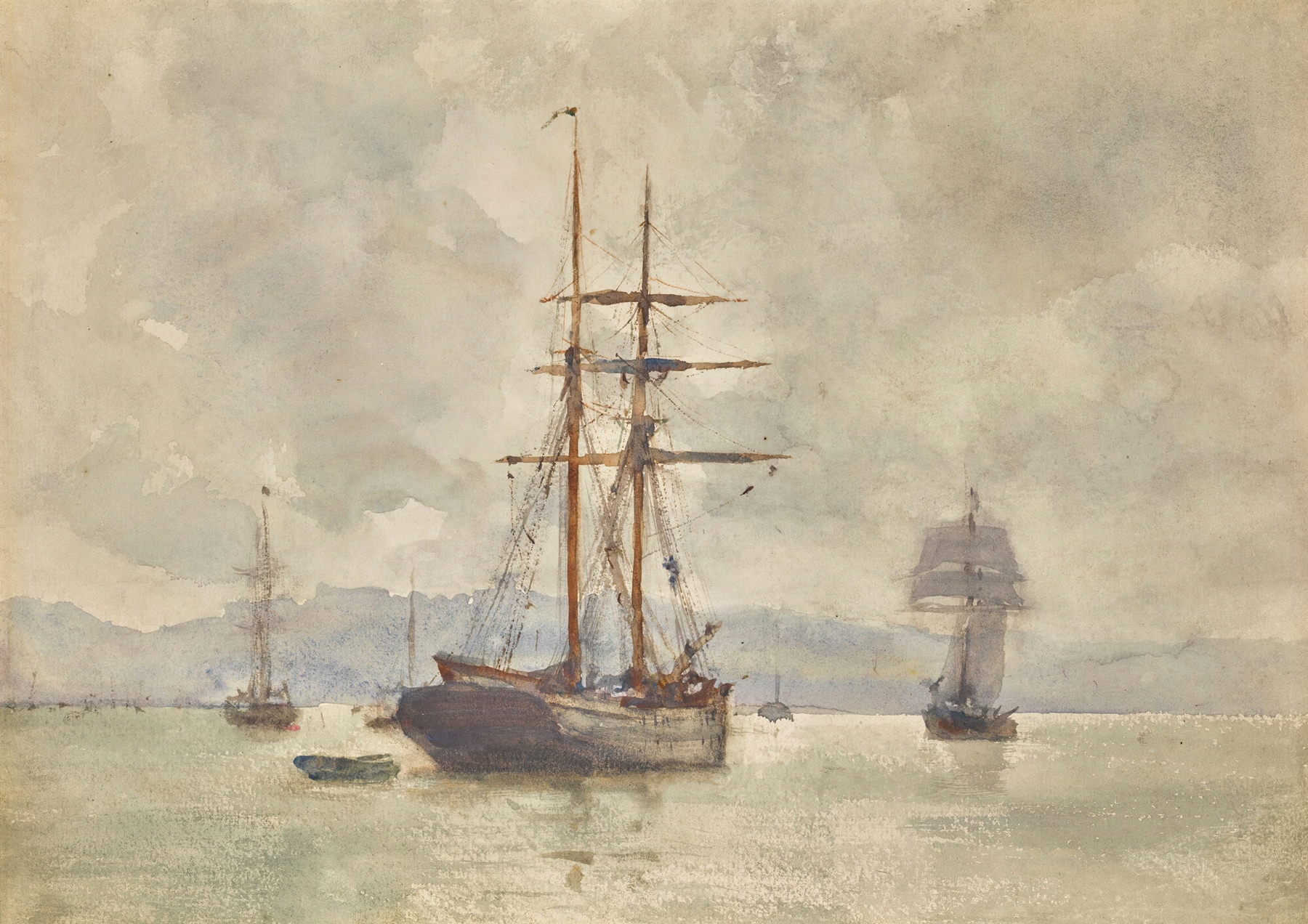
Where does light end, and longing begin? The shimmering reflections in this artwork whisper of fleeting moments, where the warmth of the sun beckons and the sea resonates with the echoes of distant sails. Look to the left at the majestic sails of the windjammers, their canvas stark against the vibrant blue sky. Notice how the delicate brushstrokes depict the rippling surface of the water, each wave a dance of light reflecting the sun's embrace. The subtle gradations of color instill a sense of movement, as if the boats are caught in a gentle, inviting breeze.
The composition draws your eye toward the horizon, creating a sense of depth and freedom that invites the viewer to explore further. Beneath the surface, the interplay of light and shadows reveals a deeper narrative. The brightness of the sails contrasts with the darkened hulls, embodying the tension between nature and human endeavor. Each vessel captures not just the beauty of the scene, but also a longing for adventure, freedom, and connection to the sea.
The artists’ choice to paint this moment at twilight emphasizes a transitional phase, echoing the ephemeral nature of life and dreams. Henry Scott Tuke painted this work in 1913 while residing in Falmouth, England. During this period, he was deeply engaged with maritime themes, reflecting both his personal affinity for the sea and the broader fascination with nautical life in the early 20th century. It was a time when the allure of modernity began to intertwine with traditional craftsmanship, and Tuke’s focus on the interplay of light and atmosphere set him apart in the artistic landscape of his era.