Windmill Hill, no. 1 — History & Analysis
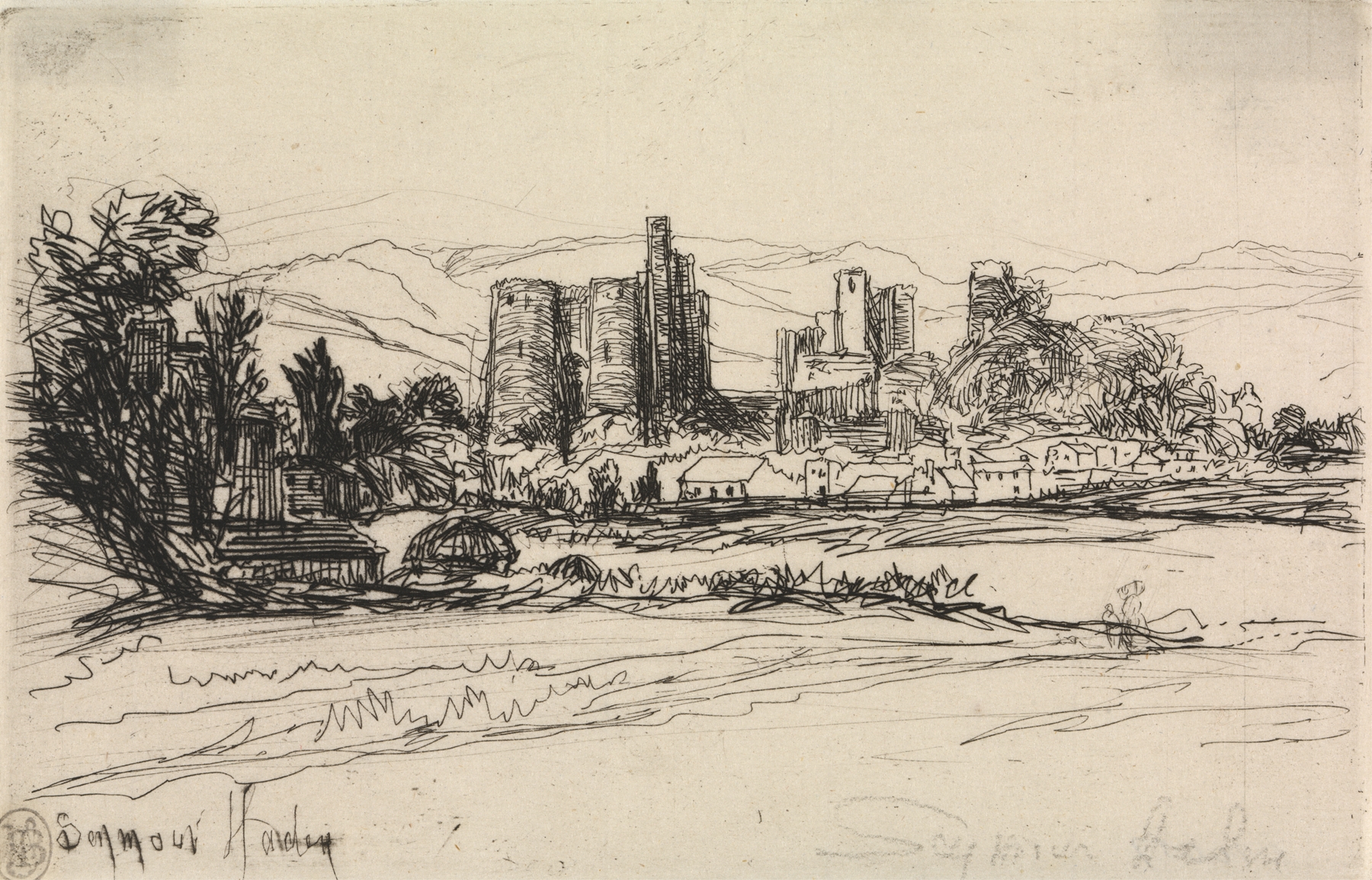
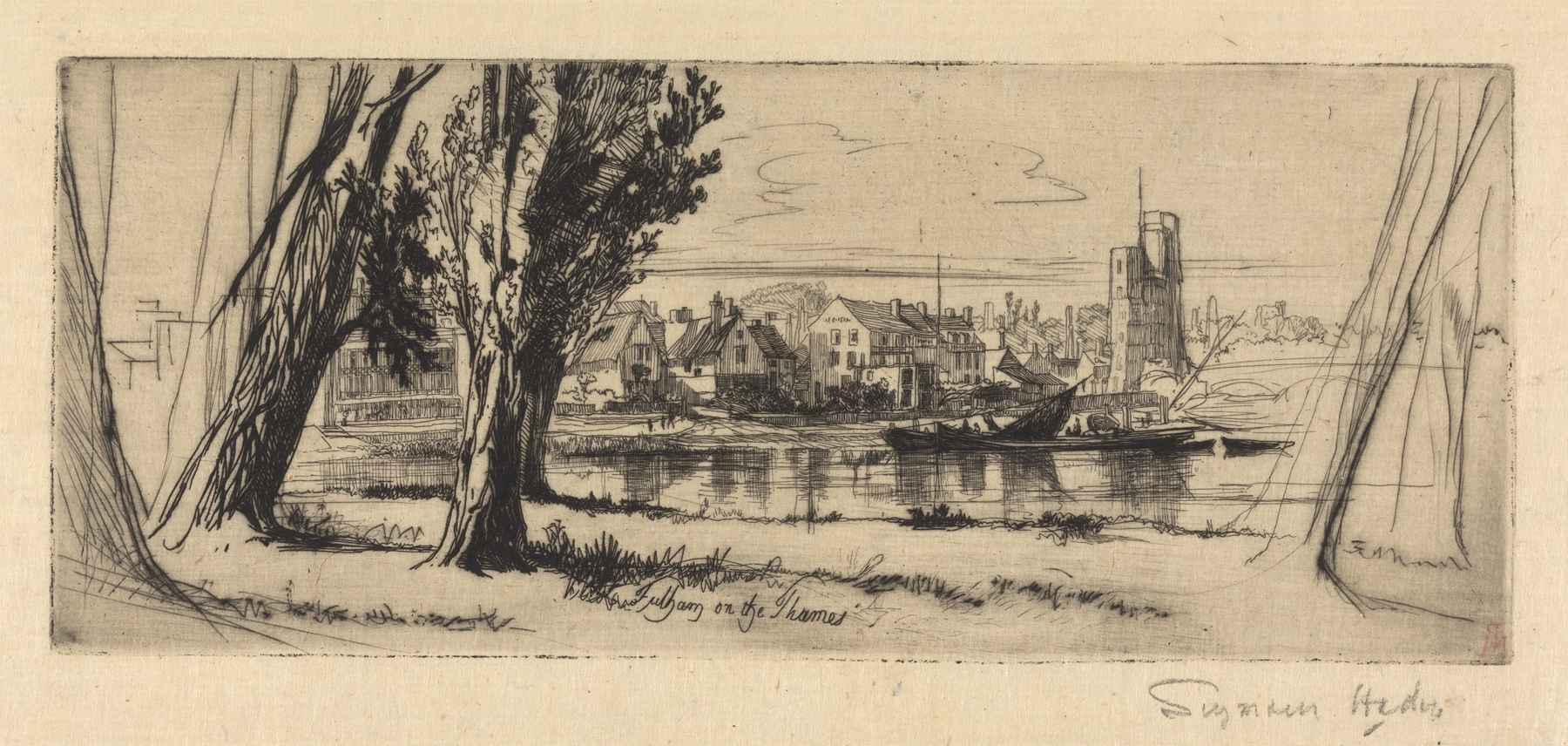
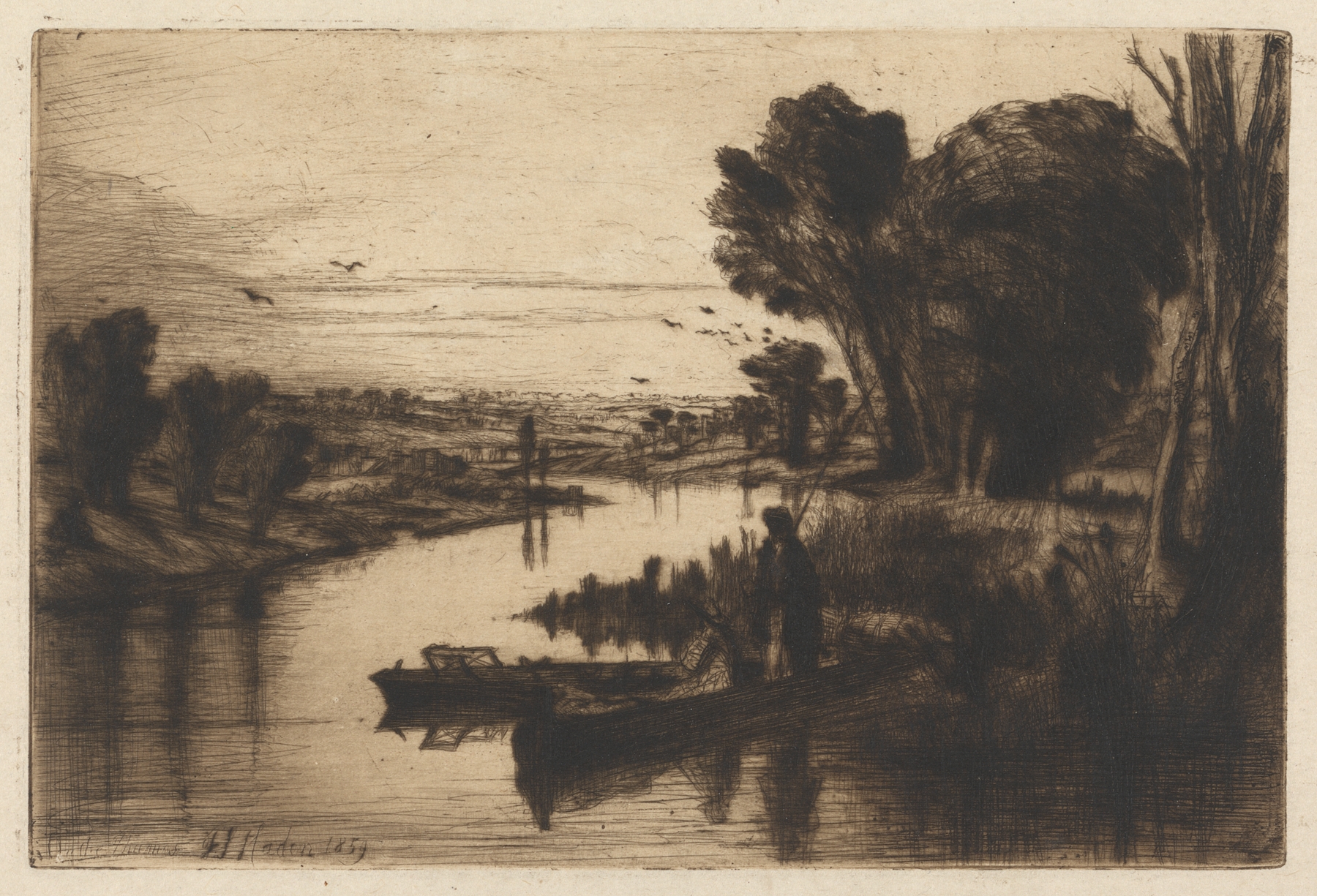
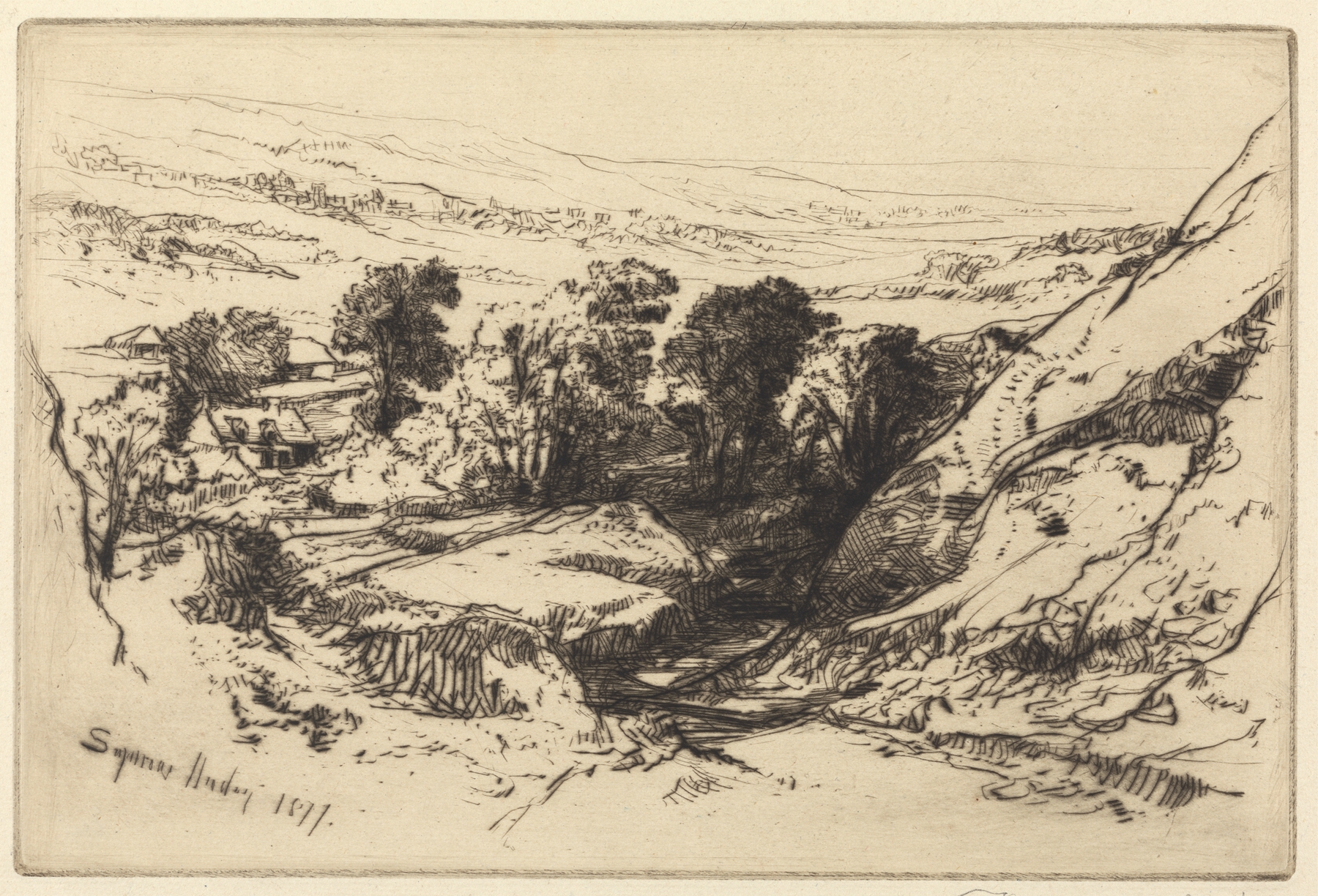
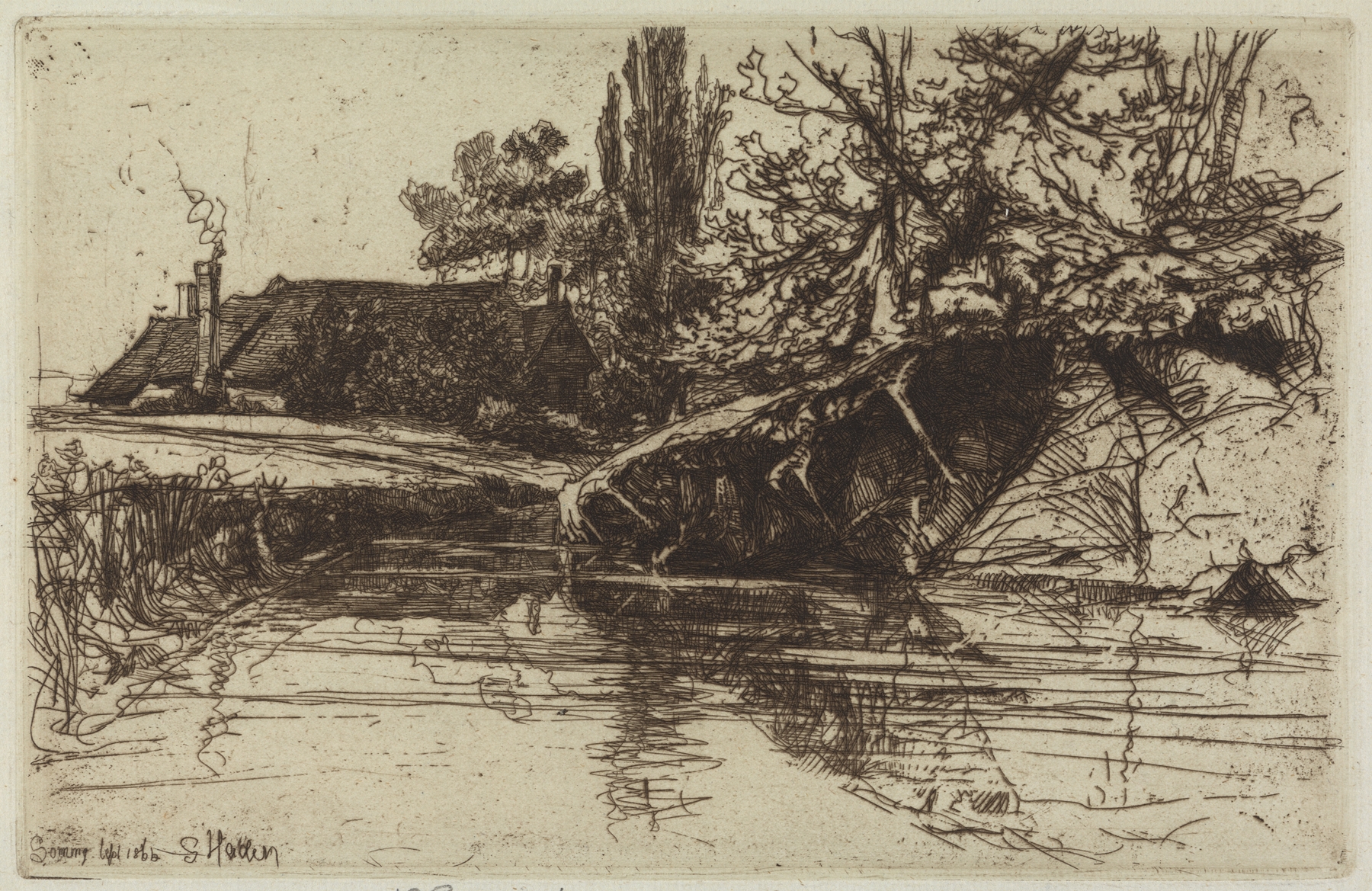
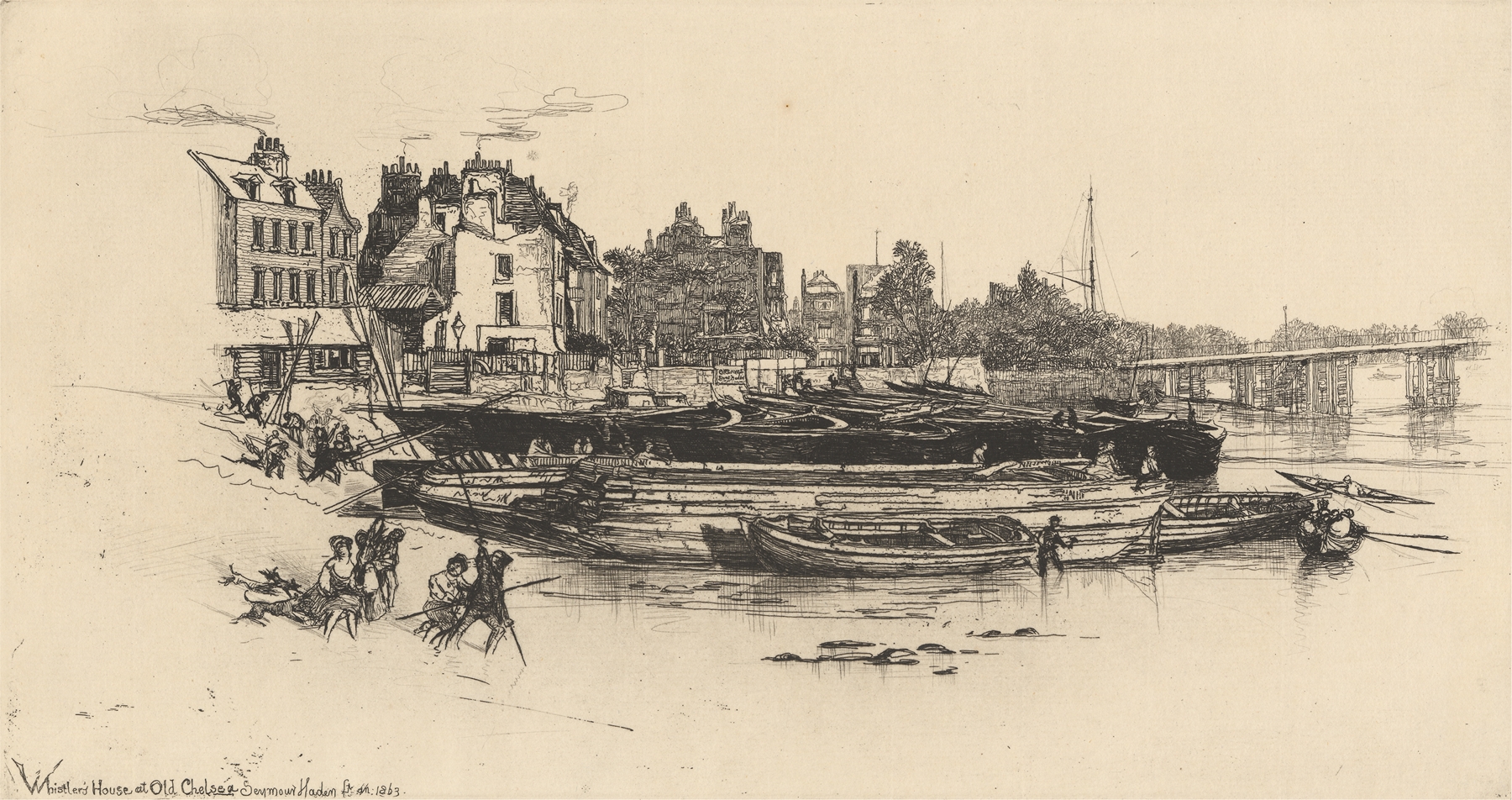
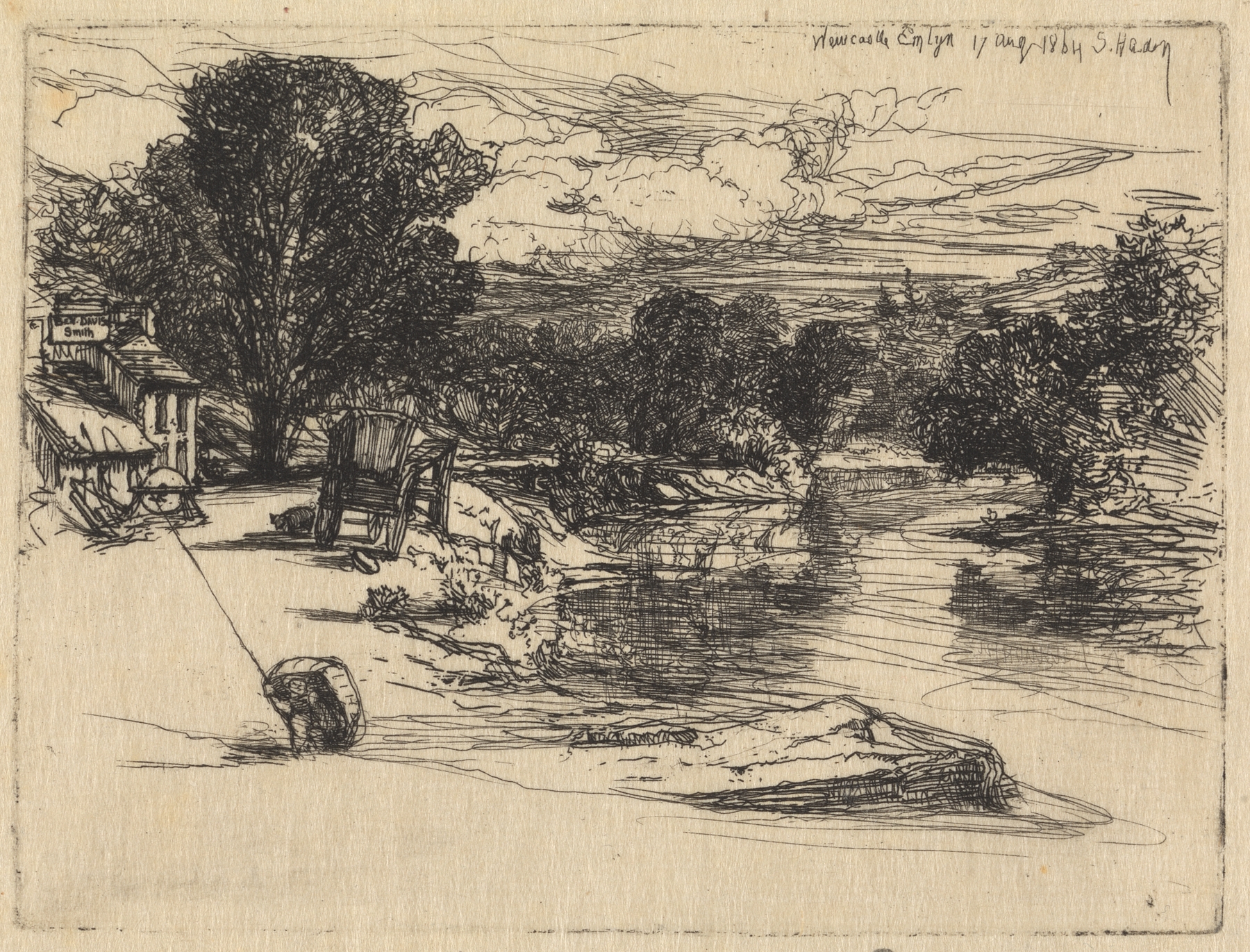
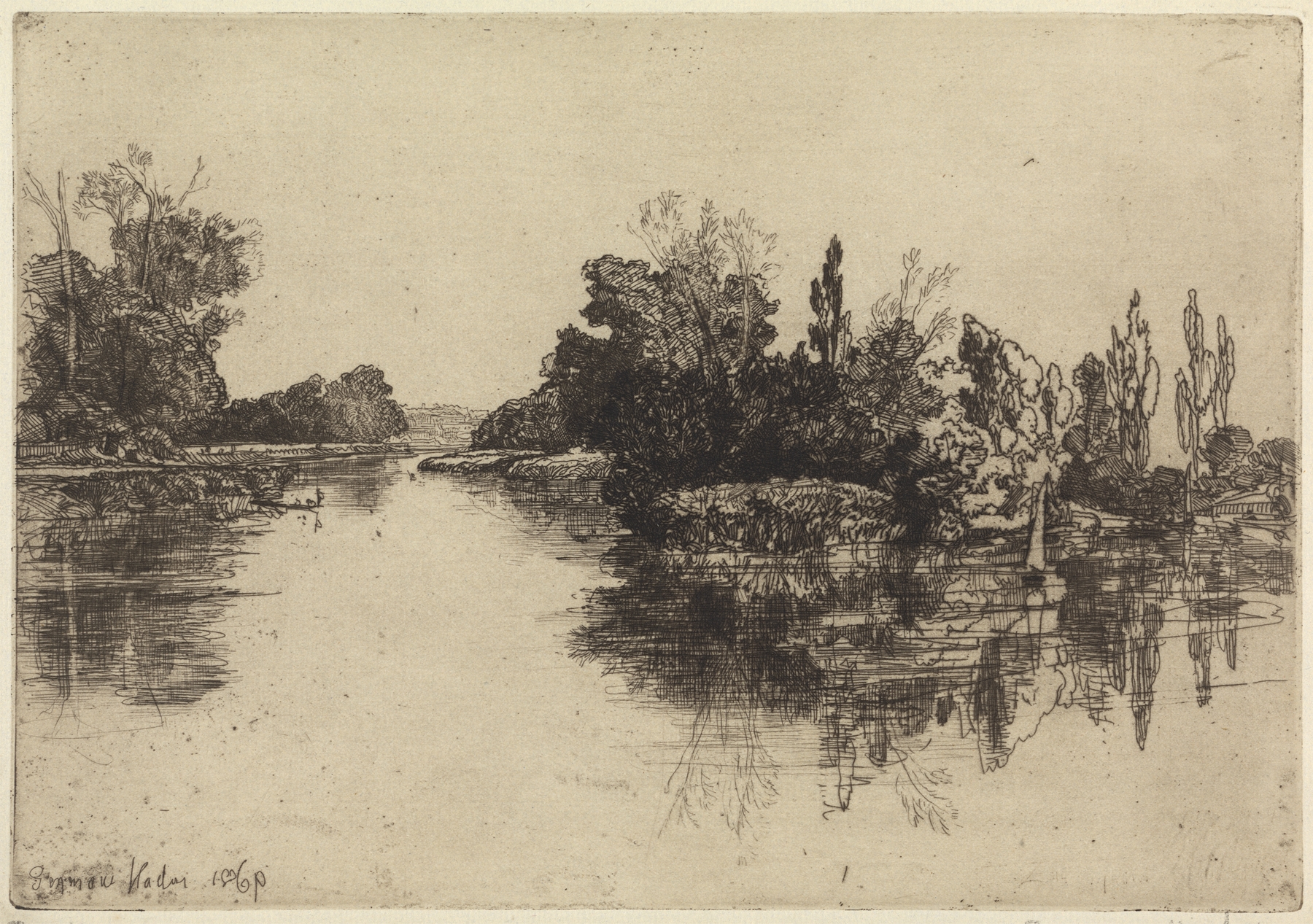
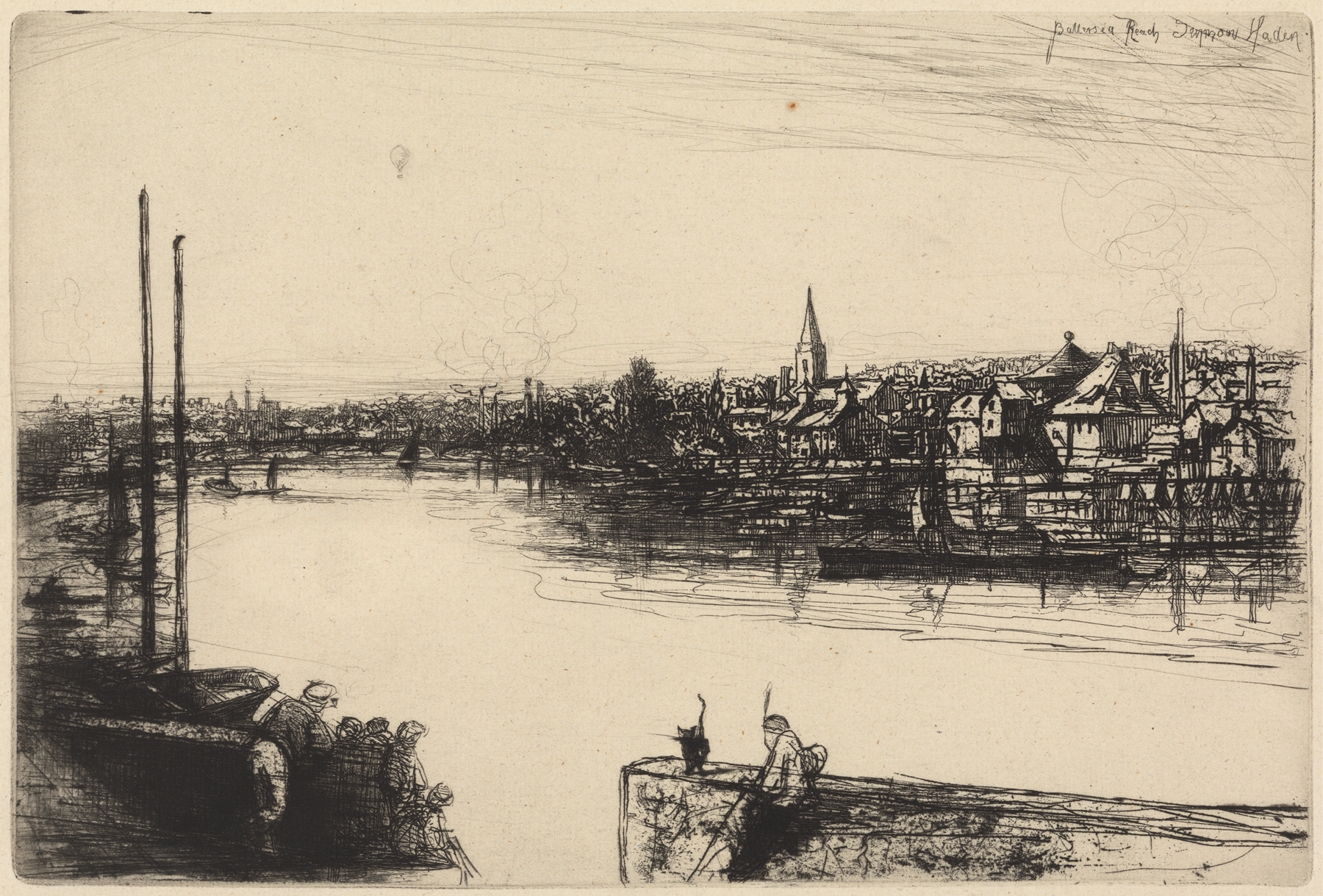
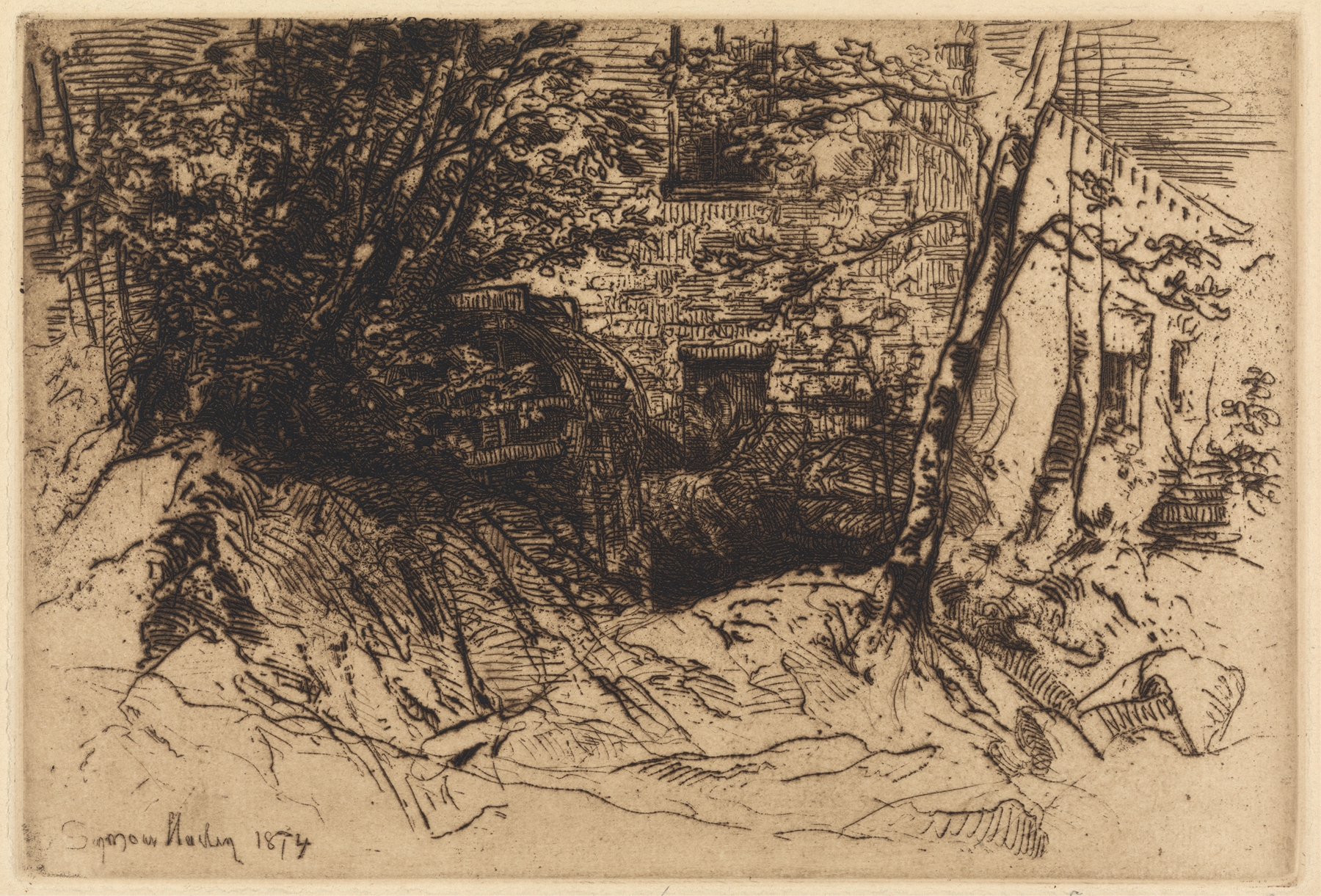
“The canvas doesn’t lie — it simply waits.” In the silence of the moment captured, a sense of longing lingers like the gentle breeze that brushes across Windmill Hill. An unfulfilled desire for connection and serenity resonates through the layers of paint, inviting the viewer to step into the scene and experience its nuances. Look to the foreground, where the rolling hills stretch beneath a sky washed in muted tones of blue and gray. The windmill stands steadfast against the horizon, its sails caught in a moment of stillness.
Notice how the artist deftly employs delicate brushwork to convey the textures of the grass and the craggy earth, while subtle strokes of light play across the landscape, generating a tranquil yet poignant atmosphere. The interplay of light and shadow beckons your gaze, revealing the depth of emotion that lies beneath this seemingly tranquil tableau. Delve deeper, and you’ll uncover layers of emotional tension woven into the fabric of the scene. The windmill, often a symbol of industry and progress, stands isolated, suggesting a yearning for companionship amidst the expanse of nature.
The muted palette evokes a sense of nostalgia, prompting reflections on the passage of time and the desire for stillness in an ever-changing world. The juxtaposition of the sturdy structure against the fluidity of the landscape heightens the sense of longing, illustrating the delicate balance between man and nature. In 1877, Haden painted this work during a period when he was deeply engaged with the English landscape, finding inspiration in its beauty while grappling with personal challenges. As a prominent printmaker and a member of the Old Water-Colour Society, his explorations in etching and landscape painting contributed to a growing appreciation of the natural world, positioning him within the broader context of British art which was evolving towards Impressionism.