Winter in the Jura — History & Analysis
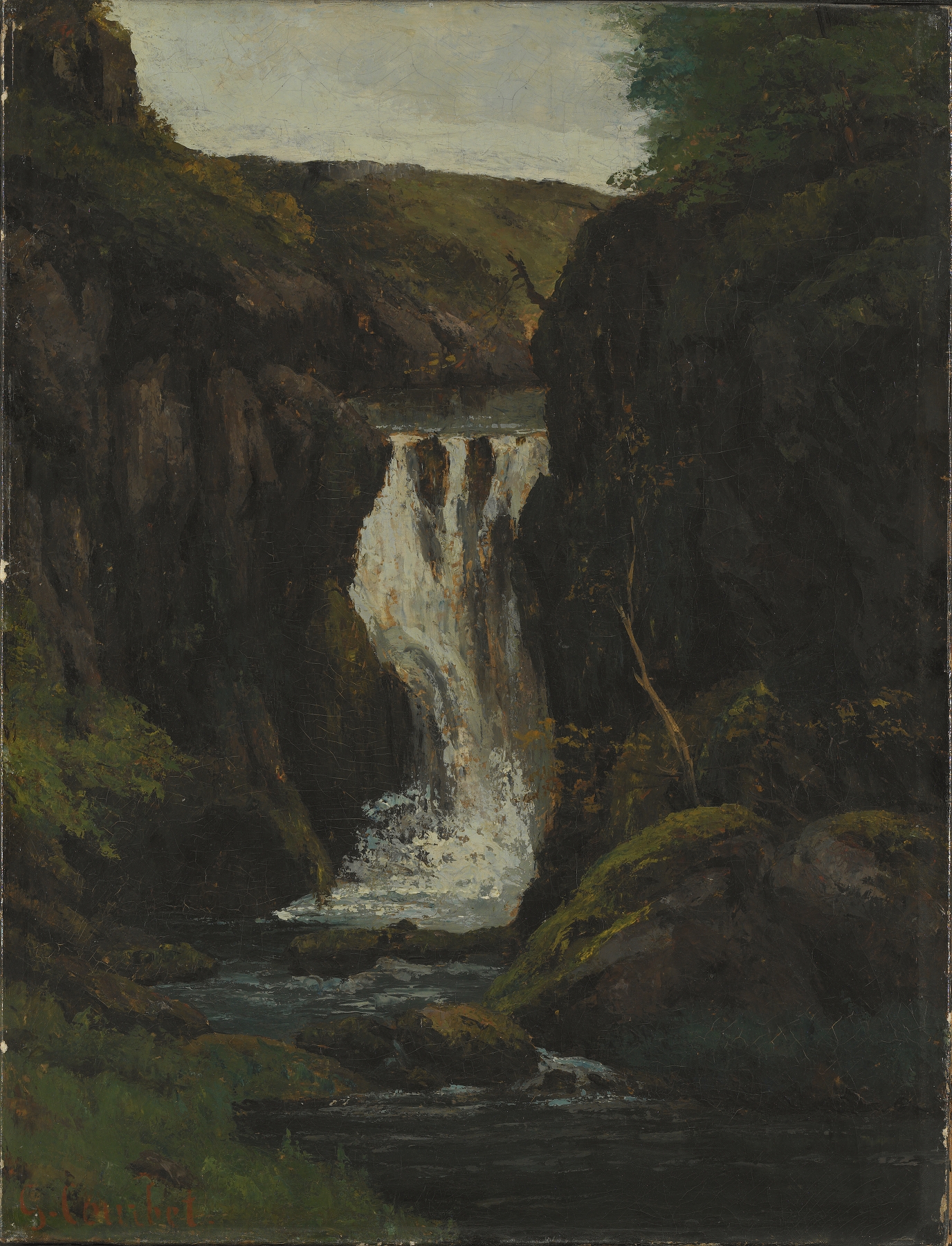
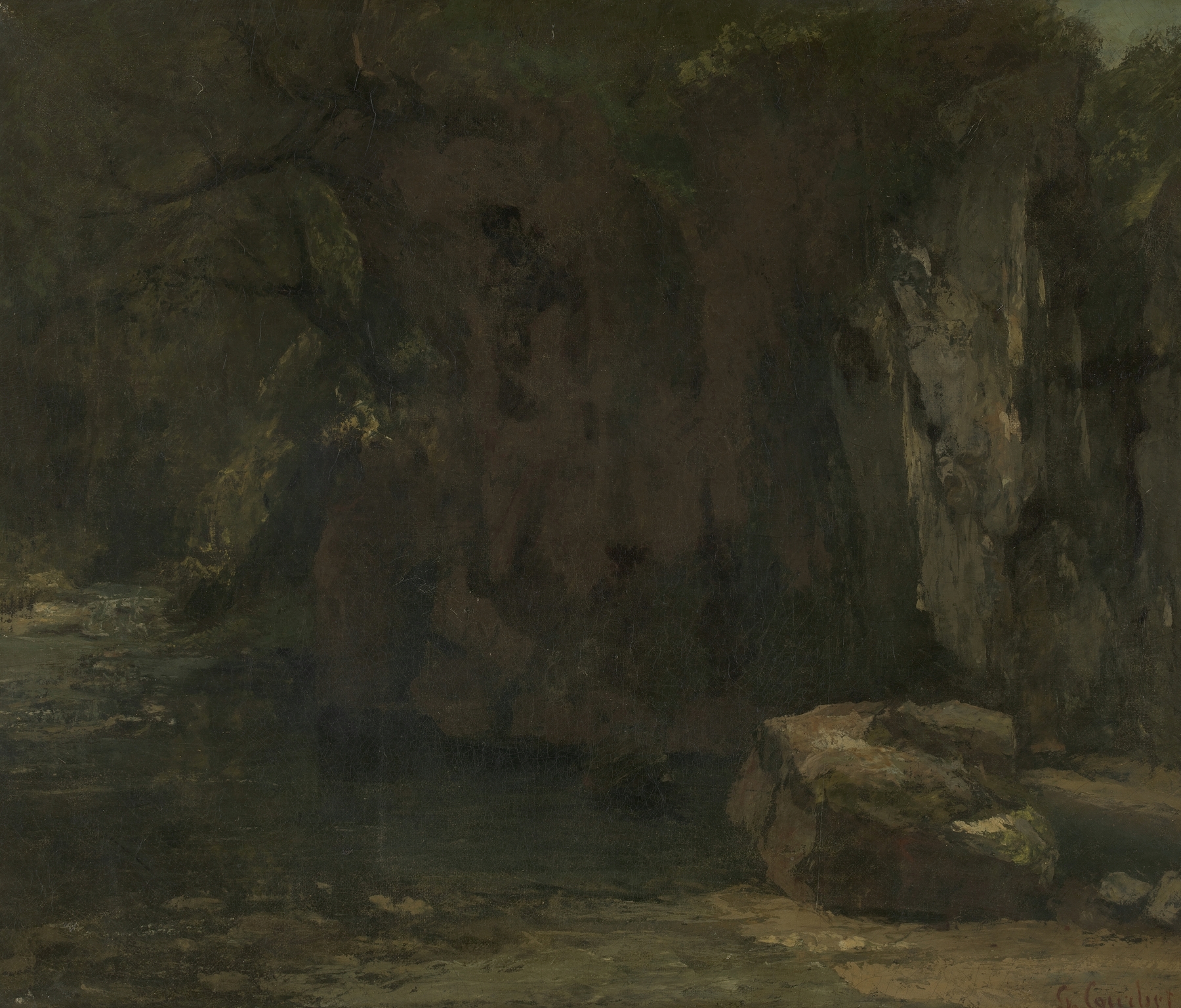
Did the painter know this moment would outlive them? The serene winter landscape in Winter in the Jura beckons us to ponder the essence of rebirth amid the quietude of nature. Look to the foreground, where soft mounds of snow blanket the ground, their gentle curves creating a sense of stillness. The muted palette of whites and grays envelops the scene, yet subtle hints of deep green emerge from distant pines, suggesting life beneath the frozen surface. Notice how the horizon line stretches across the canvas, drawing the eye toward the majestic mountains, shrouded in mist, while a pale sky looms overhead, suffused with a light that feels both hopeful and melancholic.
Courbet's masterful brushwork captures the nuances of winter's chill, inviting contemplation on the cycles of life. Hidden within this tranquil setting are themes of isolation and resilience. The stark beauty of the cold landscape contrasts sharply with the promise of renewal, evoking a sense of longing for warmth and vitality. Each brushstroke not only illustrates the physicality of the environment but also reflects an emotional depth—where the quiet of the winter season hints at the potential for rebirth that lies beneath the snow.
These nuanced elements speak to the universal struggle between dormancy and the anticipation of spring. During the mid-19th century, Courbet painted this work at a time when the art world was increasingly leaning toward realism, striving to depict the world as it truly was. His dedication to capturing natural landscapes resonated with the emerging ideas of the time, as the artist sought to convey not just the visual aspects of the environment but its emotional resonance. The moment was ripe for change, as Courbet, deeply influenced by his surroundings and the philosophy of his era, captured a fleeting moment that remains timeless.