Winter on the Baltic Coast — History & Analysis
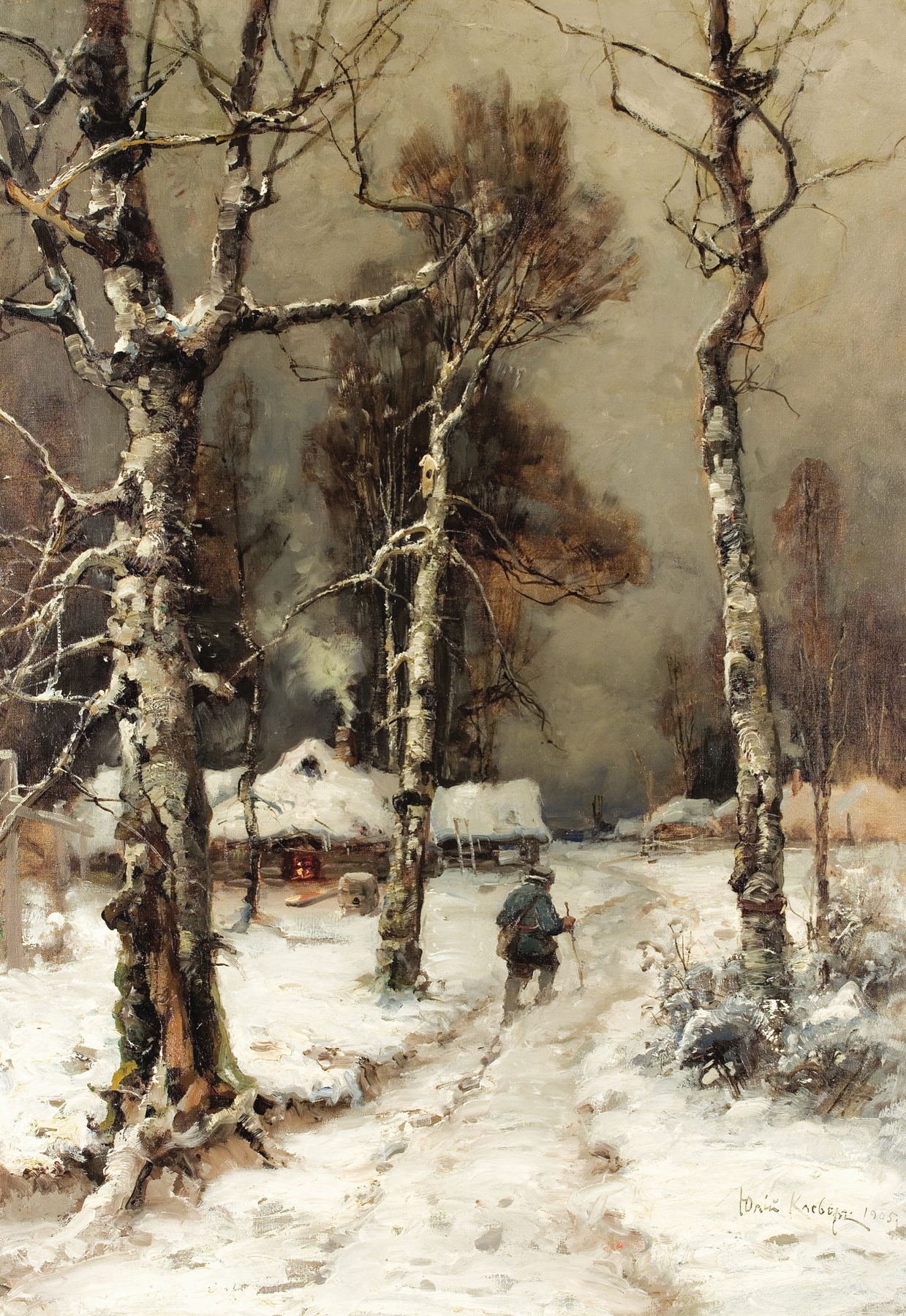
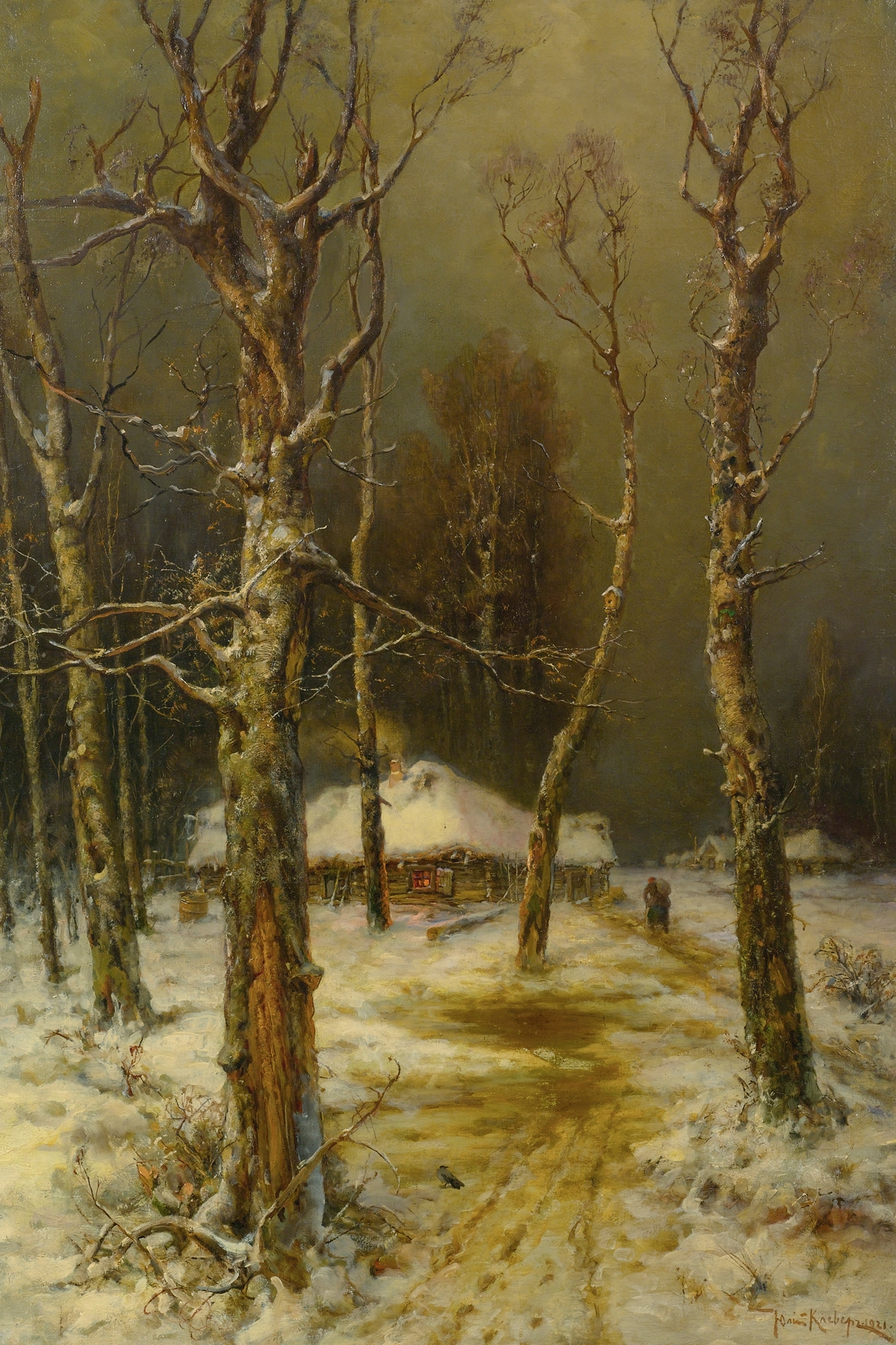
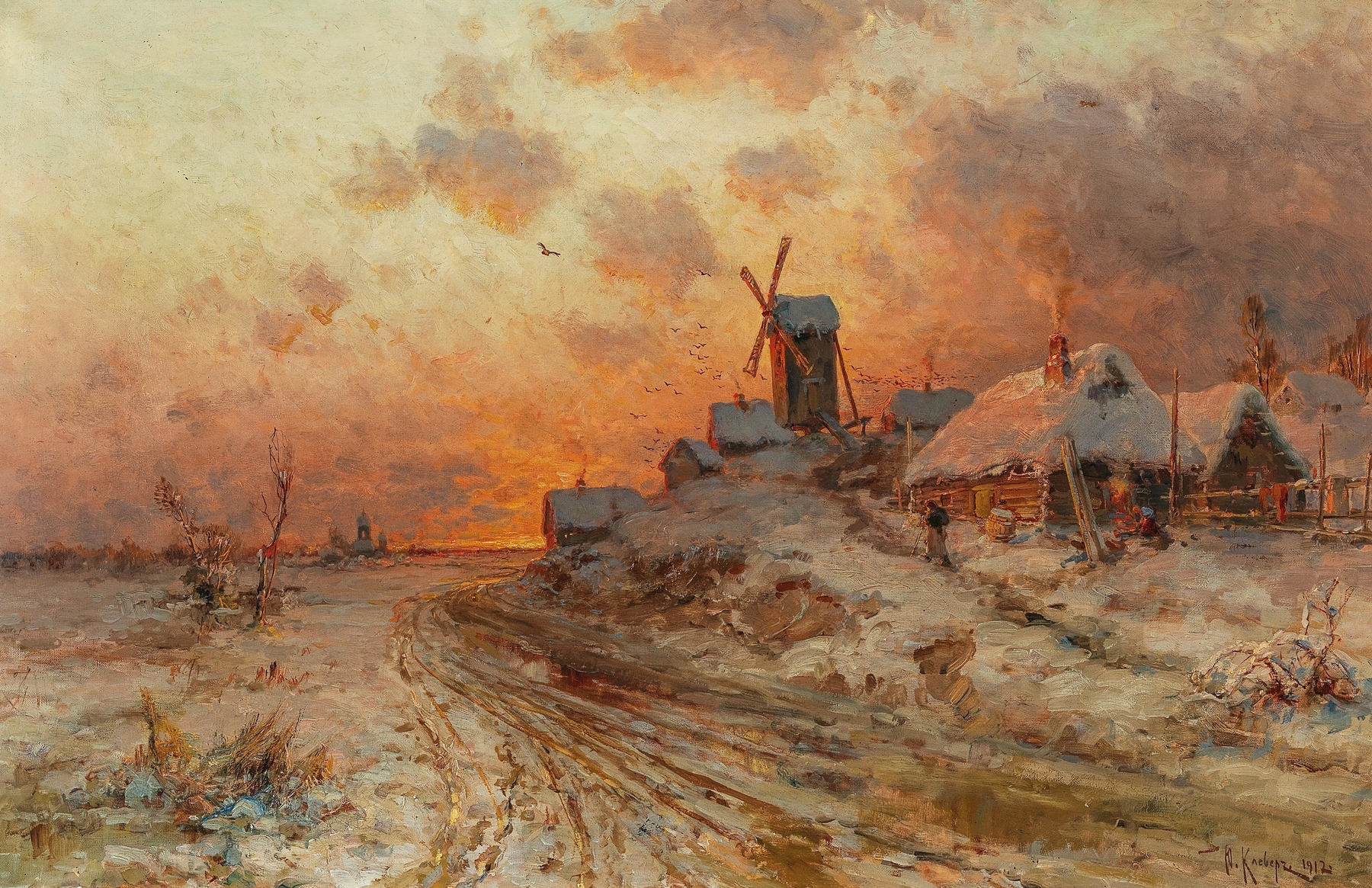
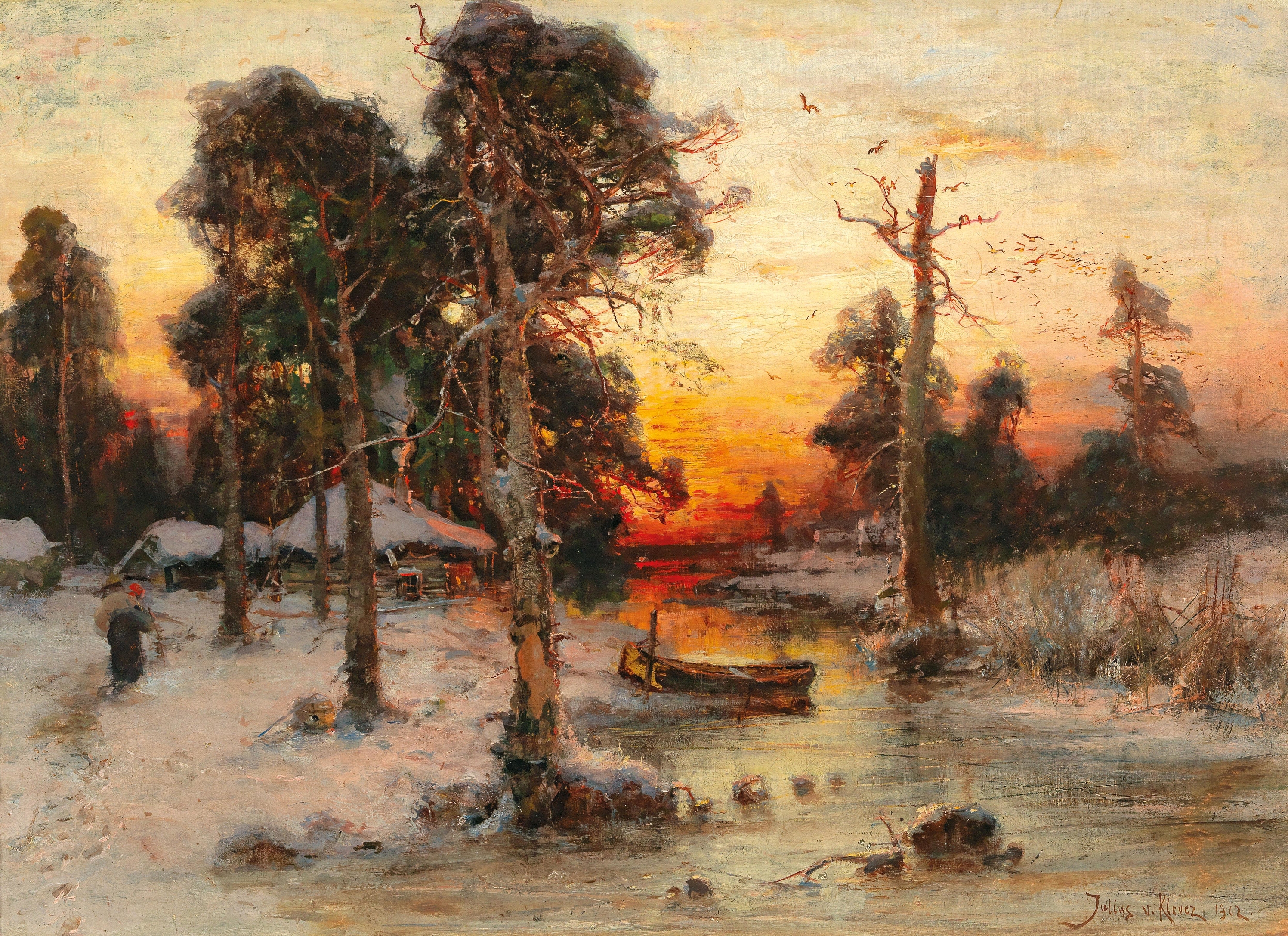
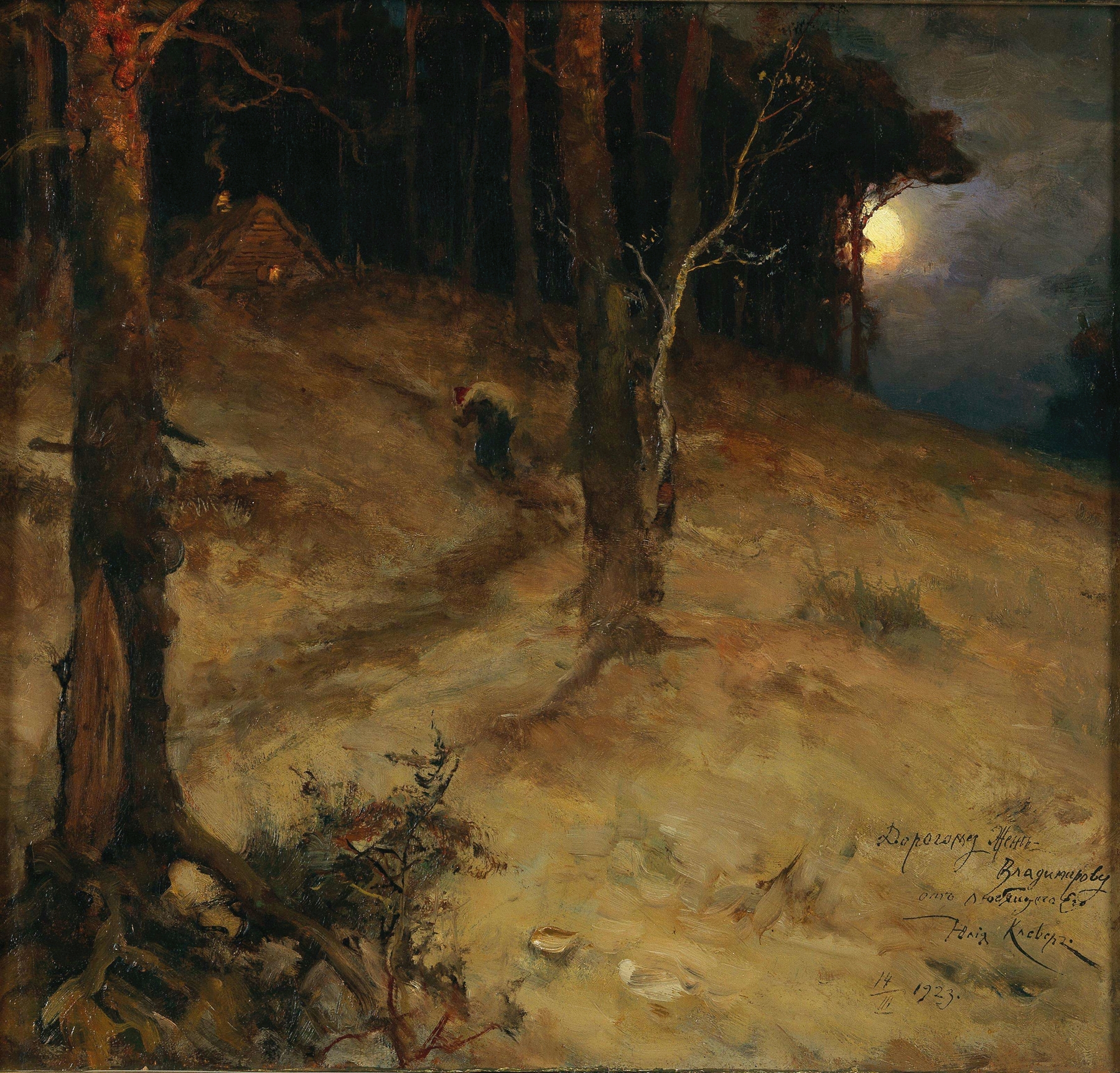
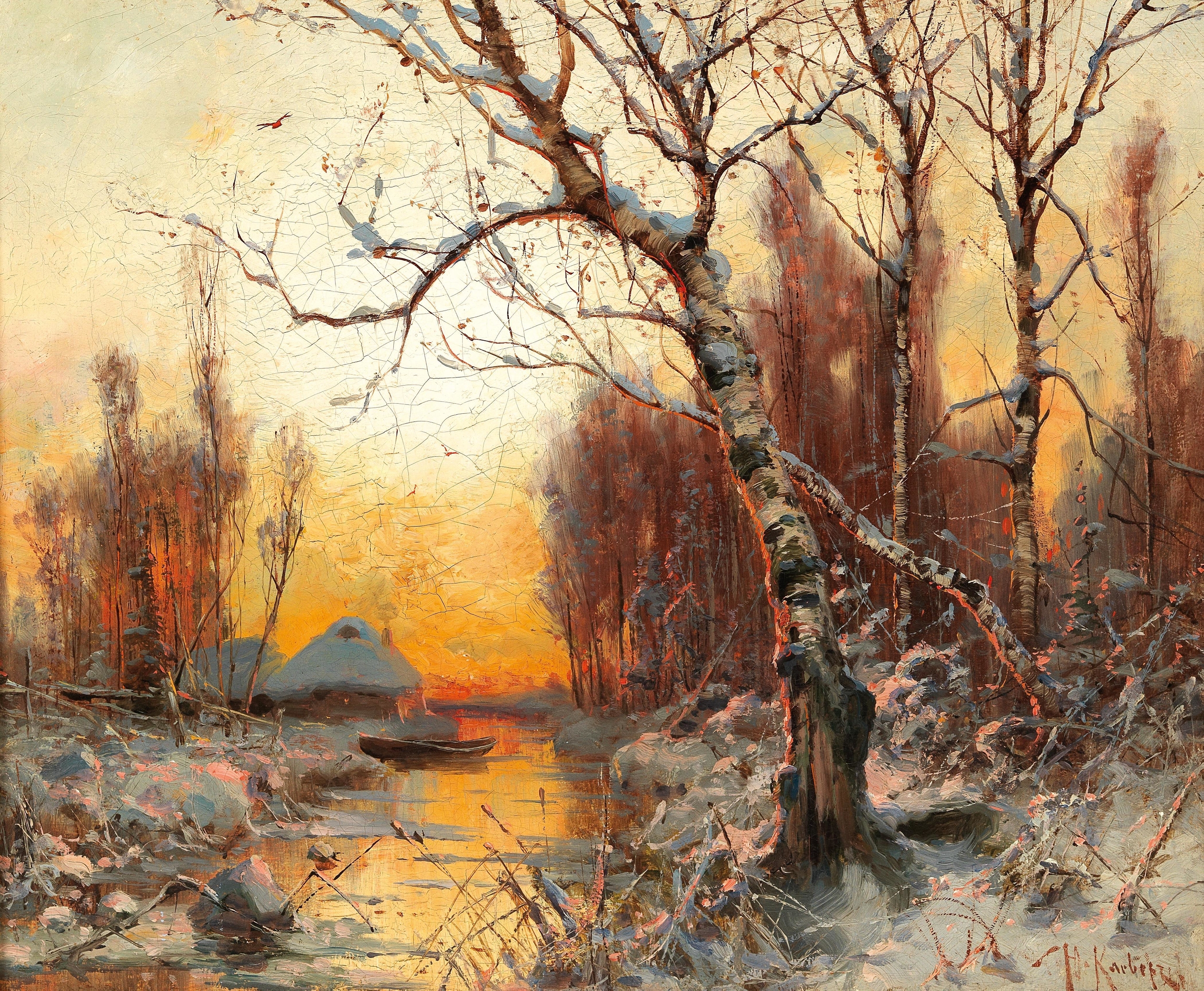
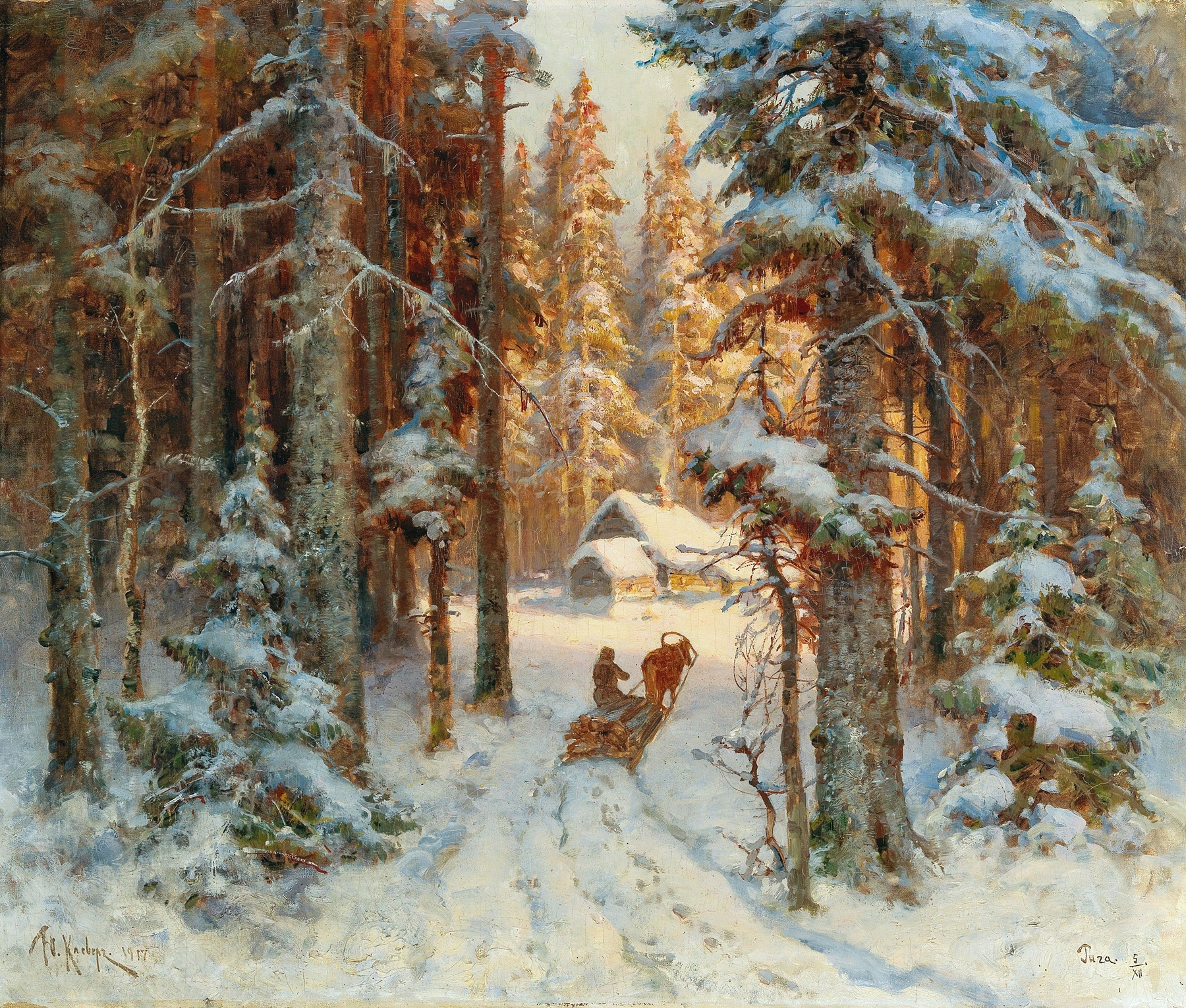
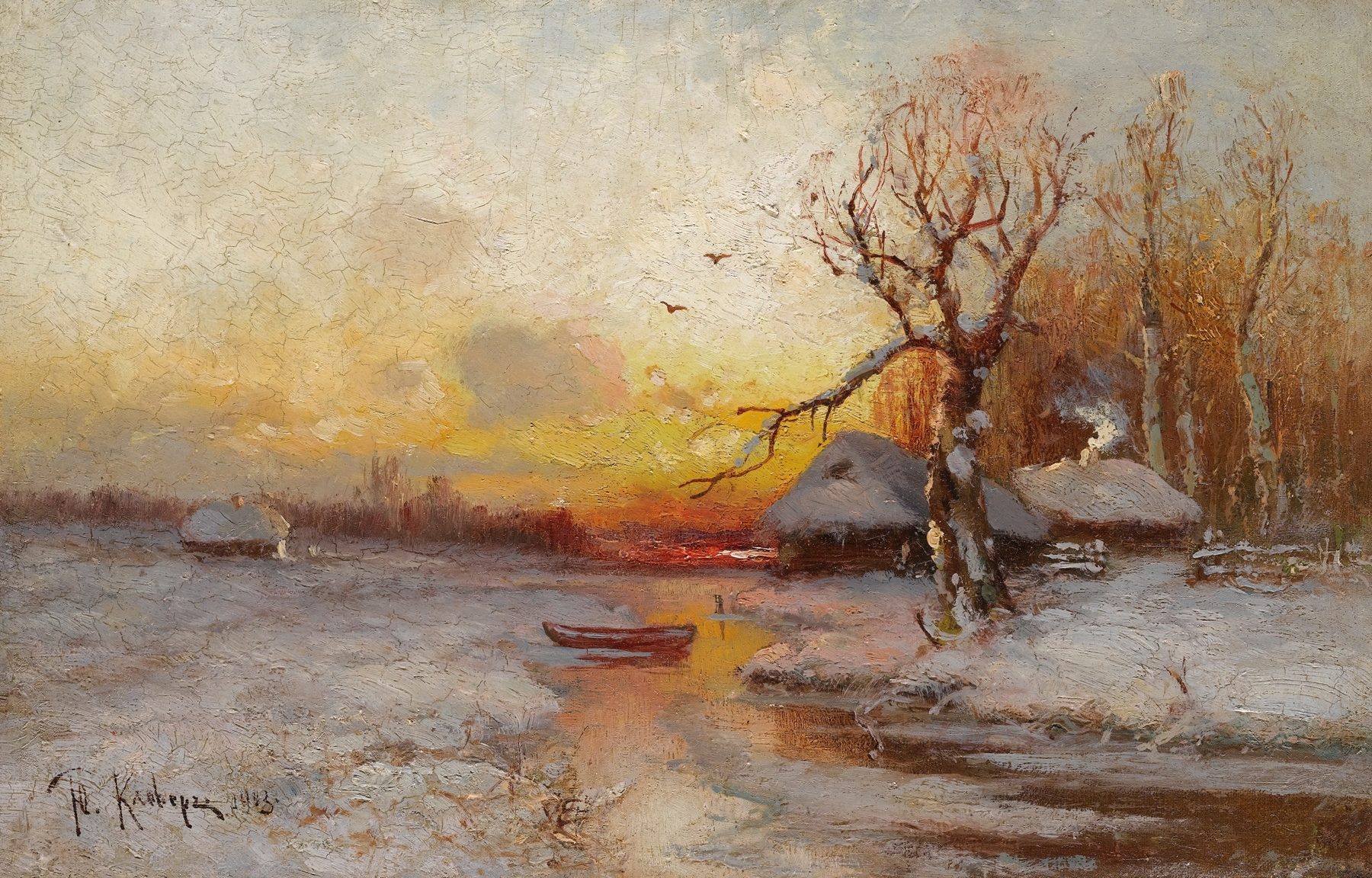
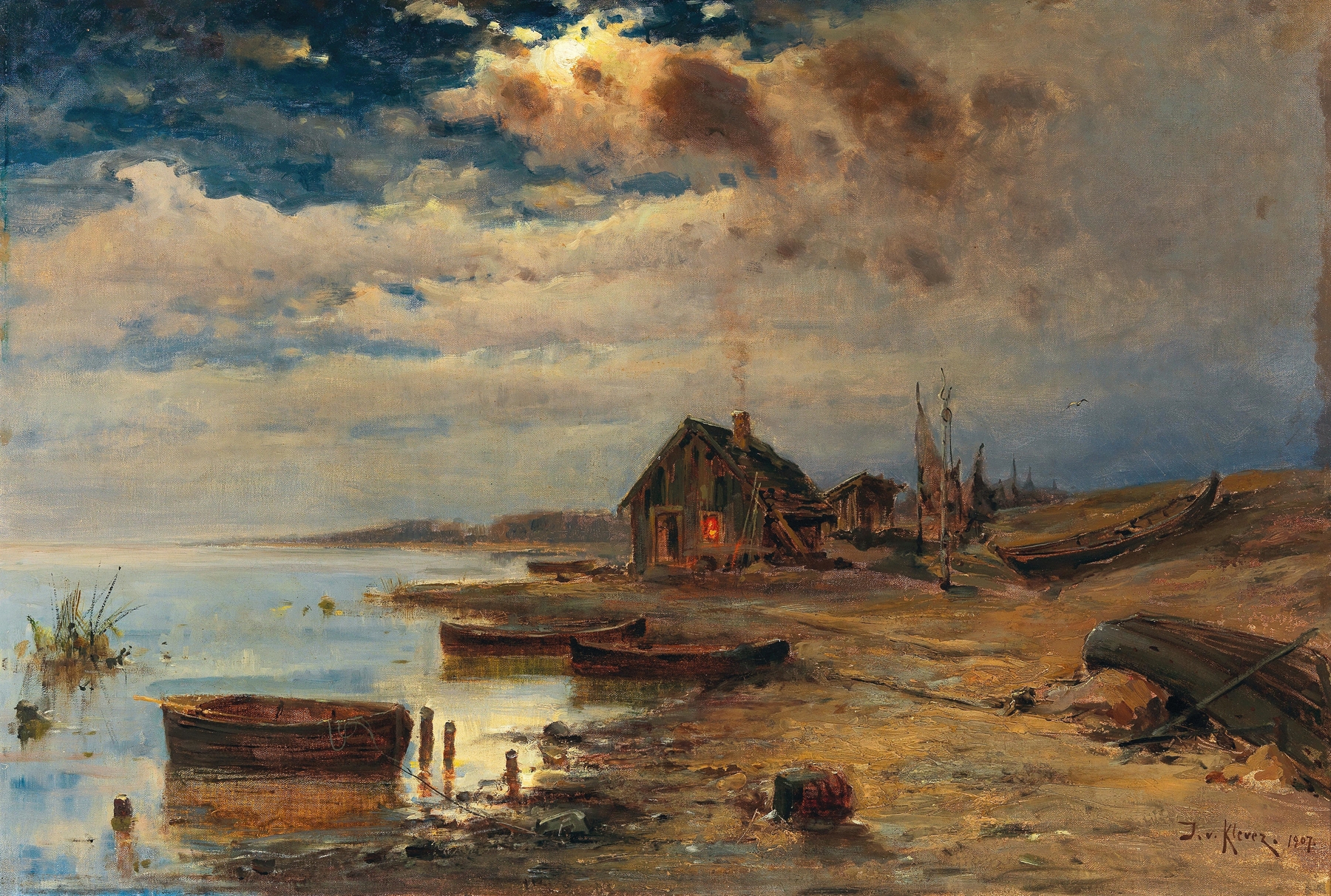
When did color learn to lie? In Winter on the Baltic Coast, the canvas whispers tales of obsession, a moment where the chill of winter and warmth of longing intertwine. Look to the foreground, where icy blues and whites dominate the scene, evoking a stark yet serene winter atmosphere. The rugged coastline stretches beneath a heavy blanket of snow, while the distant silhouettes of trees stand solemnly against a muted sky.
Notice how the artist skillfully employs a range of brushstrokes to bring depth to the icy waves, their frothy edges contrasting with the stillness of the land, creating an almost hypnotic pull towards the horizon. Dig deeper into the details, and you’ll uncover the emotional tension beneath the surface. The horizon line, though distant, feels ominous—a reminder of separation, perhaps hinting at a yearning for connection in the face of desolation. The interplay of light captures the transient nature of winter, suggesting a fleeting moment where beauty coexists with despair.
Each brushstroke becomes a reflection of not just the landscape, but of an inner turmoil that resonates with anyone who has felt the weight of solitude. During this undefined period, Klever was immersing himself in the realms of landscape painting, influenced by the Russian and Nordic traditions. Working in the late 19th century, he sought to capture the majesty and emotional depth of nature amidst a world bustling with change. The haunting beauty of winter served as a canvas for his own obsessions, echoing the complexities of human emotion that linger long after the colors have dried.