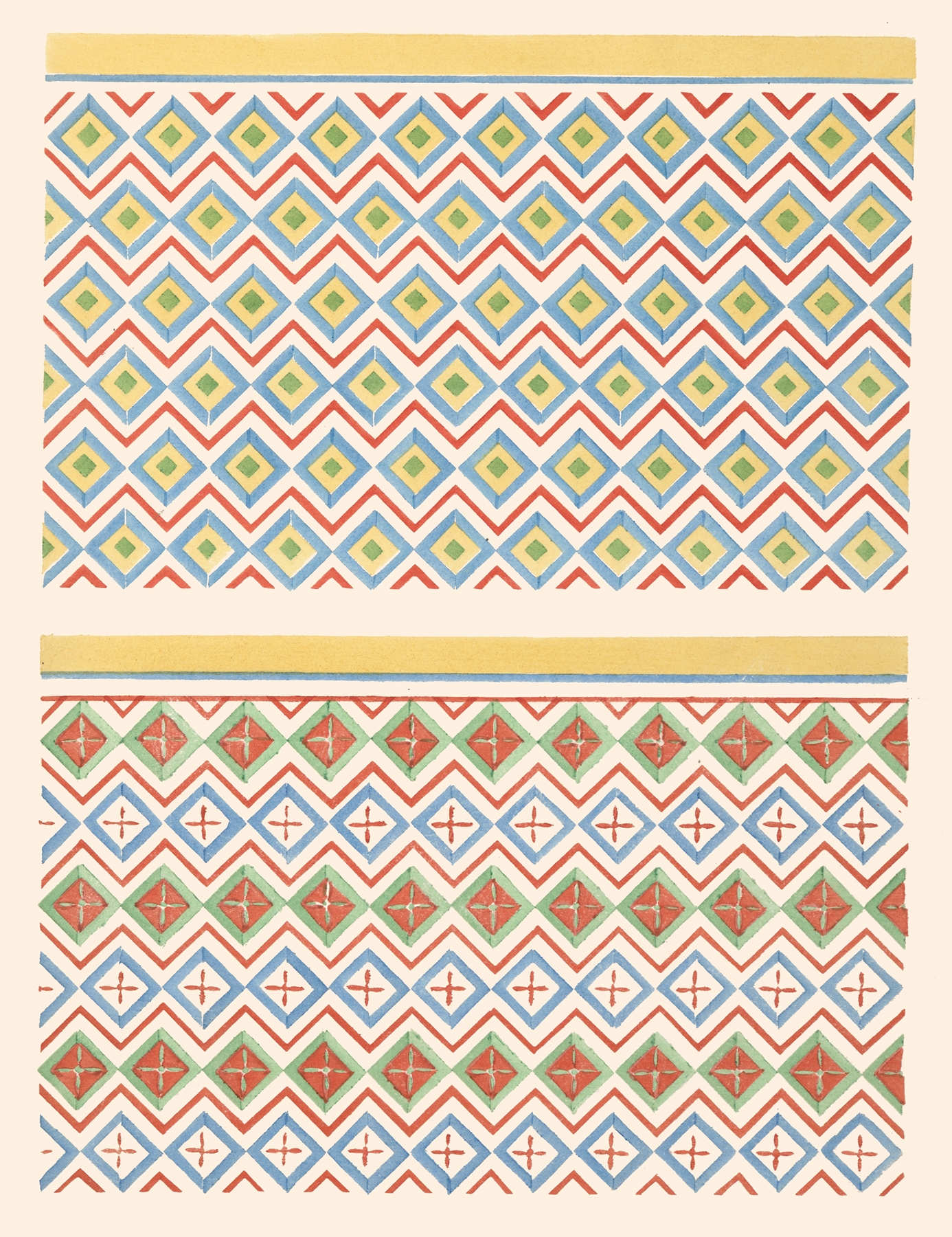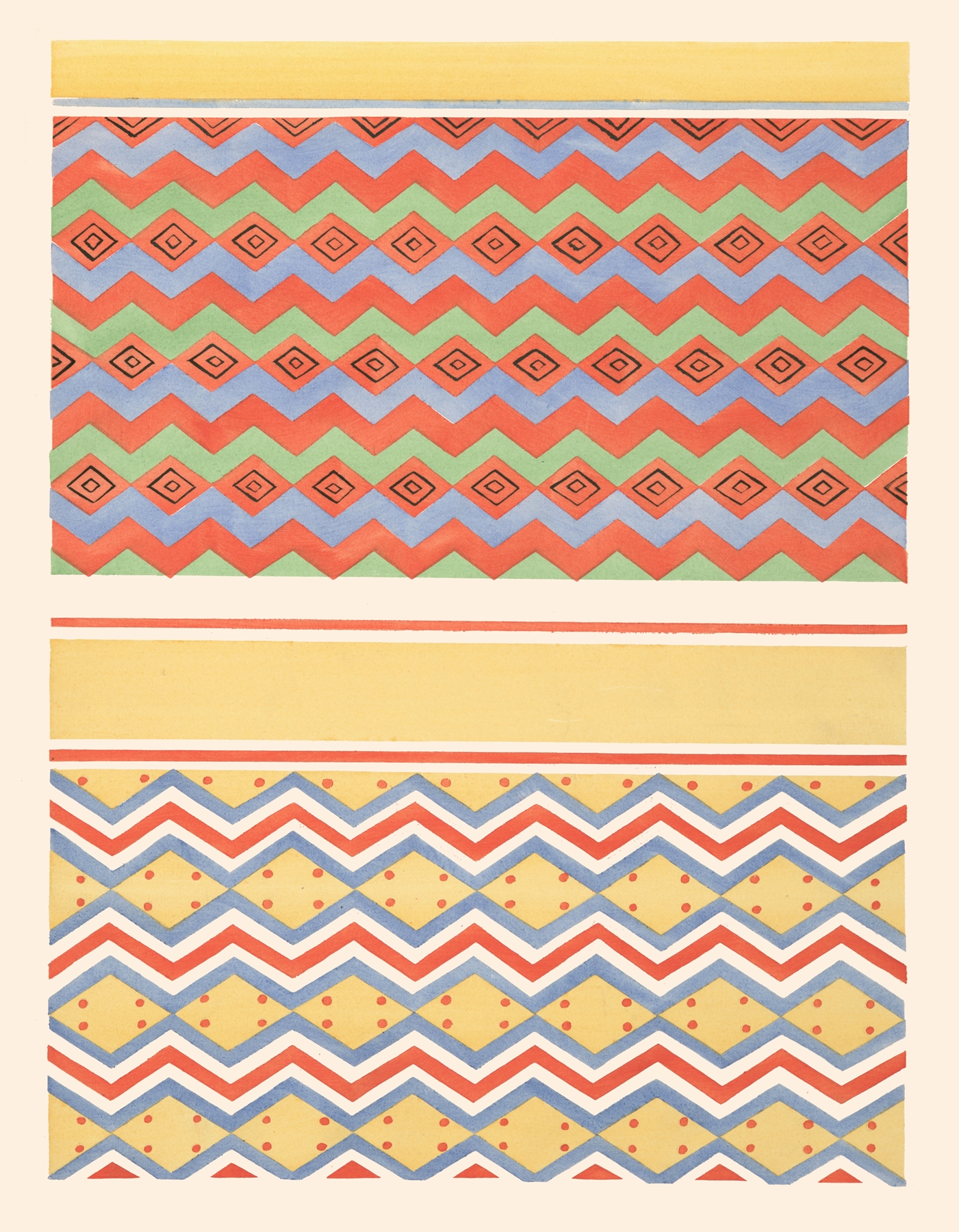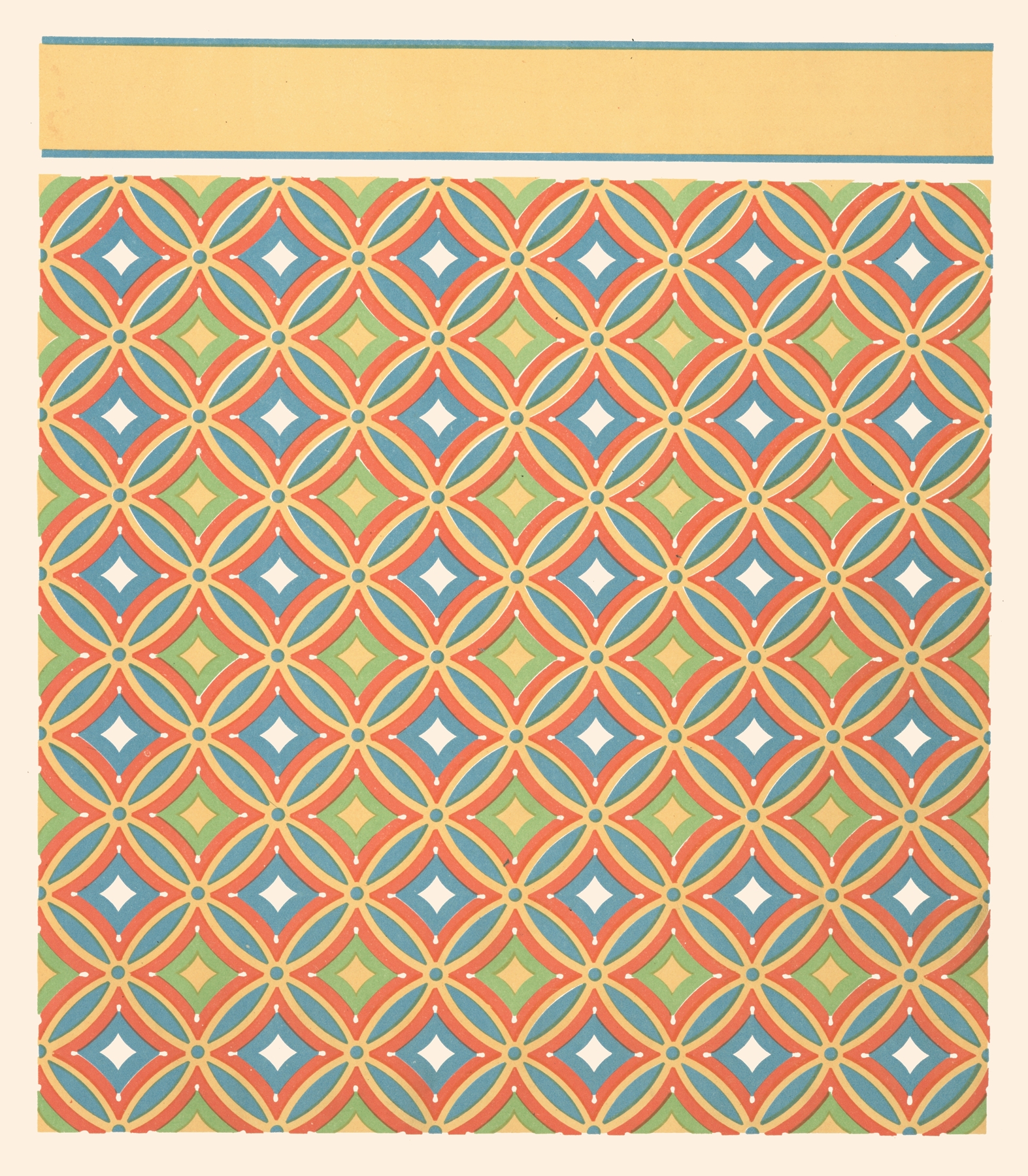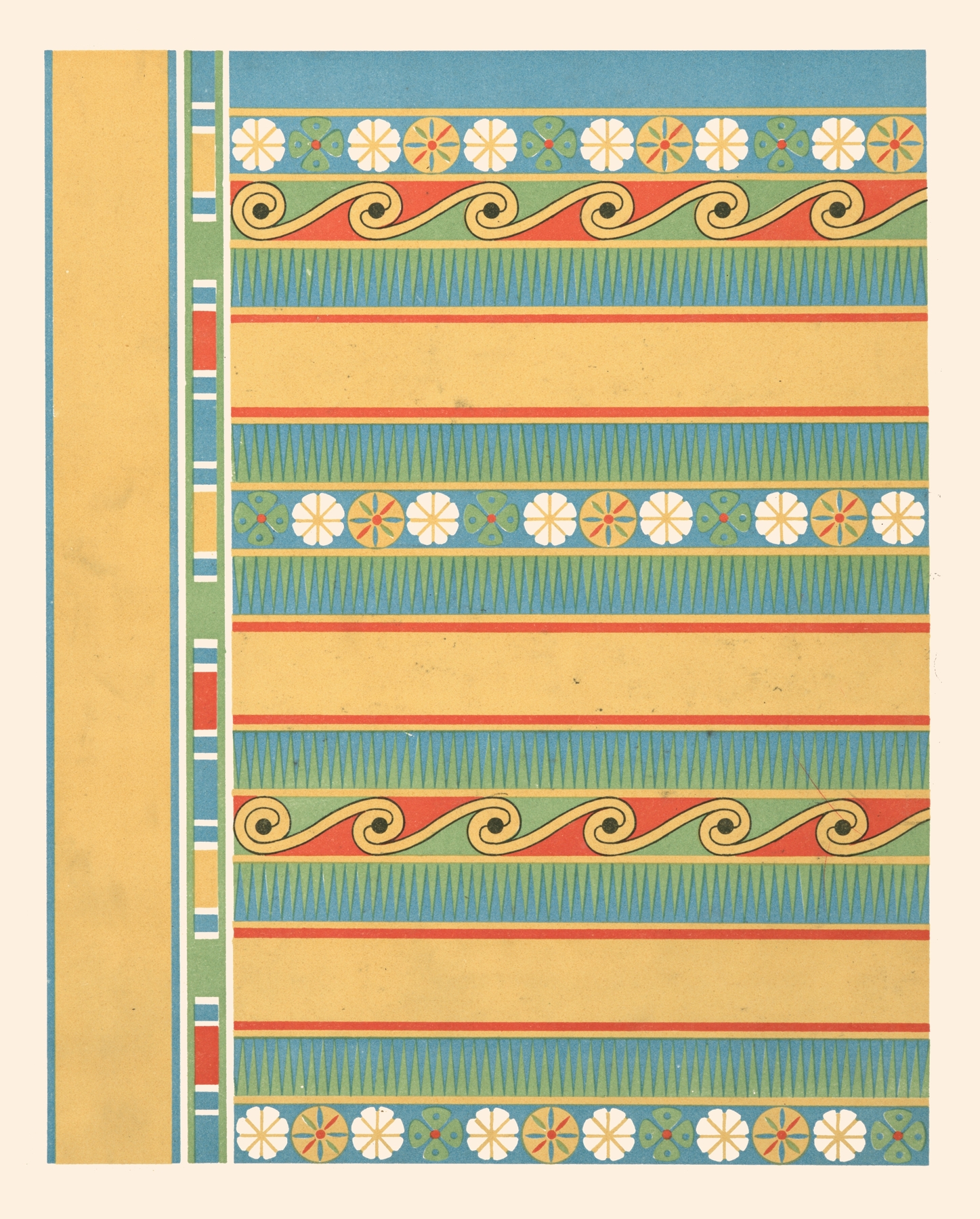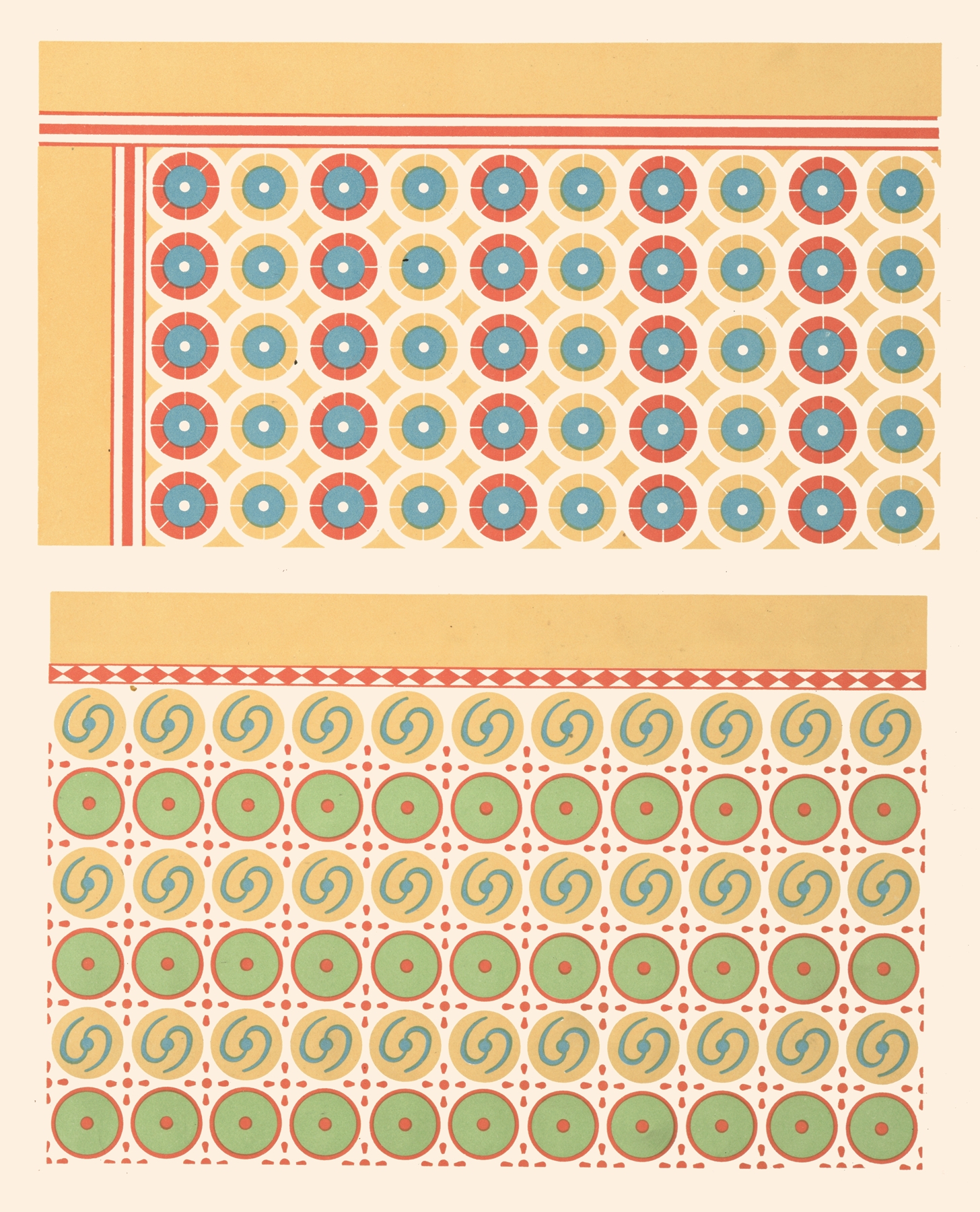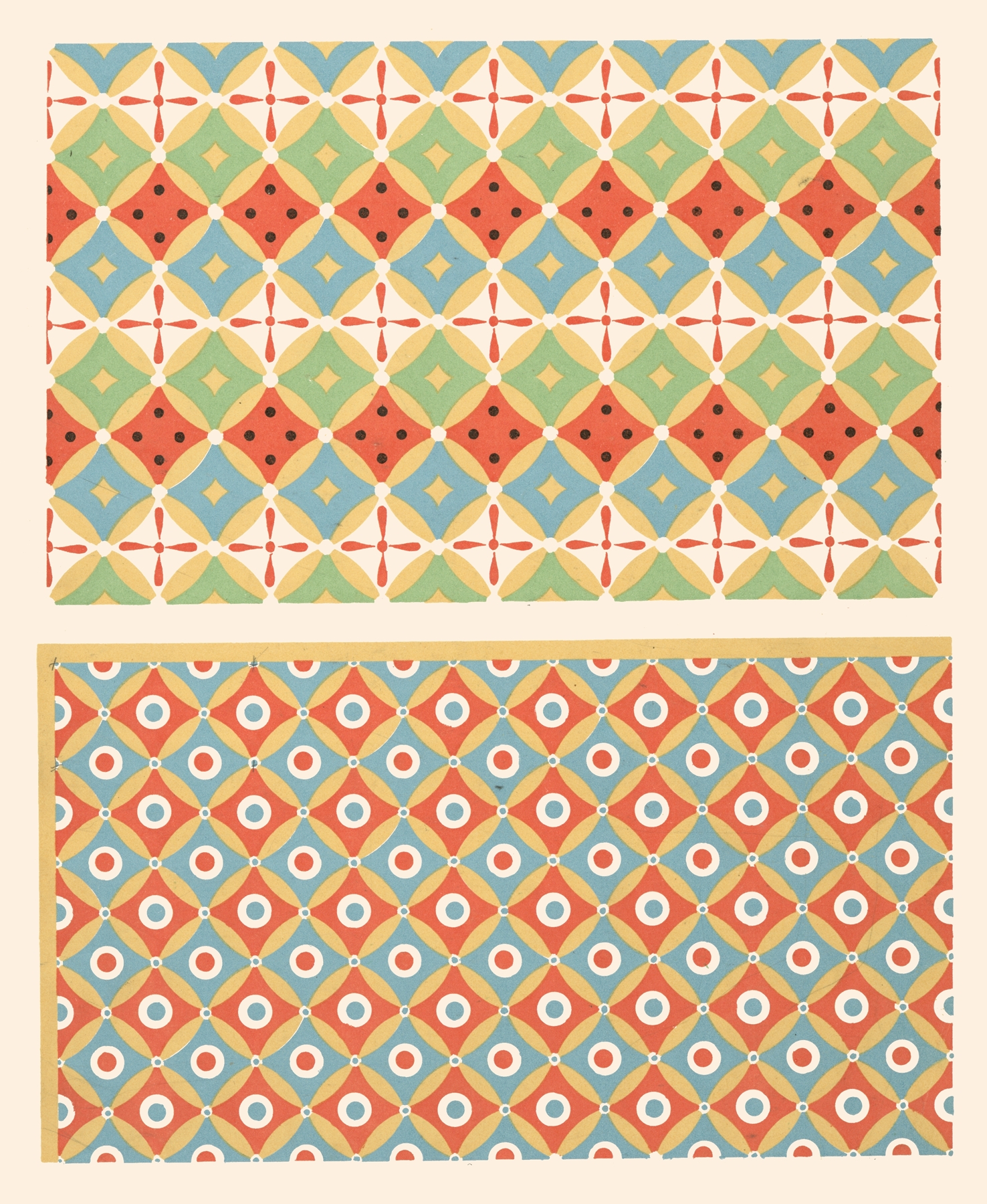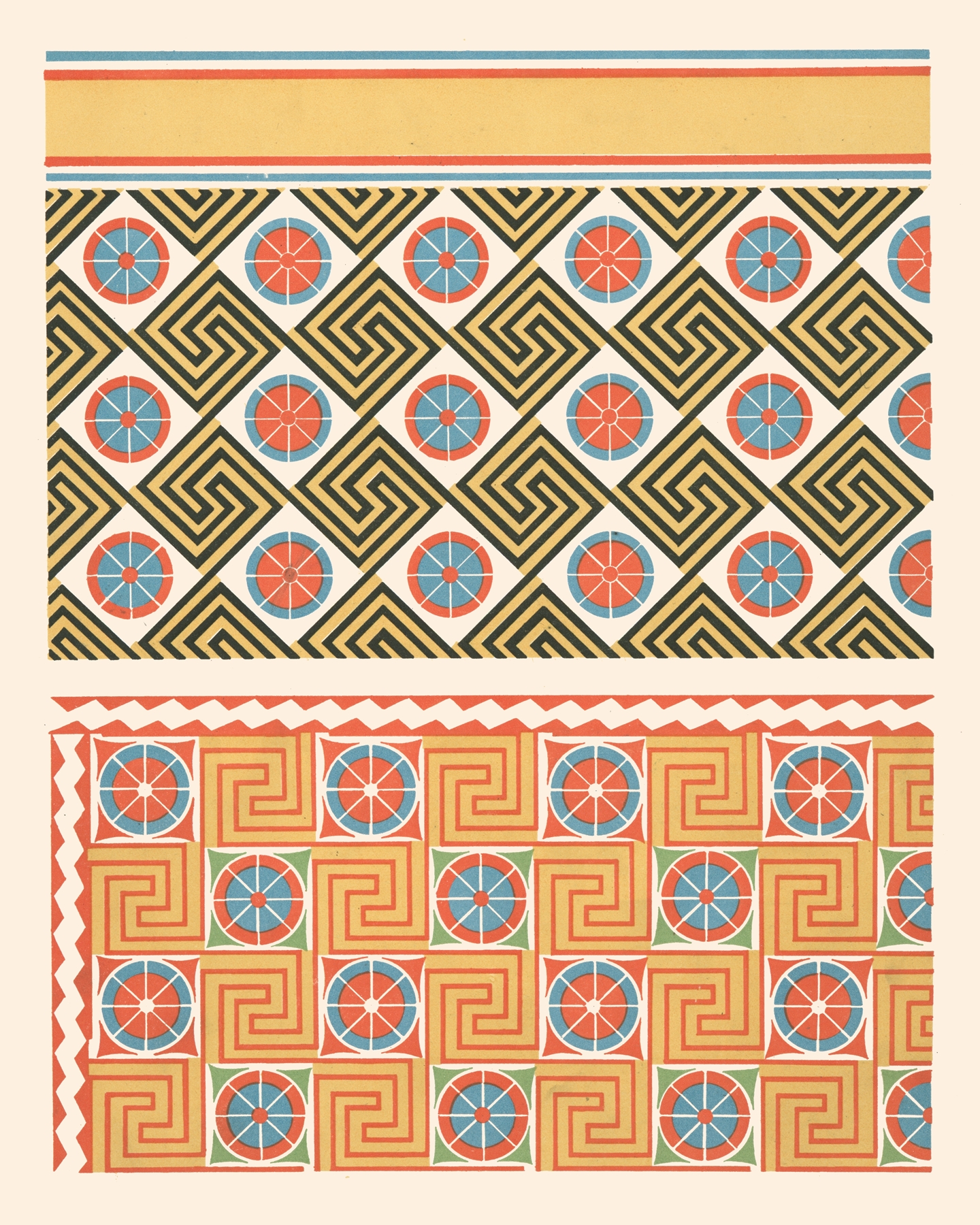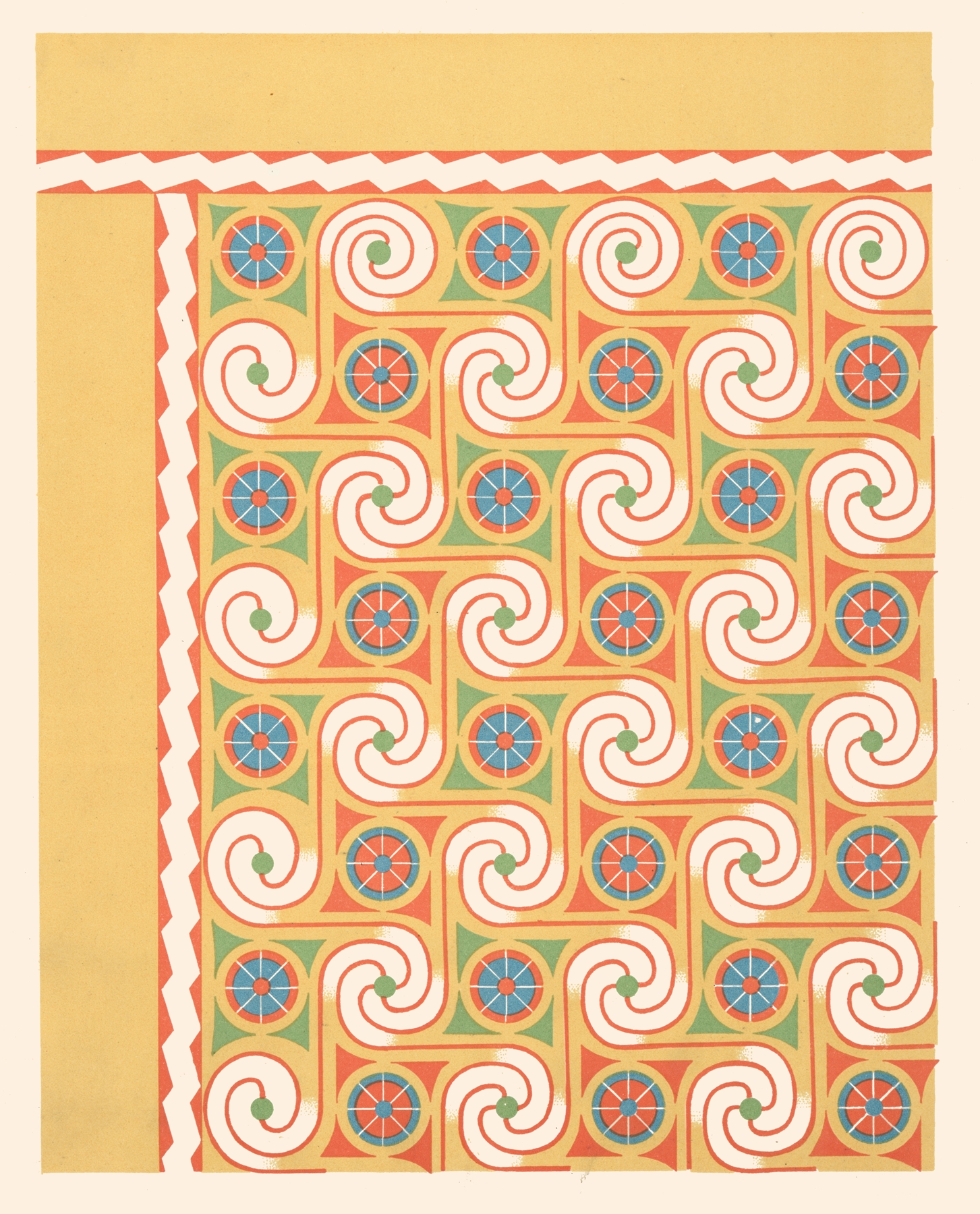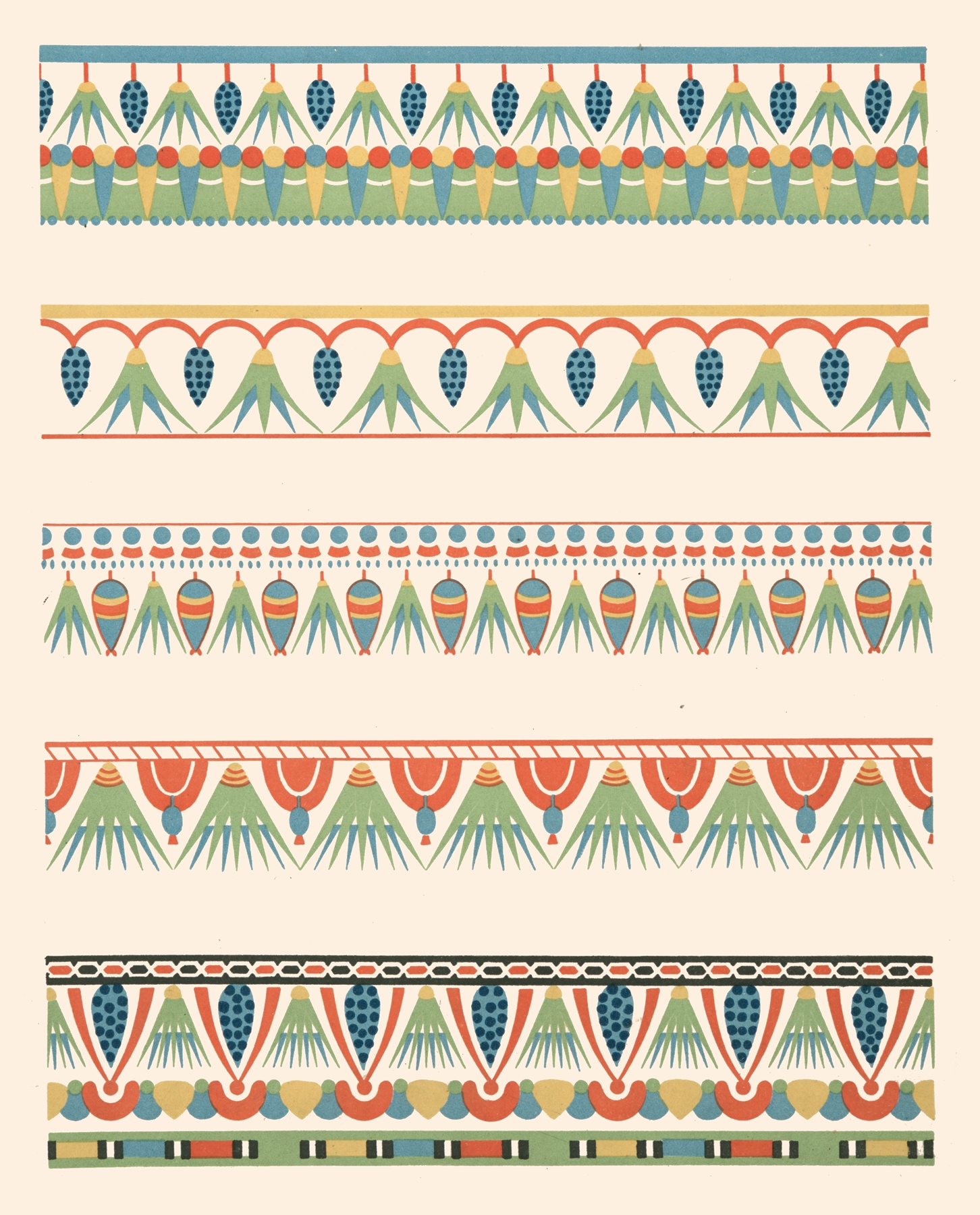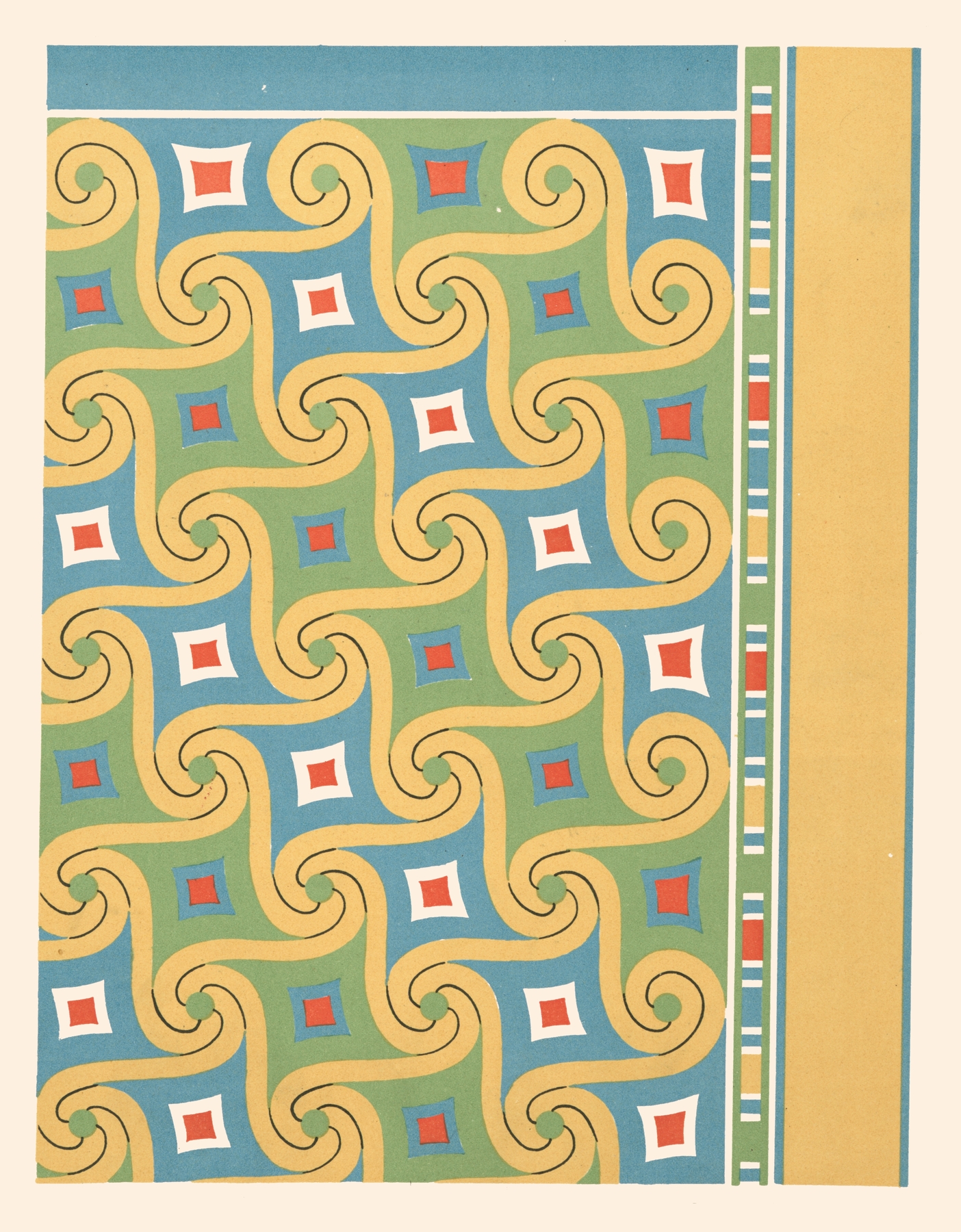
22. Plafond du Tombeau de Hiq-er-Neheh (n°64), 23. Plafond du Tombeau de Tenna (n° 76) — History & Analysis
What if beauty was never meant to be finished? In the realm of art, some creations beckon with the weight of legacy, inviting us to contemplate the ephemeral nature of existence. Look closely at the intricate patterns and vivid colors that decorate the ceiling sections of this work. The bold hues intertwine, creating a harmonious dance between form and space. Notice how the geometric shapes, meticulously arranged, draw the eye toward the central motifs, instilling a sense of unity amidst diversity.
The masterful technique used to evoke depth and movement mirrors the very act of creation itself, inviting the viewer to ponder the transitory beauty of the life captured within these painted surfaces. Beneath the surface of the vibrant colors lies a dialogue between past and present, life and death. The juxtaposition of the ornate designs reflects a connection to ancient civilizations while simultaneously speaking to contemporary sensibilities. These elements echo the duality of art as a vessel for memory, preserving moments of beauty meant to last beyond the artist's lifetime.
The unfinished quality of certain details suggests a continuation, an invitation for the viewer to contribute to the narrative of legacy that lingers long after the brushstrokes have dried. Gustave Jéquier created this work in 1911 during a period marked by an artistic exploration of Egyptology and a resurgence of interest in ancient motifs. While living in Switzerland, he sought to bridge the past with modern aesthetics, which was reflected in not only his thematic choices but also the techniques that blended traditional craftsmanship with contemporary innovations. This piece stands as a testament to his dedication to honoring legacy through artistry.