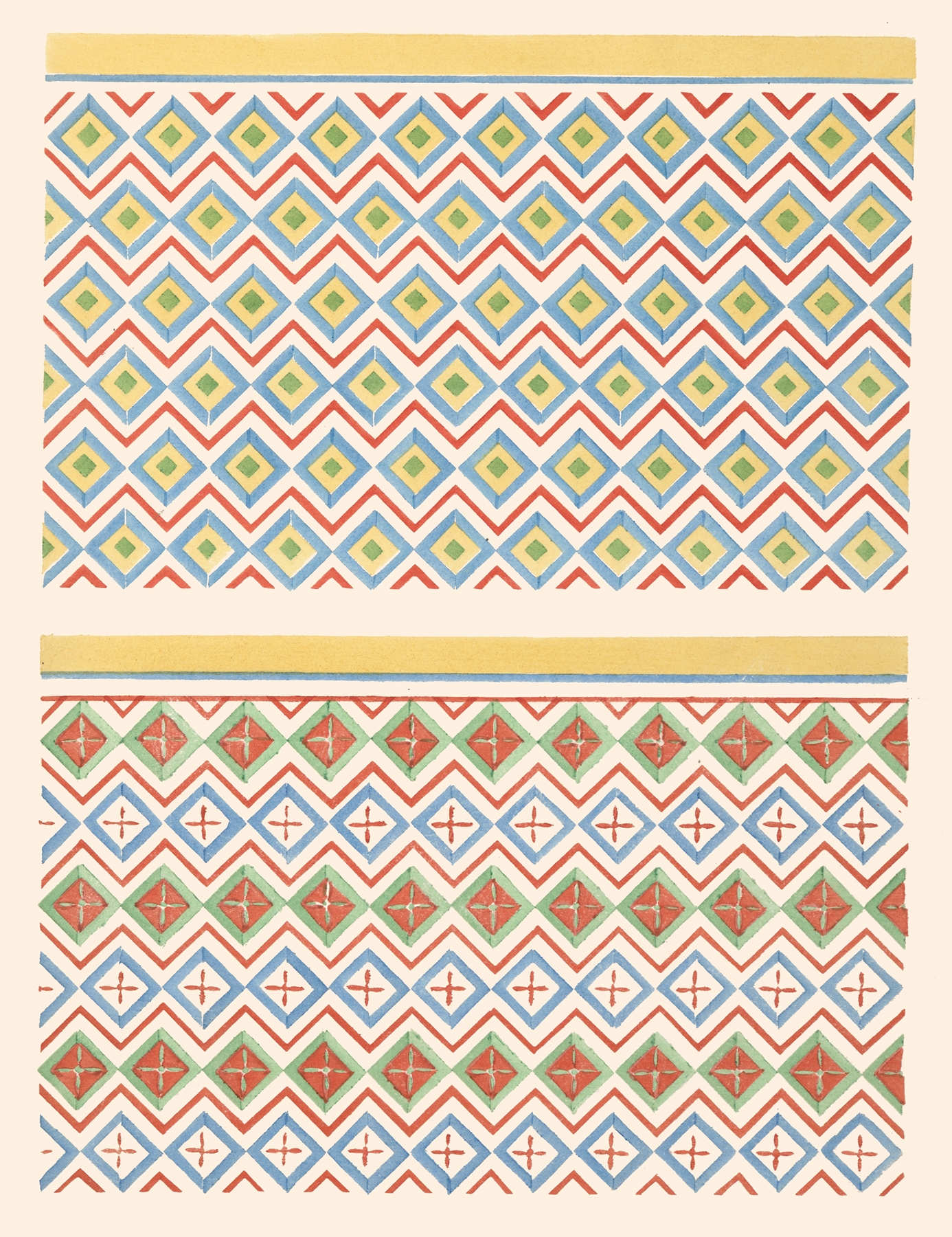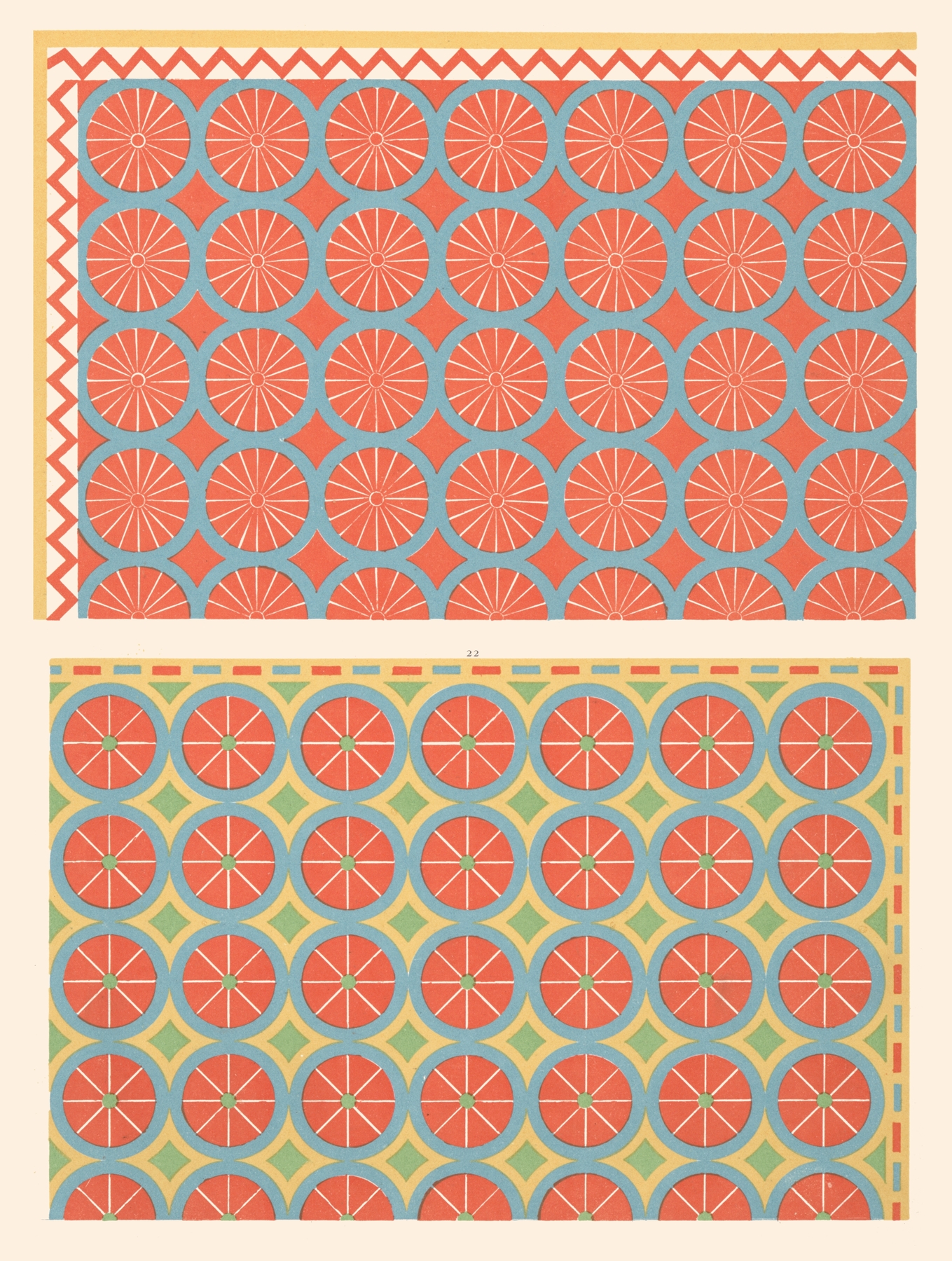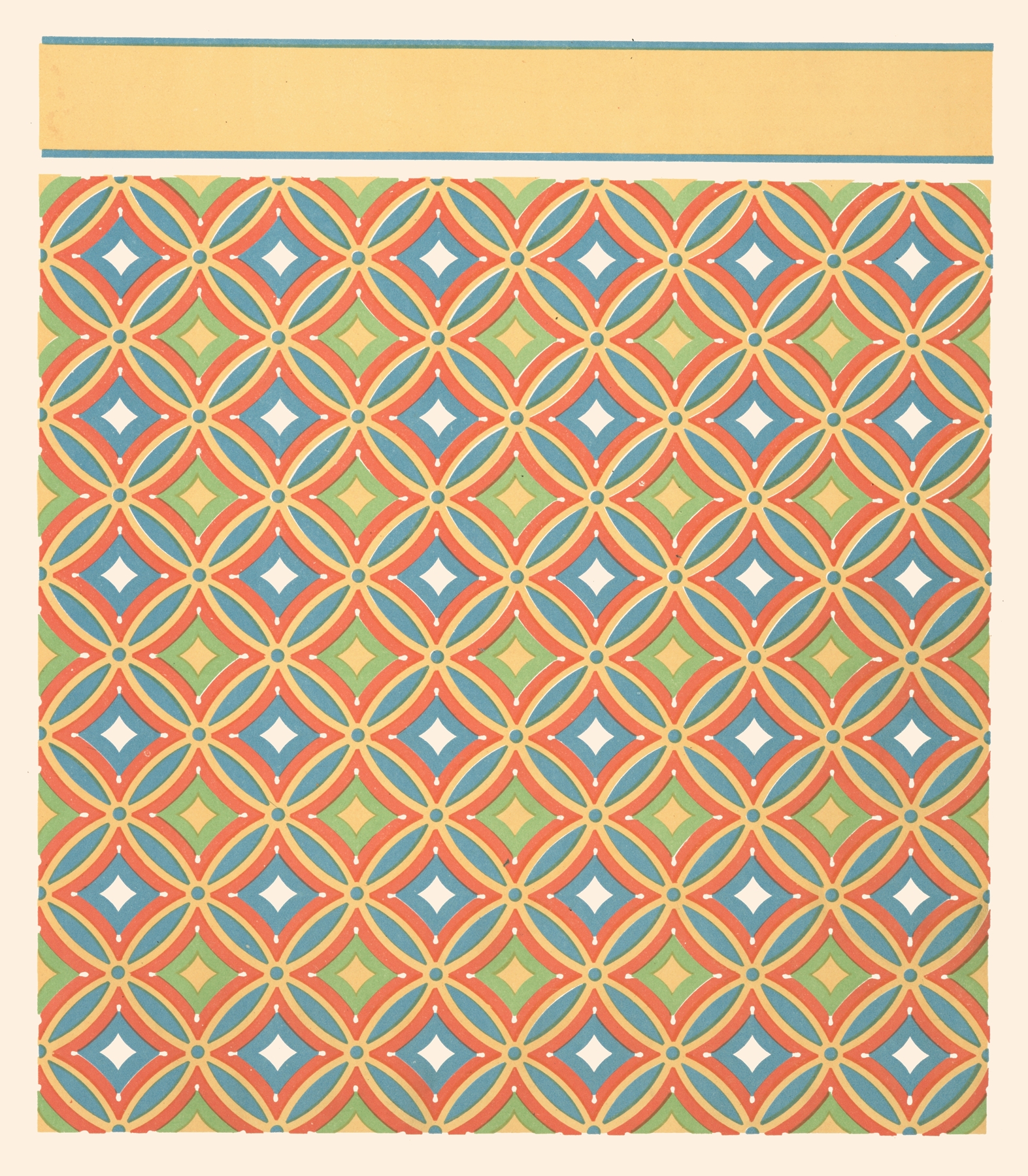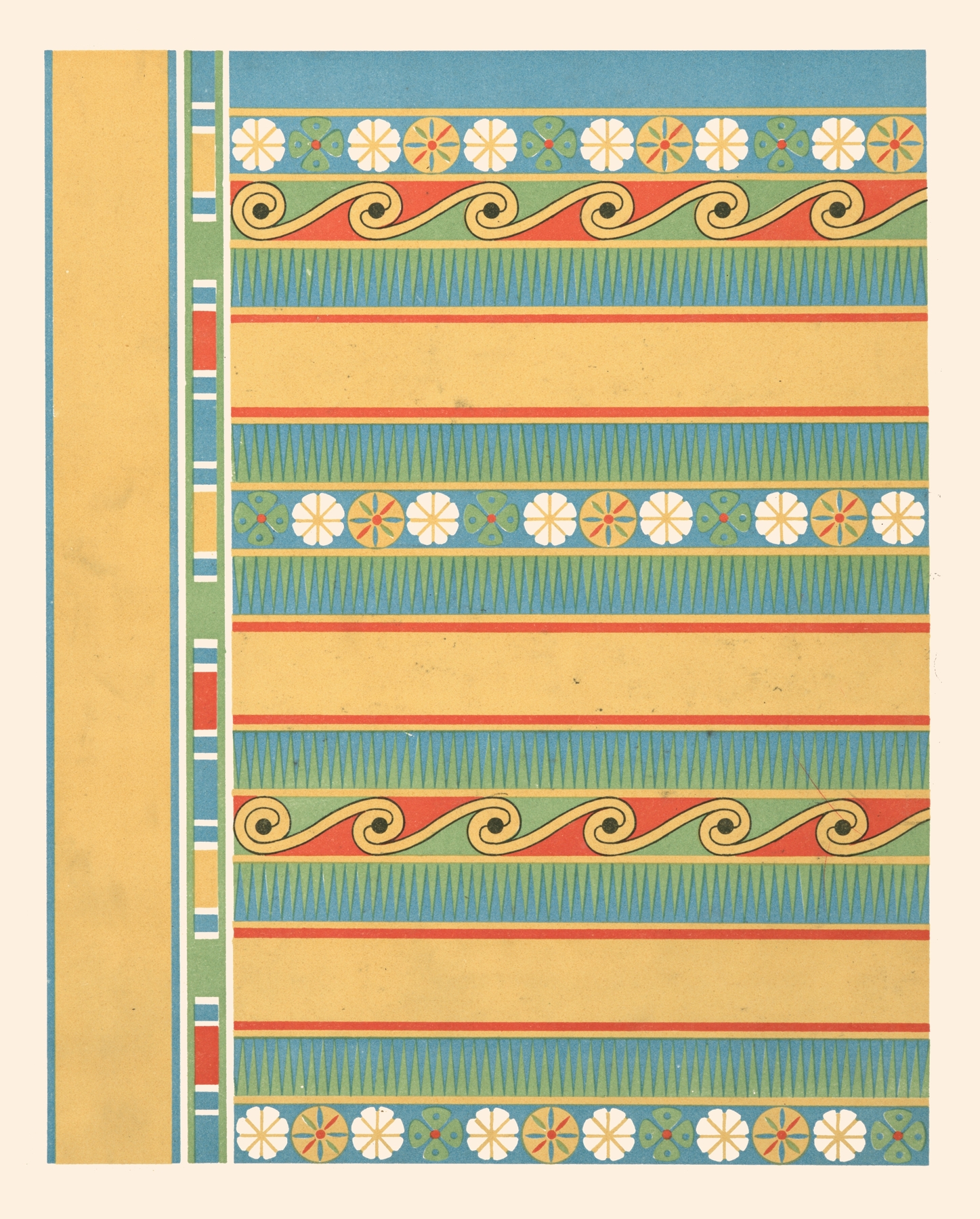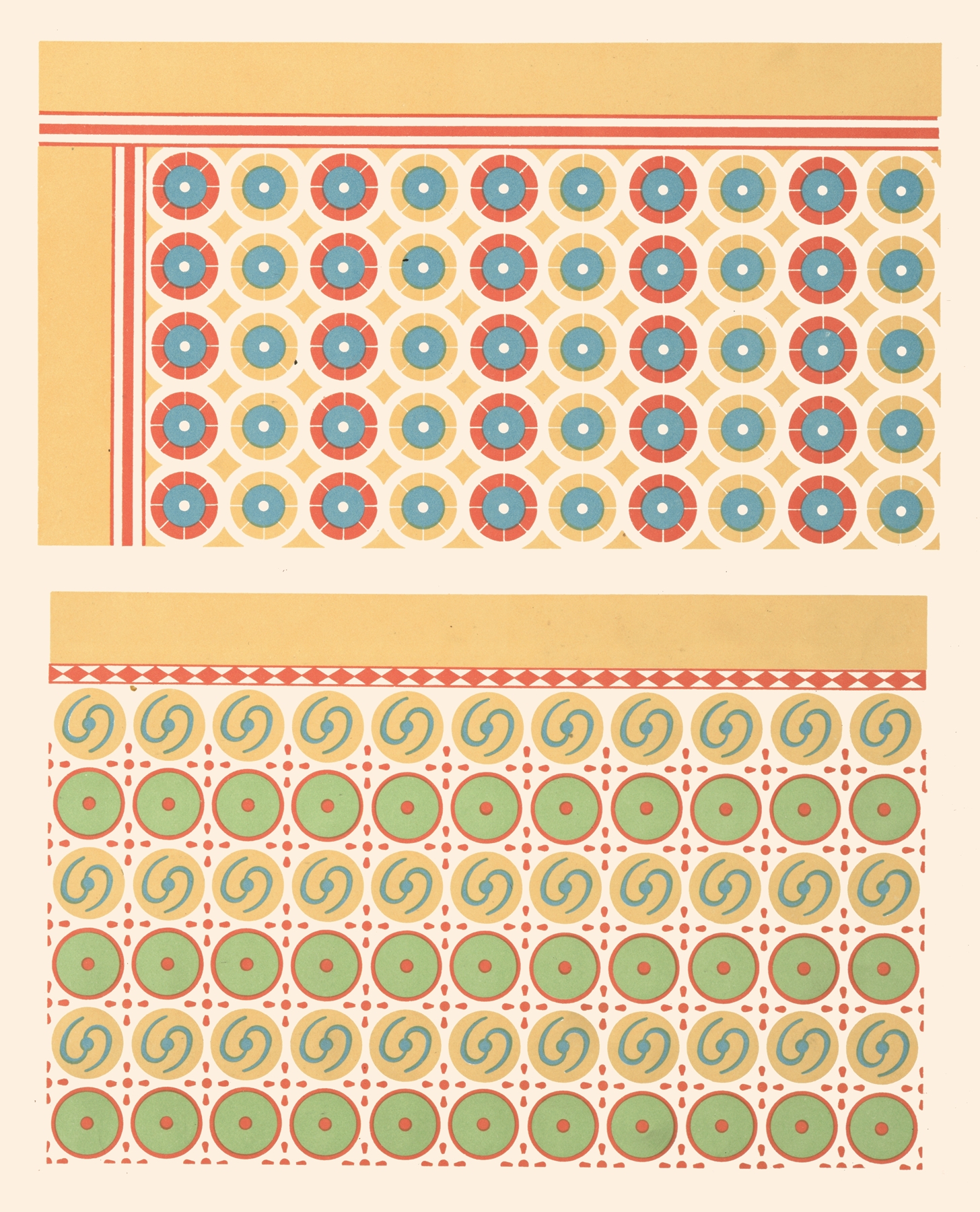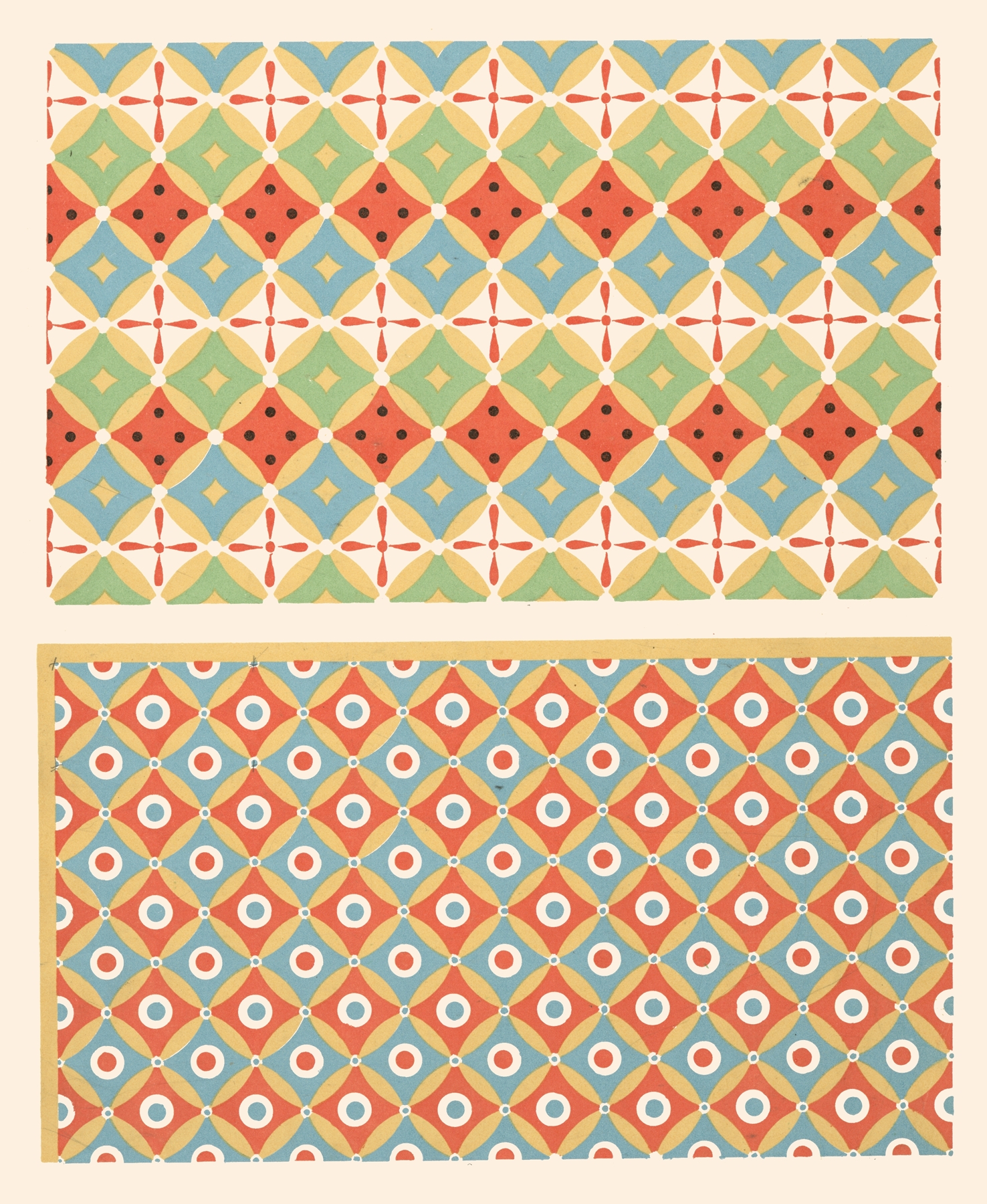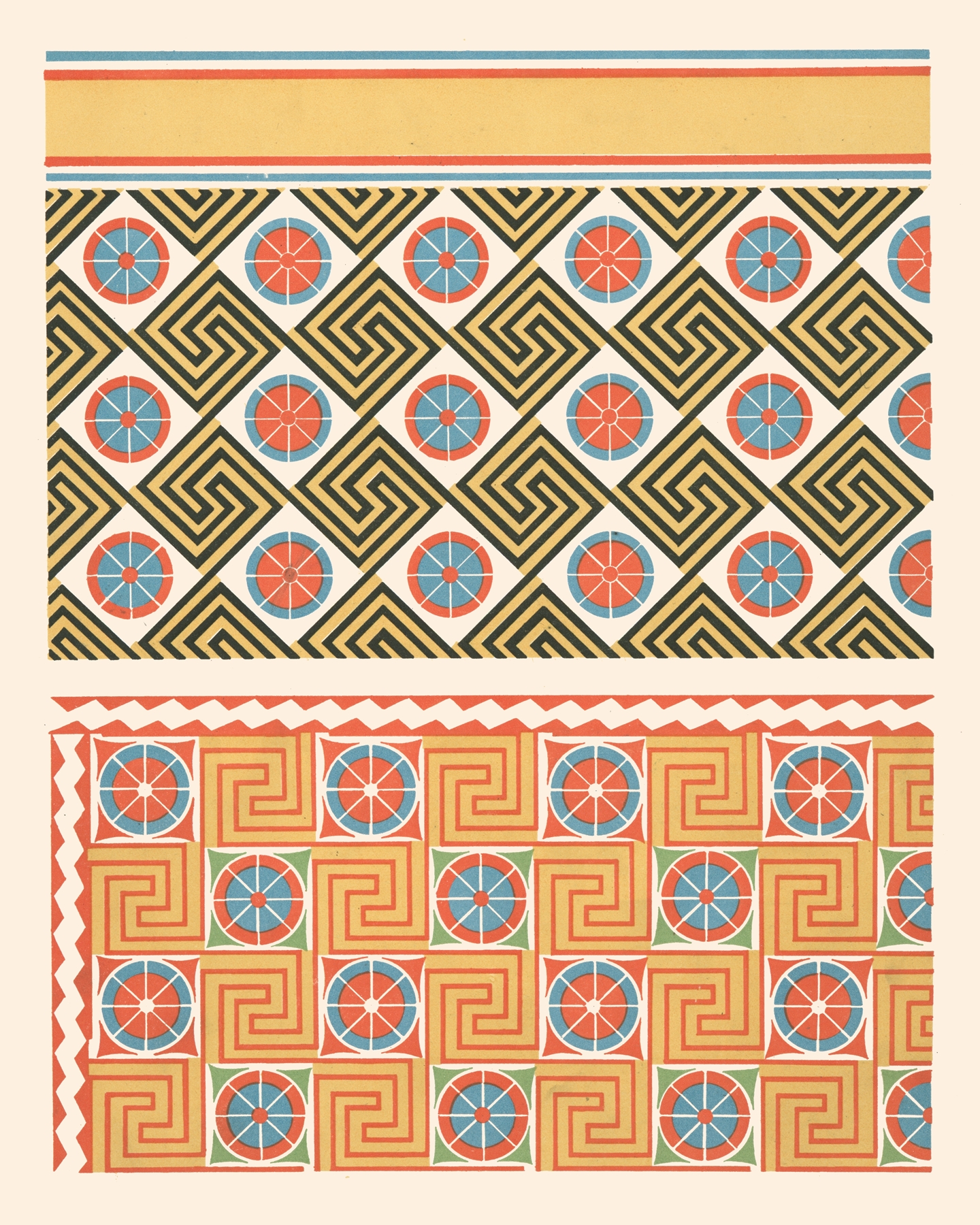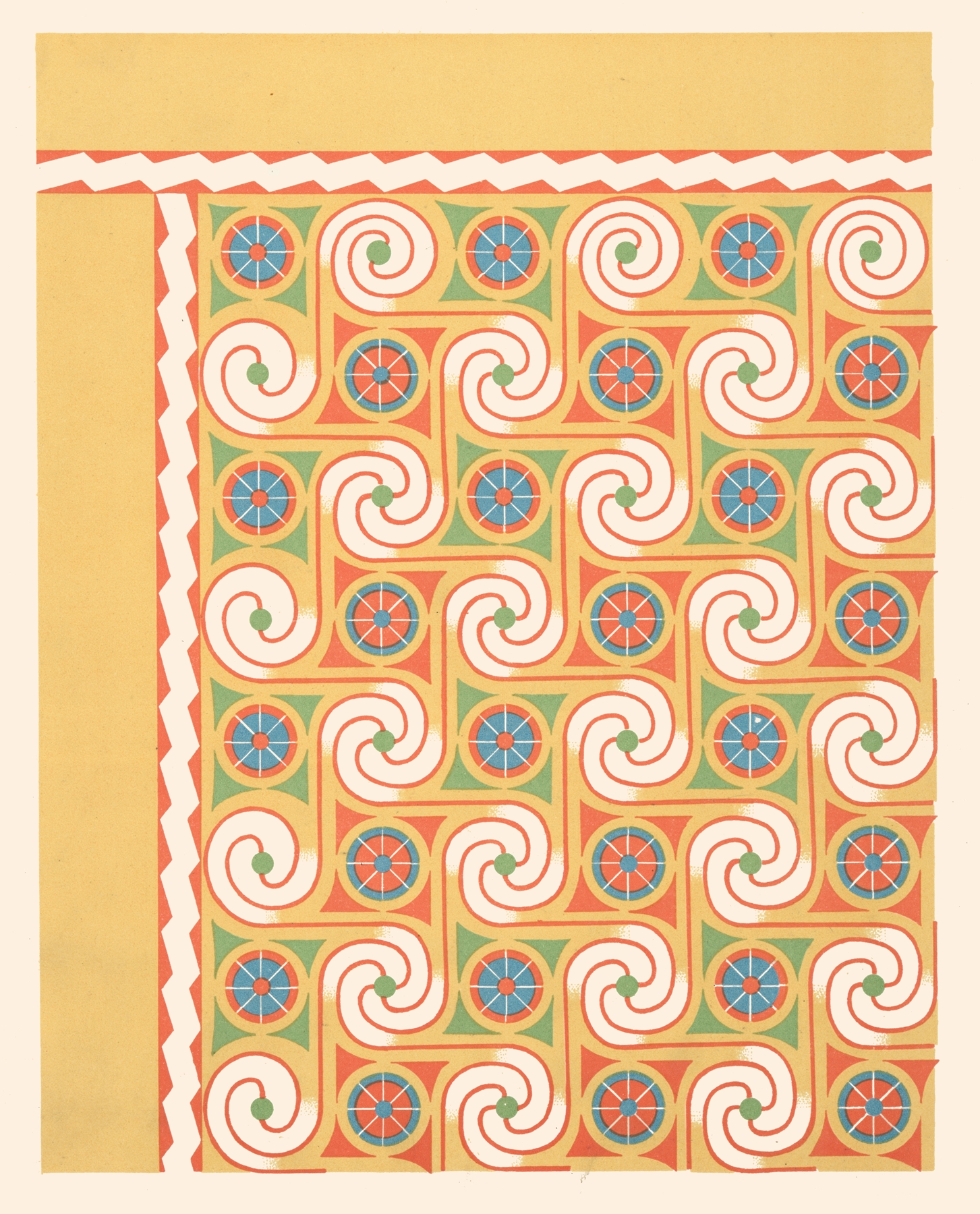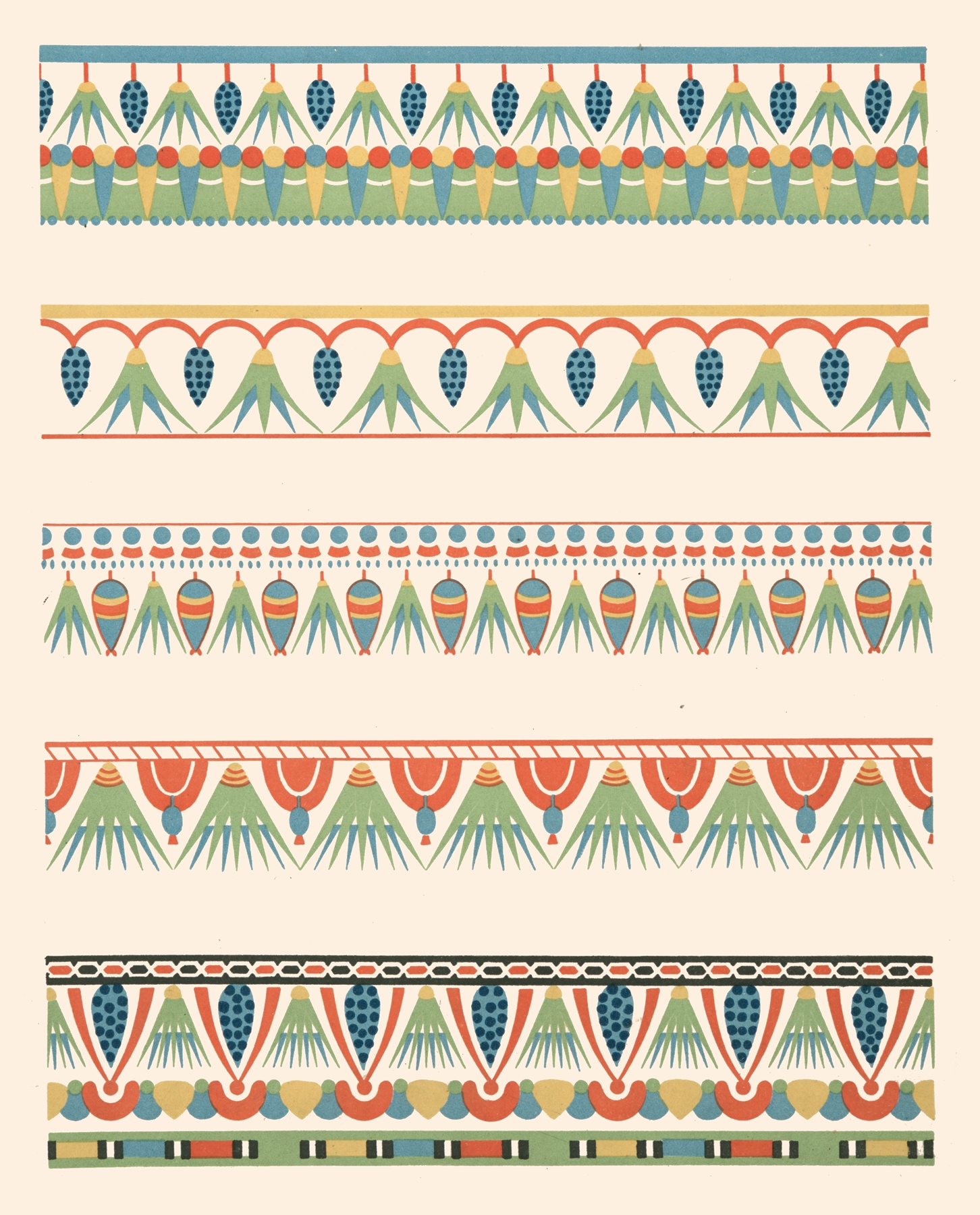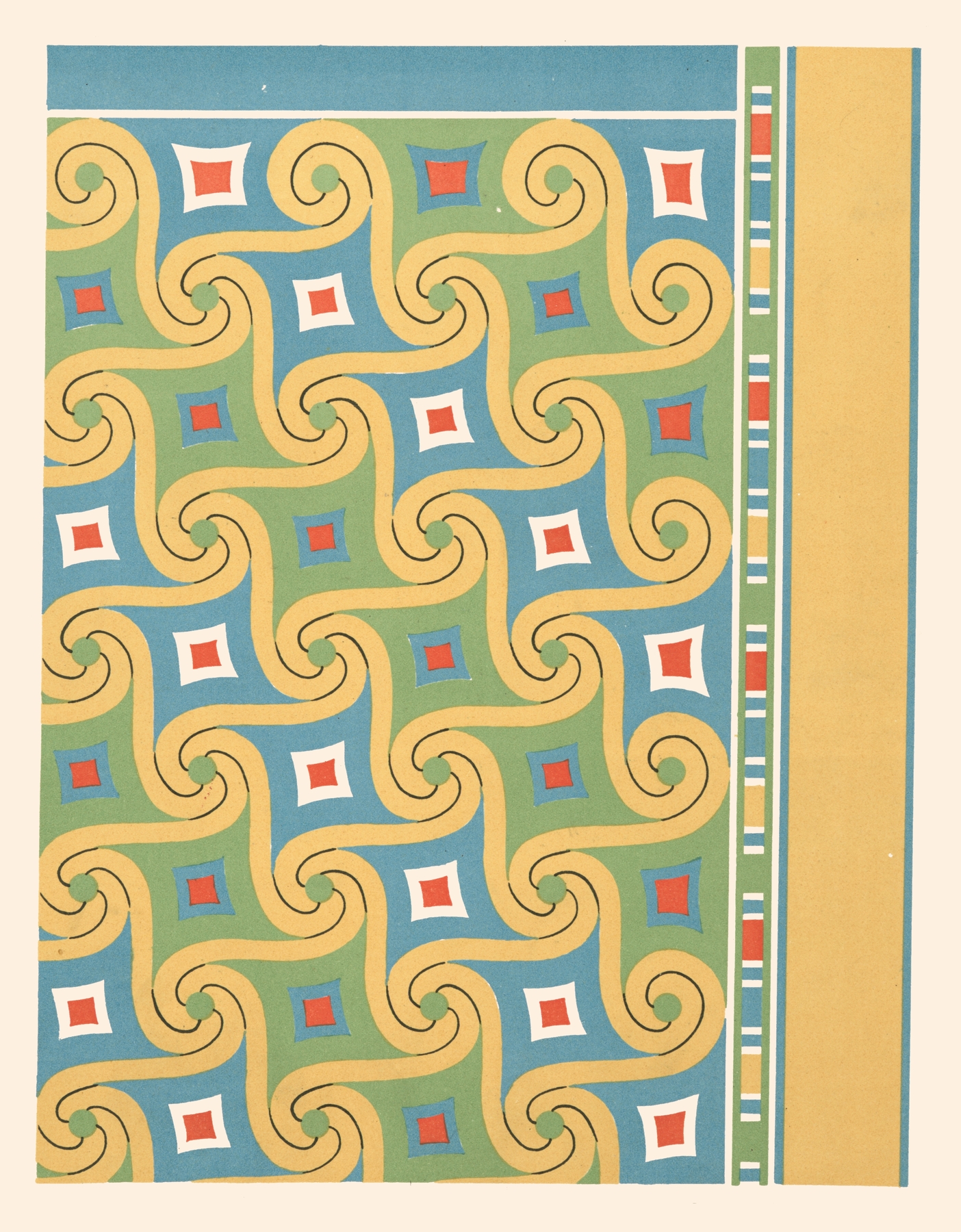
5. Plafond du Tombeau D’amounzeh (° 84), 6. Plafond du Tombeau D’amenemheb — History & Analysis
What if beauty was never meant to be finished? In the delicate interplay of light and color, one can feel the tension between eternity and ephemerality. Look closely at the intricate patterns that adorn the fresco; the swirling motifs draw your gaze across the surface, guiding you into a world suspended between the mortal and the divine. Notice how the soft pastels of turquoise and gold intermingle, creating a dreamlike haze that invites contemplation. The meticulous brushwork reveals layers of texture, as if every stroke holds a whisper of the history that resides within the tomb’s walls, beckoning viewers to lose themselves in its ornate splendor.
Yet, beneath this opulence lies a striking contrast. The ethereal quality of the design evokes a sense of ecstasy, but also a hint of melancholy, as if the beauty captured is just an echo of a fleeting moment. The figures depicted seem to yearn for connection, their expressions frozen in a silent dialogue with the viewer. Each detail speaks to the transitory nature of life, reminding us that even in the most exquisite creations, there lingers an awareness of impermanence. Gustave Jéquier crafted this work in 1911 during a period of significant artistic evolution, where classical forms fused with modern interpretations.
Living in Europe amidst a shifting cultural landscape, he was deeply influenced by both ancient Egyptian motifs and contemporary art movements. His exploration of these themes in 5. Plafond du Tombeau D’amounzeh (° 84) and 6. Plafond du Tombeau D’amenemheb reflects a desire to bridge the past with the present, encapsulating the duality of beauty that continues to resonate through time.