
20. Plafond du Tombeau D’amenheb (n° 90), 21. Plafond du Tombeau de Menkheper (n° 79) — History & Facts
Who listens when art speaks of silence? The vibrant hues whisper stories of lives once lived, encapsulated in the stillness of color. Look to the deep, earthy tones that dominate the ceiling's expanse. The rich reds and golds pulse like lifeblood against the muted backdrop, drawing the viewer's gaze toward the intricate patterns that dance across the surface. Notice how the lavish details of hieroglyphs and motifs are skillfully interwoven, inviting exploration and contemplation.
The interplay of light and shadow creates a rhythmic balance, emphasizing the craftsmanship that breathes life into the painted ceiling, as if each brushstroke unlocks a fragment of history. In this artwork, the contrast between bold colors and delicate lines reflects the duality of the sacred and the mundane. The careful arrangement of symbols evokes a sense of reverence, yet the vibrancy hints at the joy and vitality of the world below. The choice of colors signifies a deeper connection to the cultural past, reminding us of the vibrant life that existed in the tombs, juxtaposed against the solemnity of death and remembrance. Gustave Jéquier painted these ceilings in 1911, during a period of renewed interest in ancient civilizations and their artistry.
Working in Egypt, he immersed himself in the study of Pharaonic tomb decorations, capturing their essence while contributing to the broader discourse on Egyptology. This time marked a significant moment in art history, as scholars and artists alike sought to bridge the gap between contemporary interpretation and historical reverence.
More Artworks by Gustave Jéquier
Browse all →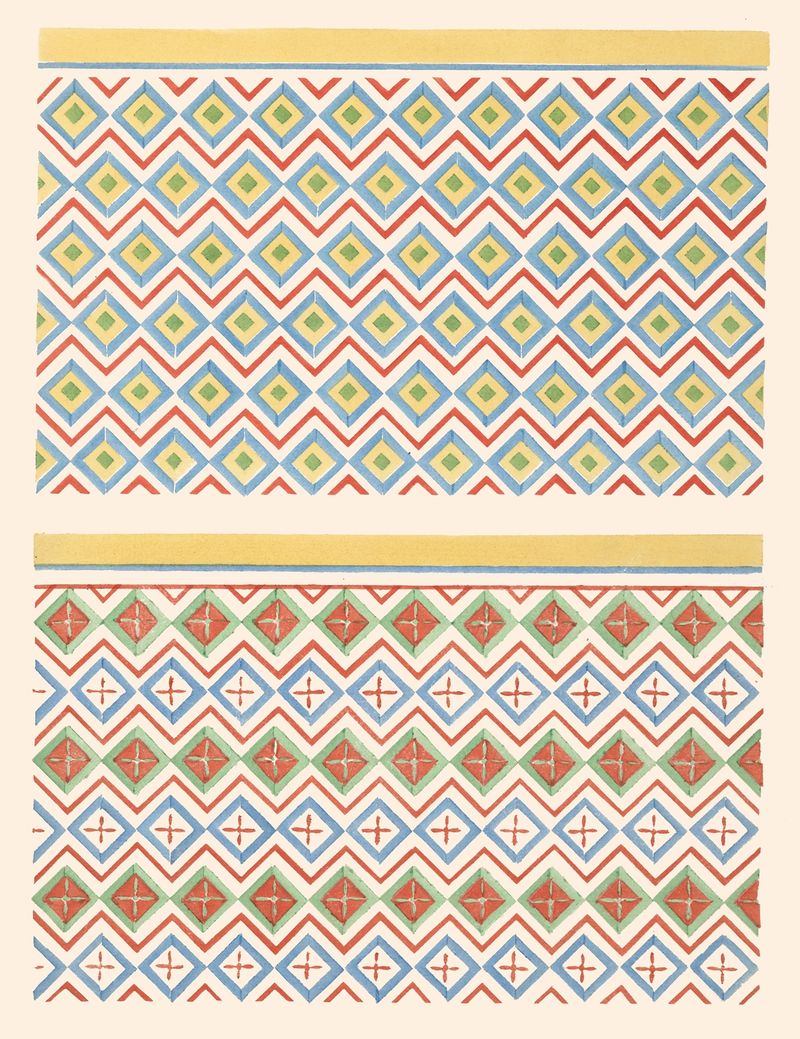
9. Plafond du Tombeau de Hapousenb (n° 67), 10. Plafond du Tombeau D’amounzeh (n° 84)
Gustave Jéquier
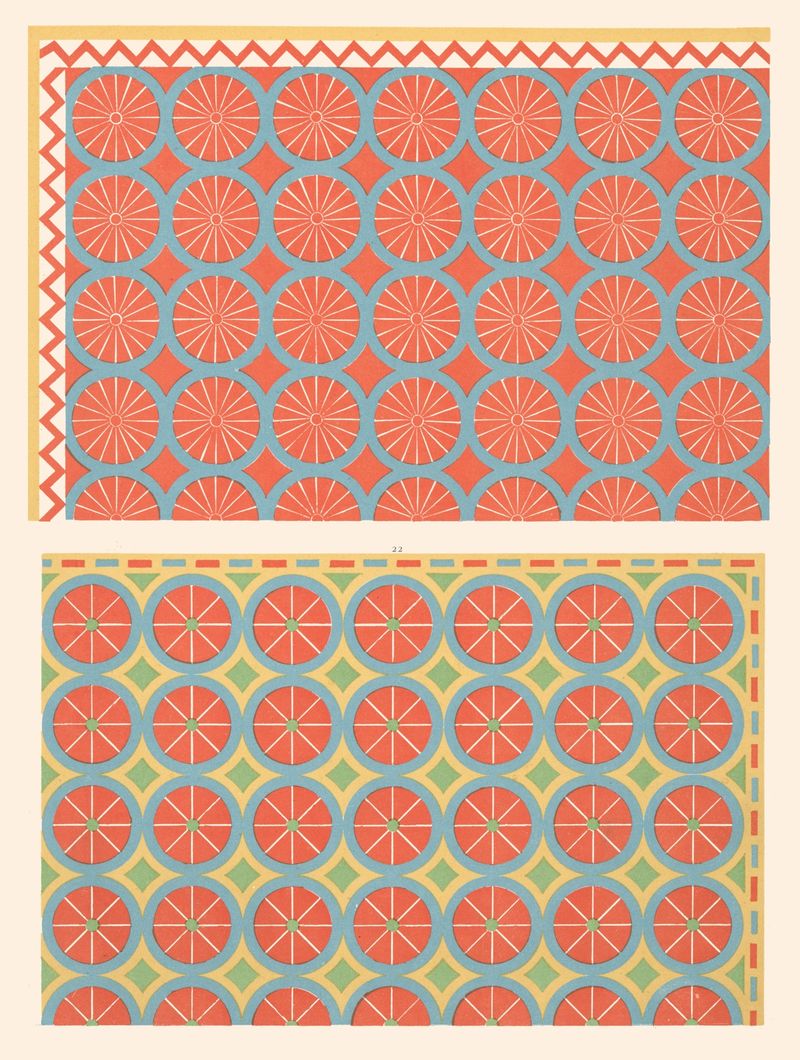
22. Plafond du Tombeau de Hiq-er-Neheh (n°64), 23. Plafond du Tombeau de Tenna (n° 76)
Gustave Jéquier
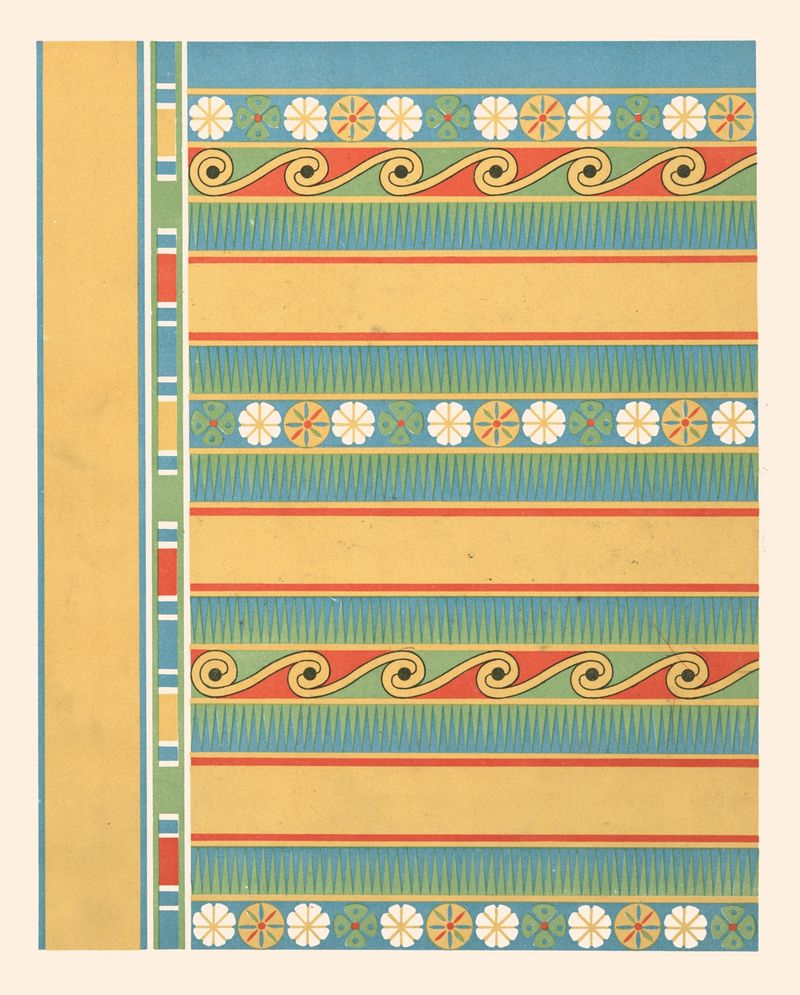
49. Plafond du Tombeau de Nesi-pa-Noferher (n° 68)
Gustave Jéquier
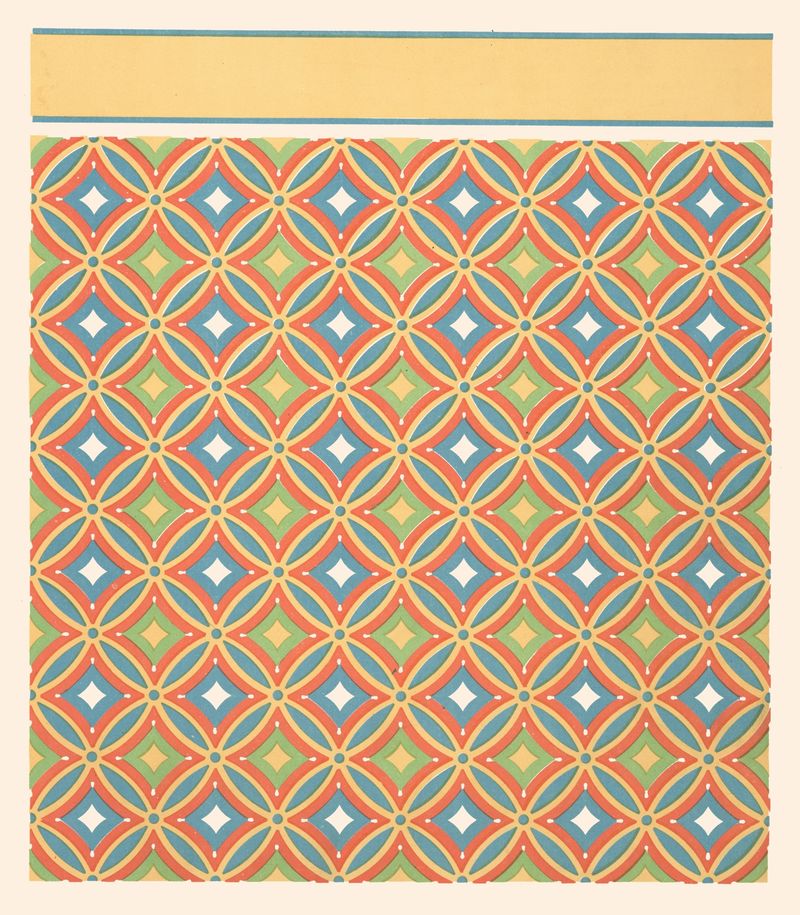
29. Plafond du Tombeau D’amenemhat (n° 82)
Gustave Jéquier
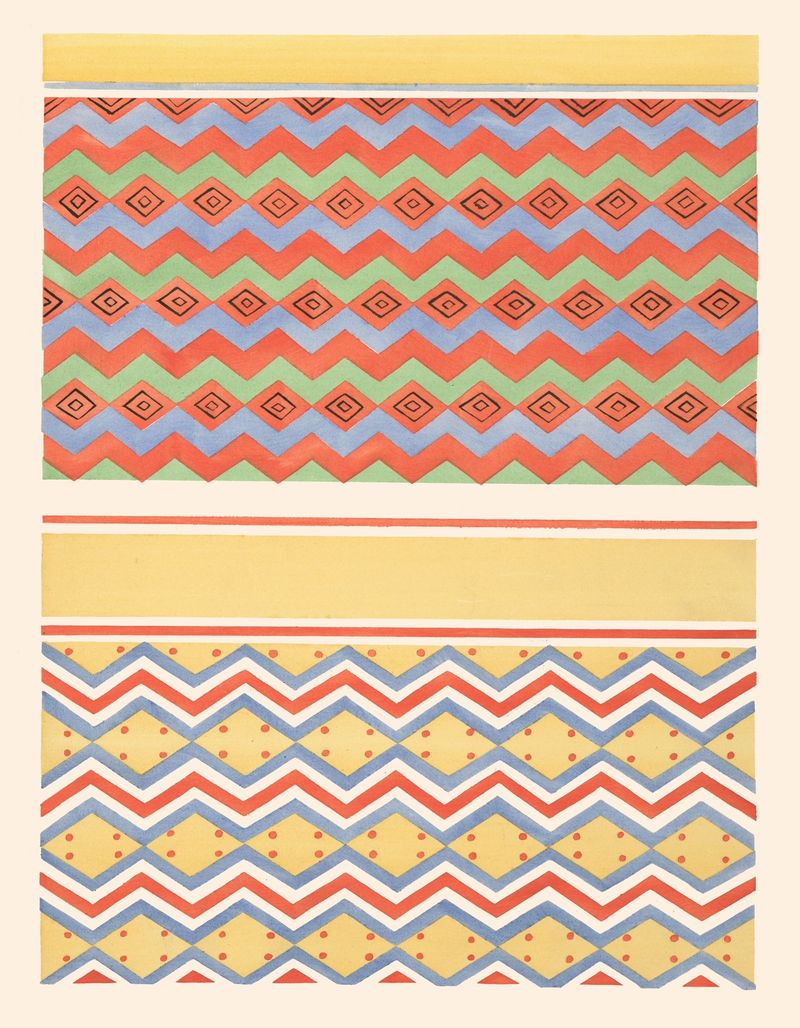
5. Plafond du Tombeau D’amounzeh (° 84), 6. Plafond du Tombeau D’amenemheb
Gustave Jéquier
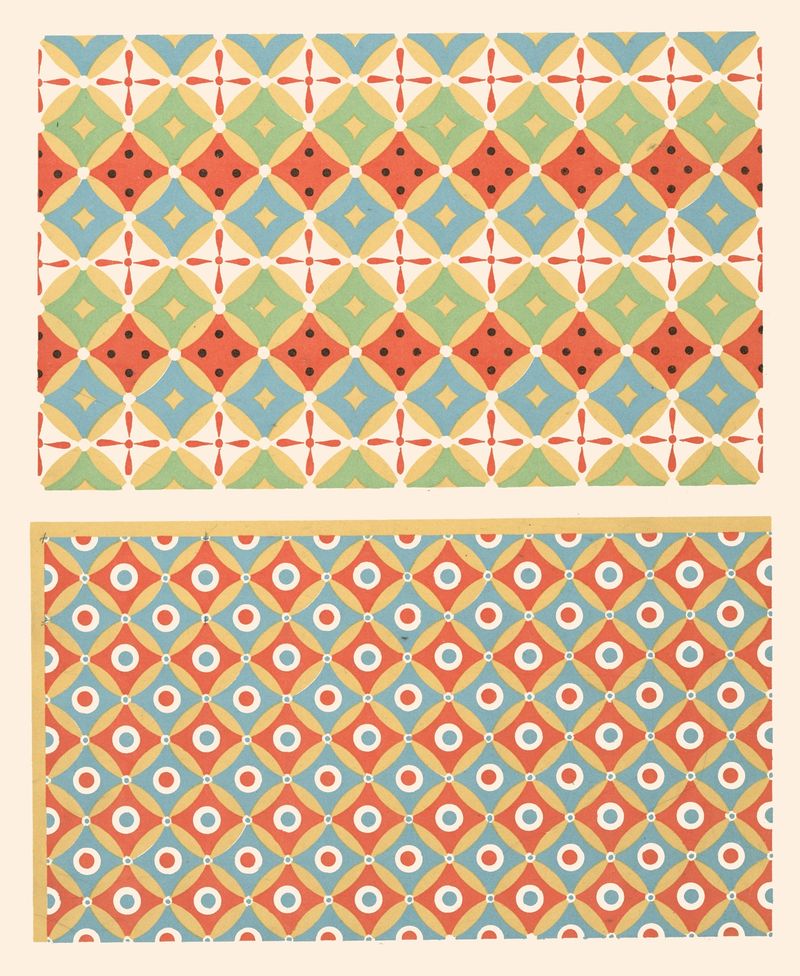
27. Plafond du Tombeau de Nekht-Mîn (n° 87), 28. Plafond du Tombeau n° 91 (Anonyme)
Gustave Jéquier
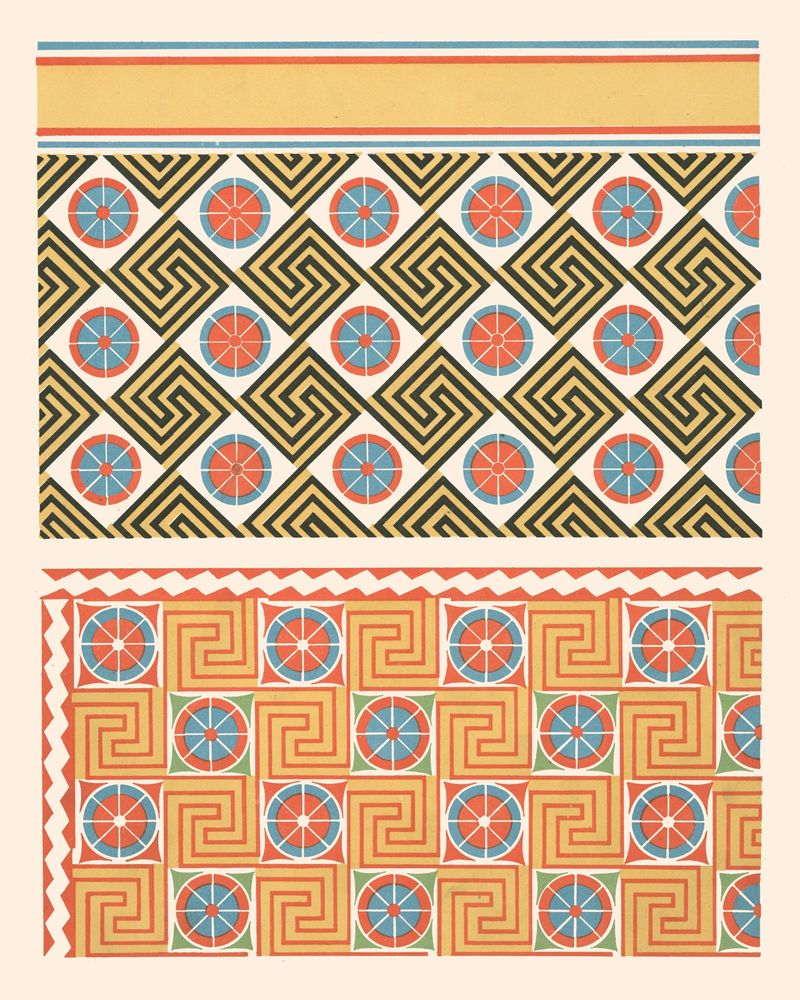
38. Plafond du Tombeau D’anna (n° 81), 39. Plafond du Tombeau de Senmout (n° 71)
Gustave Jéquier
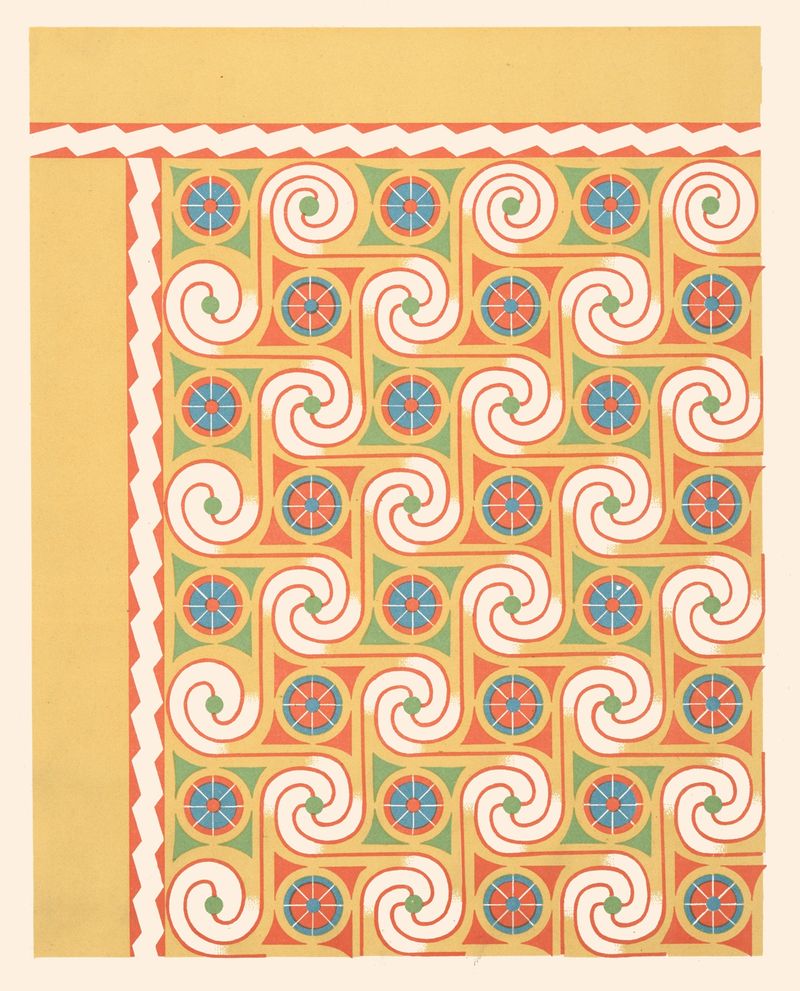
34. Plafond du Tombeau de Senmout (n° 71)
Gustave Jéquier
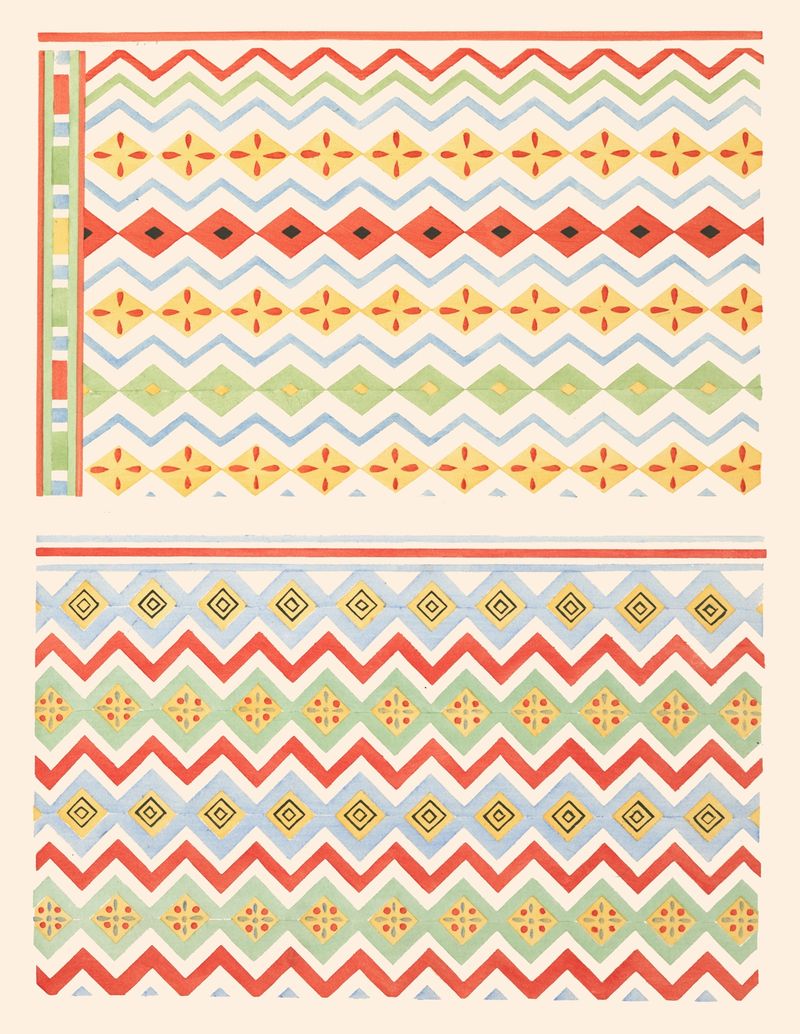
7. Plafond du Tombeau D’amenemant (n° 58), 8. Plafond du Tombeau de Pehsoukehr (n° 88)
Gustave Jéquier
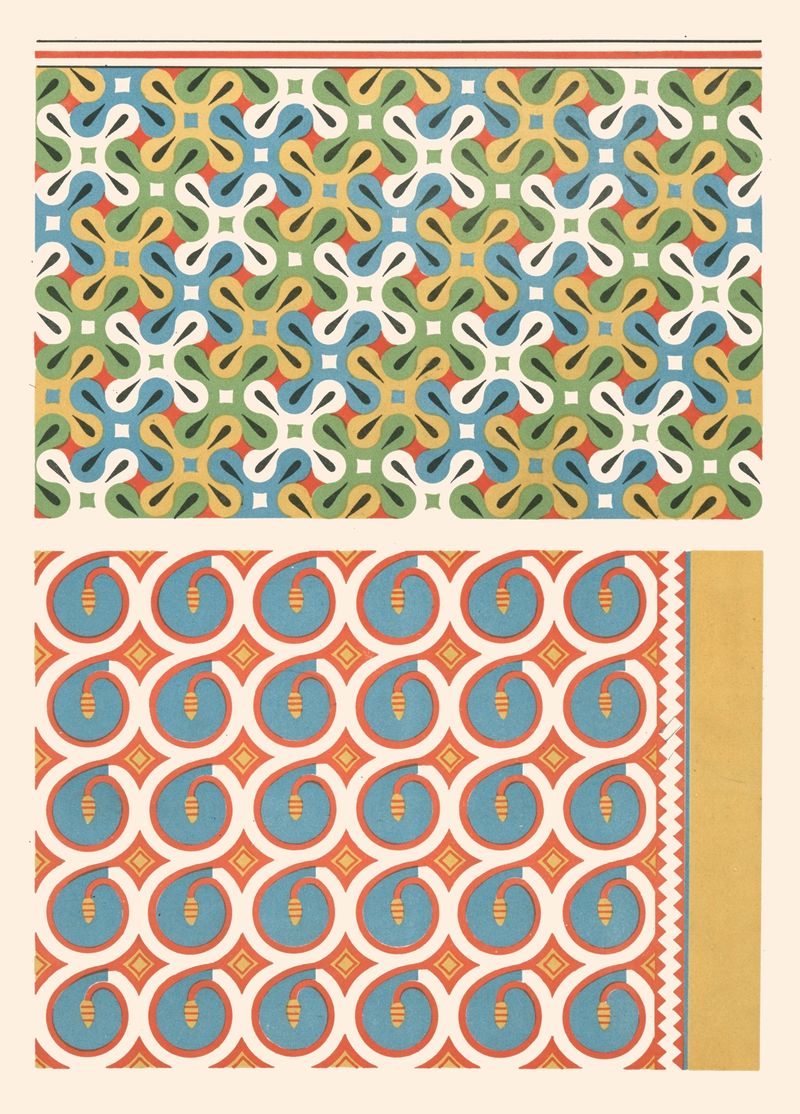
42. Plafond du Tombeau D’amenemhat (n° 82), 43. Plafond du Tombeau de Hapousenb (n° 67)
Gustave Jéquier
More Religious Art
Browse all →
The Return of the Prodigal Son
Rembrandt van Rijn

The Garden of Earthly Delights
El Bosco

Count Orgaz’ funeral
El Greco

The Hundred Guilder Print: the central piece with Christ preaching, the plate arched
Rembrandt van Rijn

The Descent from the Cross
Rogier van der Weyden

The return of the prodigal son
Rembrandt van Rijn