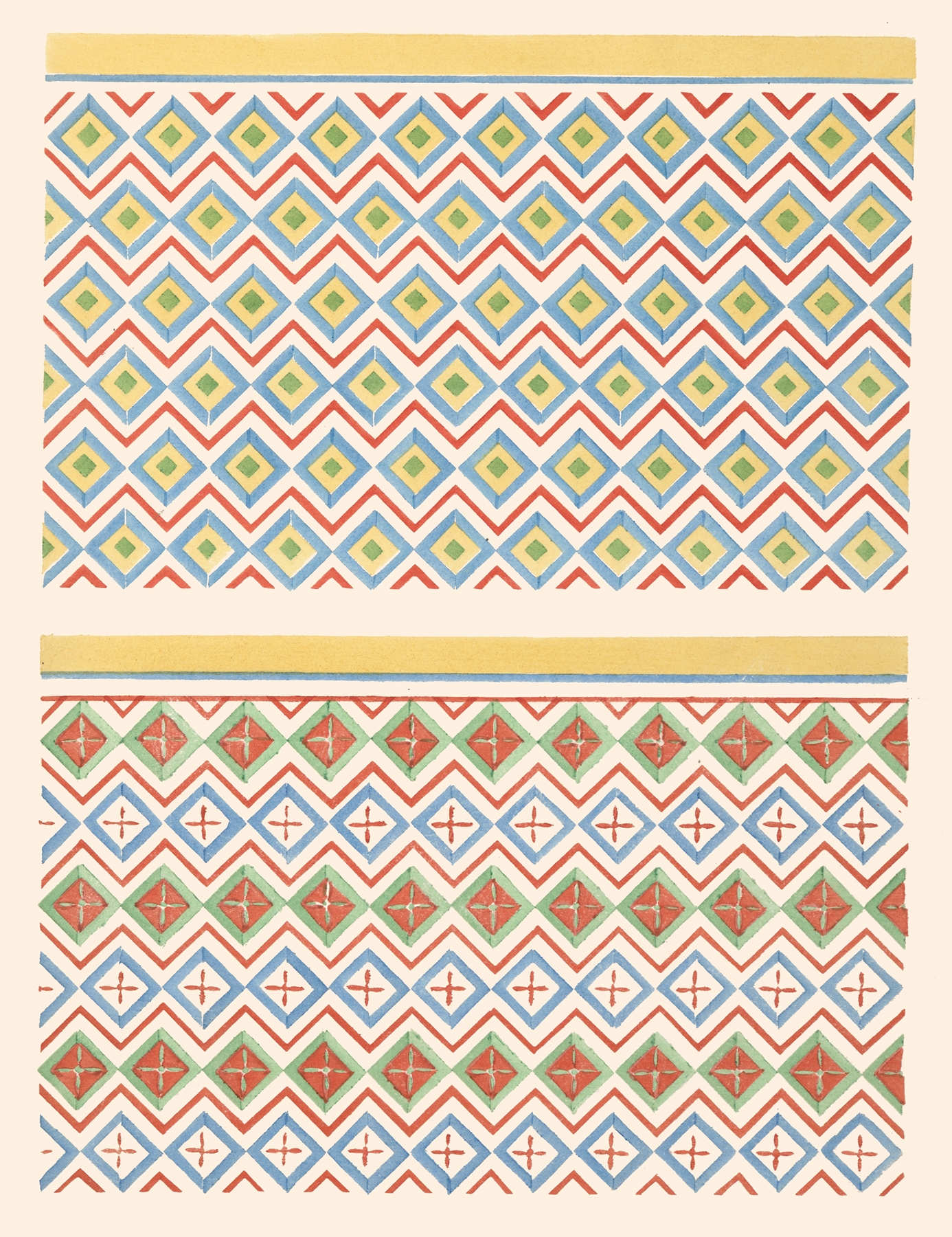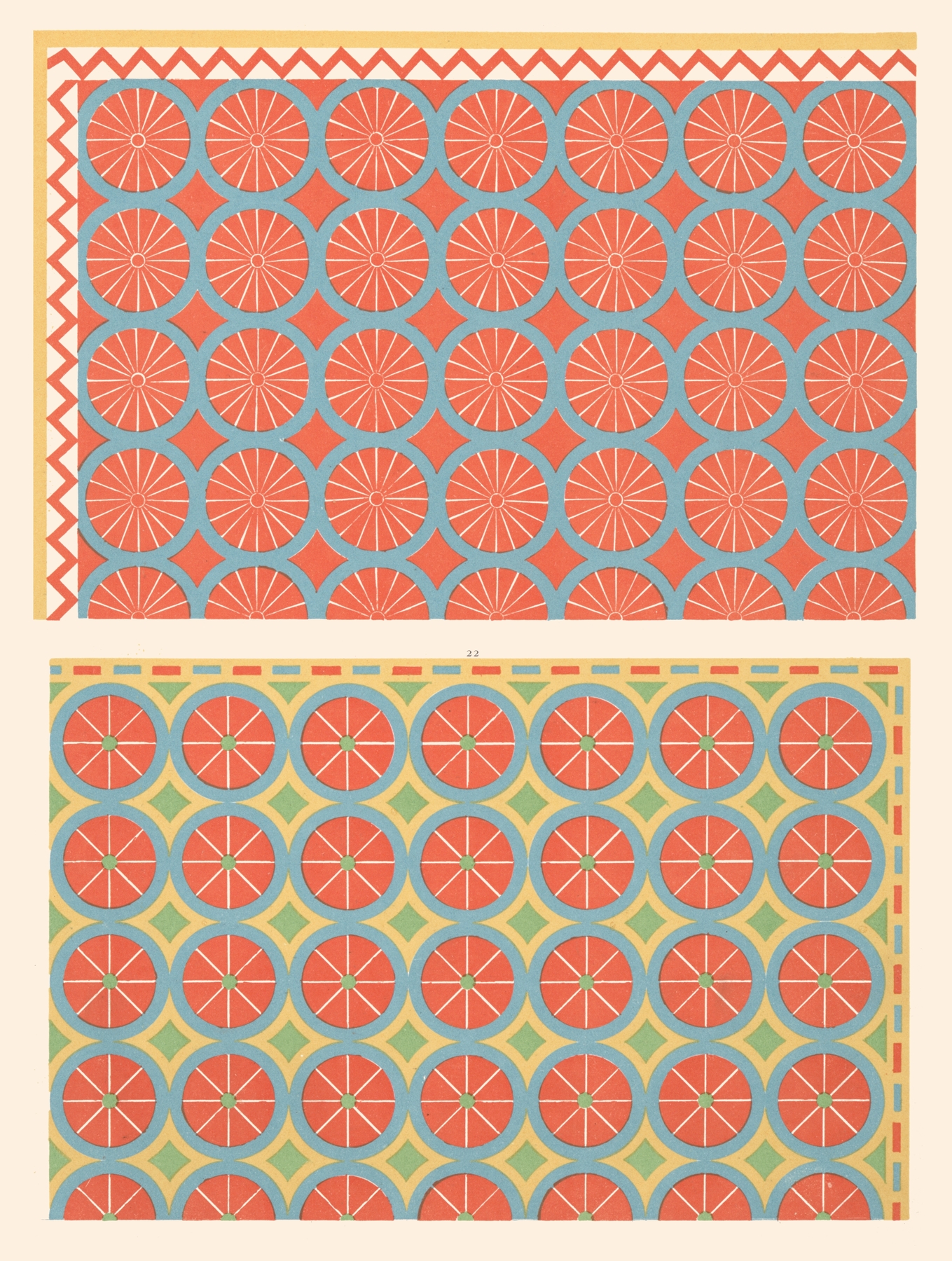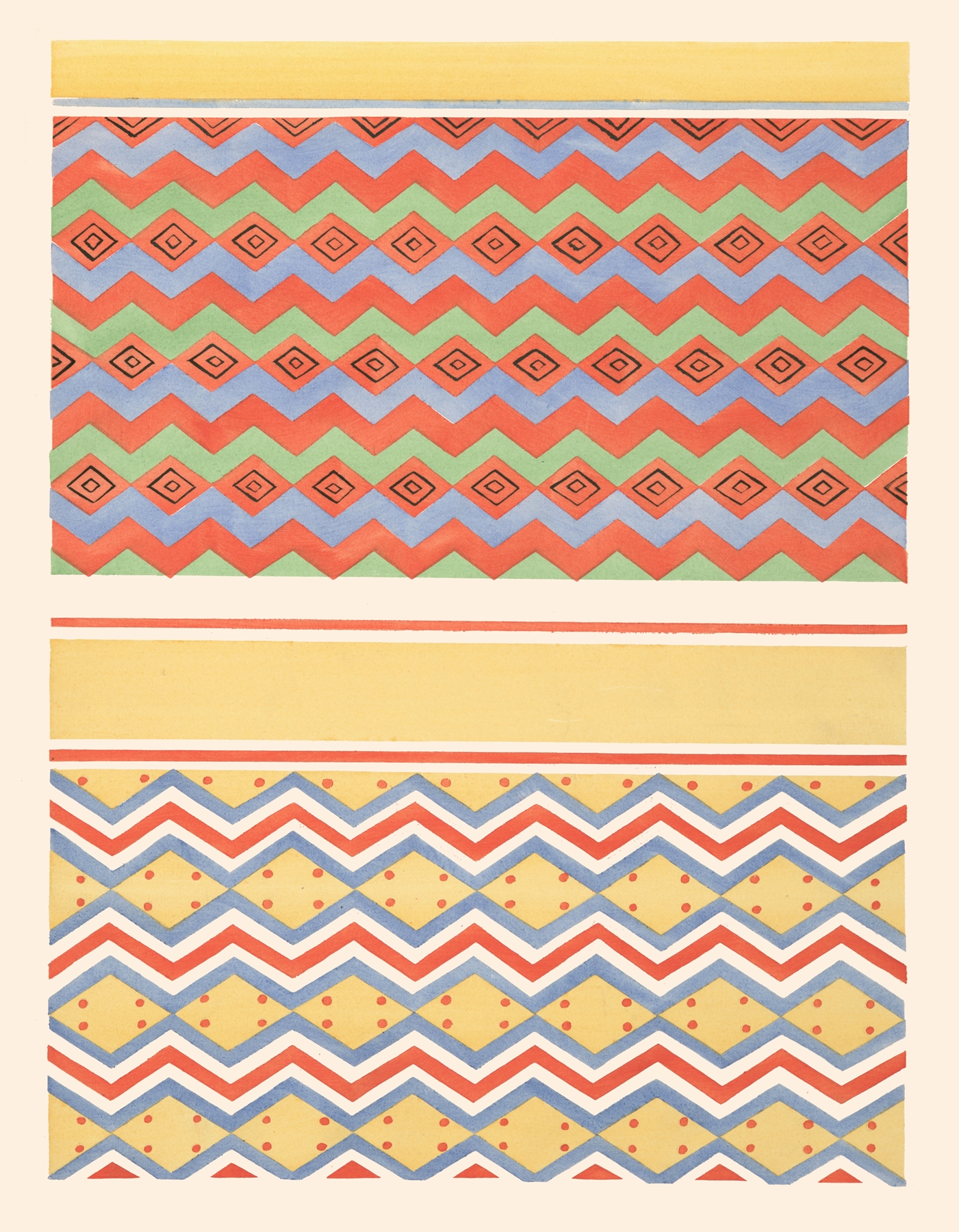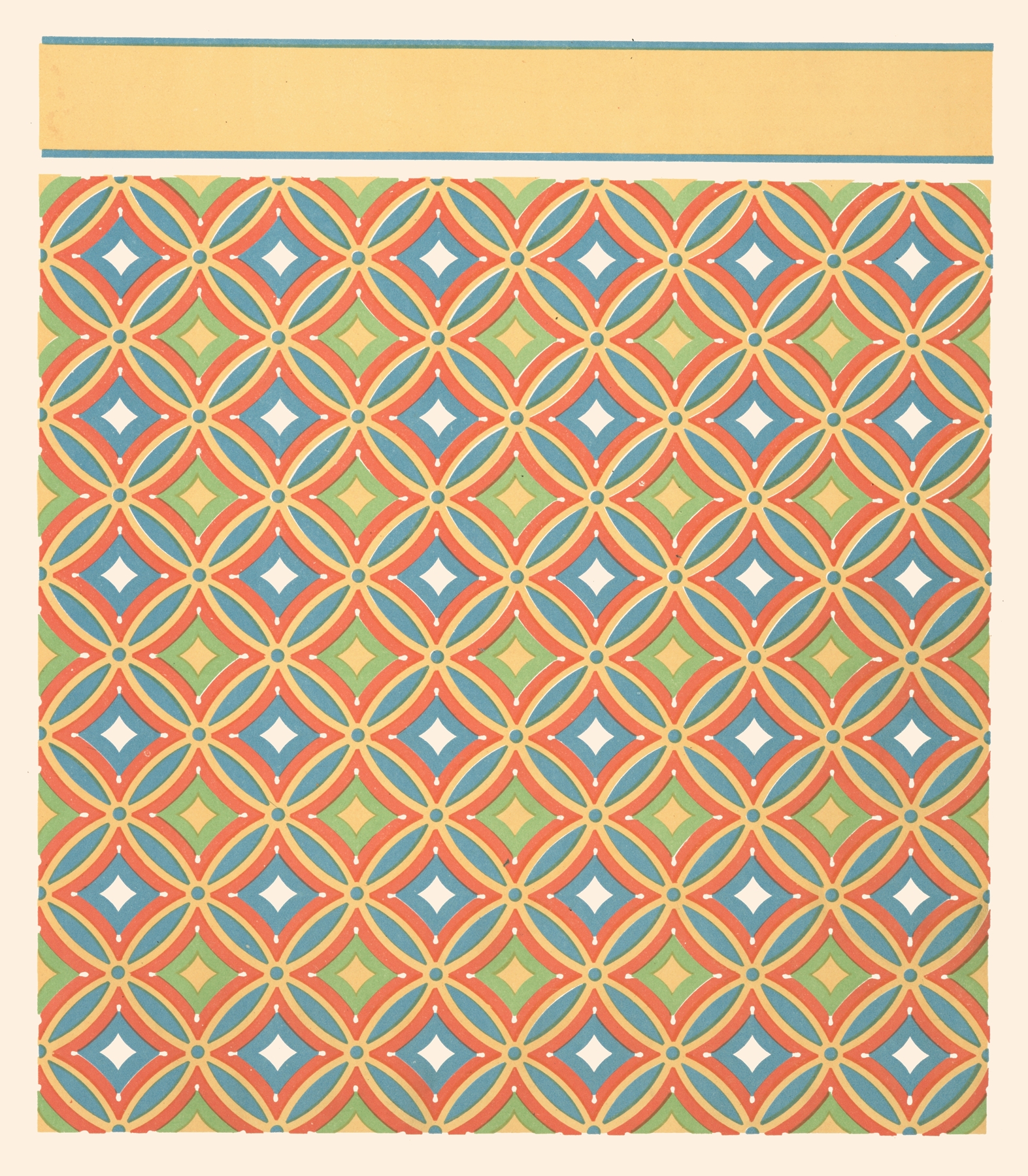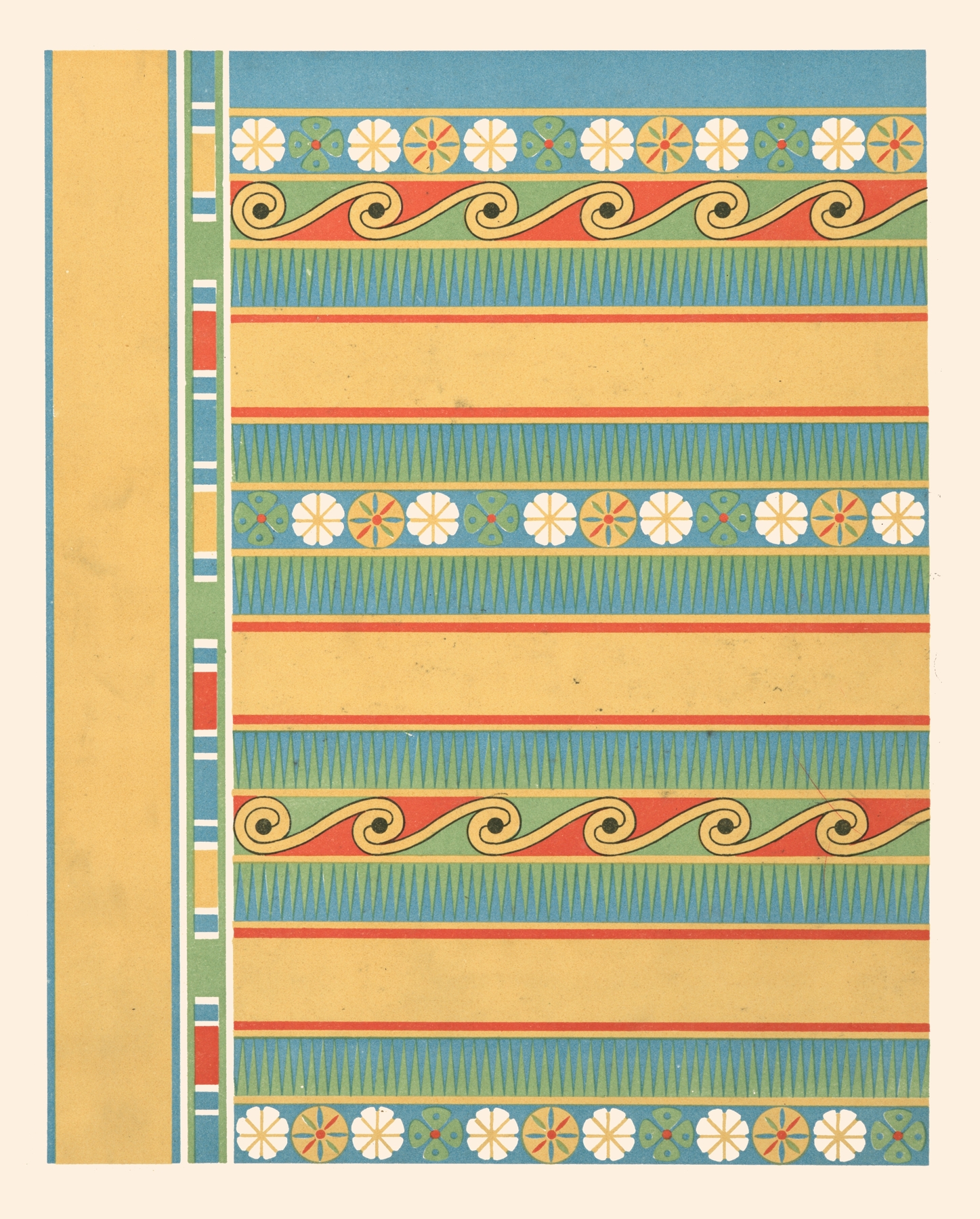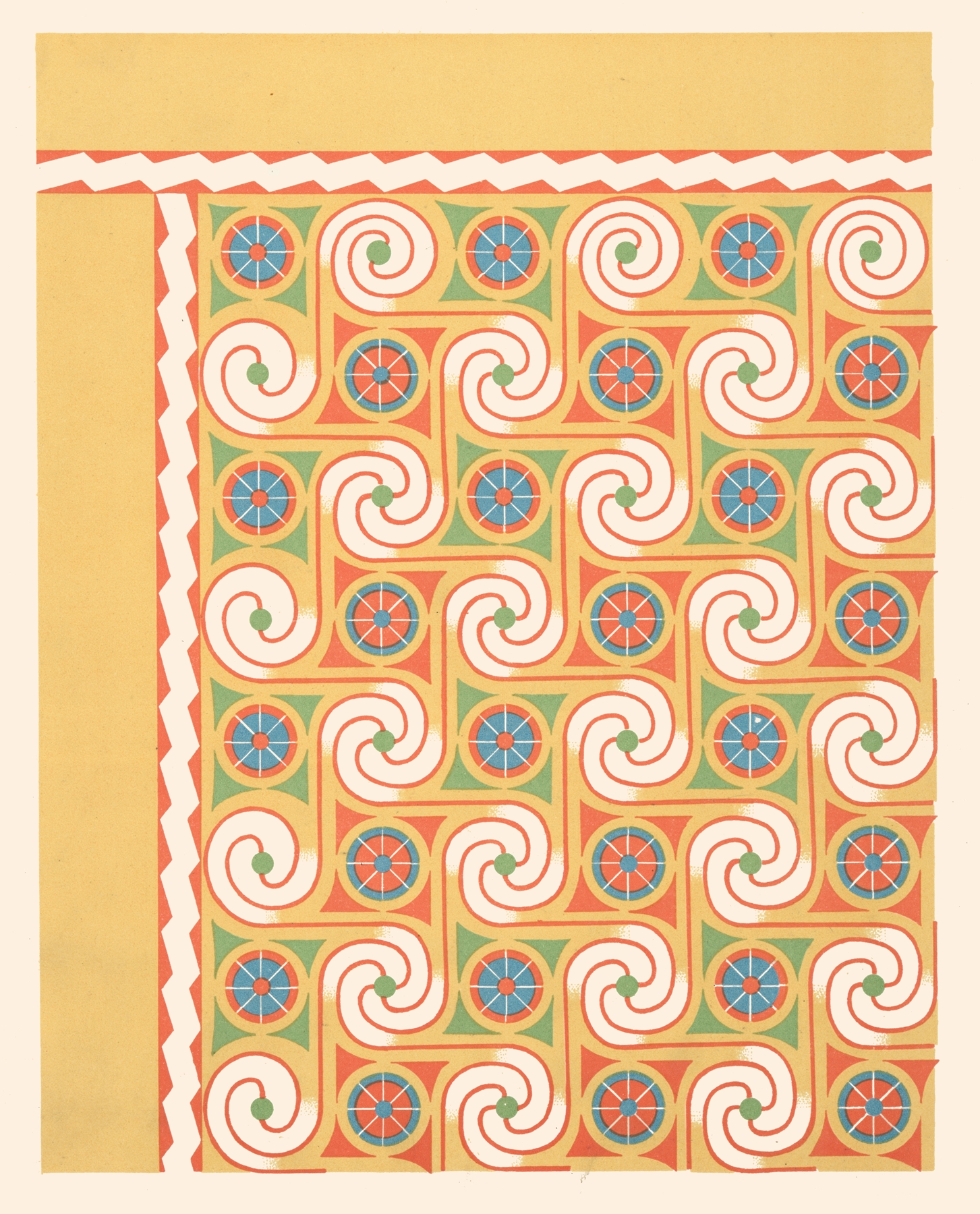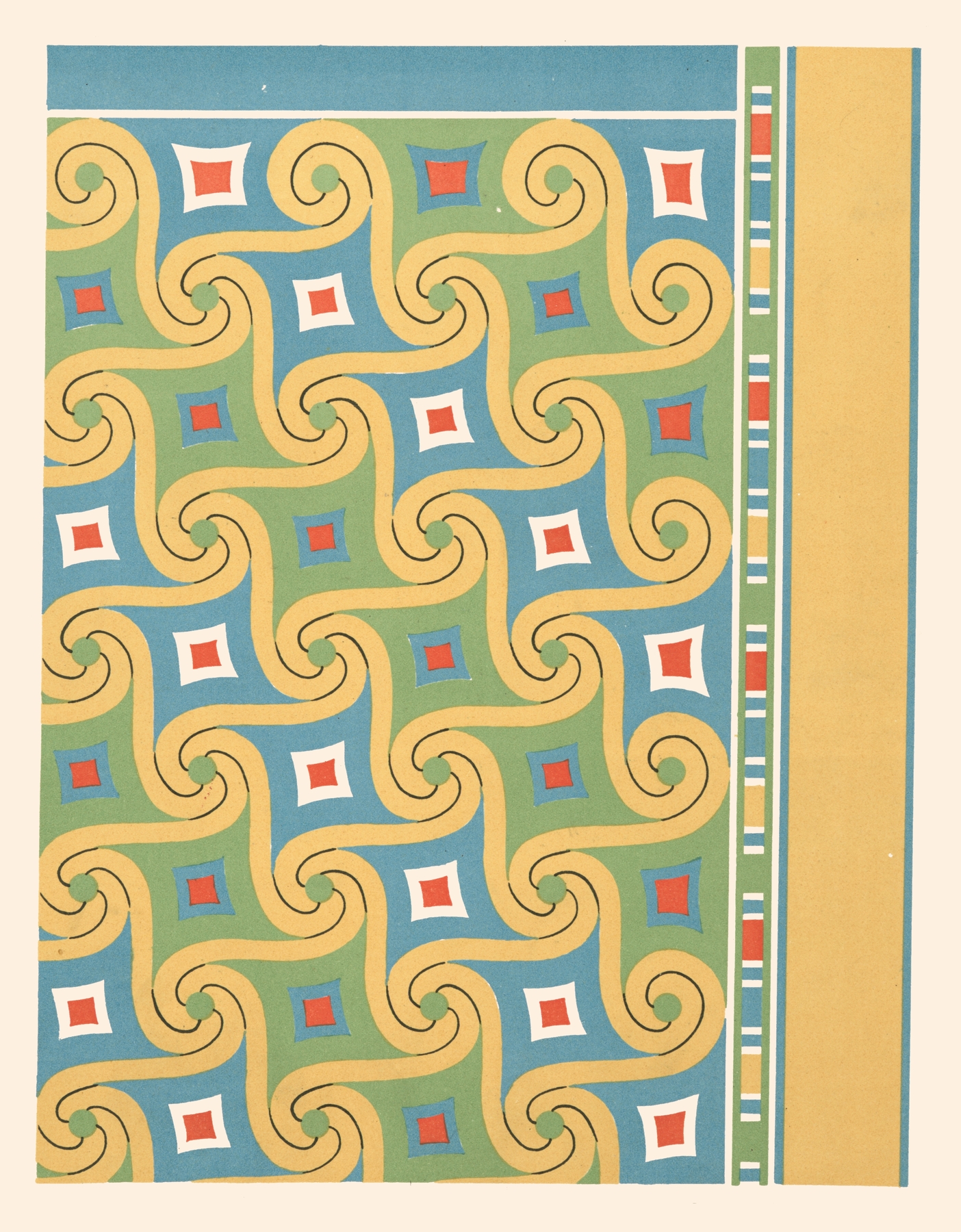
53. Frise Du Tombeau D’ Amenheb (n° 90)… — History & Analysis
“The canvas doesn’t lie — it simply waits.” In the embrace of time, dreams whisper and linger, inviting us into worlds both vivid and elusive. What secrets lie within the layers of paint, where reality and imagination entwine? Look closely at the intricate details in the upper left corner, where shadows dance softly across the surface, revealing a depth that encourages the eye to wander. The muted palette of deep browns and soft golds evokes a sense of age, while the delicate brushwork breathes life into the composition.
Notice how the hieroglyphs seem to pulse with energy, each stroke a testament to the artist’s reverence for the ancient past, yet filled with an aura of mystery that beckons the viewer to delve deeper. Beneath the surface, this piece reflects a profound dialogue between mortality and eternity. The juxtaposition of stark lines and soft curves suggests the tension between the rigid structures of life and the fluidity of dreams. Each element resonates with a sense of longing, embodying the desire to connect with what lies beyond the tangible.
The ghostly figures, shrouded in whispers of memory, hint at the relentless pursuit of understanding the afterlife, challenging us to confront our own existential queries. In 1911, Gustave Jéquier created this work during a time of great exploration in art, as movements like Symbolism and Surrealism began to take root. Living in France, he was influenced by a burgeoning interest in Egyptology and the mysteries of ancient civilizations, which fueled his creative vision. This period saw a blending of tradition and innovation, as artists sought to capture the intangible essence of life and the mysteries that lie beyond, a pursuit beautifully encapsulated in this evocative piece.