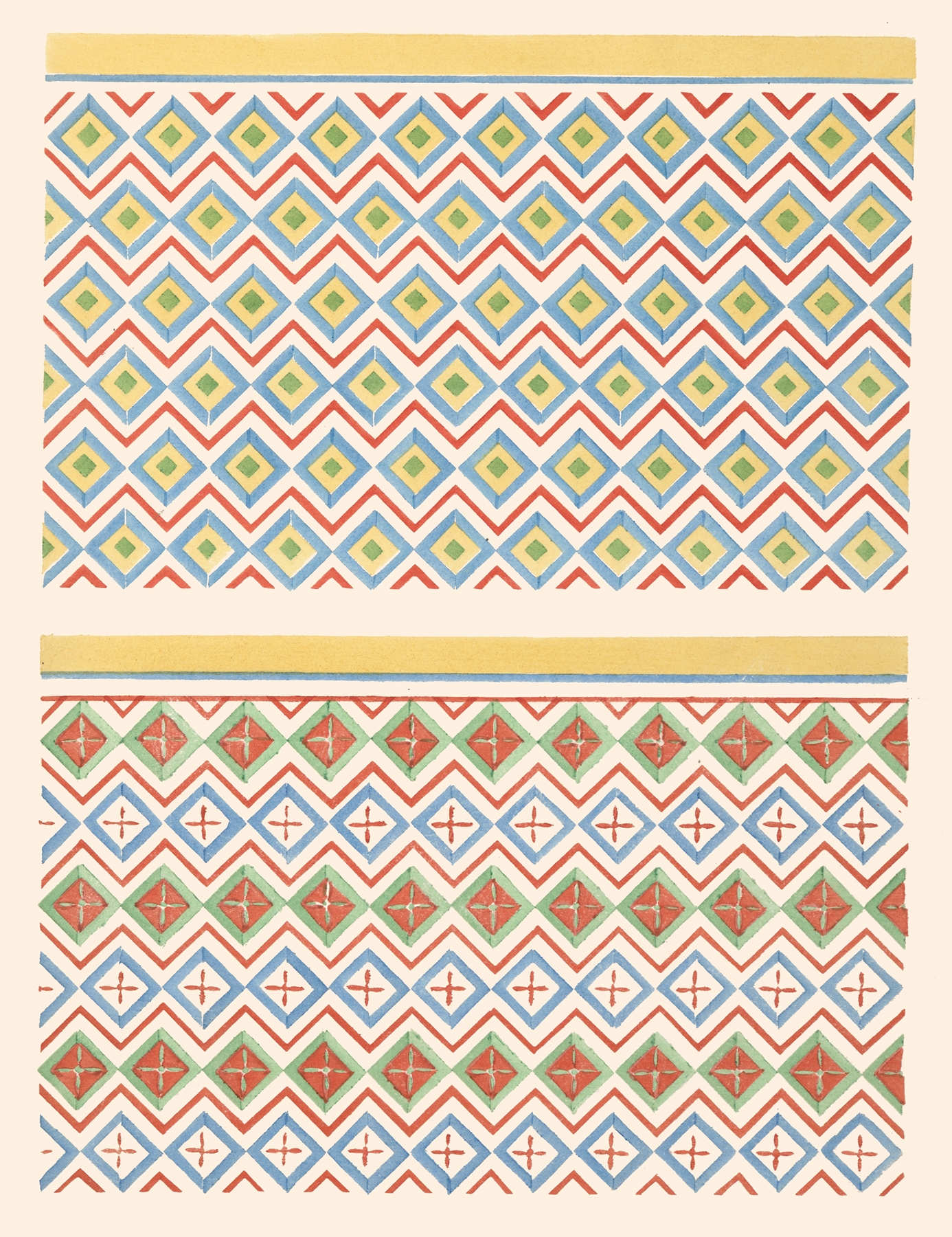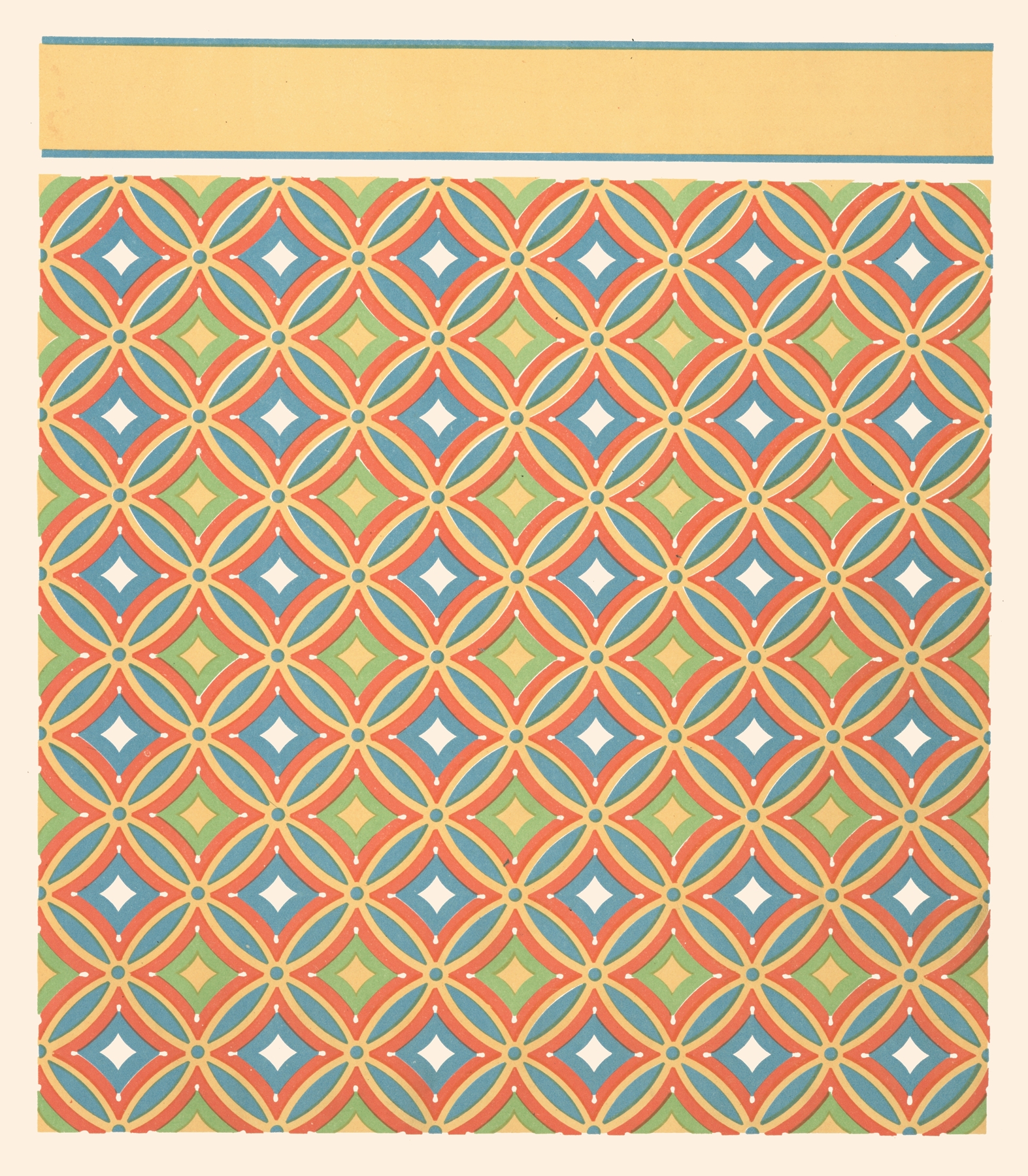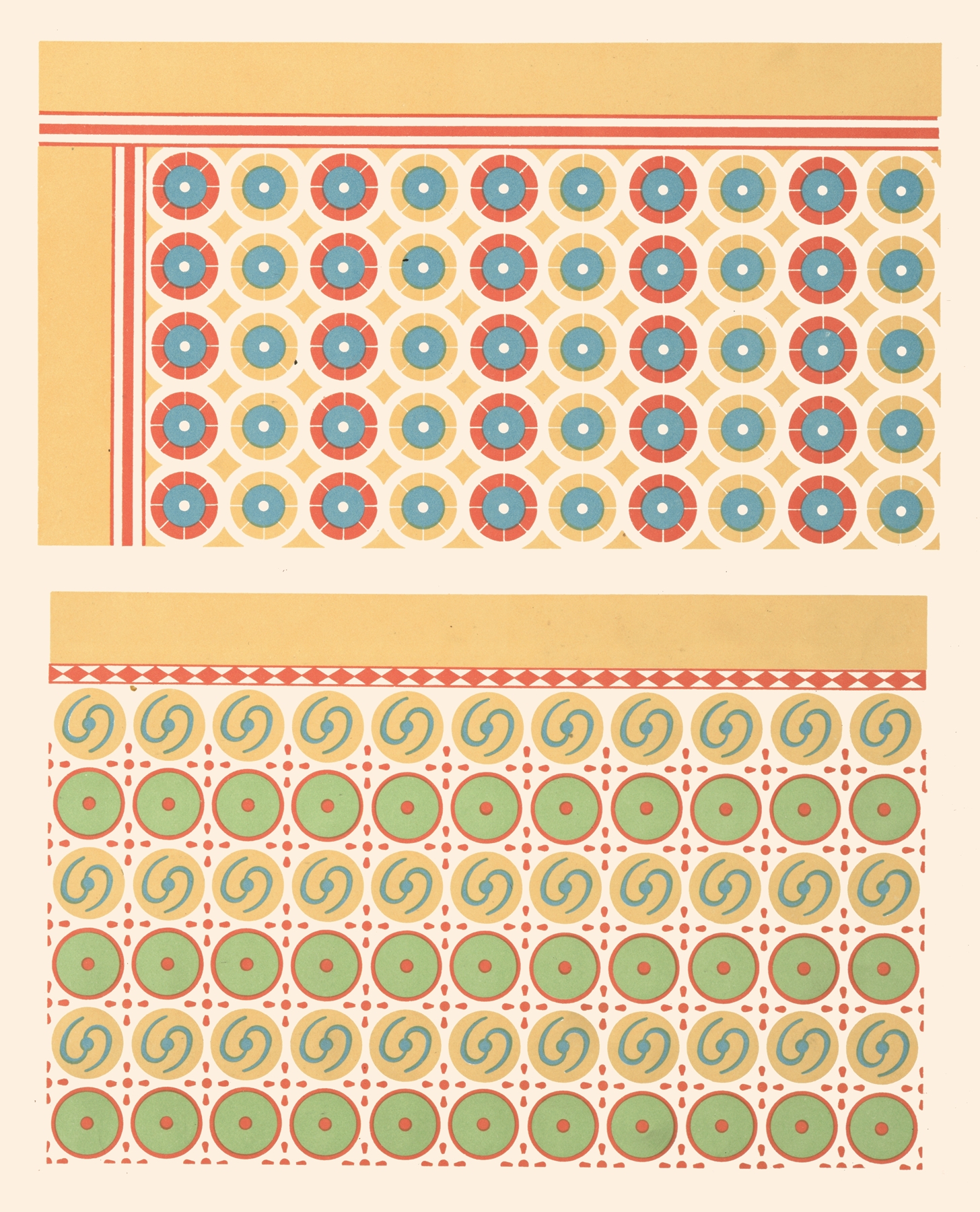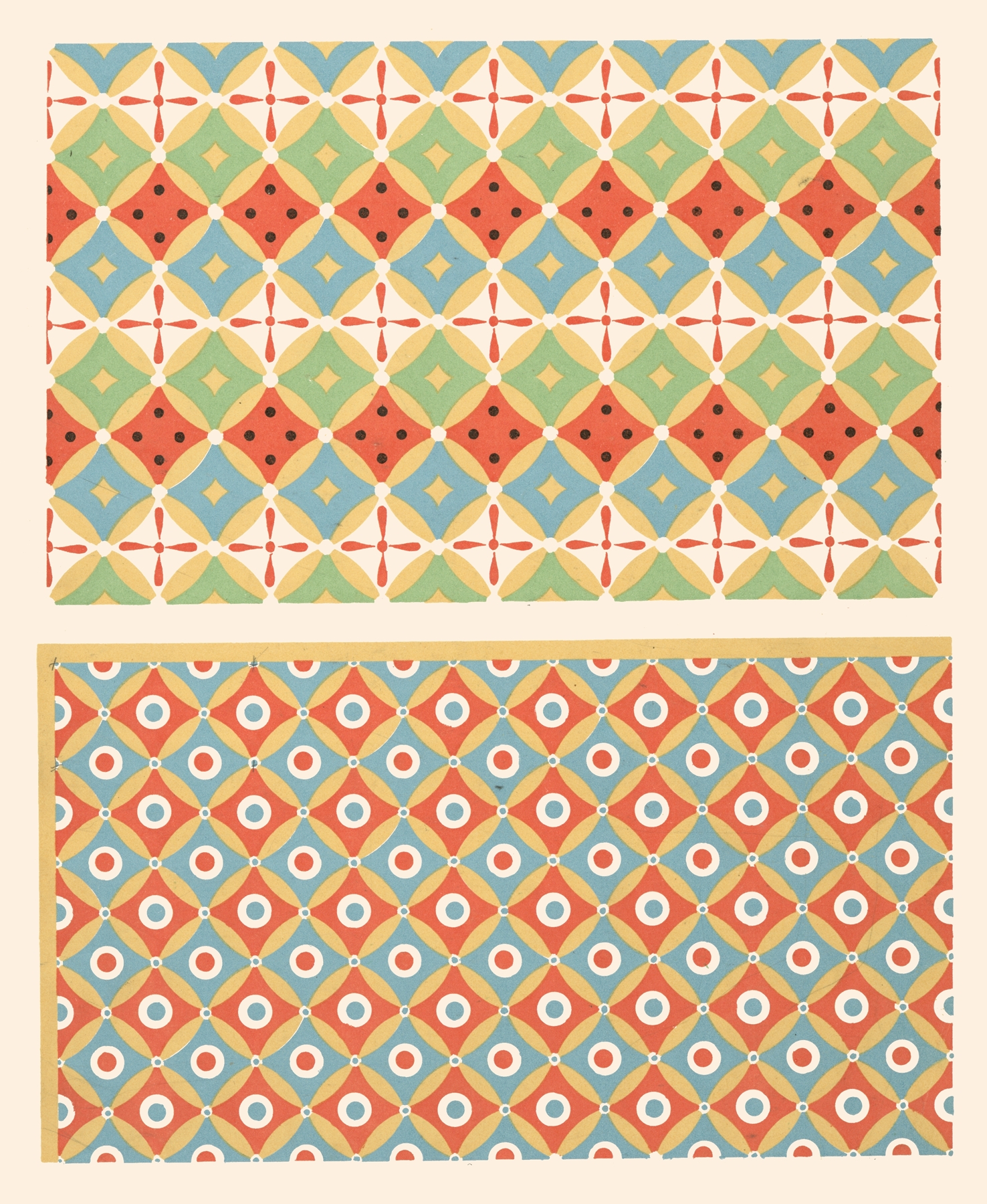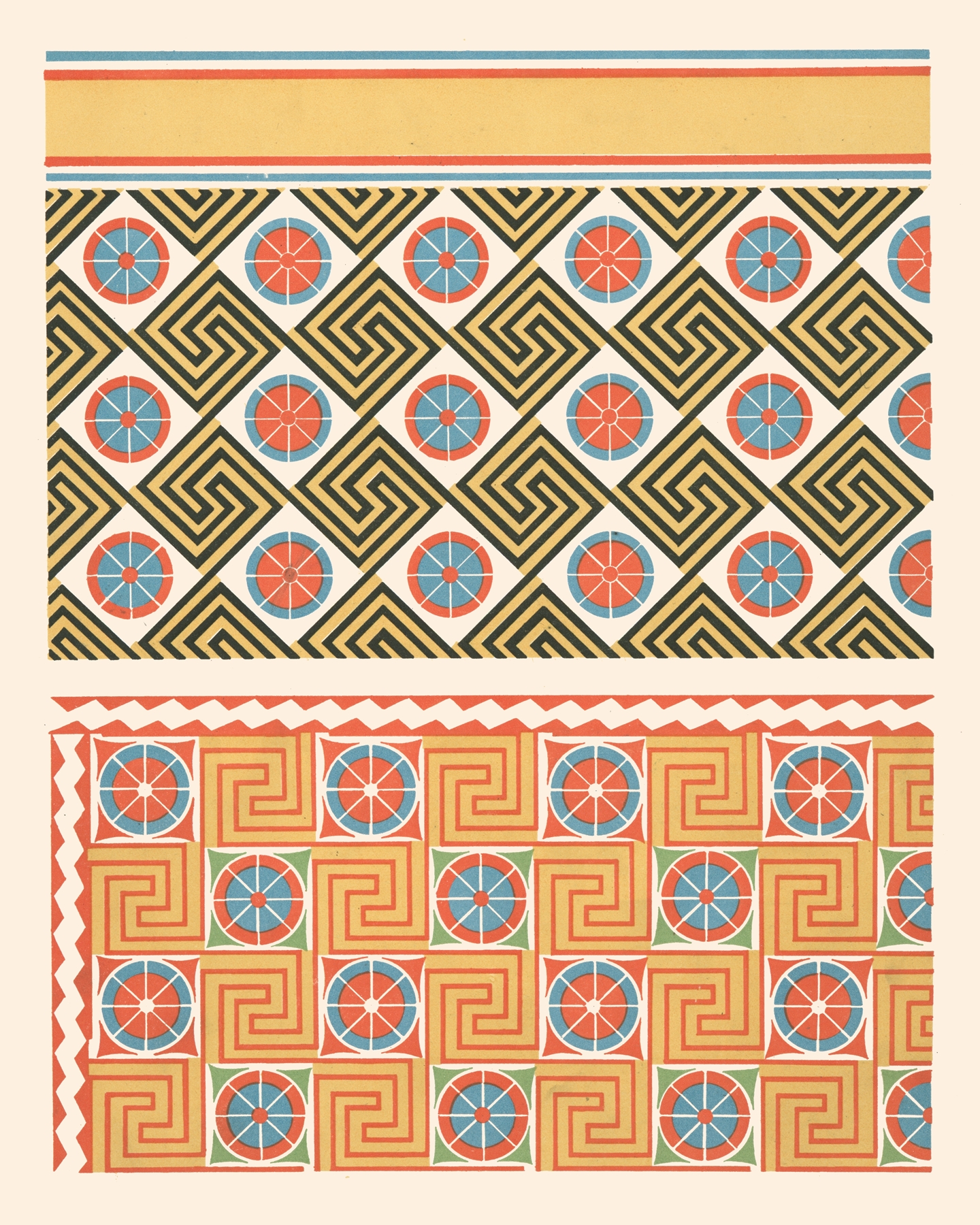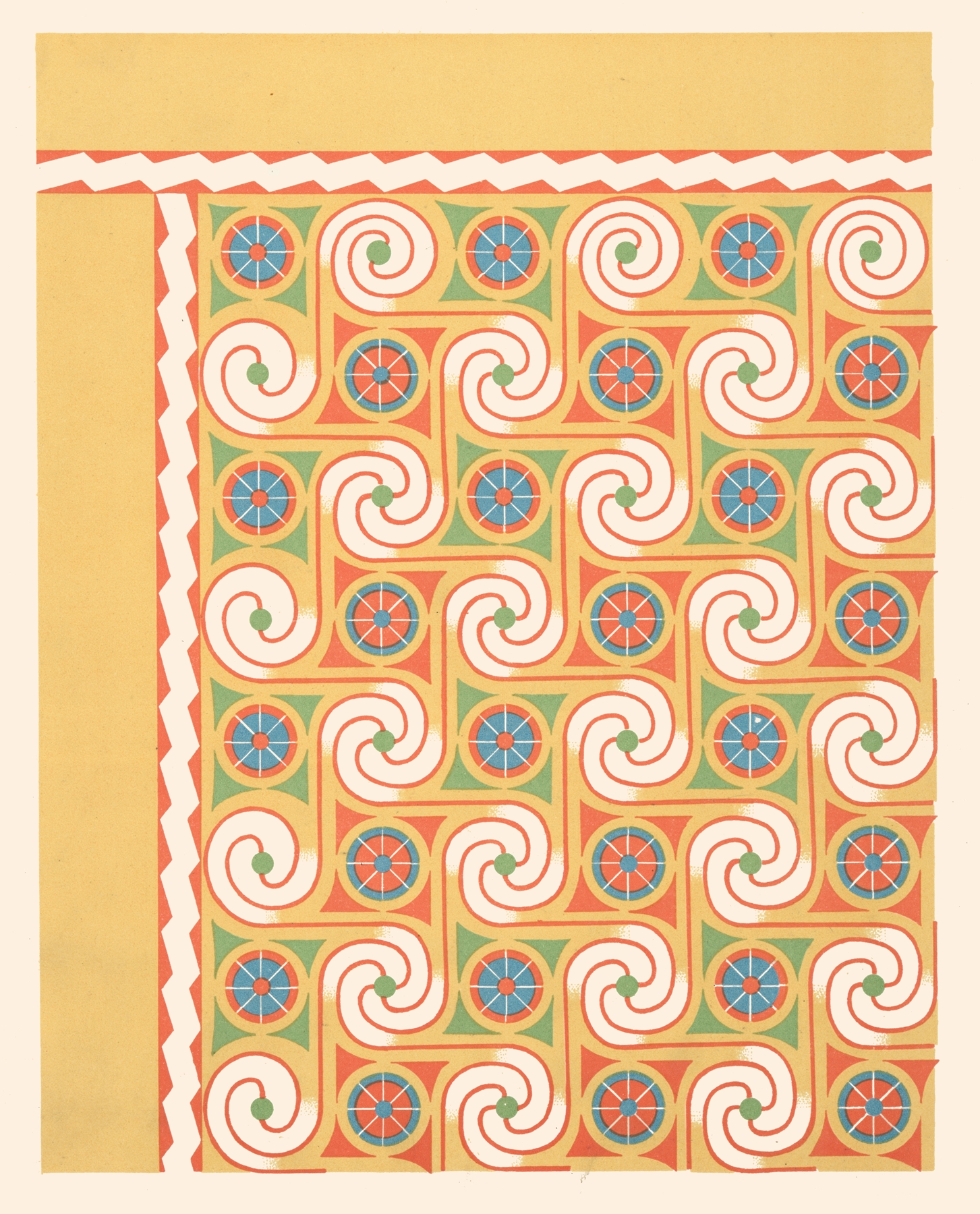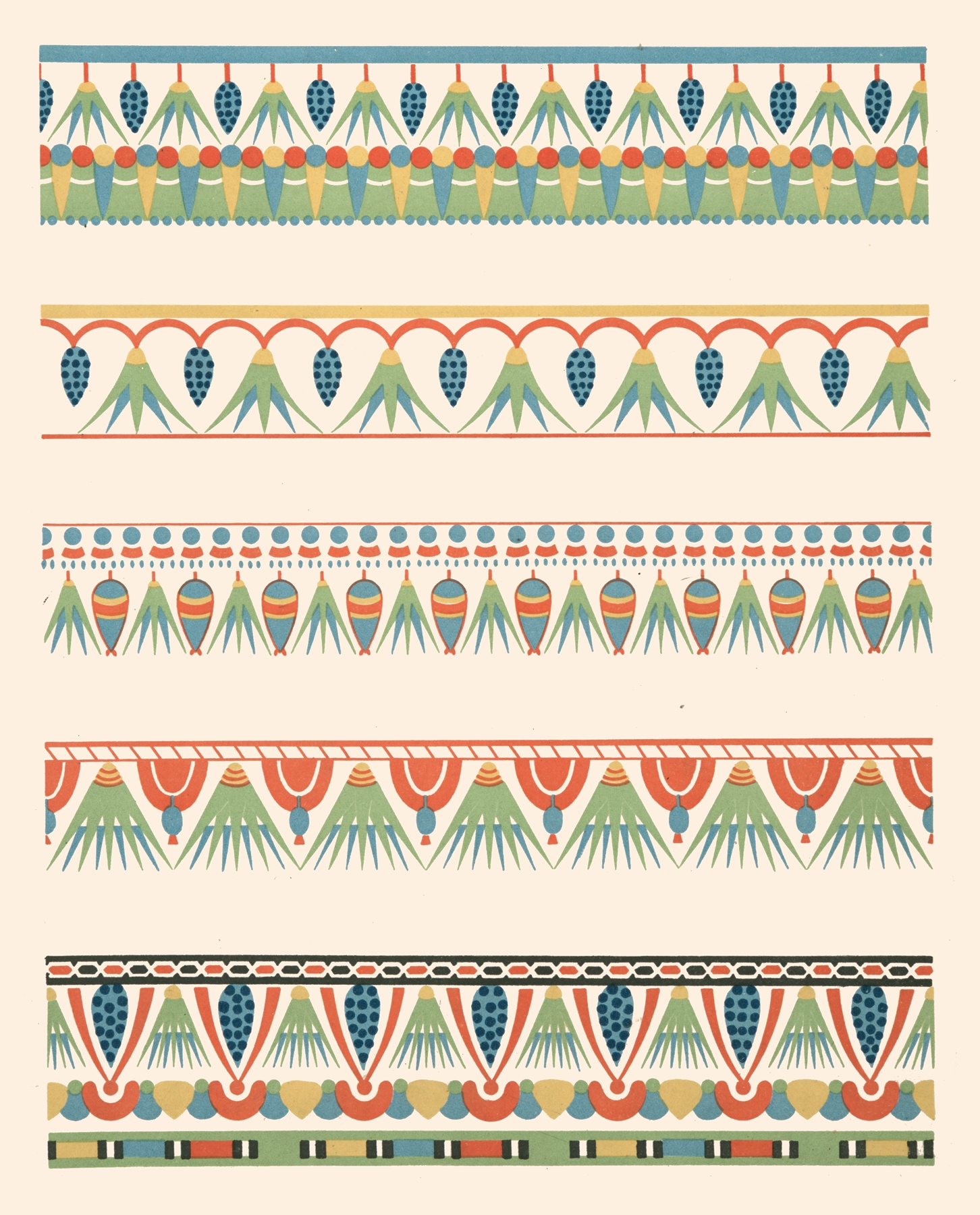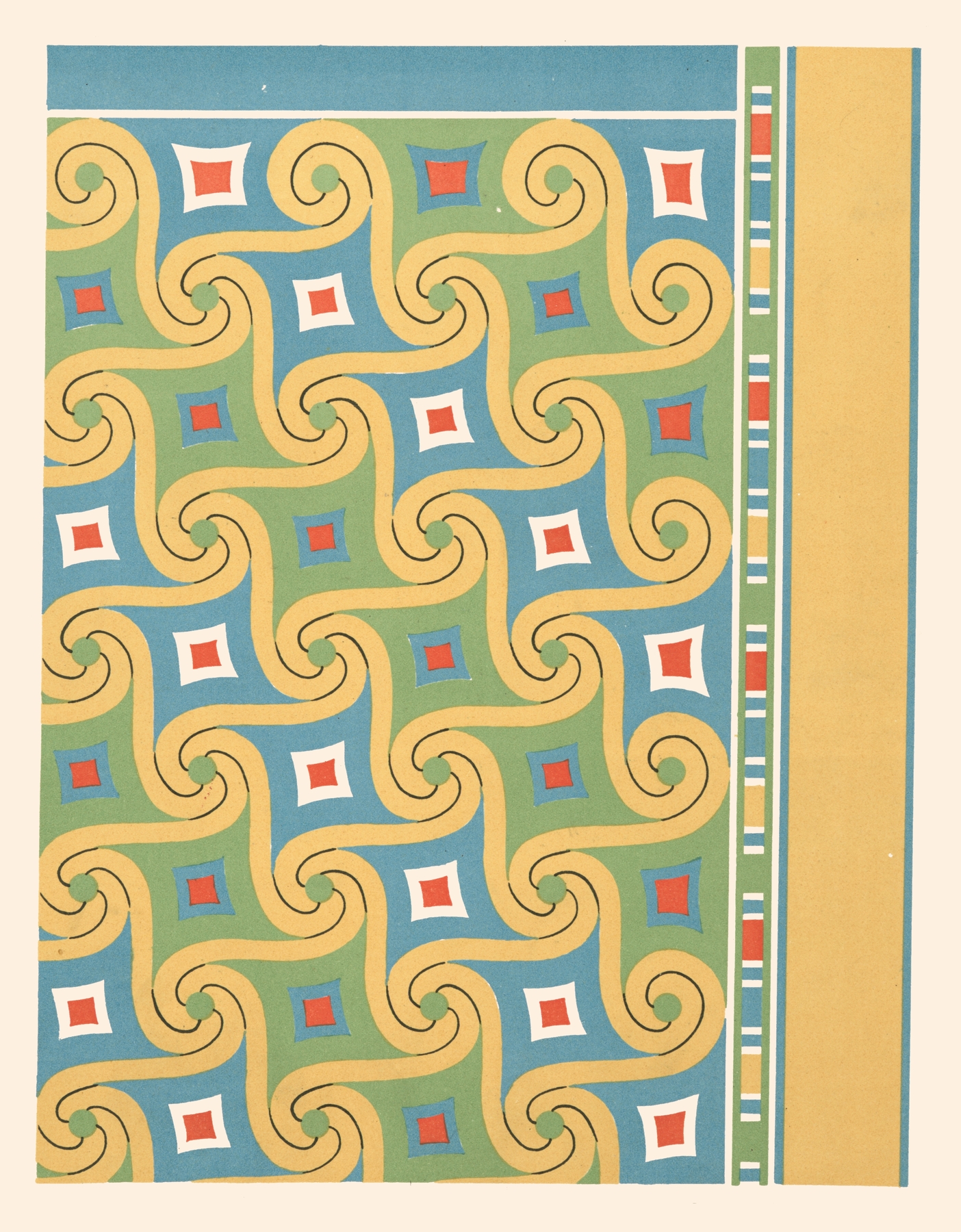
49. Plafond du Tombeau de Nesi-pa-Noferher (n° 68) — History & Analysis
Did the painter know this moment would outlive them? In a world where colors speak their own language, the hues chosen for this ceiling tell a story that transcends time. Look closely at the luminous blues and golds that cascade across the surface. The intricate details of hieroglyphs and divine figures draw your gaze upwards, inviting contemplation of eternity. Notice how the golden accents shimmer, catching the light, as though the very gods themselves are illuminating the scene.
The composition is meticulously arranged, creating an almost celestial order that balances the weight of the narrative with the lightness of the palette. Beneath the vibrant surface lies a profound message of immortality and reverence. The juxtaposition of serene deities with intricate symbols of life and death speaks to the delicate balance between the ephemeral and the eternal. Each color serves not only to beautify but to communicate the sacredness of the space, suggesting that art has the power to transcend mortality. The overall harmony invokes a sense of peaceful contemplation, challenging viewers to ponder their own legacy.
In 1911, Gustave Jéquier was immersed in the study of ancient Egyptian art and architecture. Living in Egypt, he sought to revive the aesthetics of a civilization renowned for its monumental artistry. During this period, the art world was experiencing a fascination with ancient cultures, which fueled Jéquier's passion for capturing the essence of the past within a contemporary frame. This work highlights his dedication to the fusion of history and artistry, ensuring that the grandeur of ancient Egypt would resonate with future generations.