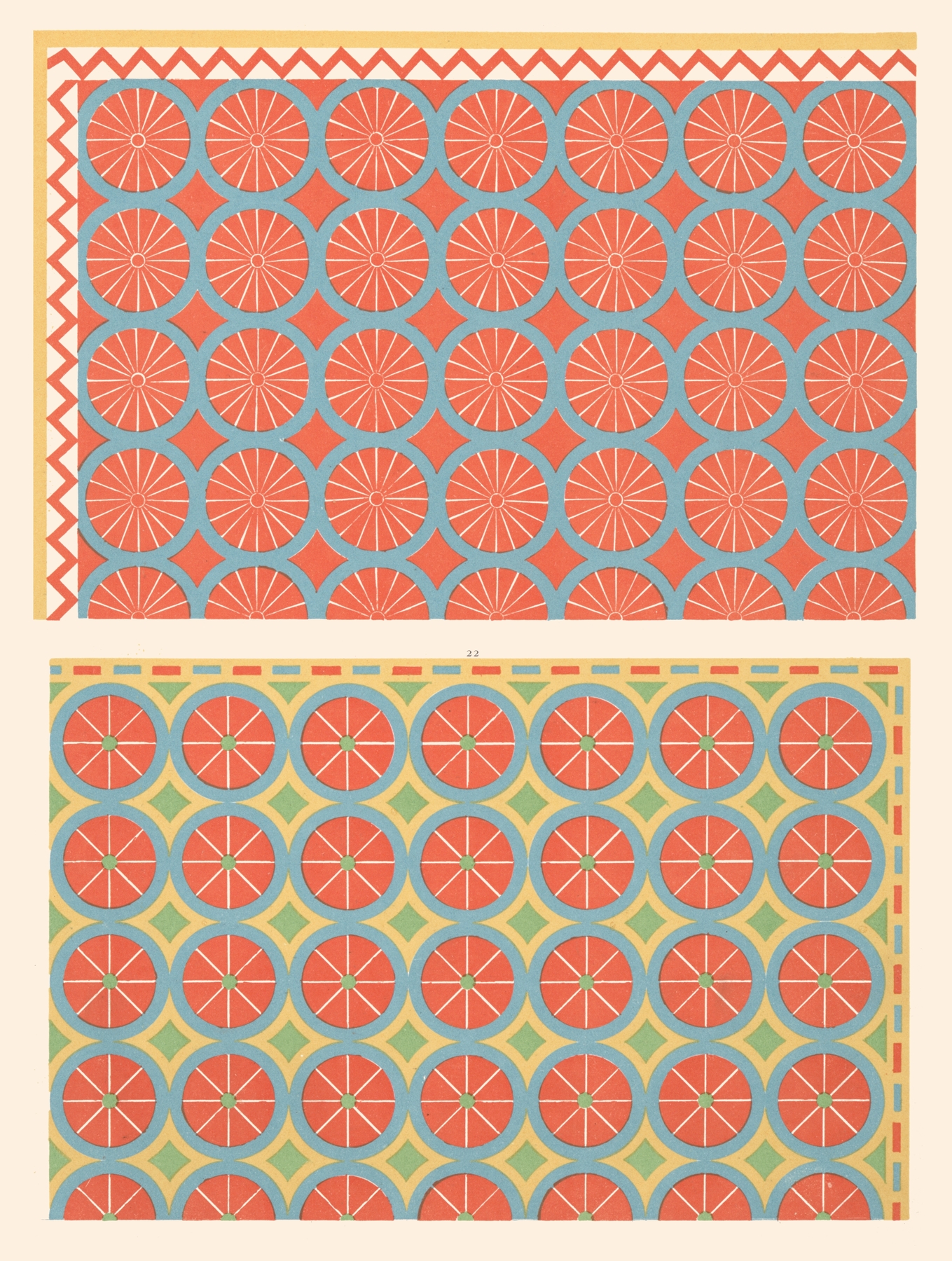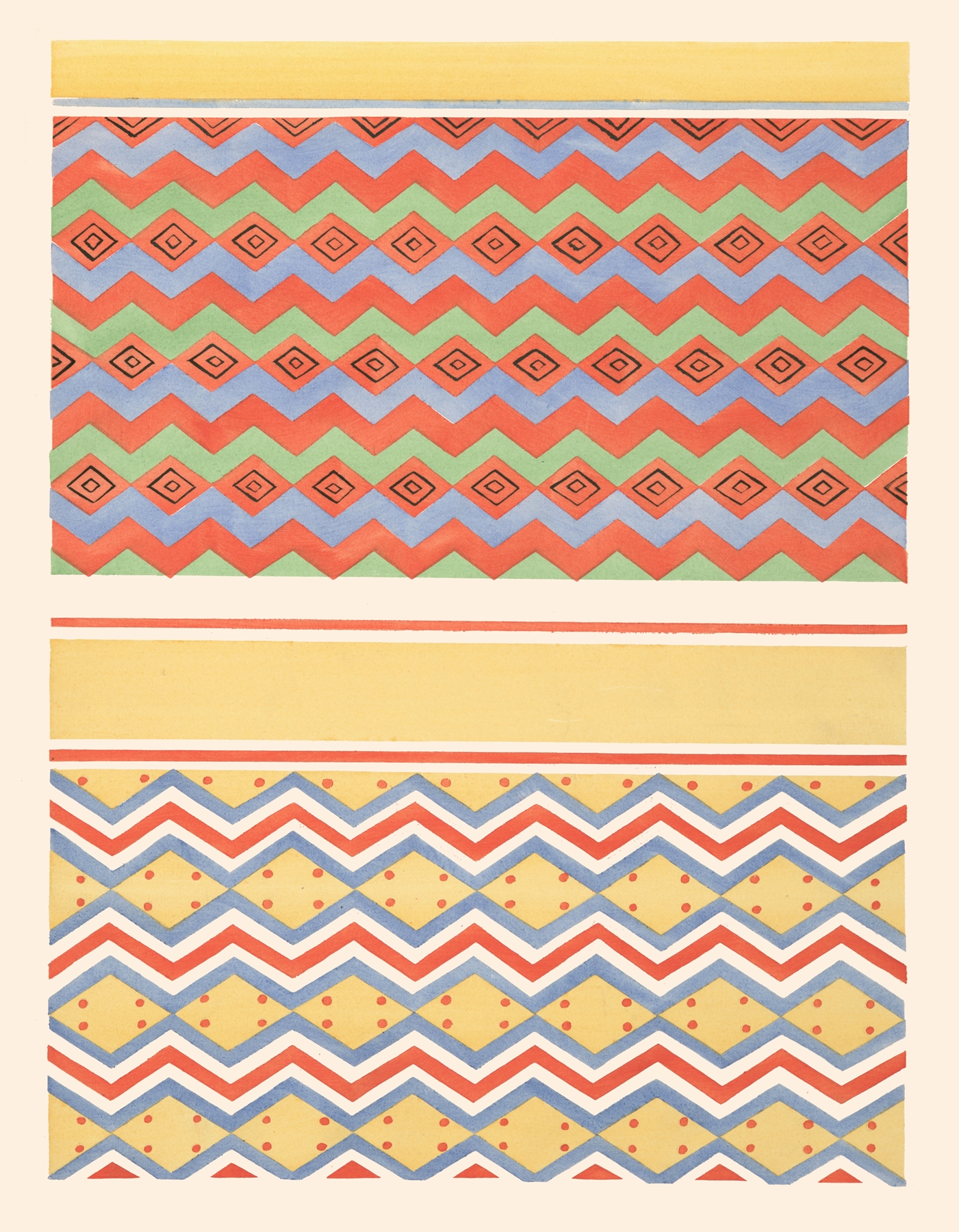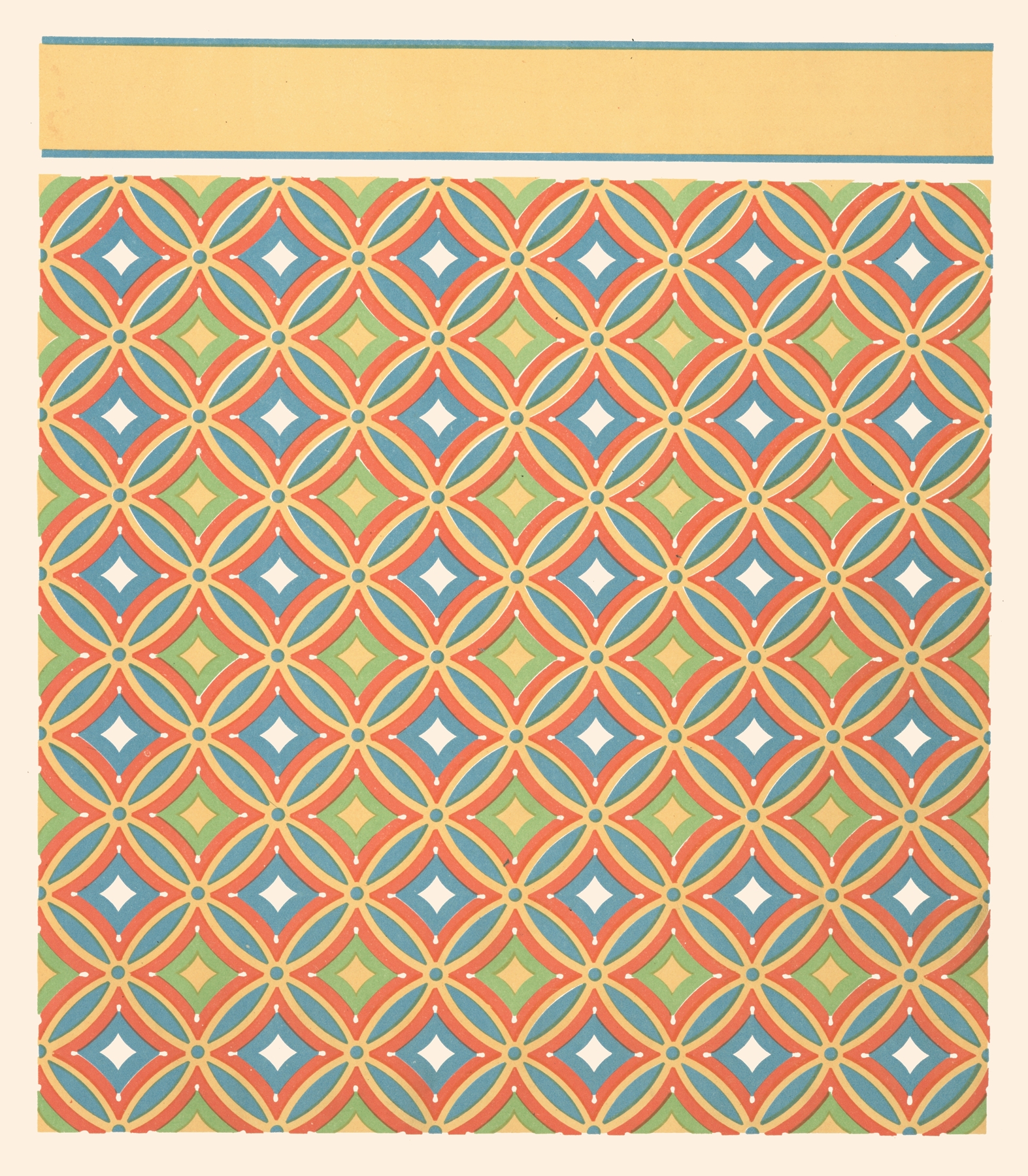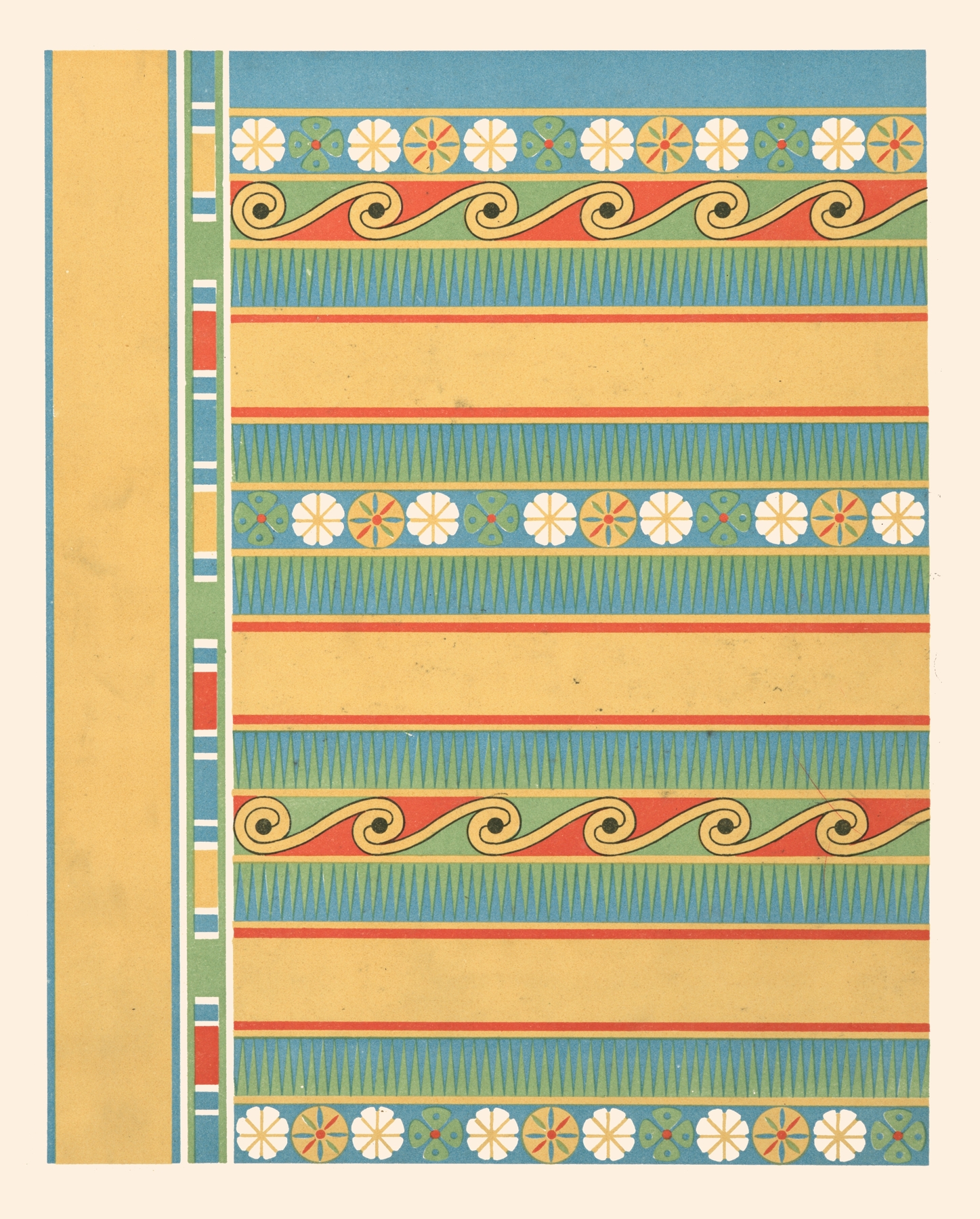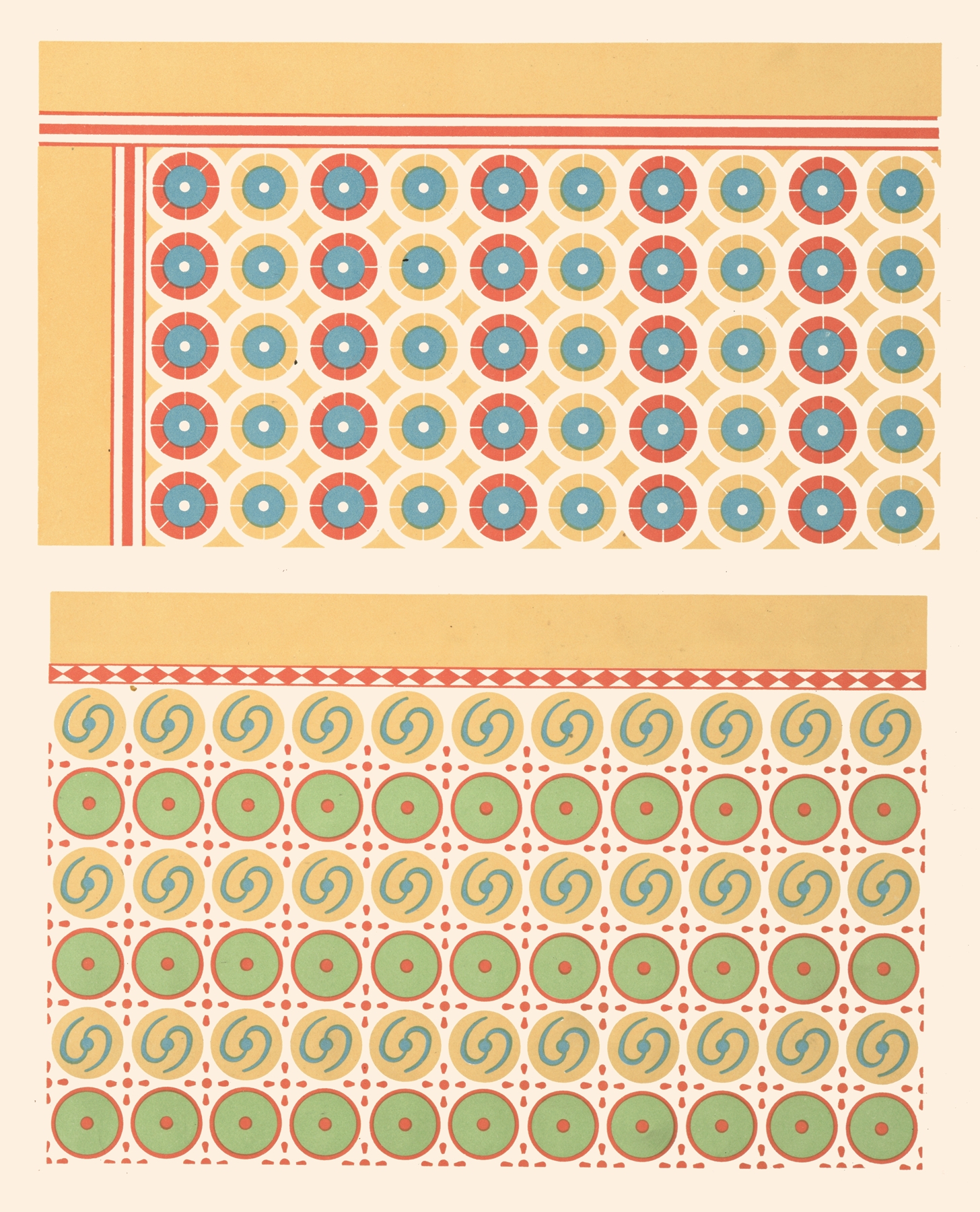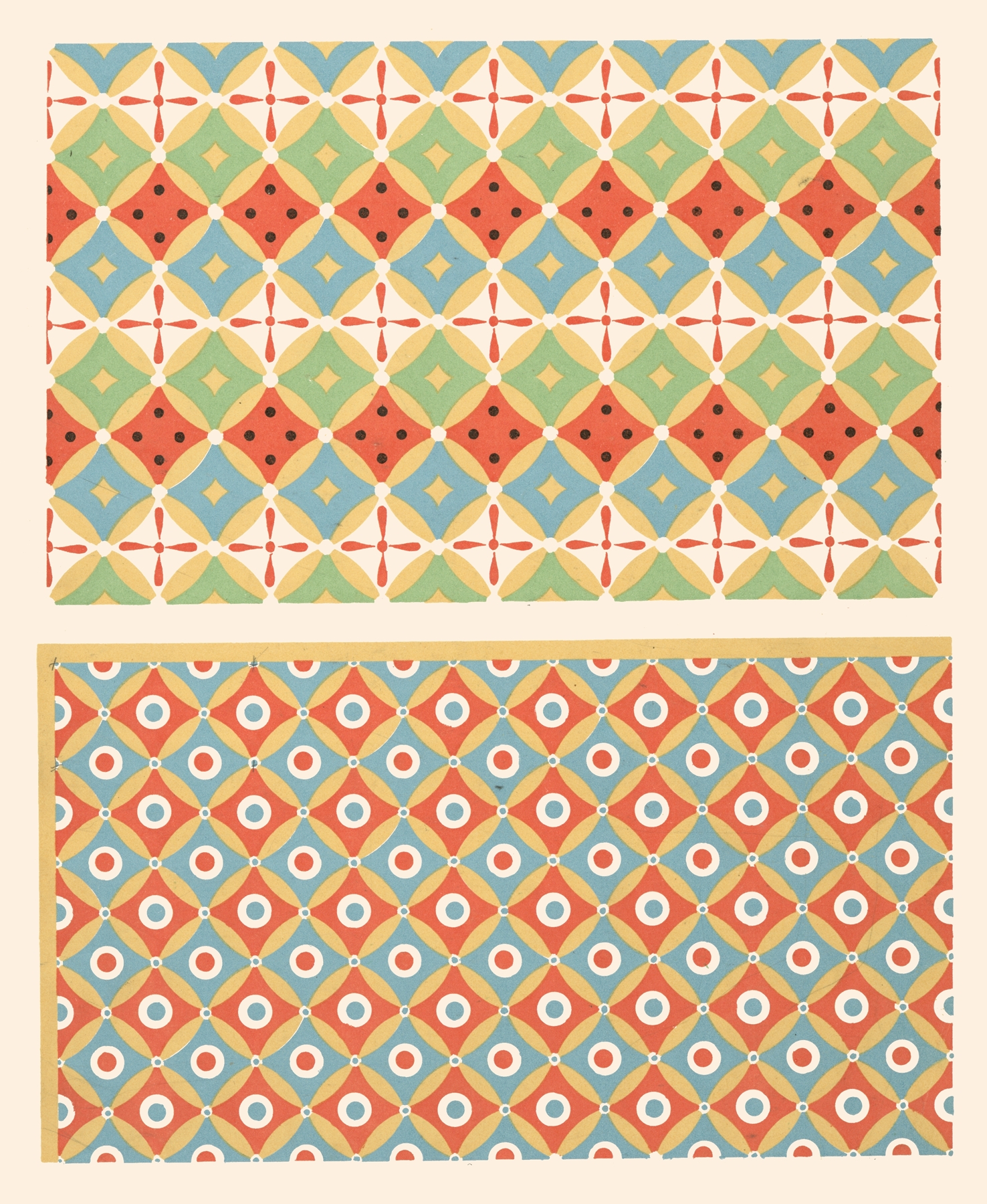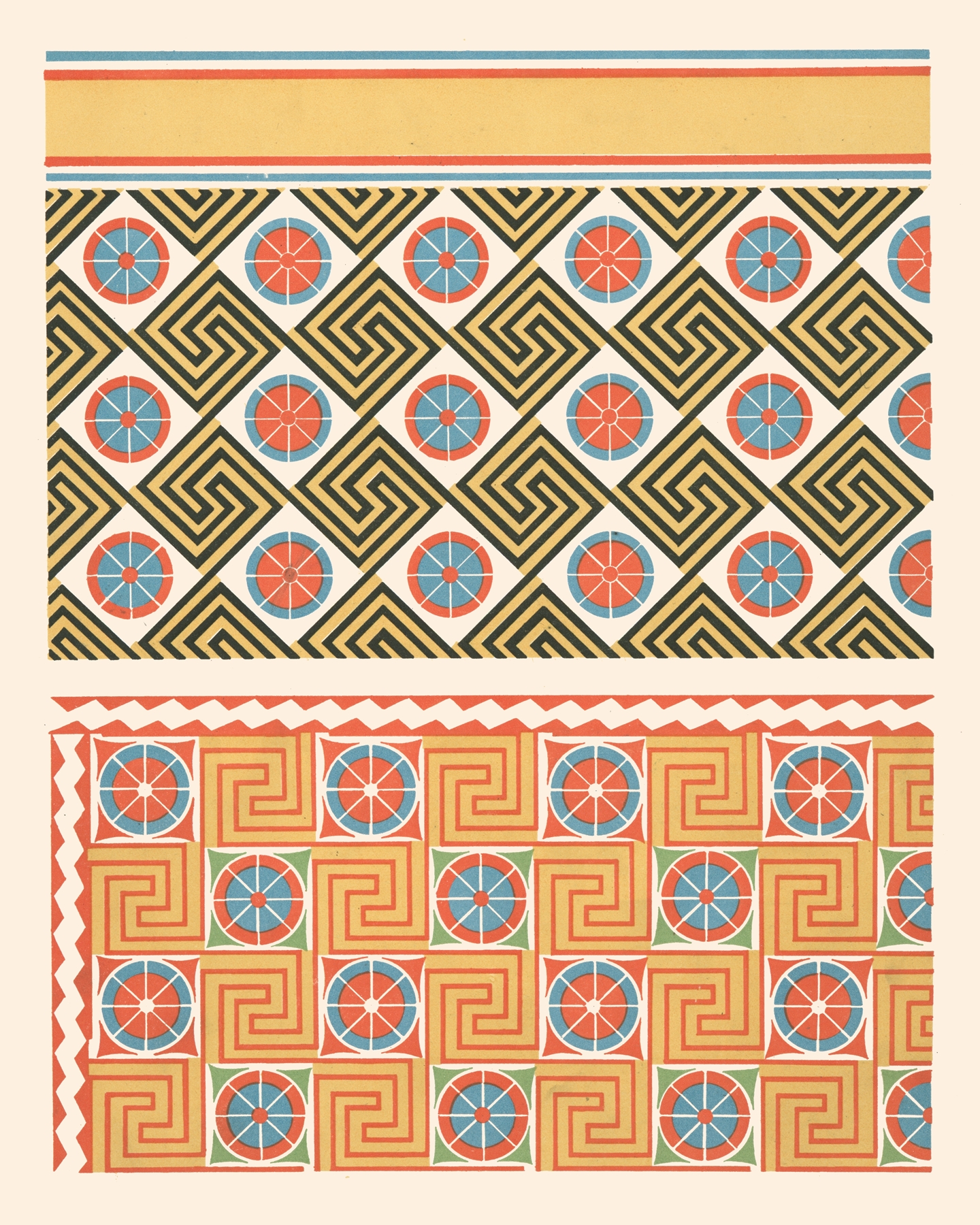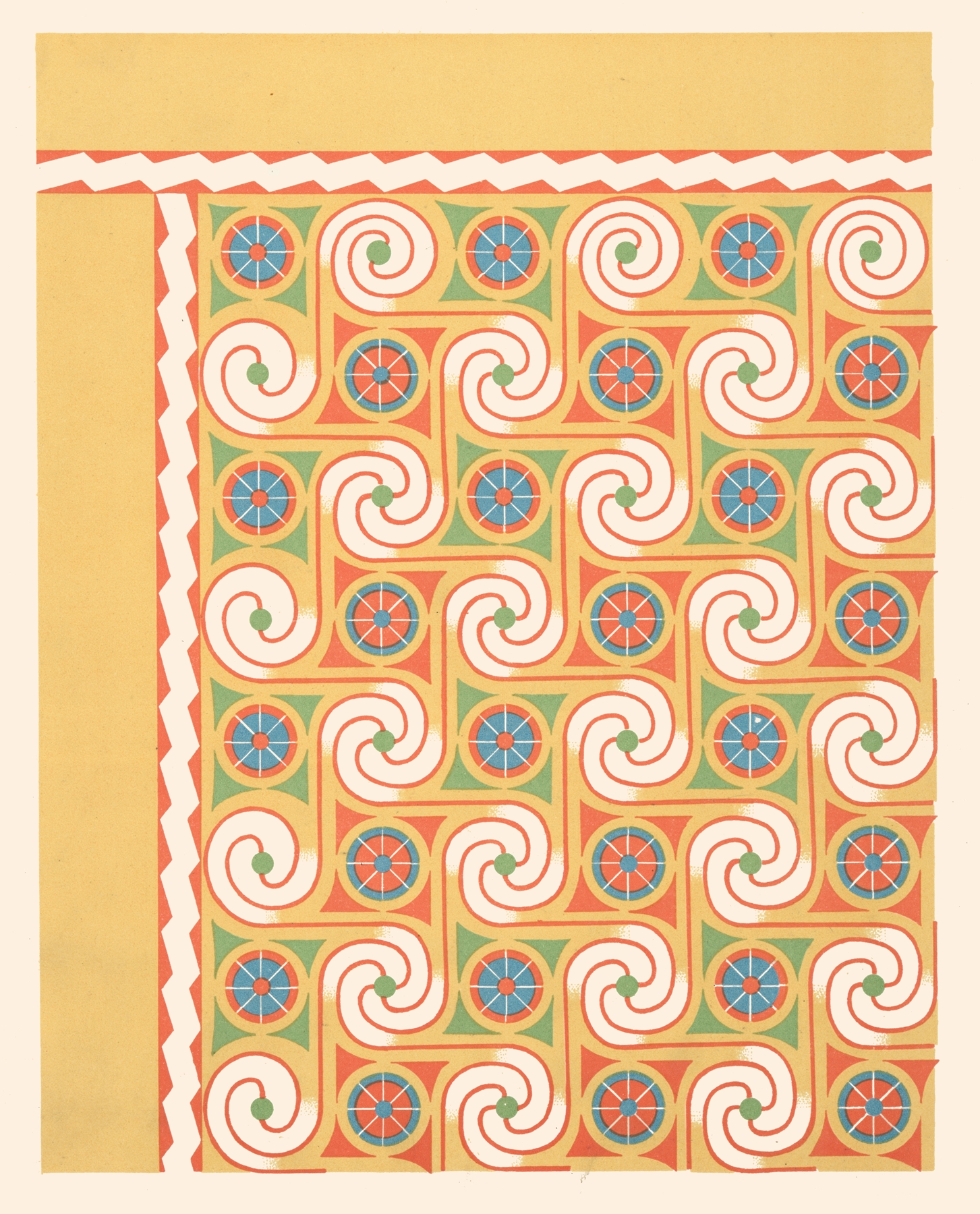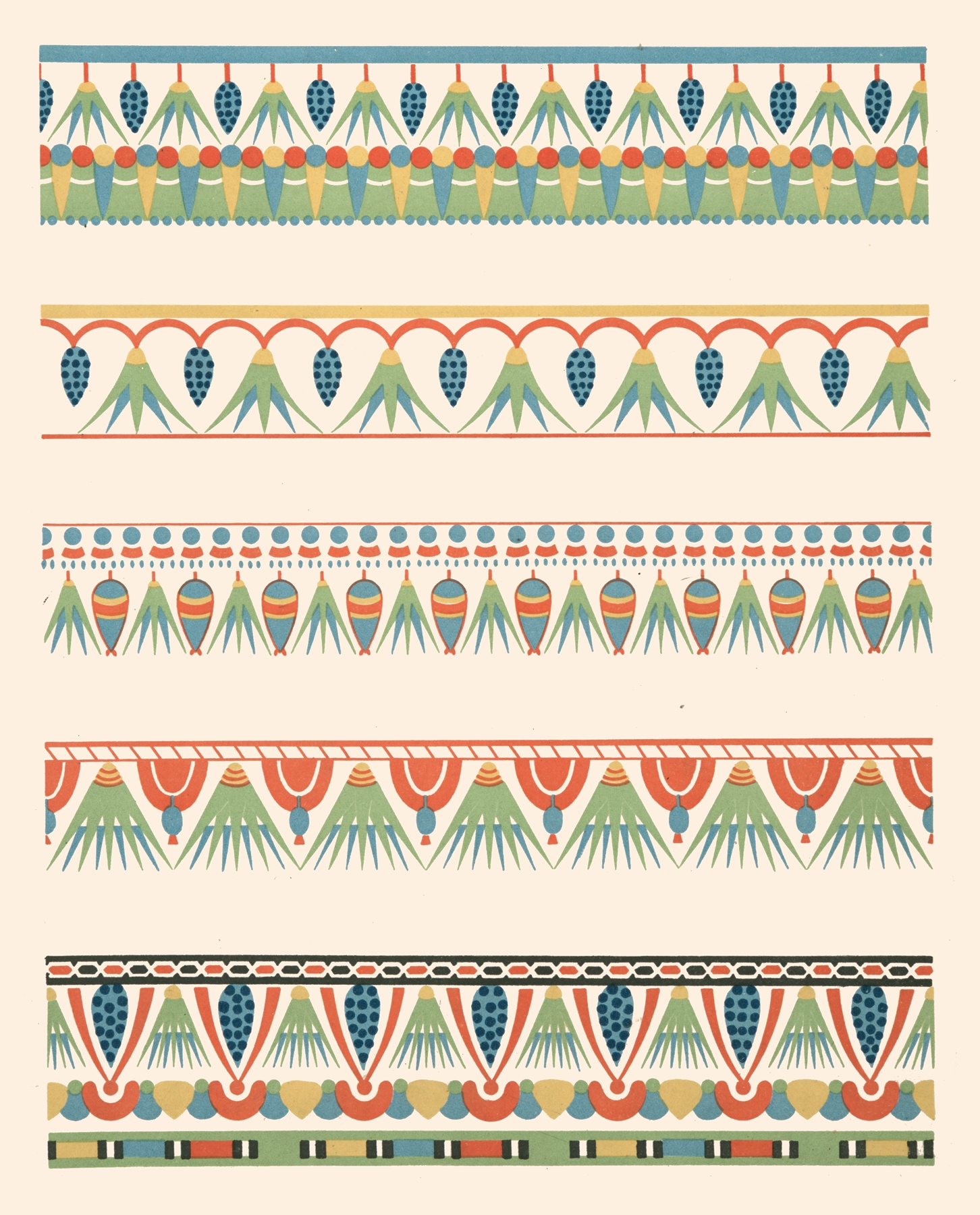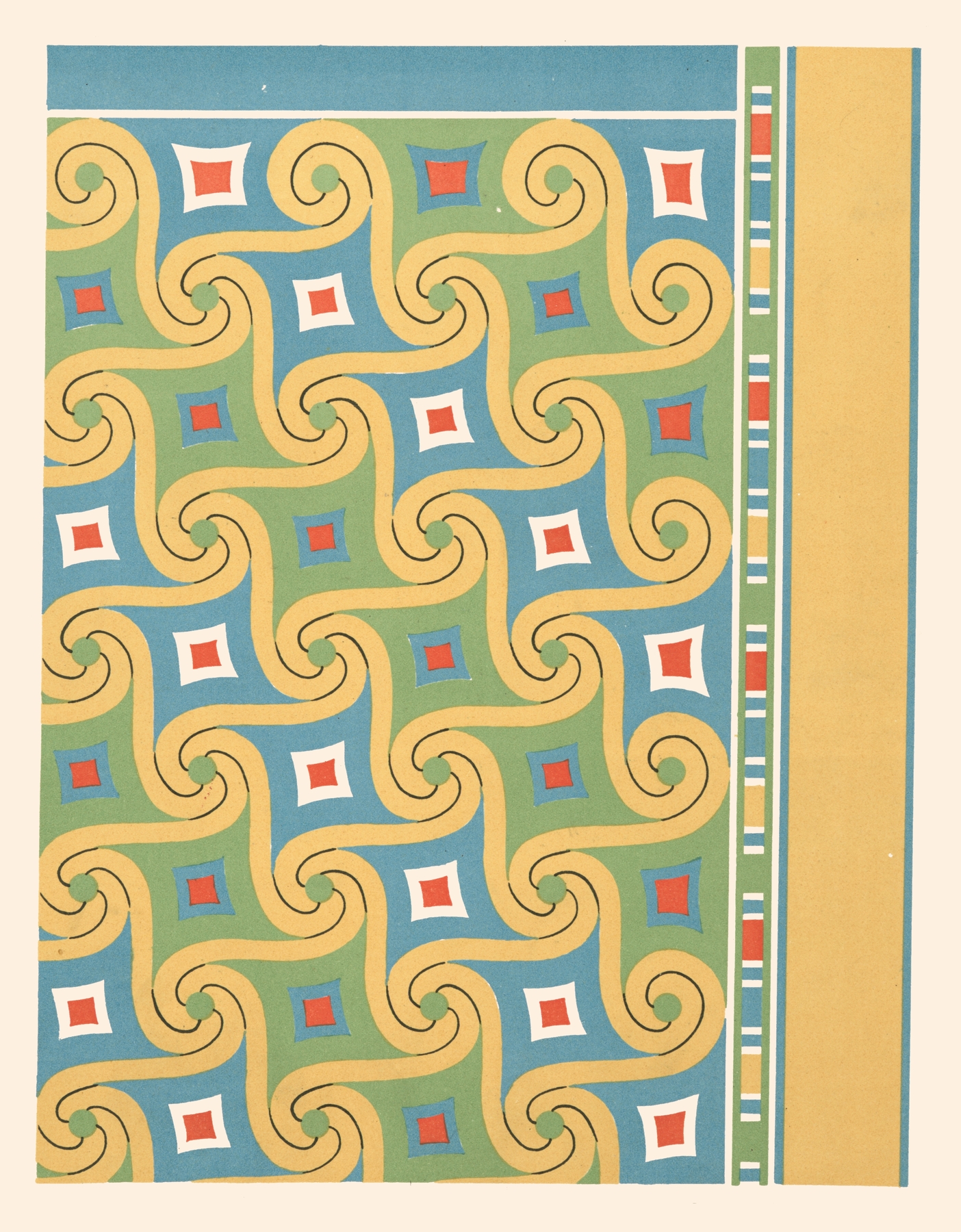
9. Plafond du Tombeau de Hapousenb (n° 67), 10. Plafond du Tombeau D’amounzeh (n° 84) — History & Analysis
“Every silence here is a confession.” In the quietude of these painted ceilings, whispers of the past breathe life into ancient tales, inviting us to unearth the layers of history and revolution hidden within. Look closely at the intricate patterns that unfold across the expanse of the ceilings. Notice how the rich blues and golds bleed into one another, creating a celestial tapestry that leads the eye from one ornate motif to another. Each detail, from the delicate lotus flowers to the stylized hieroglyphs, is meticulously crafted, reflecting a reverence for both the subject and the technique.
The composition draws the viewer’s gaze in a spiral, encapsulating the essence of Egyptian heritage while also playing with the boundaries of artistic innovation. Beneath the surface, these ceilings resonate with the weight of cultural revolution. The play of light against the vibrant colors evokes a sense of awakening—an assertion of identity in a world that struggled with colonial narratives. The hieroglyphs serve not merely as decoration but as reminders of stories long silenced, allowing a dialogue between past and present.
Each symbol carries a dual meaning, both honoring tradition and challenging the status quo, breathing urgency into an ancient legacy. In 1911, Gustave Jéquier was immersed in the exploration of Egyptian art, having recently returned from a significant trip to Egypt. This was a period marked by a growing interest in ancient civilizations and their contributions to the modern world. Jéquier’s work emerged during a time of artistic revolution, as artists sought to incorporate historical influences into contemporary practice, pushing the boundaries of traditional representation while paying homage to the rich cultures that inspired them.