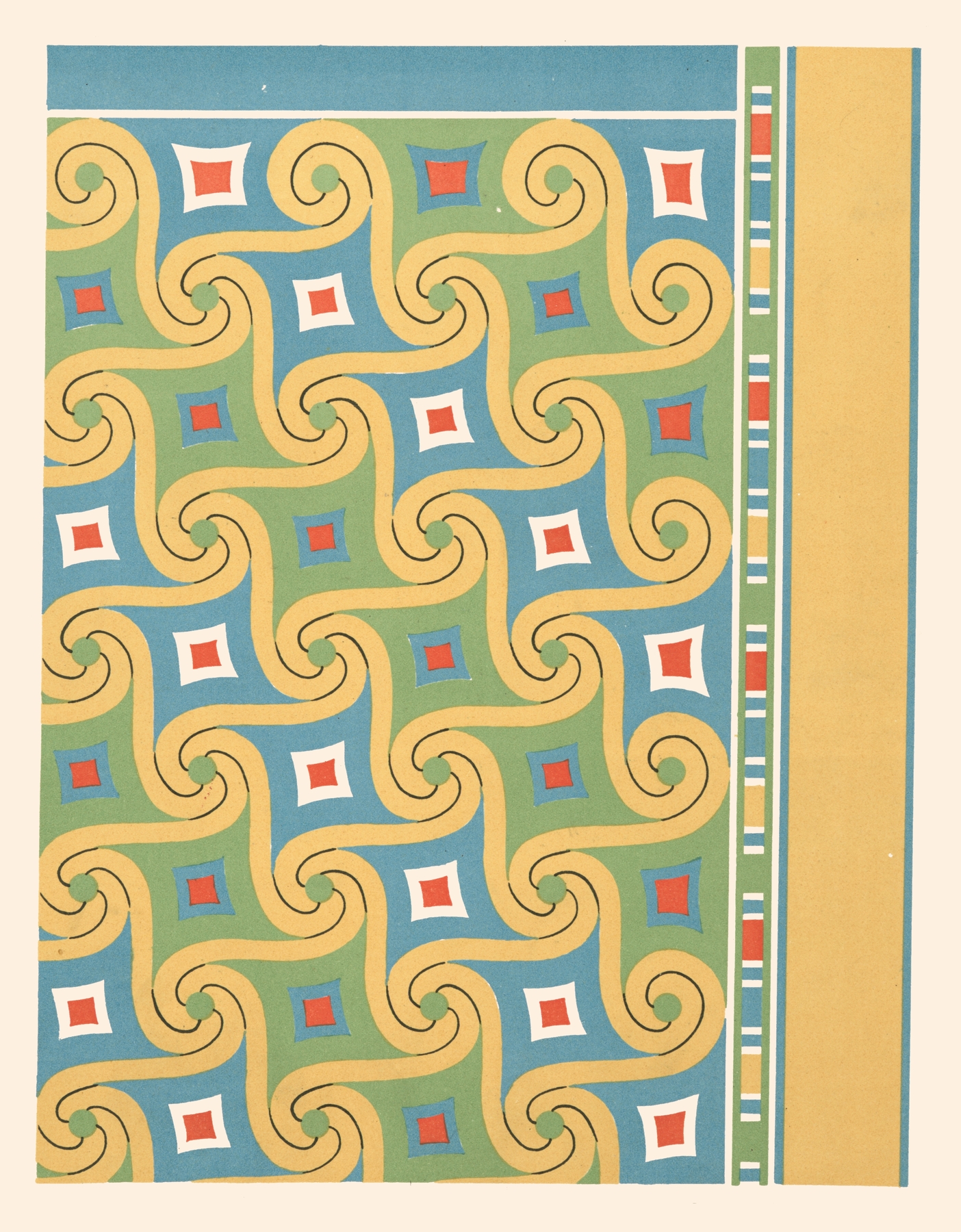
29. Plafond du Tombeau D’amenemhat (n° 82) — History & Analysis
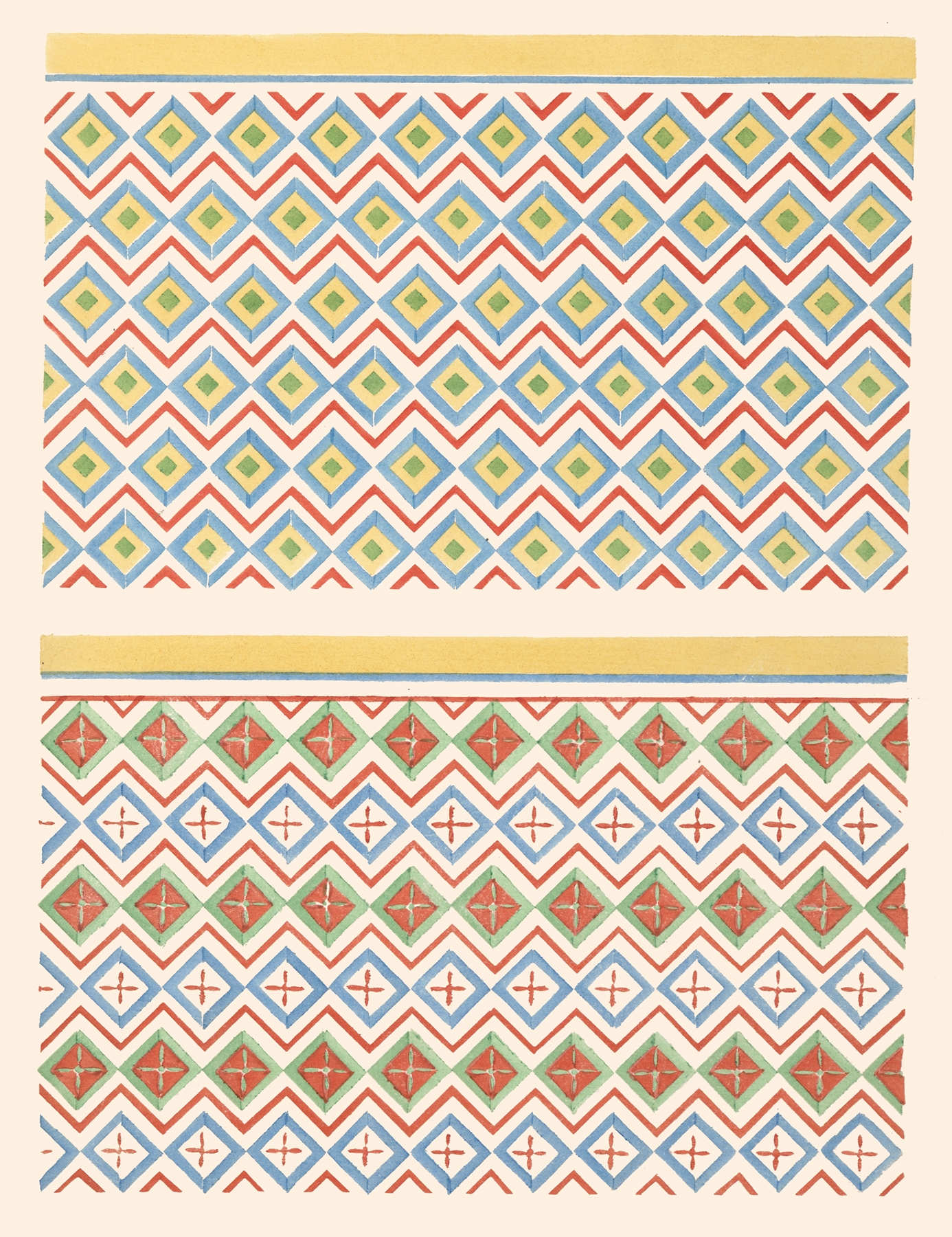
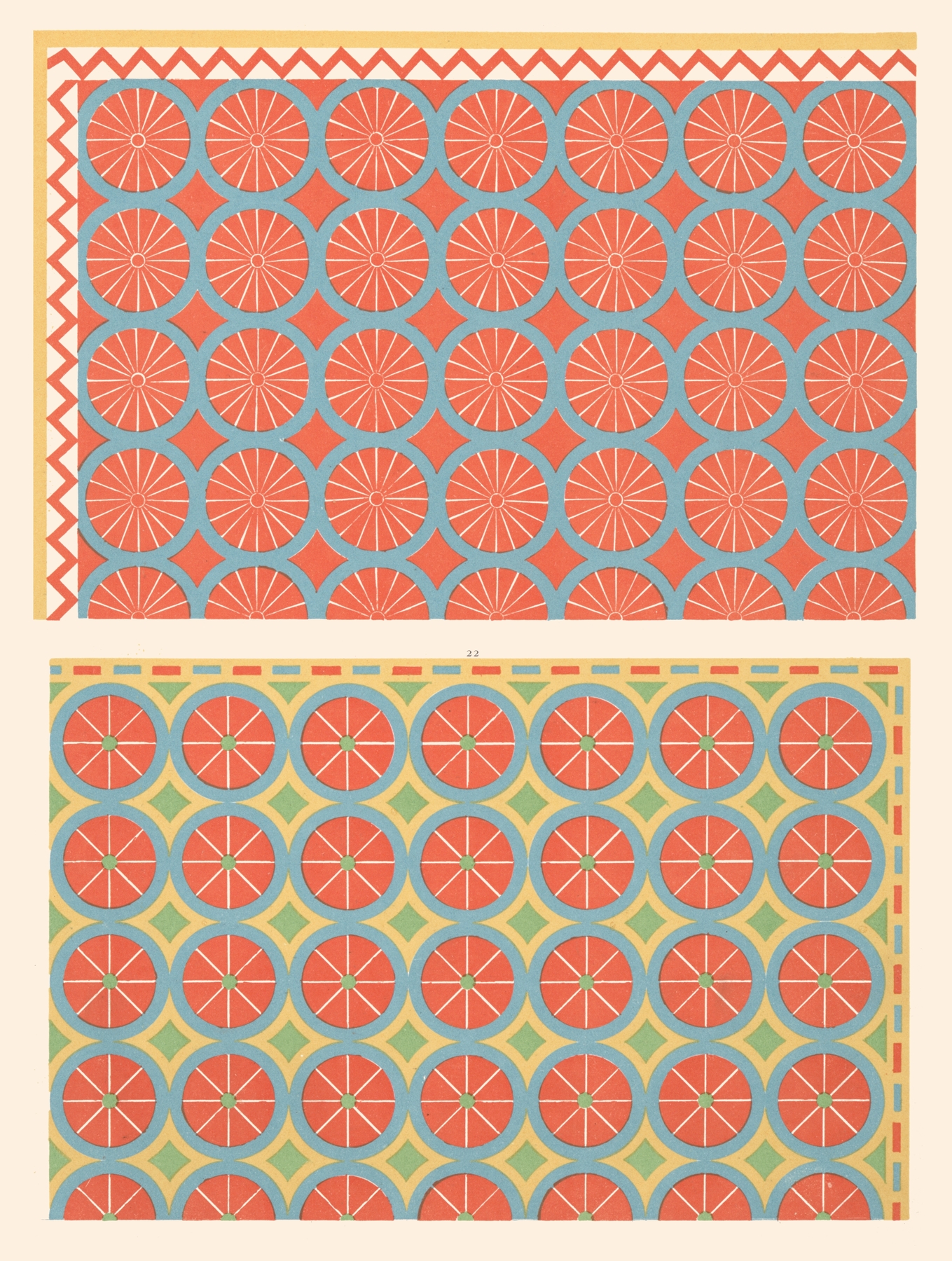
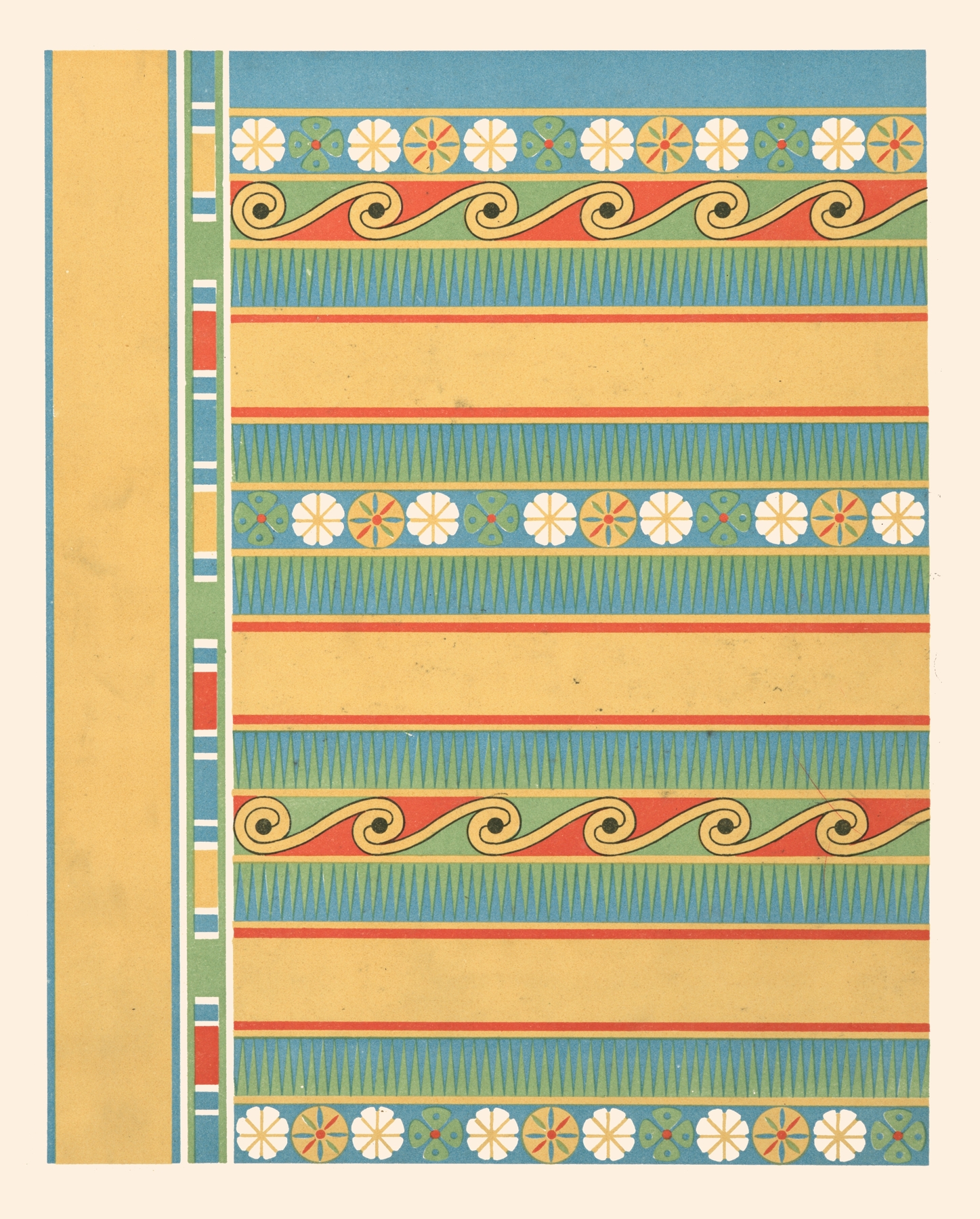
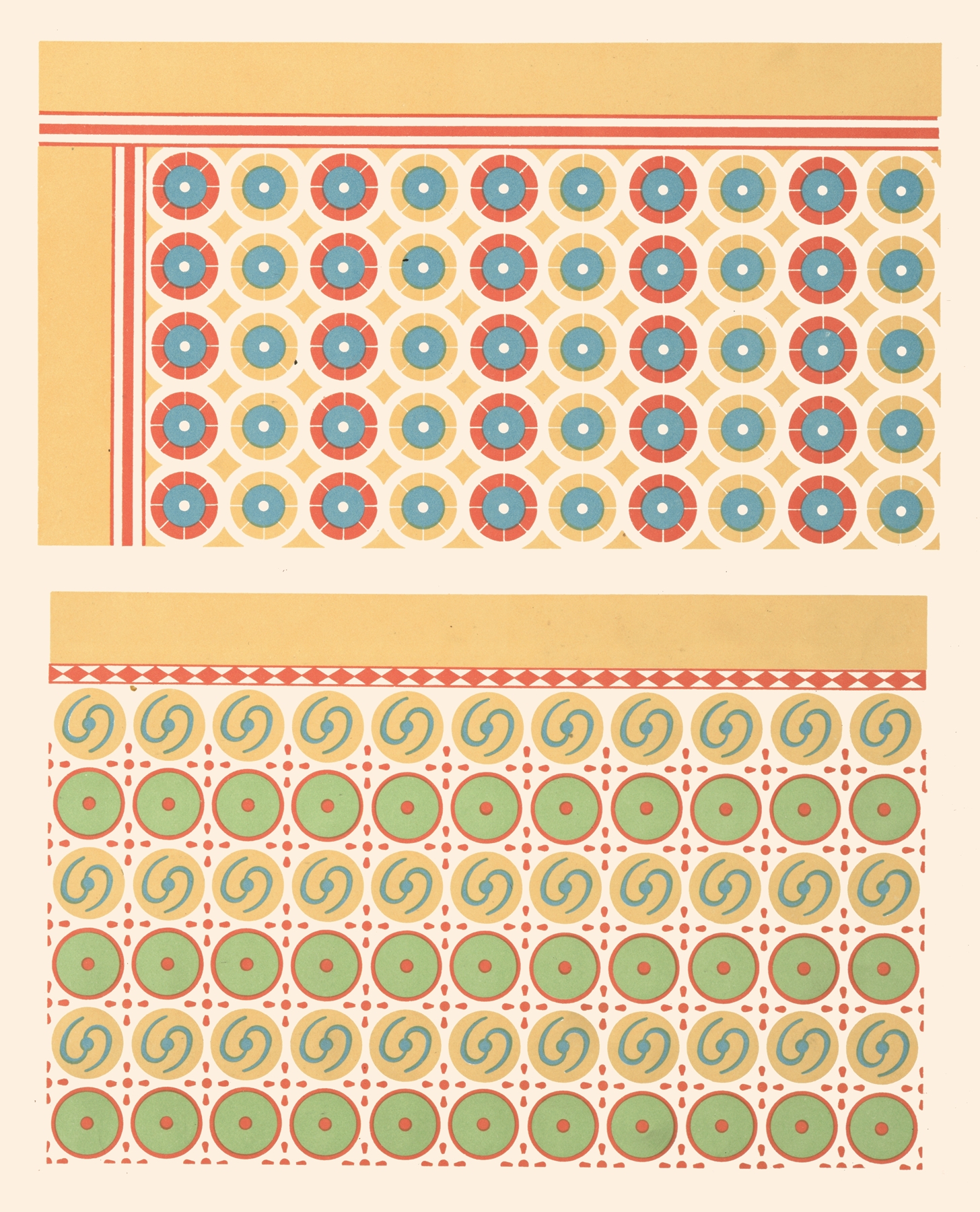
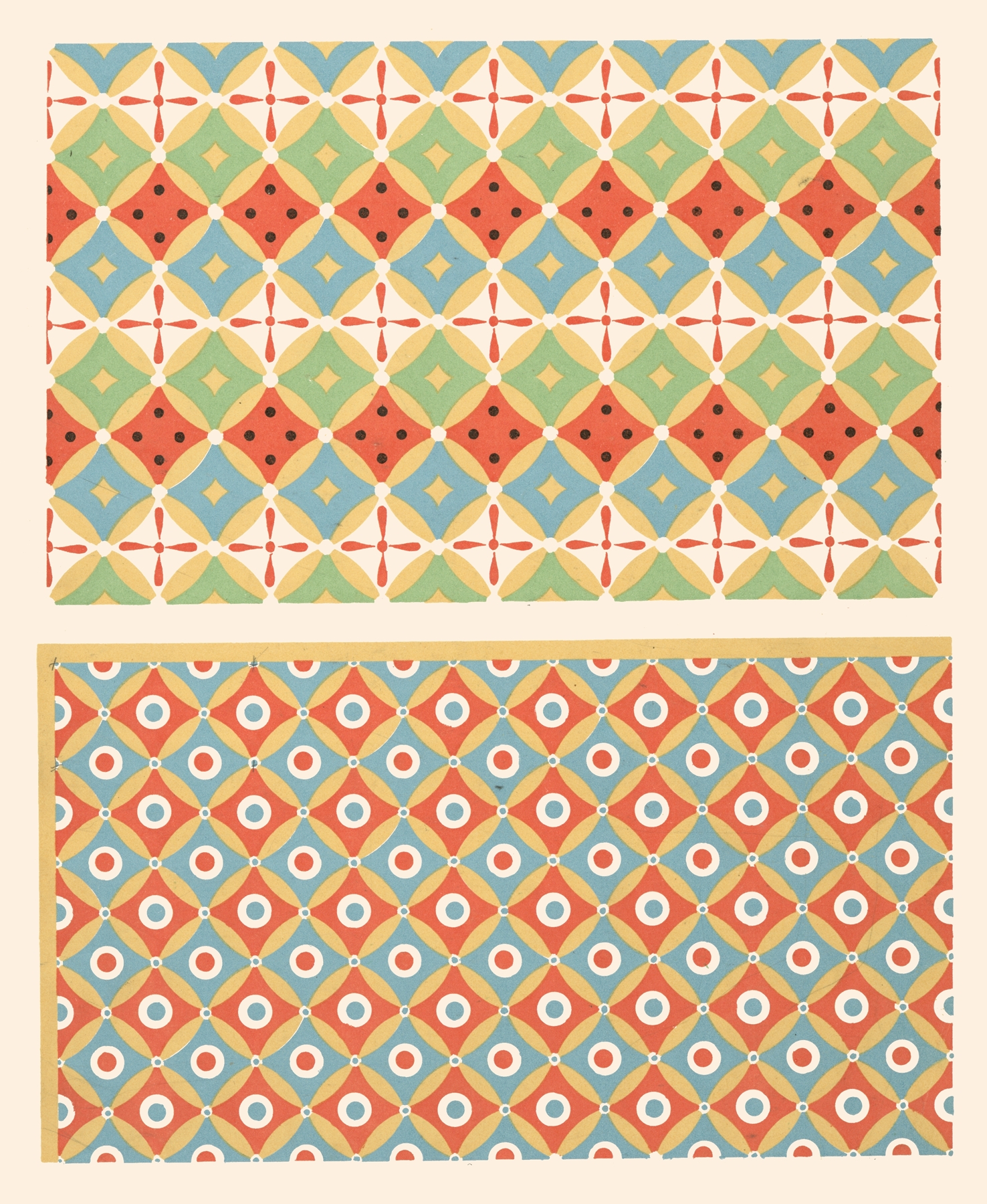
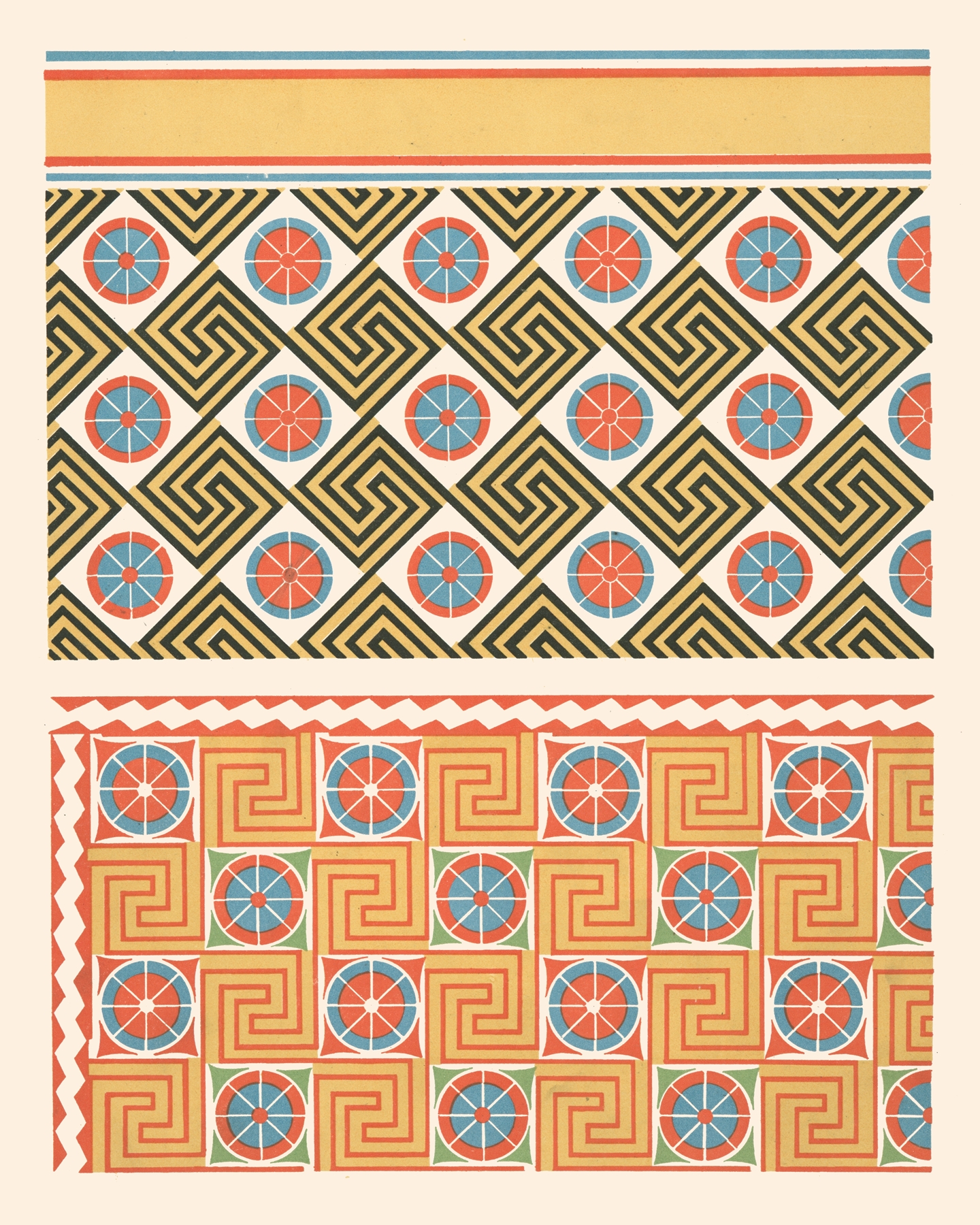
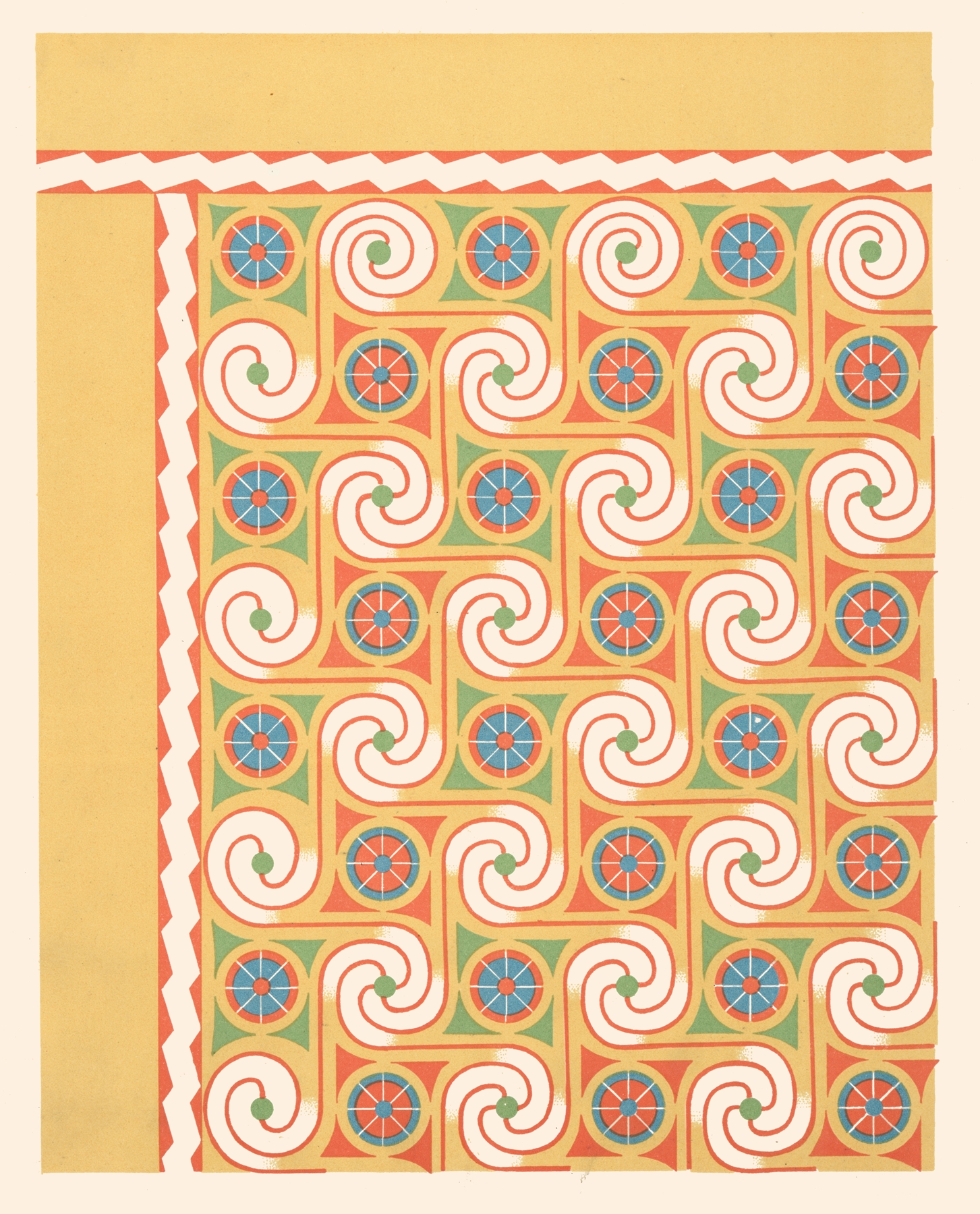
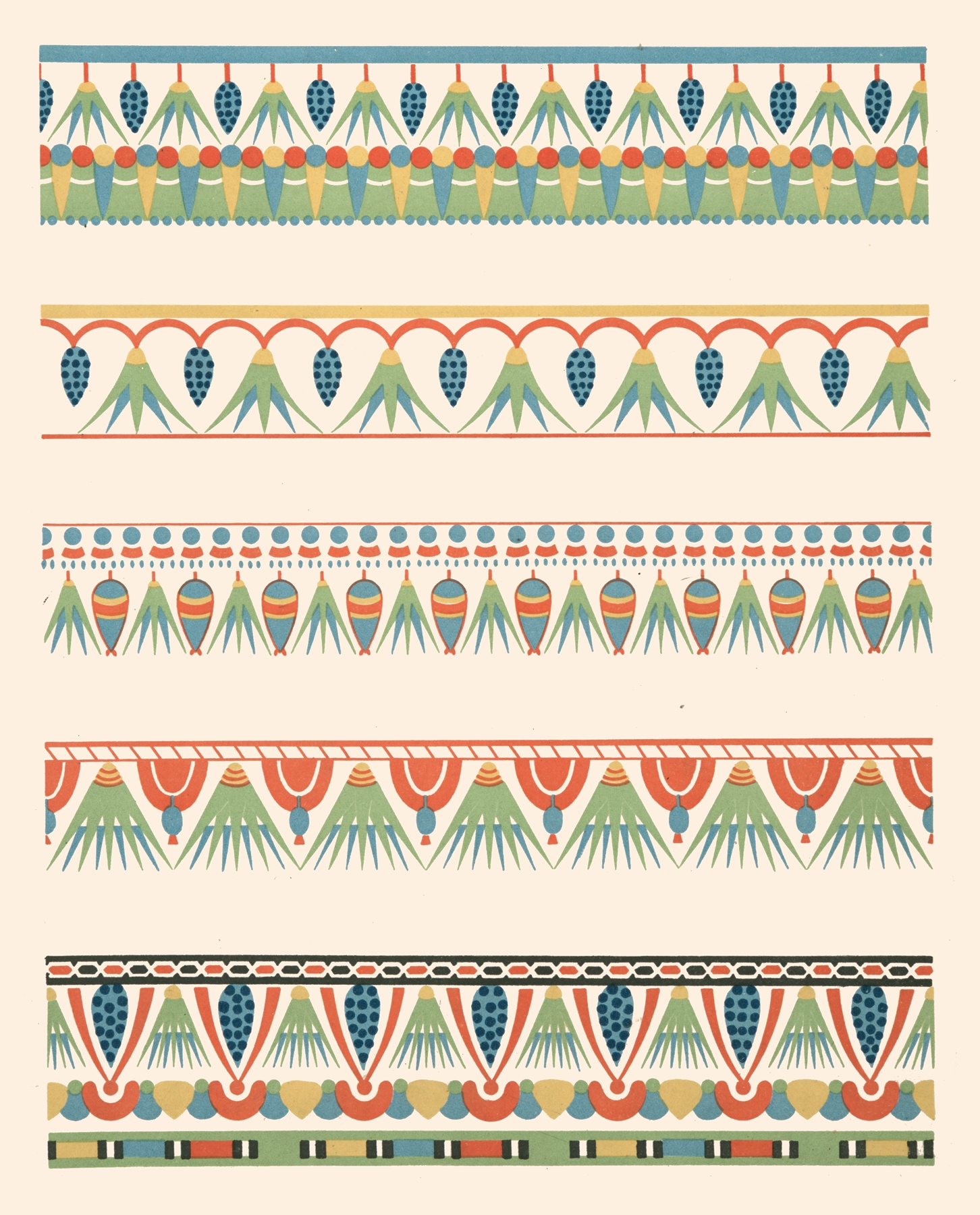
Can beauty exist without sorrow? In the intricate depths of Gustave Jéquier’s 29. Plafond du Tombeau D’amenemhat (n° 82), chaos and elegance entwine to evoke a poignant contemplation on the interplay of loss and magnificence. Look to the center of the composition, where bold geometric shapes create a sense of order amidst the surrounding complexity.
The vibrant palette of deep blues and rich golds draws the eye while intricate details of hieroglyphs weave through the design like whispers from the past. Notice how the layers of ornamentation rise from the surface, giving the impression that the entire ceiling is alive; light dances across these forms, creating a shimmering effect that seems to both illuminate and obscure hidden narratives. As you explore this work, consider the tension between the decorative exuberance and the solemnity of its subject. The chaotic arrangements of symbols and figures suggest a struggle against the passage of time, celebrating life and death in equal measure.
Each stroke carries a weight of history, echoing the ancient civilization that once revered these images while simultaneously confronting the viewer with the fragility of existence. Jéquier created this ceiling in 1911 while working in Egypt, during a time of both artistic exploration and archaeological discovery. The early 20th century marked a fascination with ancient cultures, and Jéquier's work reflects this trend, capturing the grandeur of a lost world. His meticulous attention to detail and desire to evoke past grandeur speak to an era that sought to balance modernity with historical reverence.