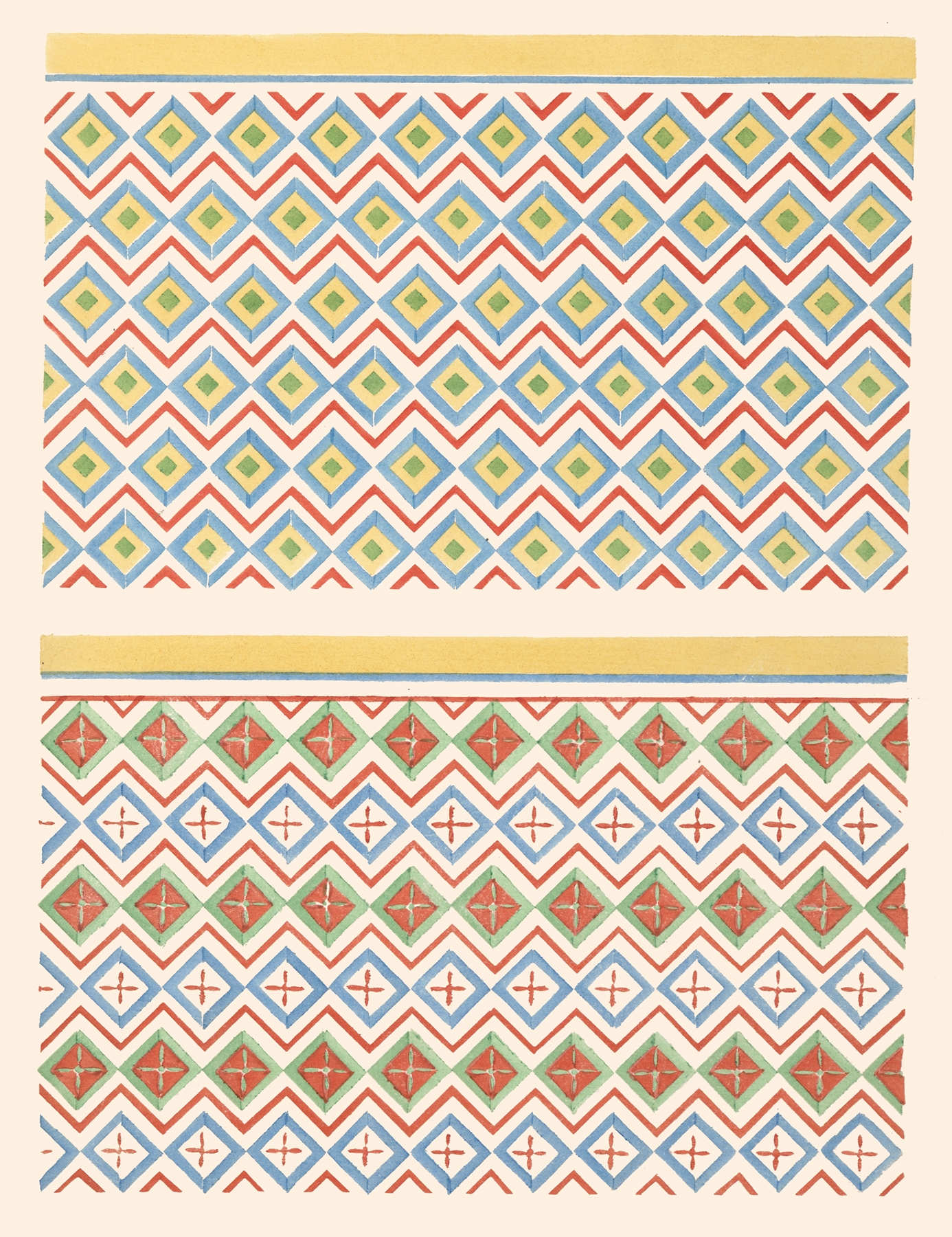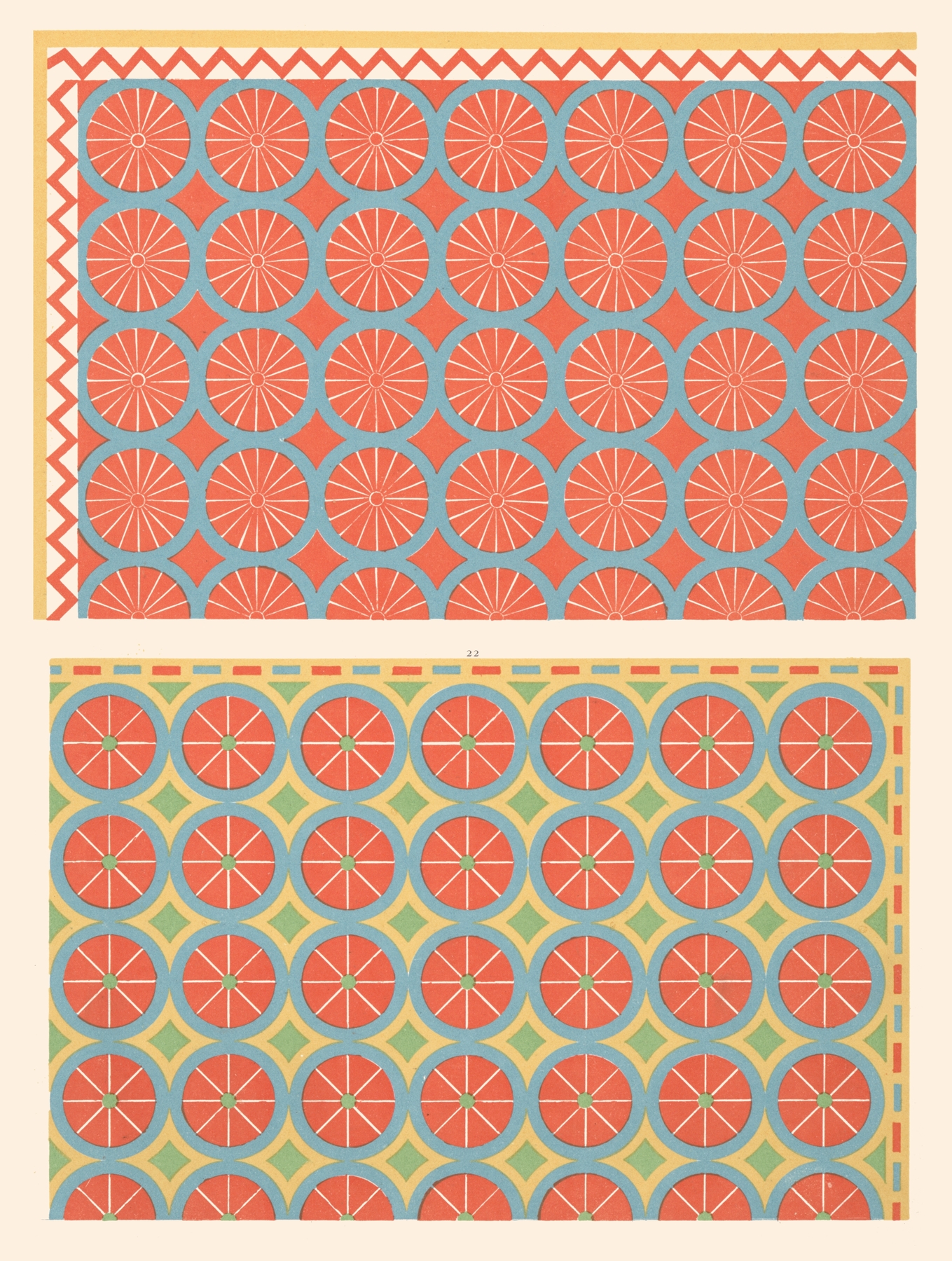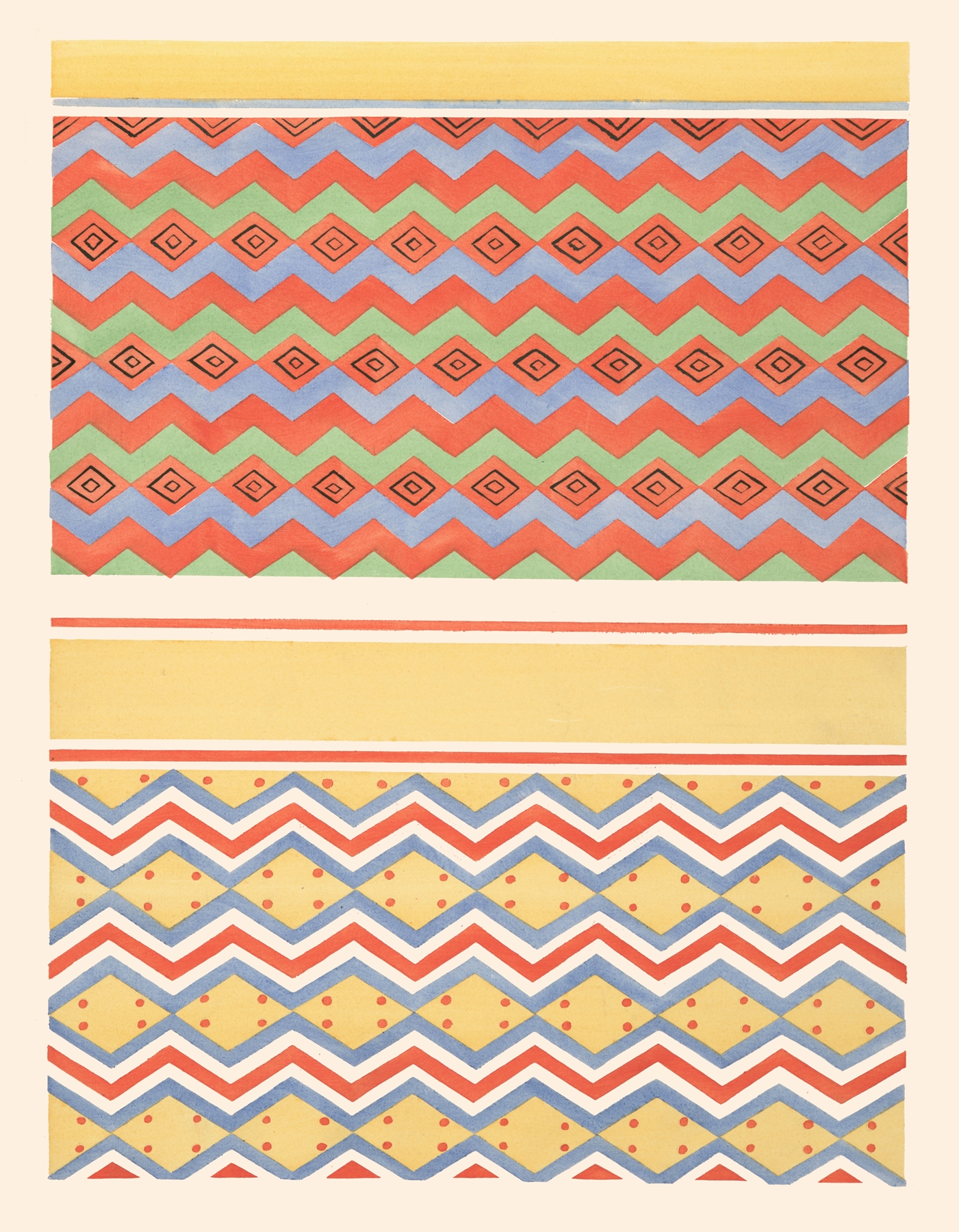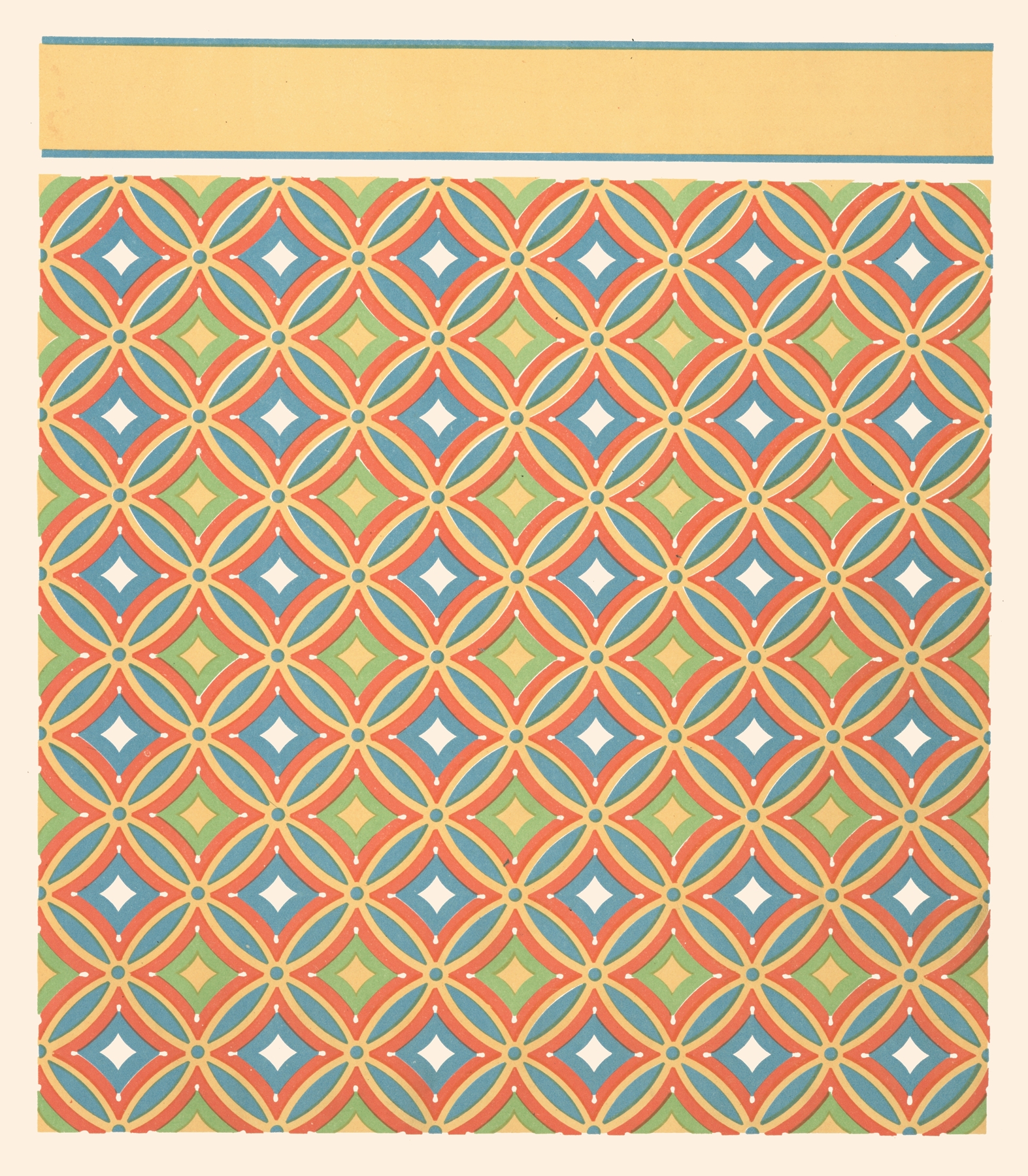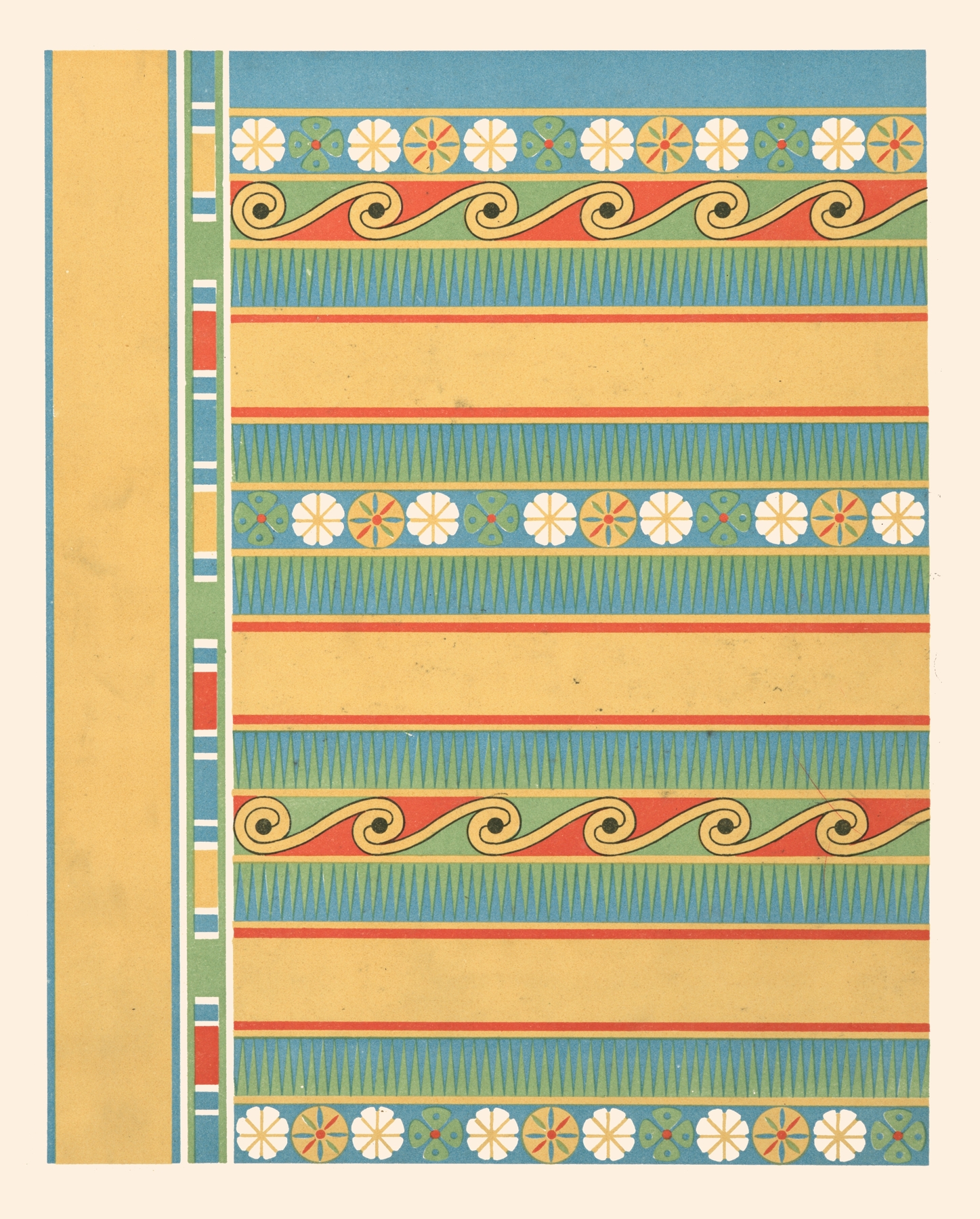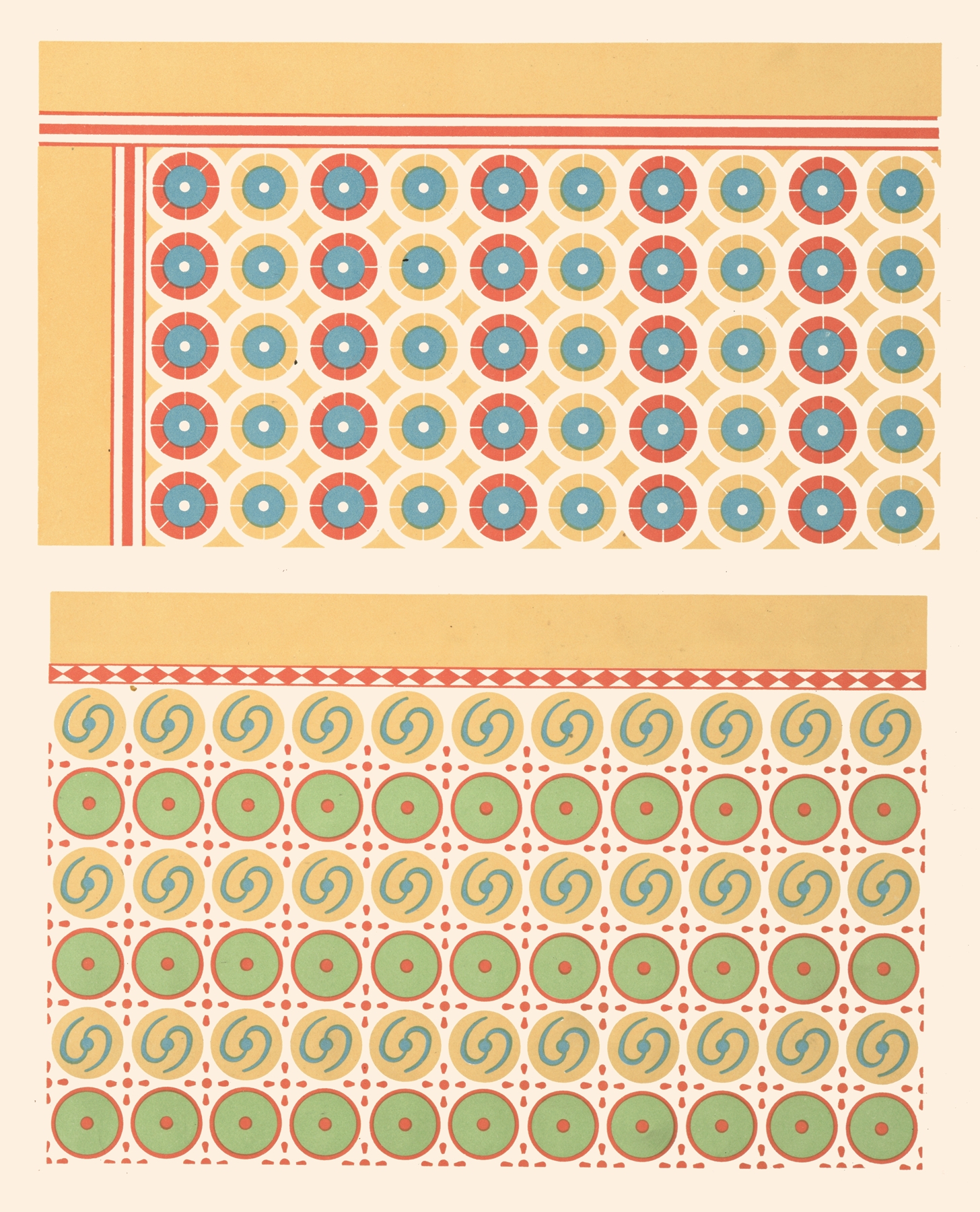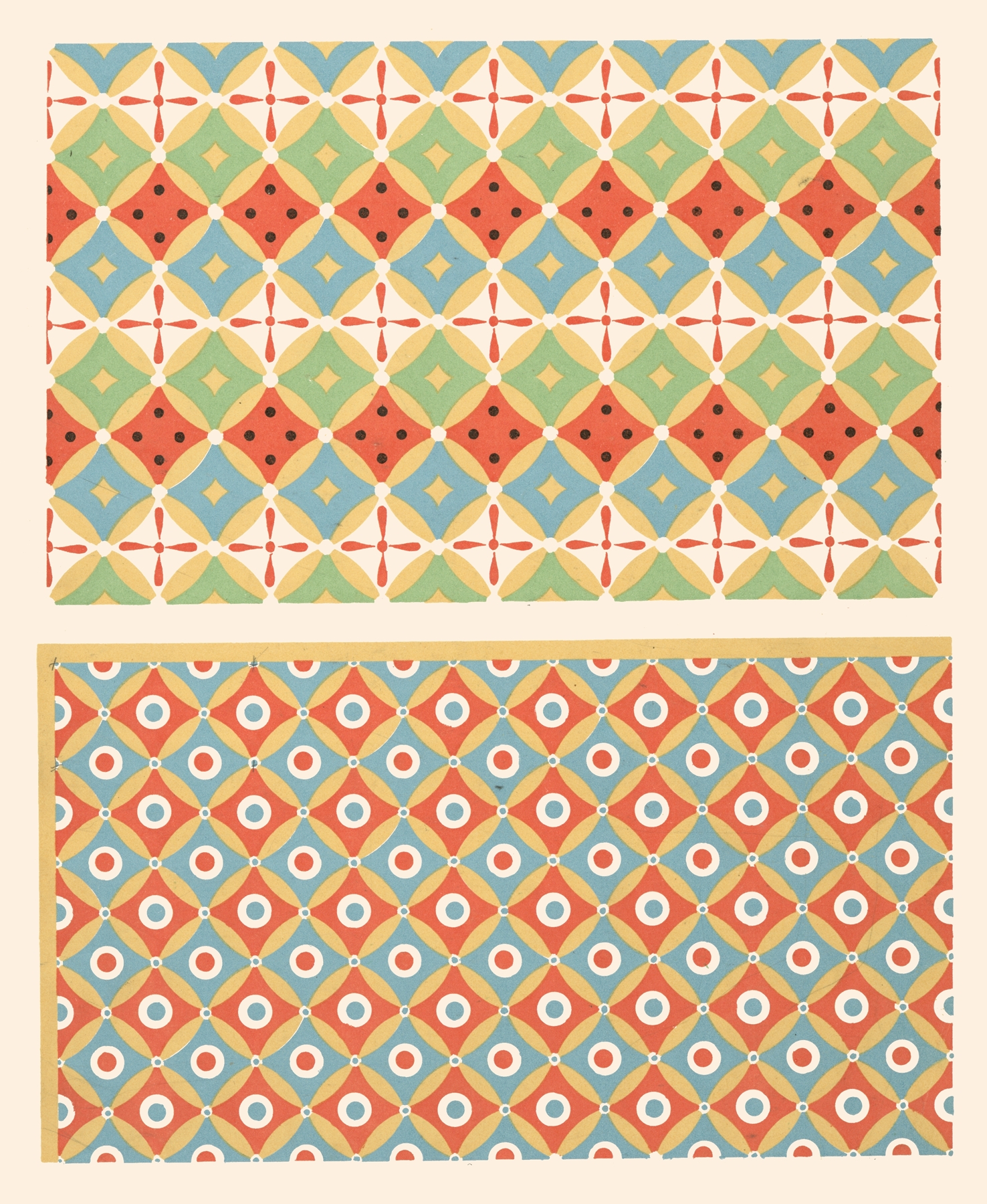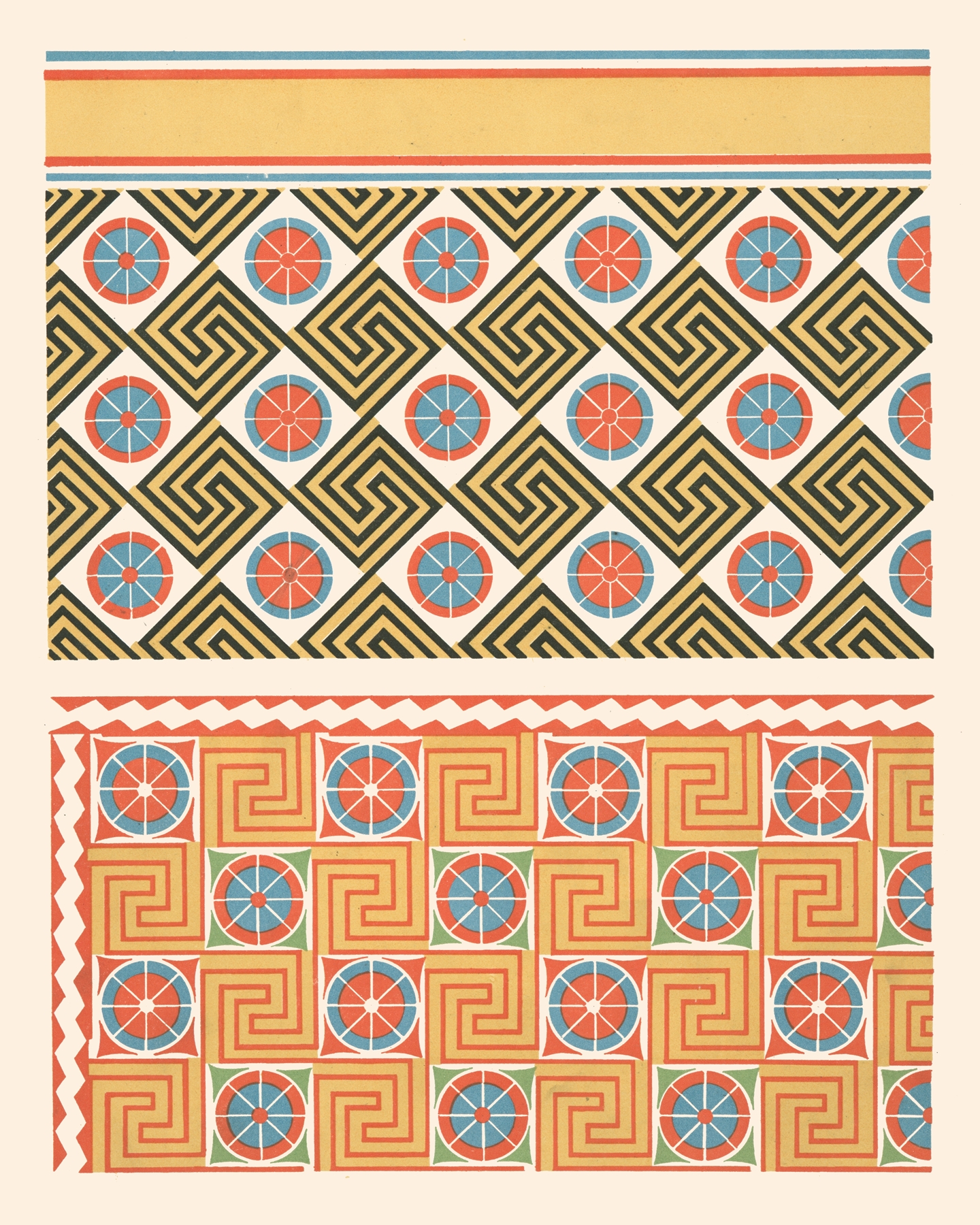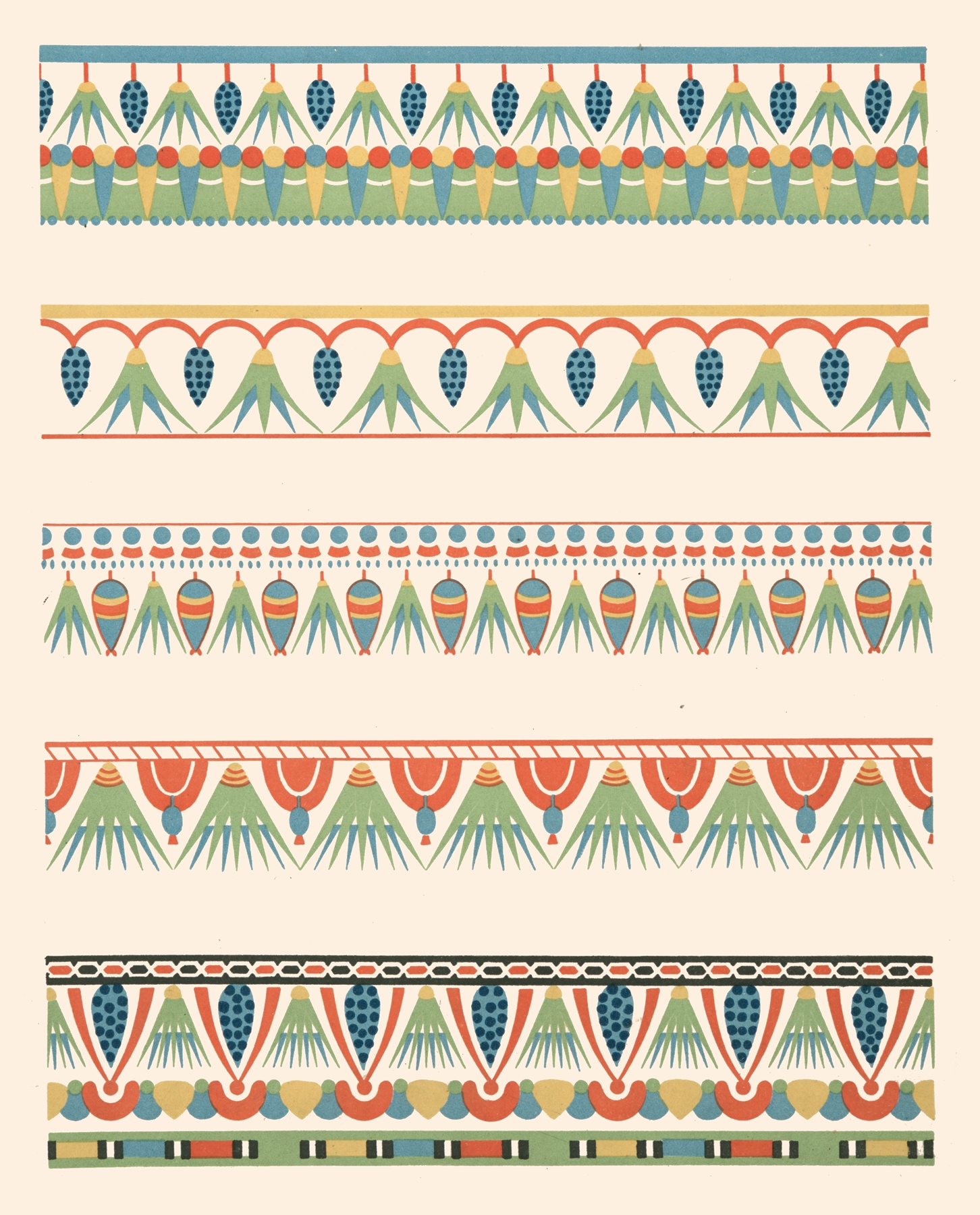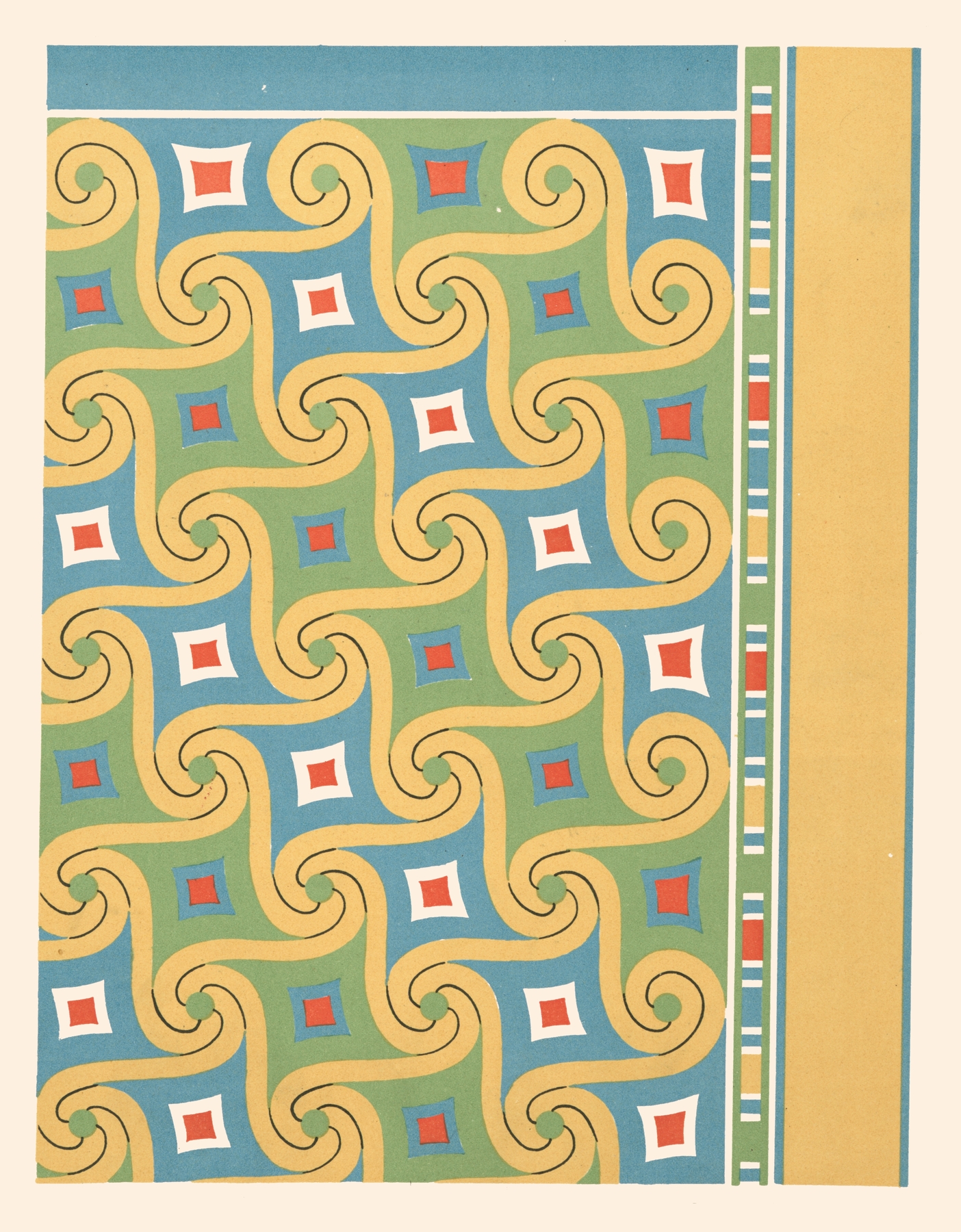
34. Plafond du Tombeau de Senmout (n° 71) — History & Analysis
“Sometimes beauty is just pain, disguised in gold.” In the intricate dance of color and form, melancholy whispers between the layers, inviting one to look deeper beneath the surface. Look to the center of the composition where the radiant golds and blues converge, forming a celestial dome that holds you captive. The meticulous detailing of the figures, adorned in elegant robes and depicted in dynamic poses, draws your gaze to their expressions, which oscillate between joy and sorrow. Notice how the light reflects off the gilded surfaces, casting a warm glow that contrasts the coldness of the surrounding hues, creating a tension that resonates throughout the piece.
Delve into the hidden contrasts—the opulence of the gold clashing with the somber undertones of the blue, suggesting a duality inherent in existence. Each figure, while beautifully rendered, embodies a silent story of loss and longing, inviting contemplation on life’s ephemeral nature. The meticulous craftsmanship hints at the momentary beauty of both the physical and the spiritual, as if Jéquier urges us to confront our own layers of sorrow wrapped in splendor.
Created in 1911, this piece reflects Gustave Jéquier’s fascination with ancient Egyptian motifs, showcasing his ability to merge historical inspirations with contemporary techniques. At this time, he was immersed in the cultural revival of Egyptology, which greatly influenced the artistic movements of the era. Jéquier’s artistry aims to bridge the past and present, tapping into universal themes of beauty and melancholy, which resonate as powerfully today as they did over a century ago.