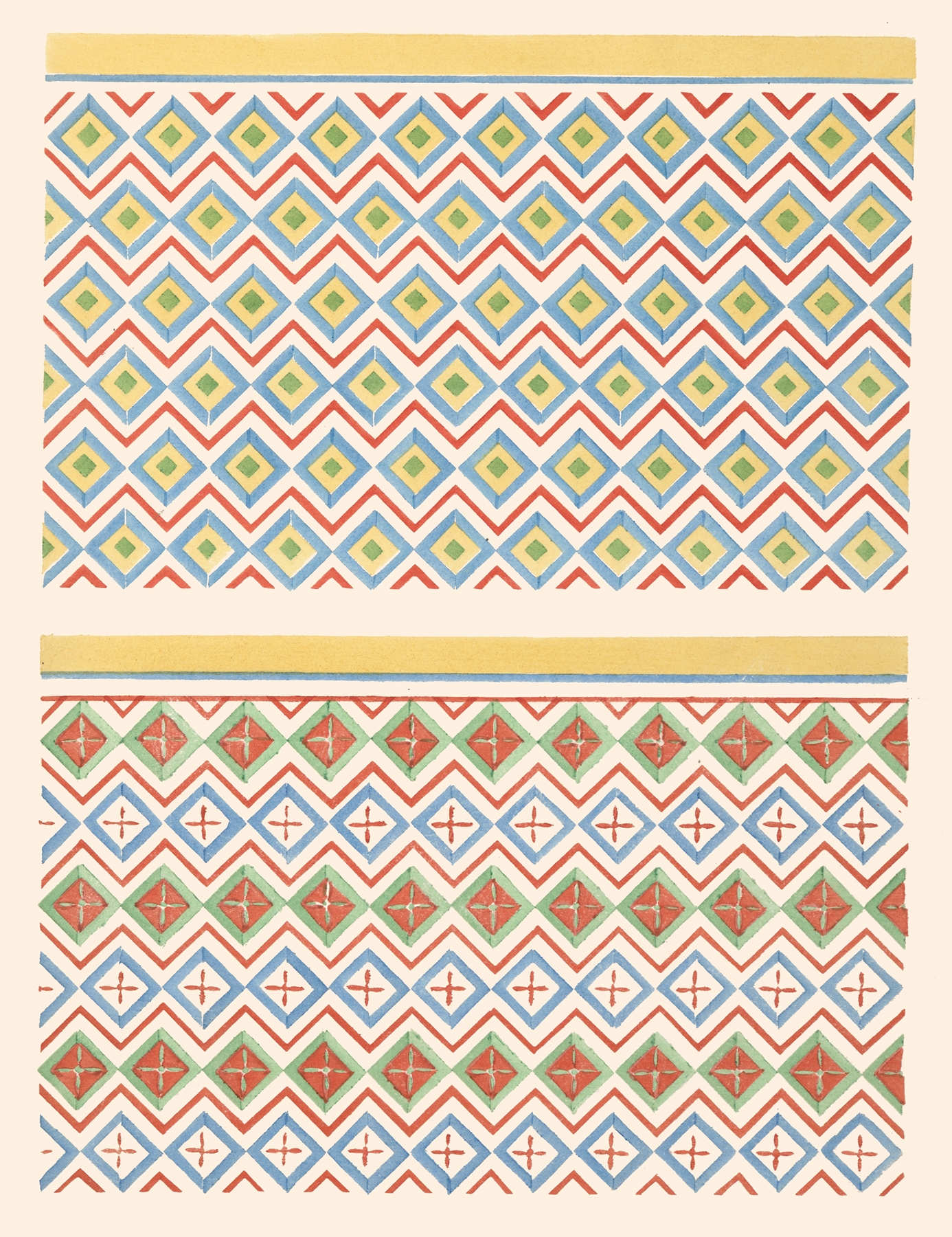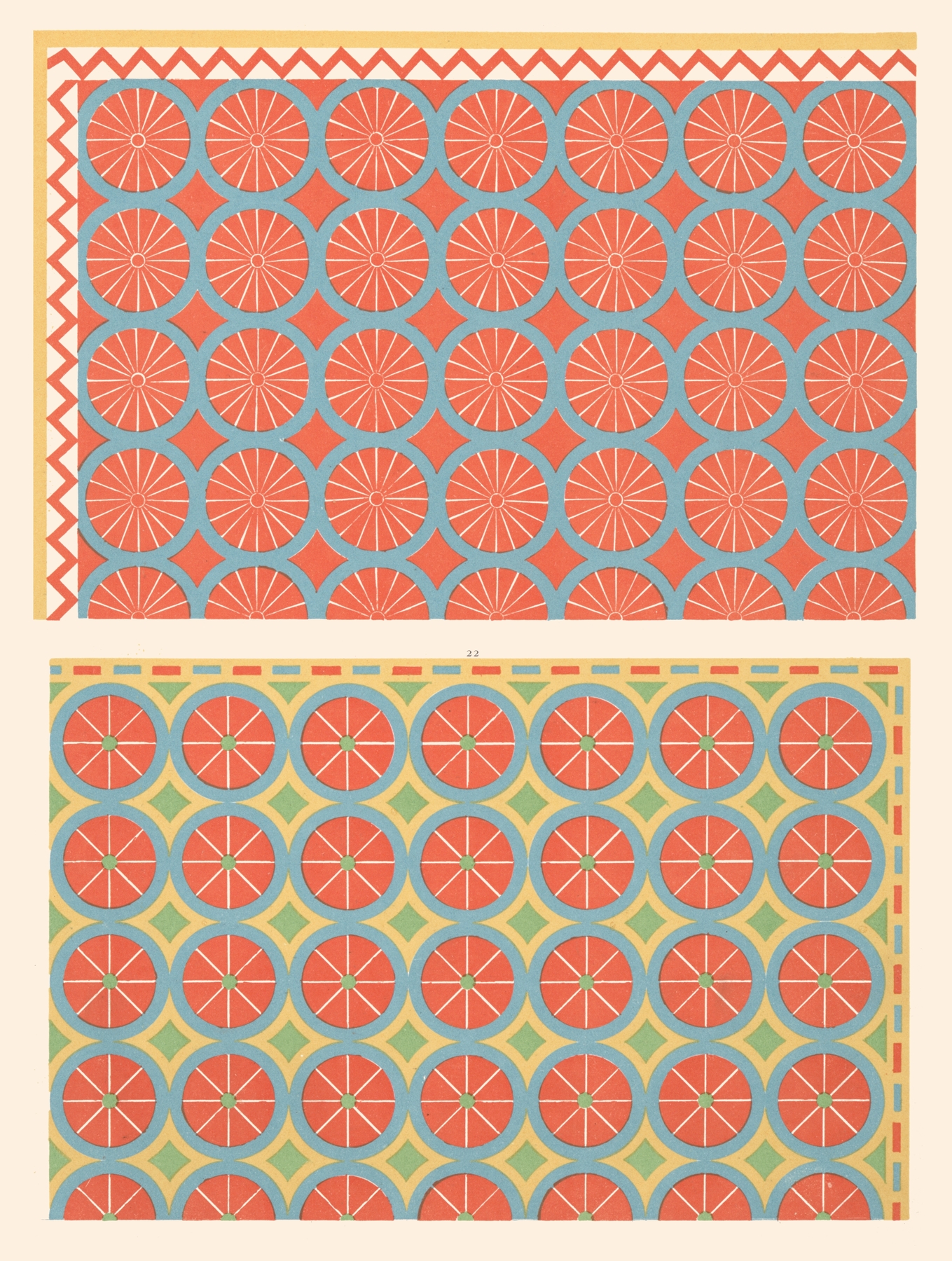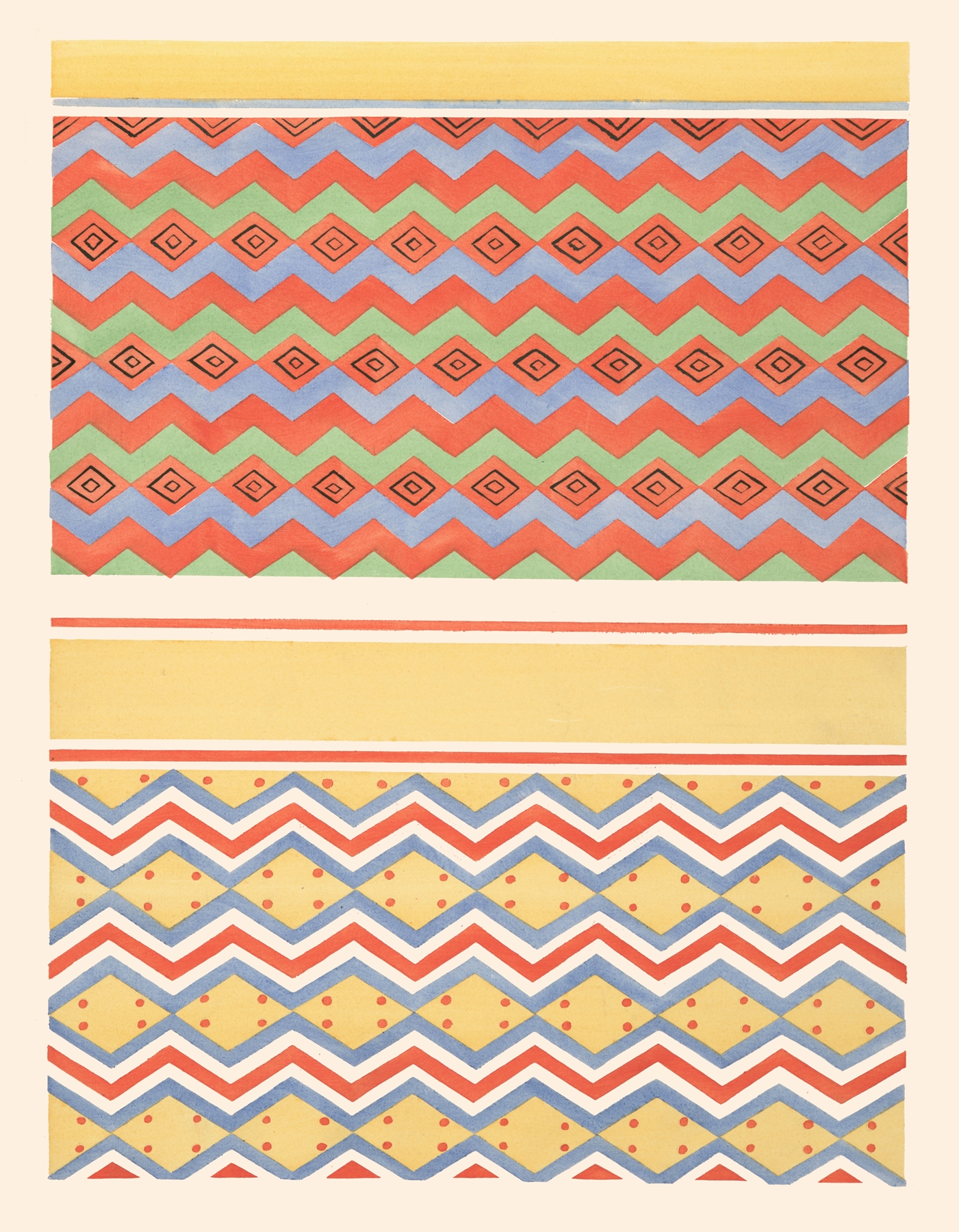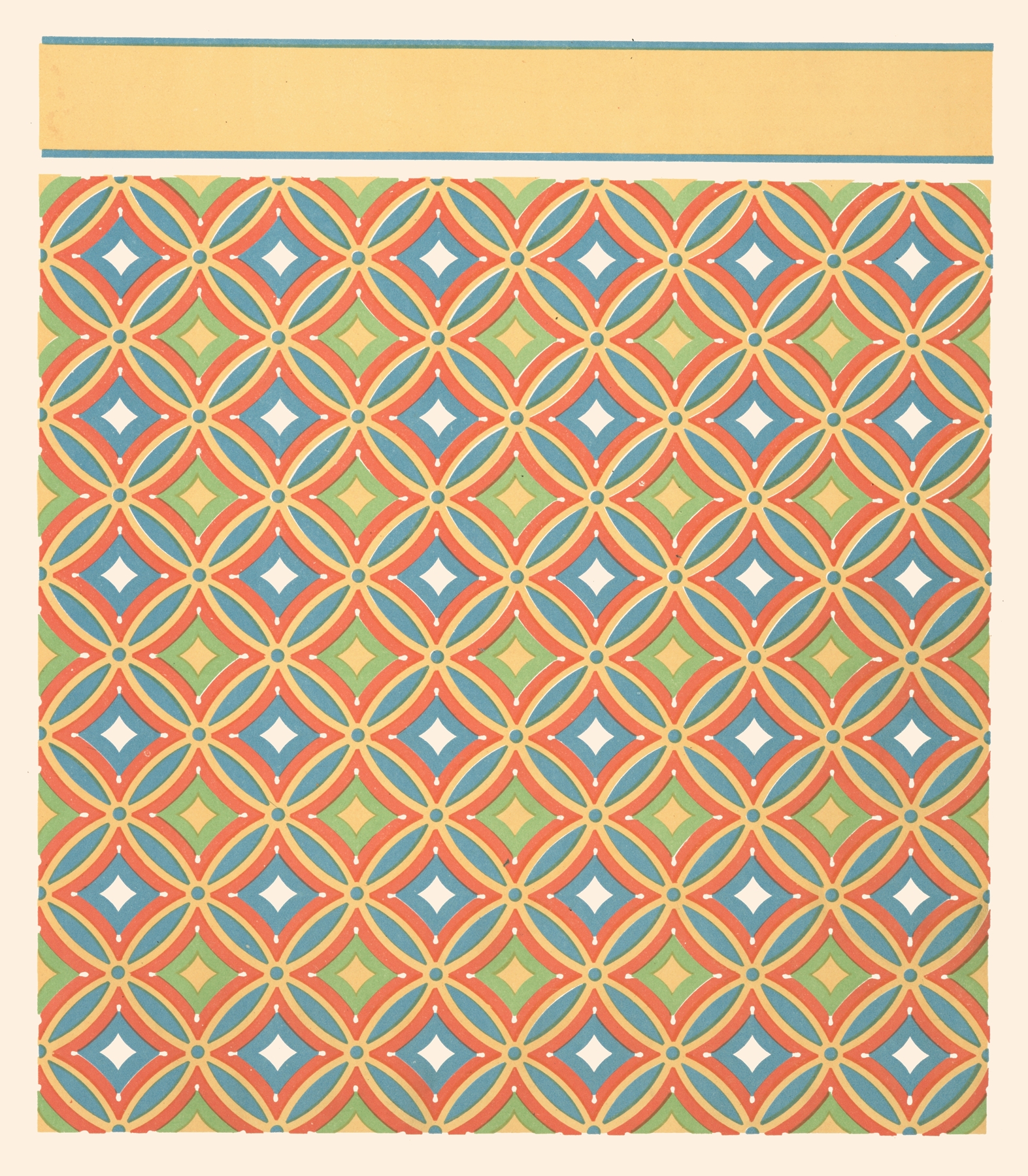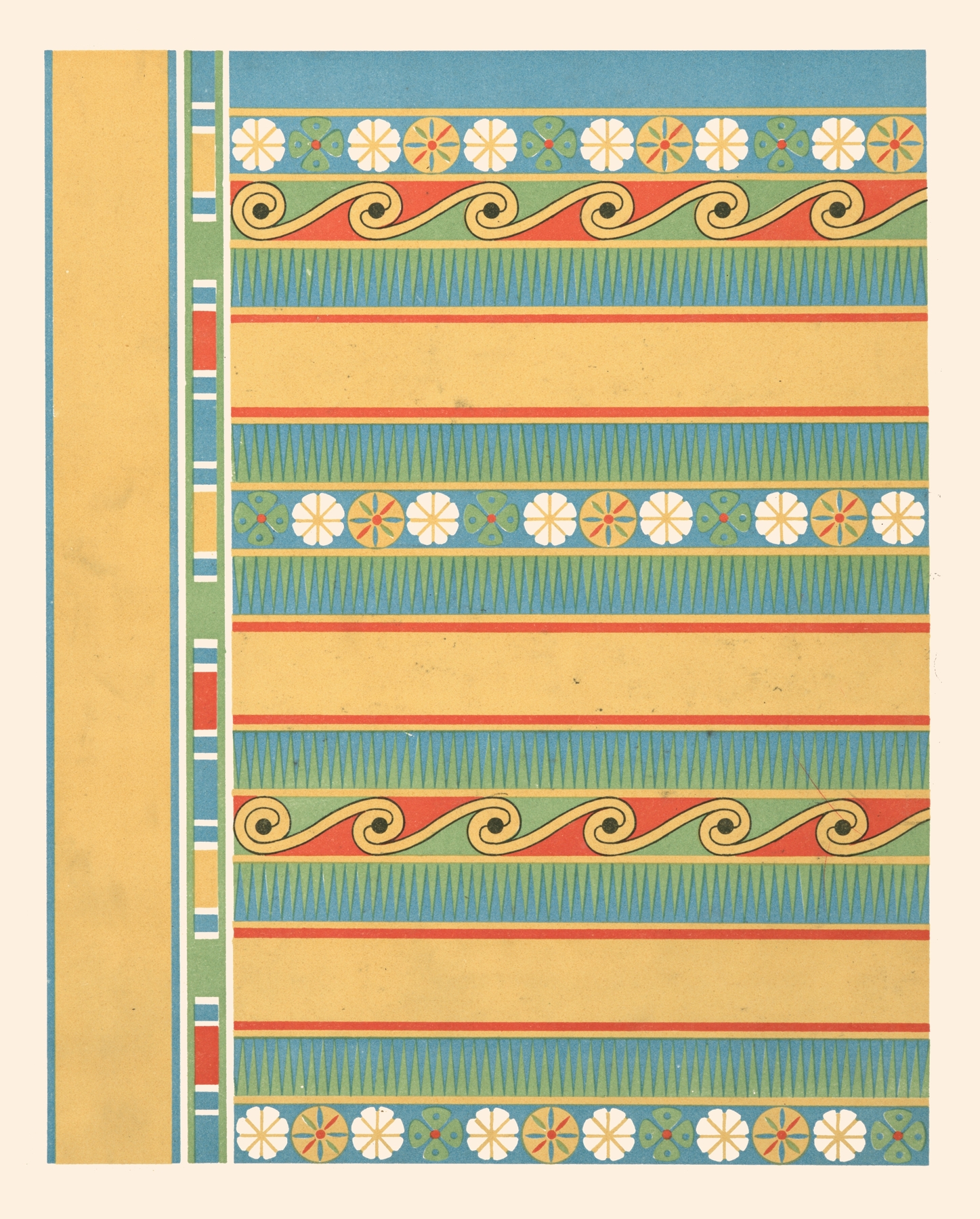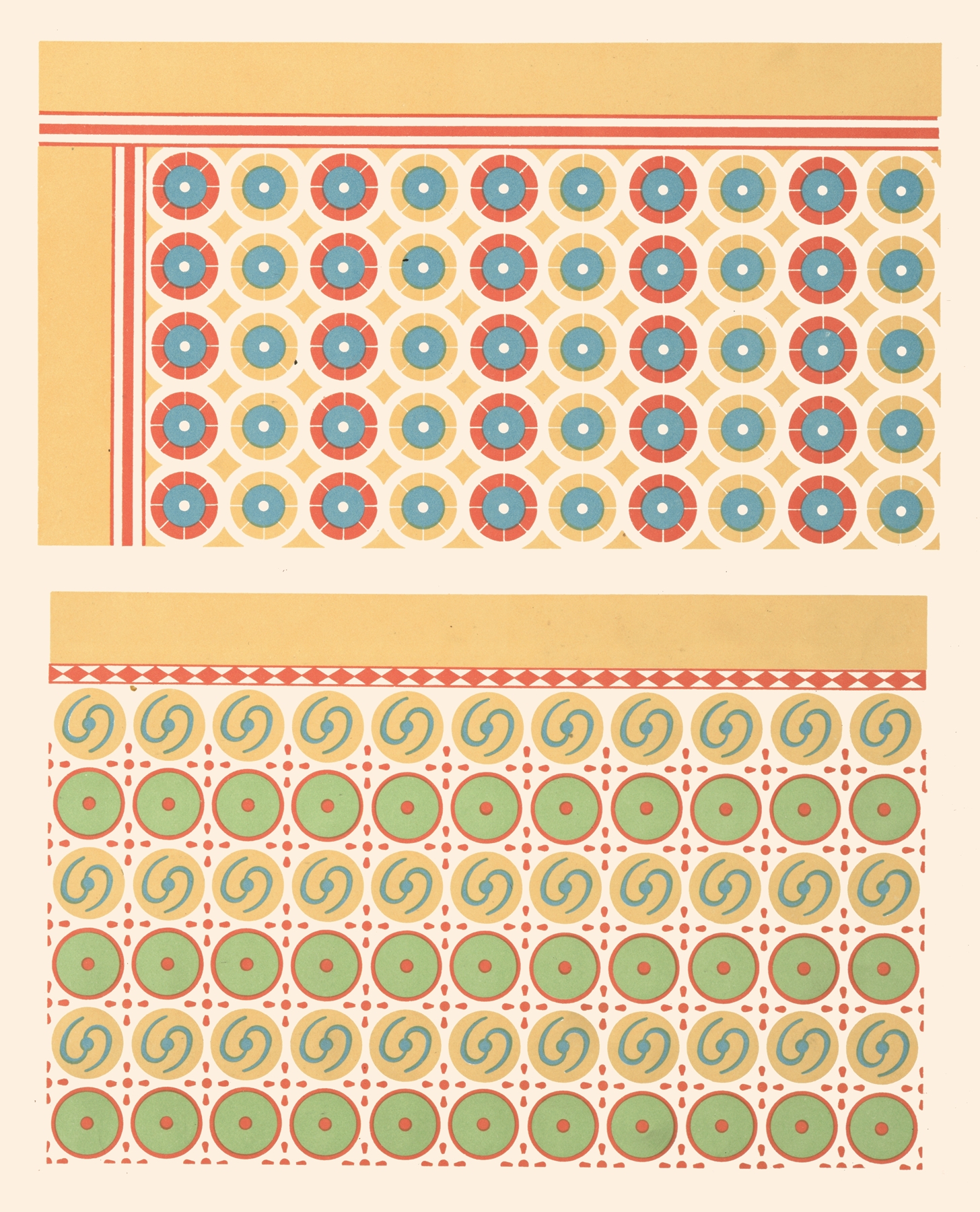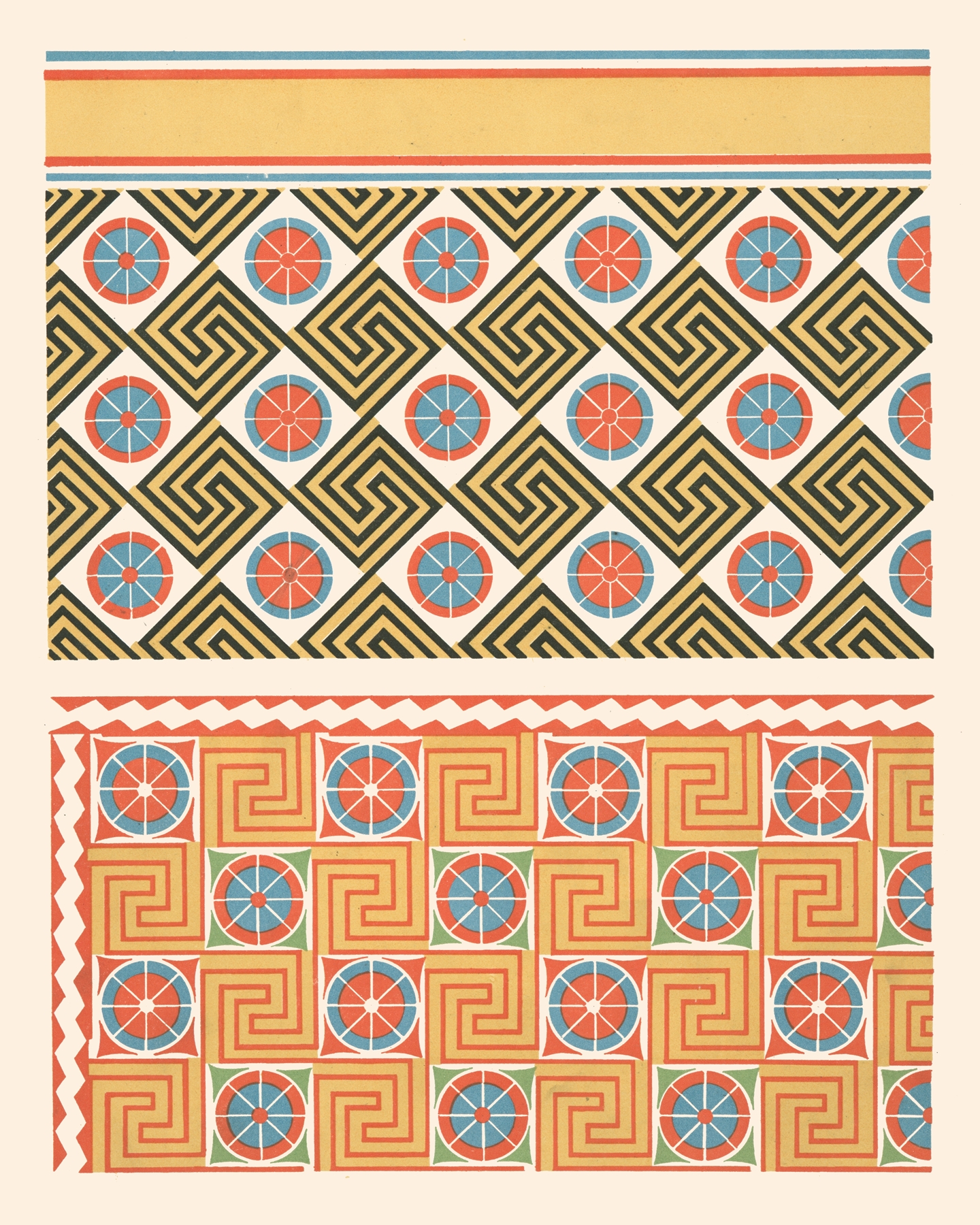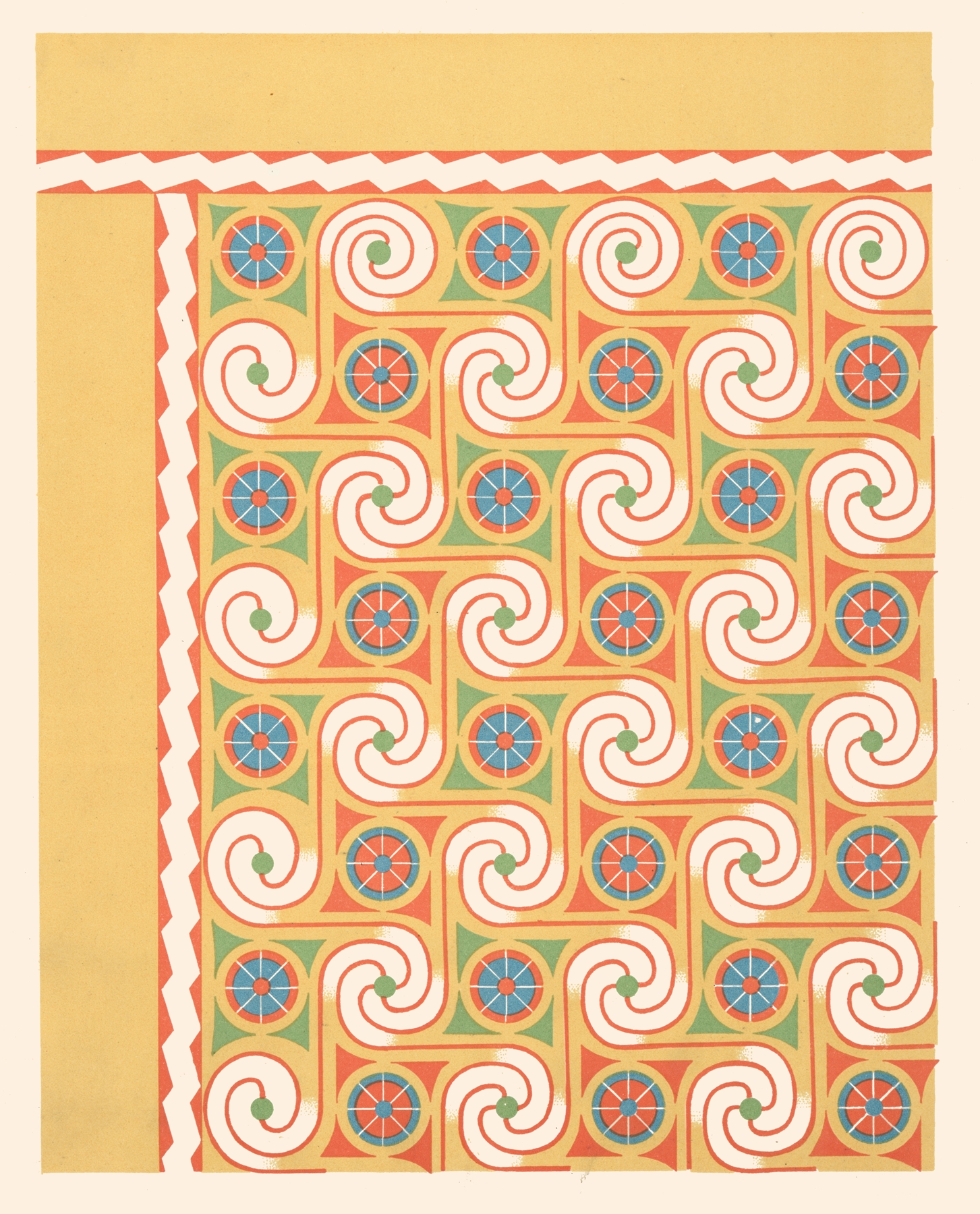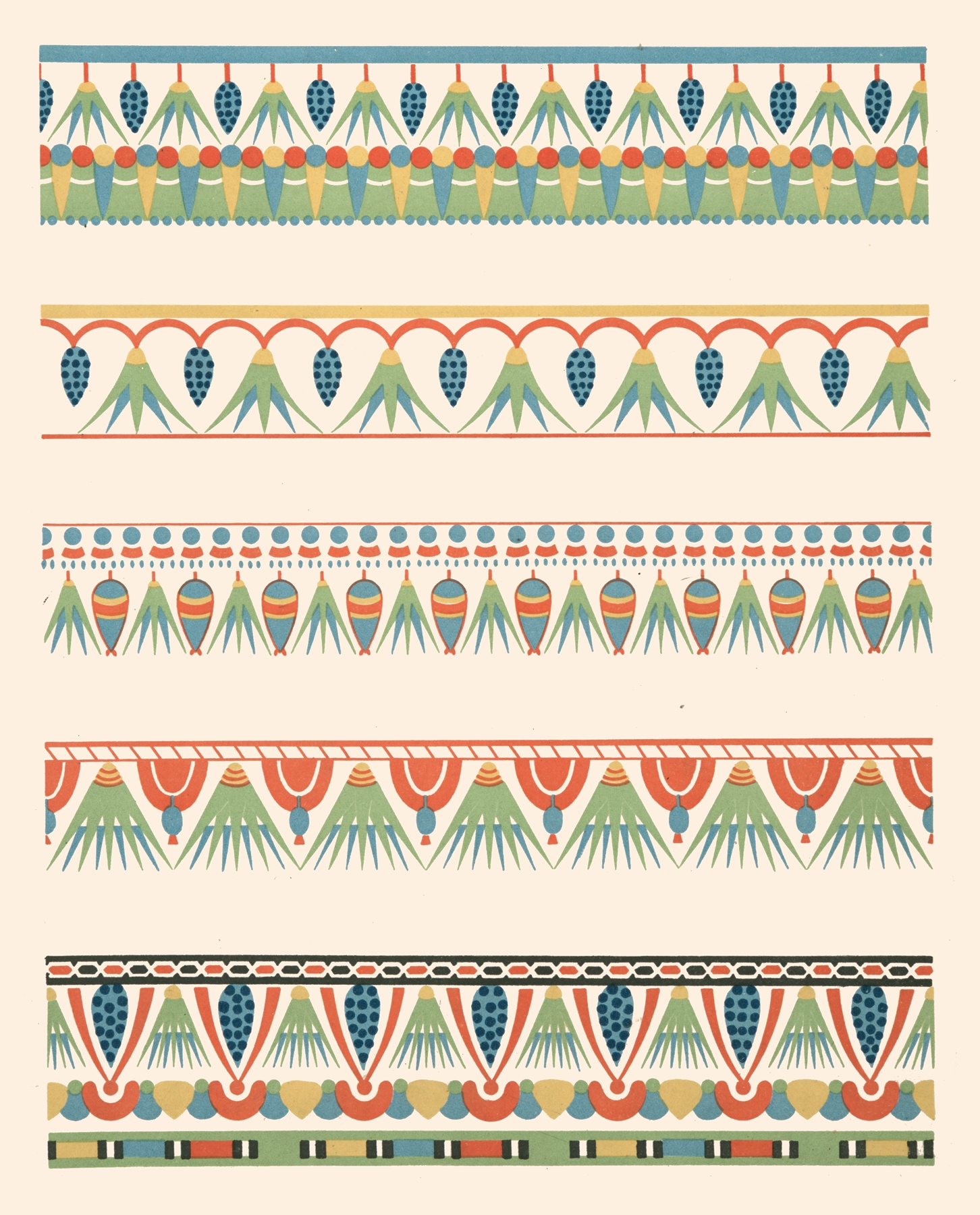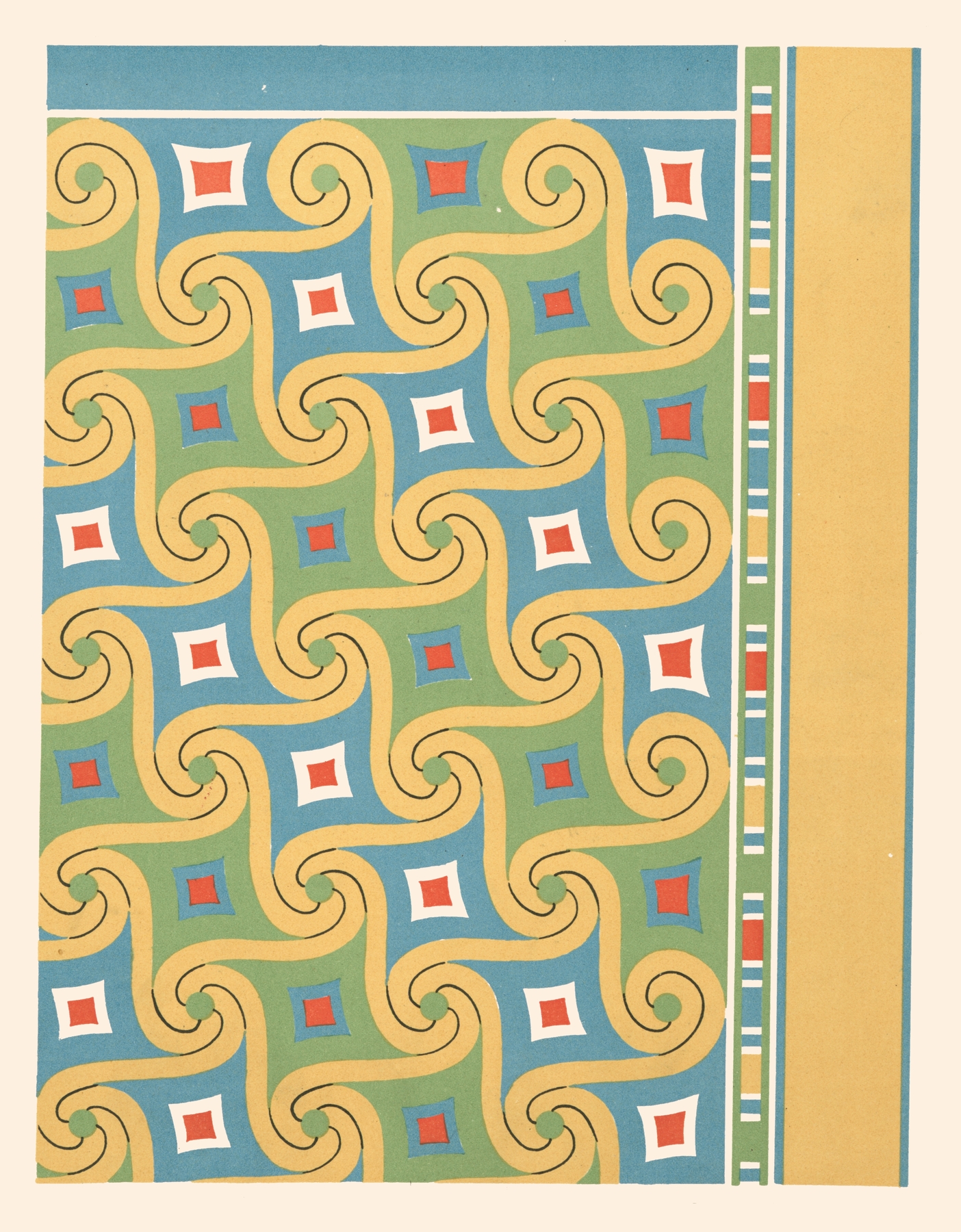
27. Plafond du Tombeau de Nekht-Mîn (n° 87), 28. Plafond du Tombeau n° 91 (Anonyme) — History & Analysis
“Under the brush, chaos becomes grace.” In the delicate interplay of life and death, this artwork captures the fleeting nature of existence, inviting the viewer to ponder mortality's embrace. Look closely at the intricate patterns that unfurl across the ceiling. The bold colors of deep blues and fiery reds dance together, while elegant motifs whisper tales of ancient rituals. Notice how the light captures the ornate details, emphasizing the delicate craftsmanship and drawing your eye to the central figures woven into the design.
Each stroke is purposeful, transforming a mere ceiling into a vibrant narrative of passage and celebration. Yet, beneath this cultural grandeur lies a profound tension. The juxtaposition of lively forms and their inevitable decay evokes a sense of mourning amidst celebration. The fluidity of the decorations speaks not only to creation but also to the dissolution that follows—a reminder that beauty is transient.
Each detail, from the stylized flora to the ethereal figures, serves simultaneously as a tribute to life and an echo of its impermanence. Gustave Jéquier painted this work in 1911 while immersed in the rich legacy of Egyptology and its artistic revival in Europe. At that time, he was involved in significant archaeological studies, which influenced his delicate interpretations of ancient motifs. This emblematic piece reflects the cultural fascination with mortality and the afterlife, capturing a moment where art transcends mere representation to explore deeper existential themes.