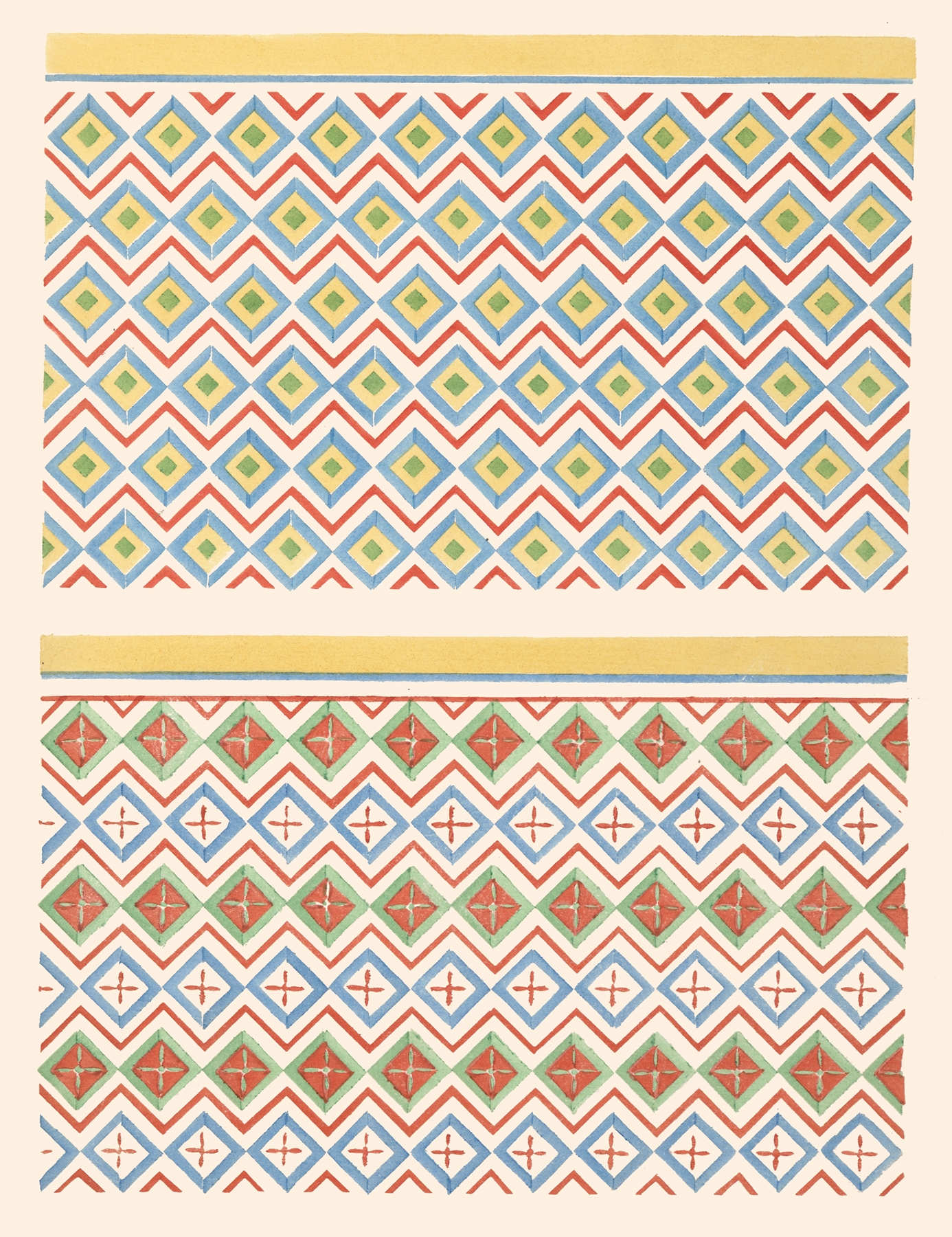
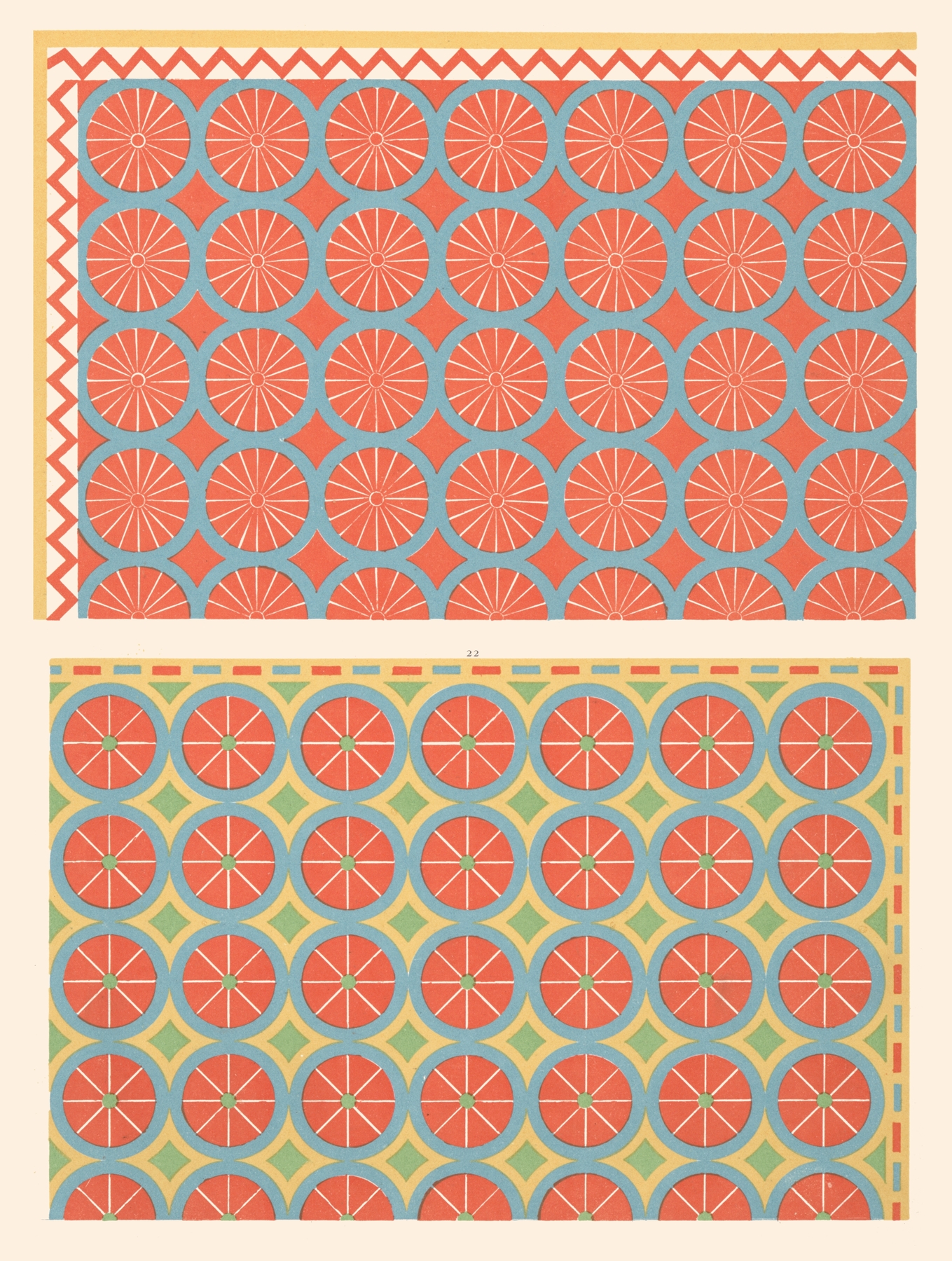
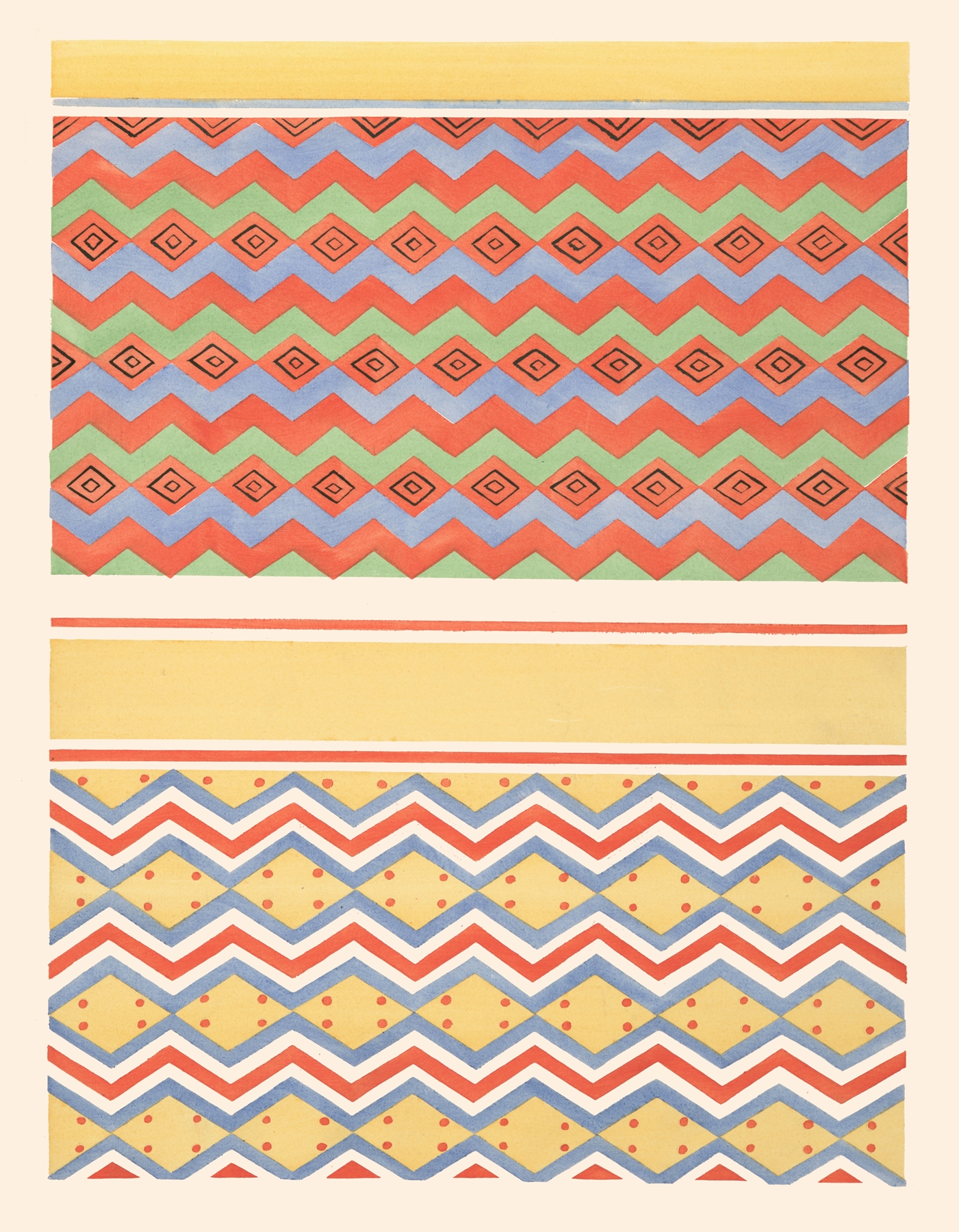
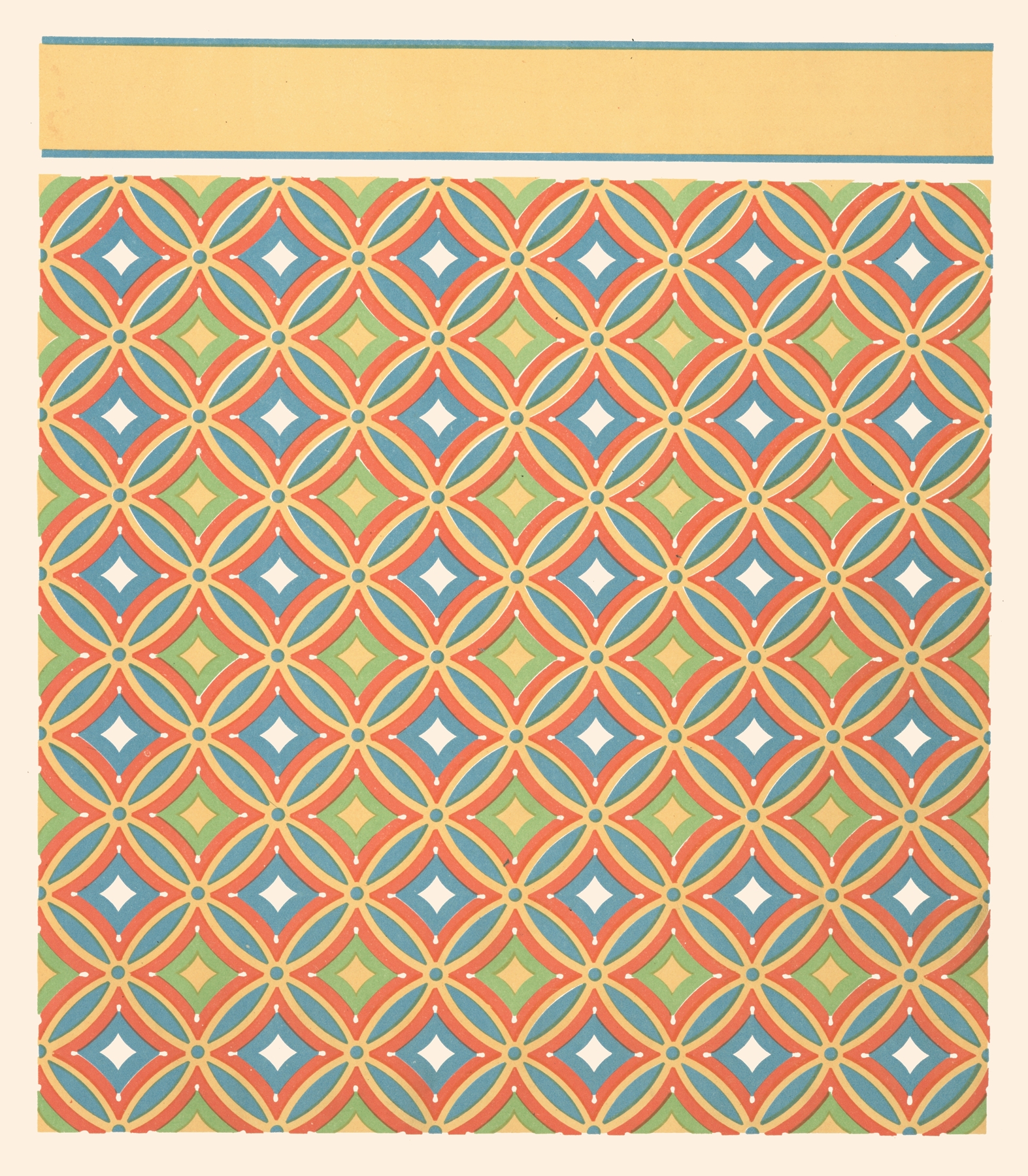
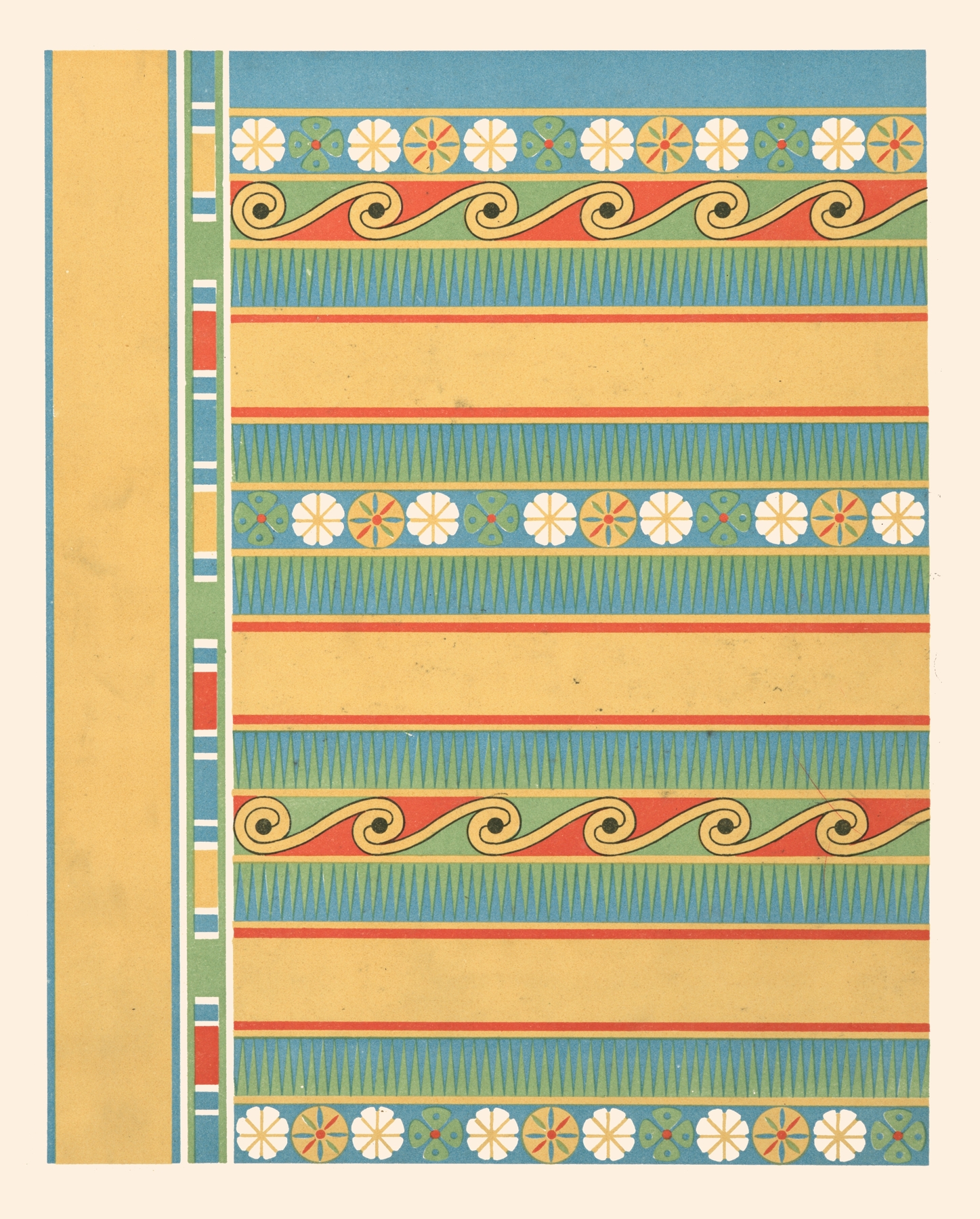
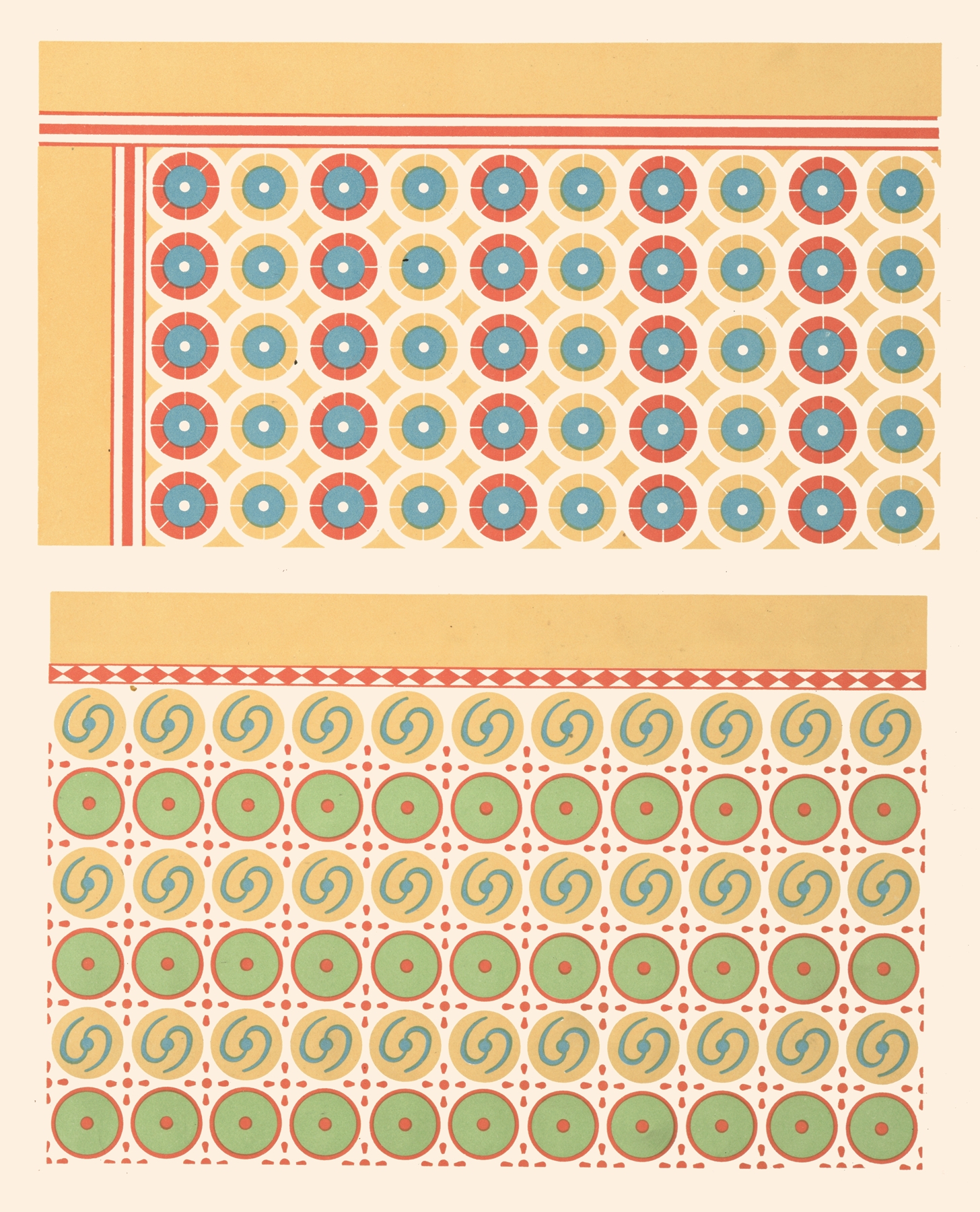
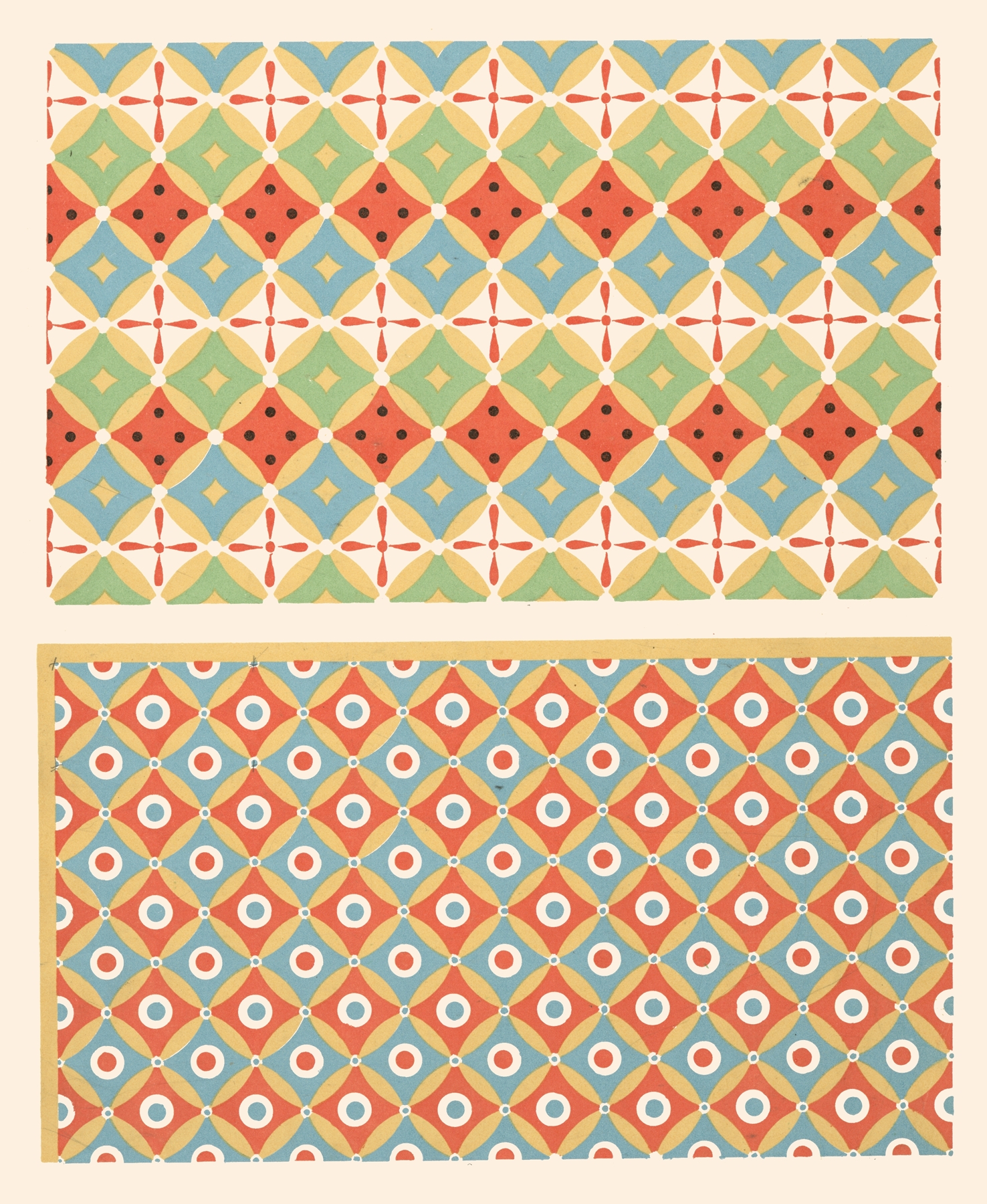
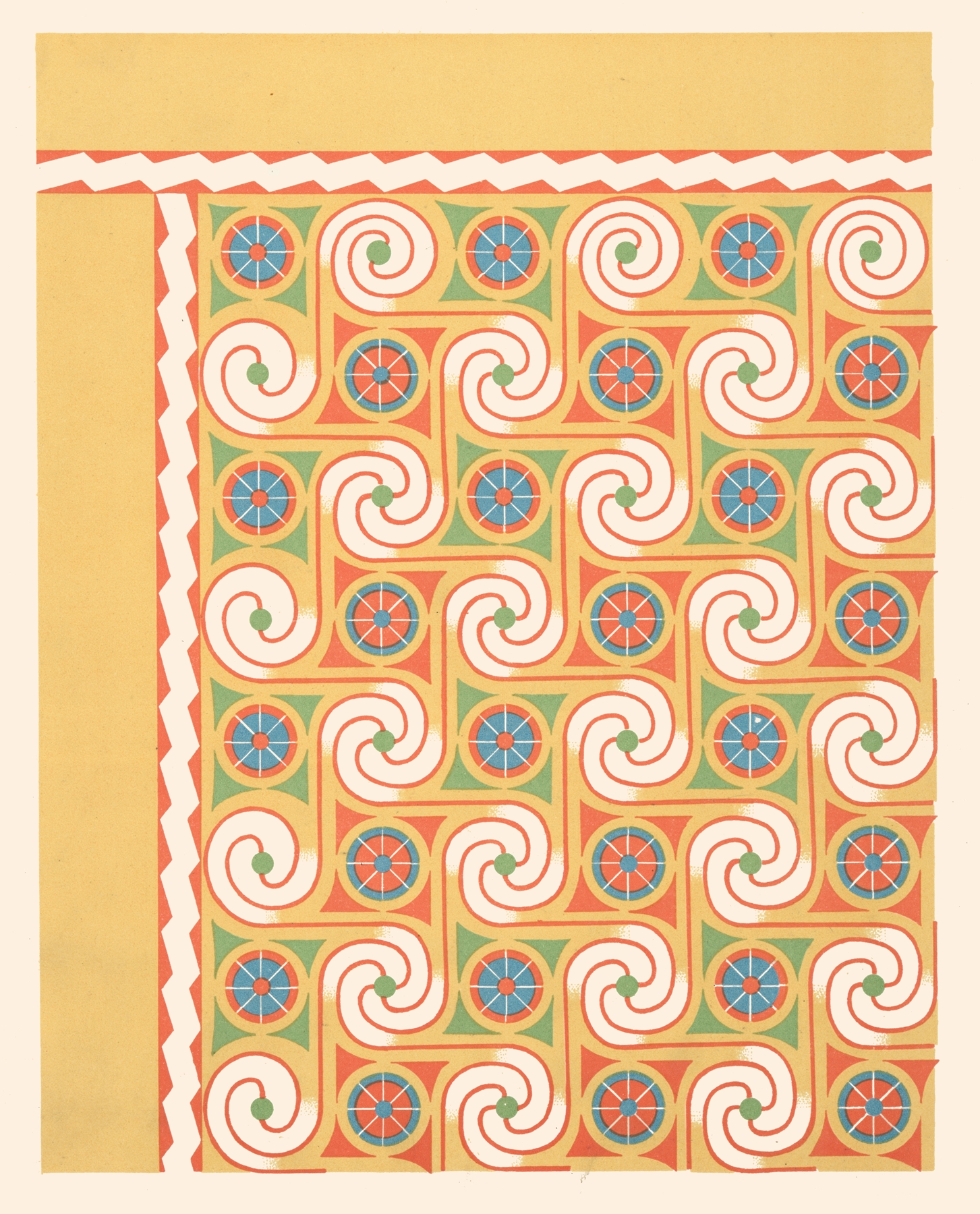
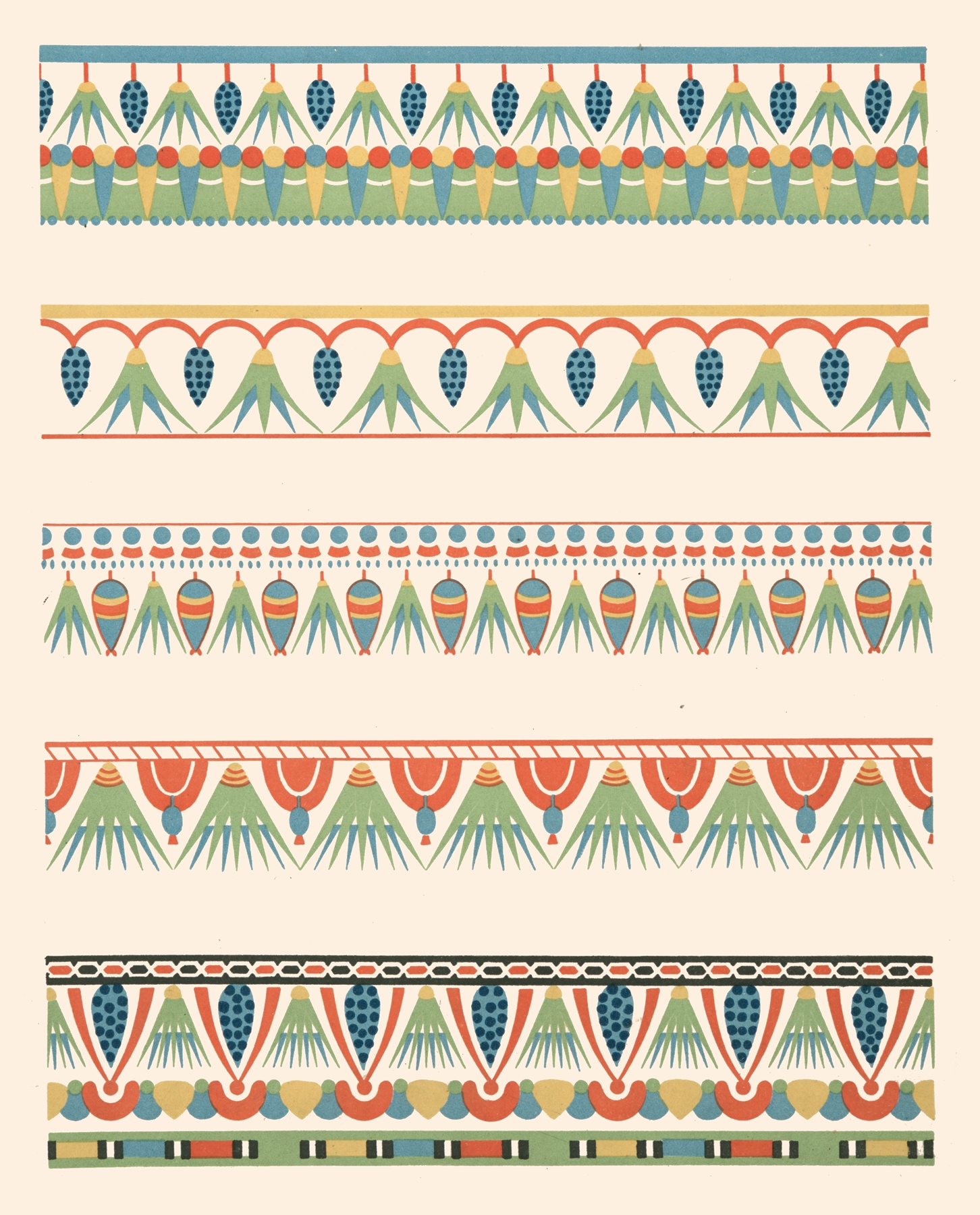
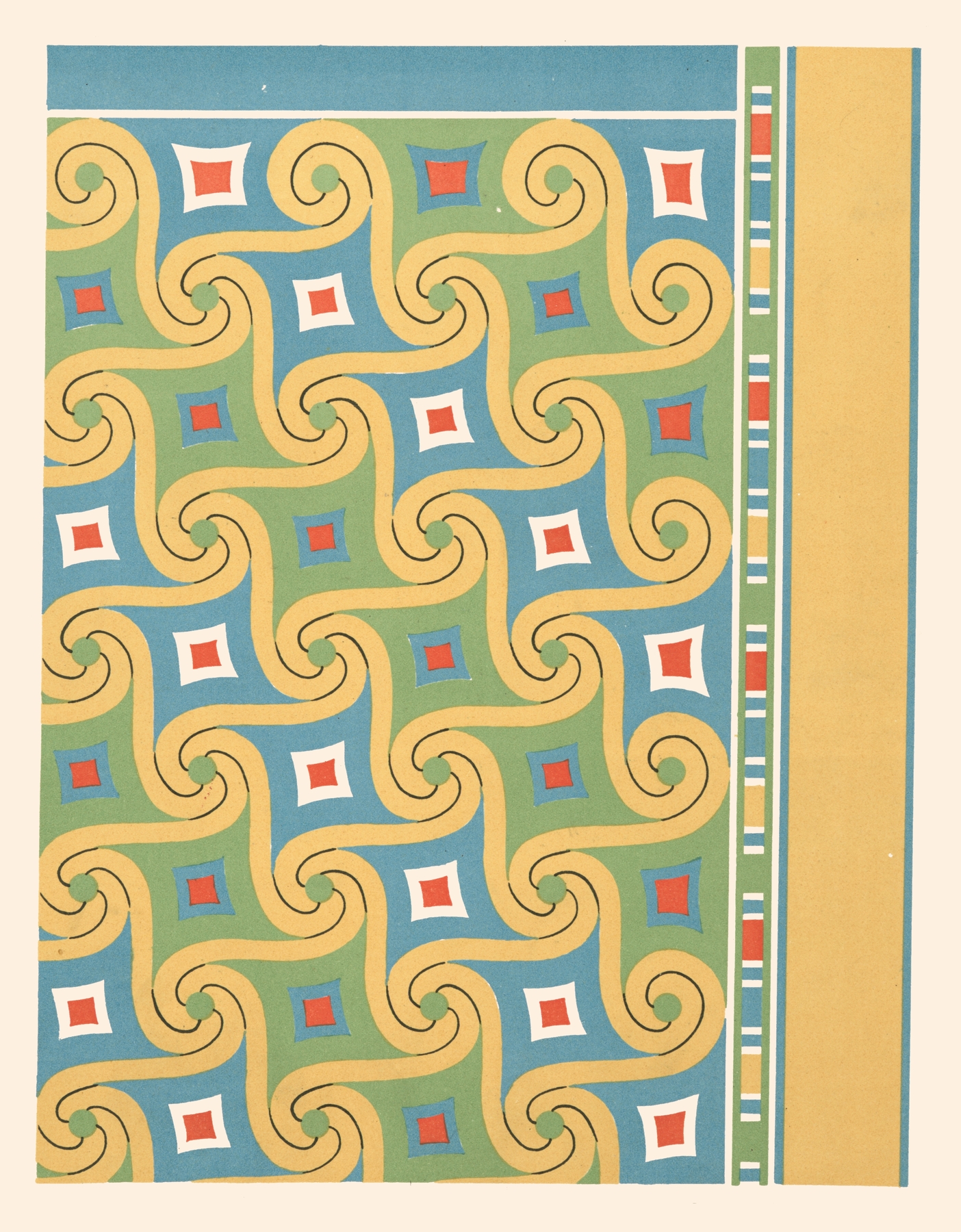
38. Plafond du Tombeau D’anna (n° 81), 39. Plafond du Tombeau de Senmout (n° 71) — History & Analysis
“Under the brush, chaos becomes grace.” In the world of illusion, a delicate dance unfolds between reality and imagination, inviting us to question what lies beneath the surface of our perceptions. Look closely at the intricate details of Plafond du Tombeau D’anna (n° 81). The eye is immediately drawn to the ethereal patterns that weave through the ceiling, a tapestry of color and light. Notice how the soft hues of azure and gold intertwine, creating a luminous effect that seems to pulse with life.
To the left, the graceful curves blend seamlessly into rich ornamentation, while the shadows provoke a tension that hints at stories untold. Delve deeper into the layers of this majestic work. The vibrant colors symbolize the fleeting nature of existence, reflecting the fragility of life against the backdrop of eternity. The contrasting forms, some bold and others ephemeral, evoke the dualities of permanence and transience—each brushstroke a testament to the artist's struggle to capture a moment that is forever slipping away.
In 1911, Gustave Jéquier created this work during a period marked by artistic experimentation and a departure from traditional forms. Living in Paris, he was part of a vibrant art scene that challenged conventions, seeking new modes of expression. This ceiling, a marriage of classical inspiration and modern abstraction, reflects not only Jéquier's personal journey but also the broader evolution of art in a rapidly changing world.