A capriccio of Tivoli with a waterfall and shepherds — History & Analysis
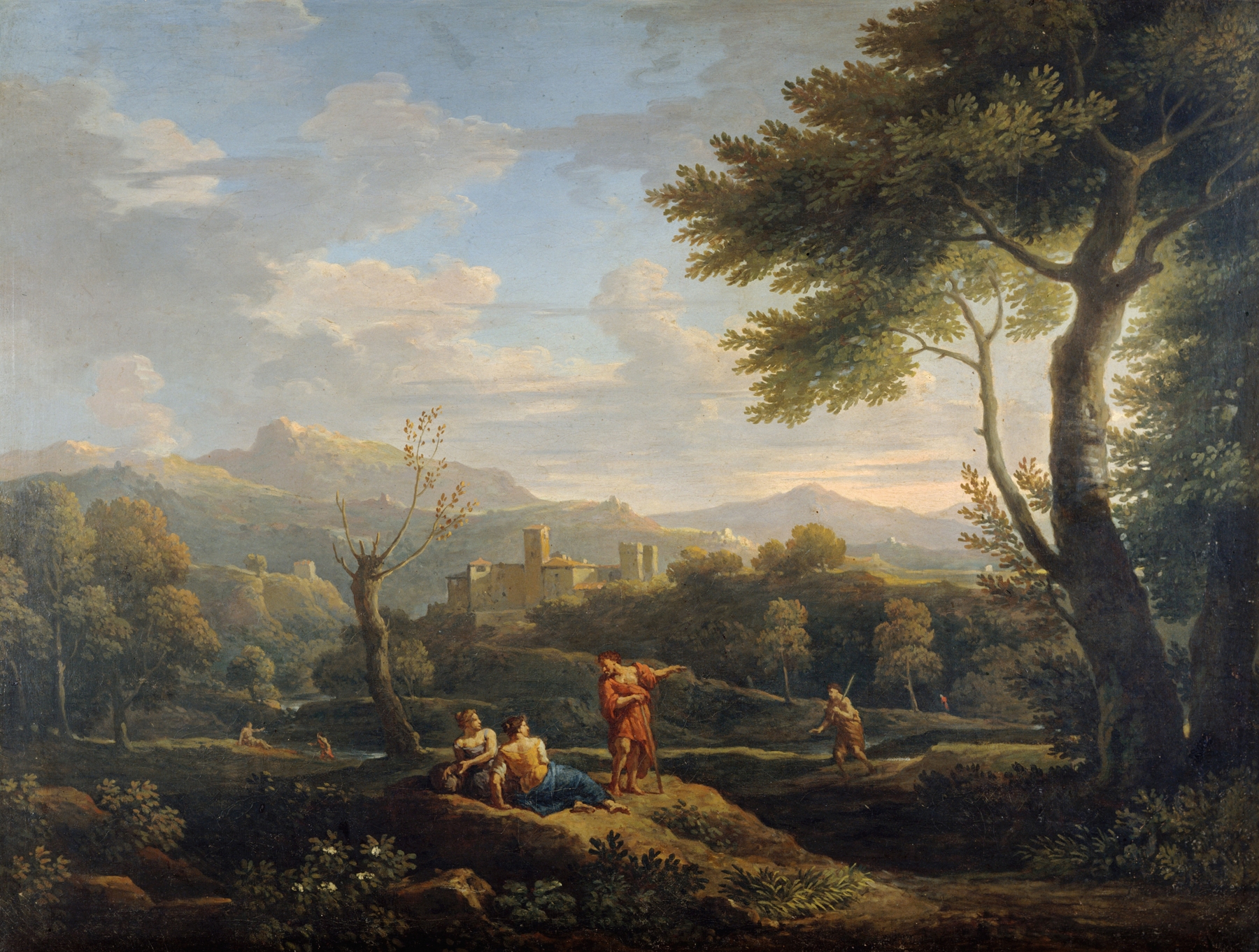
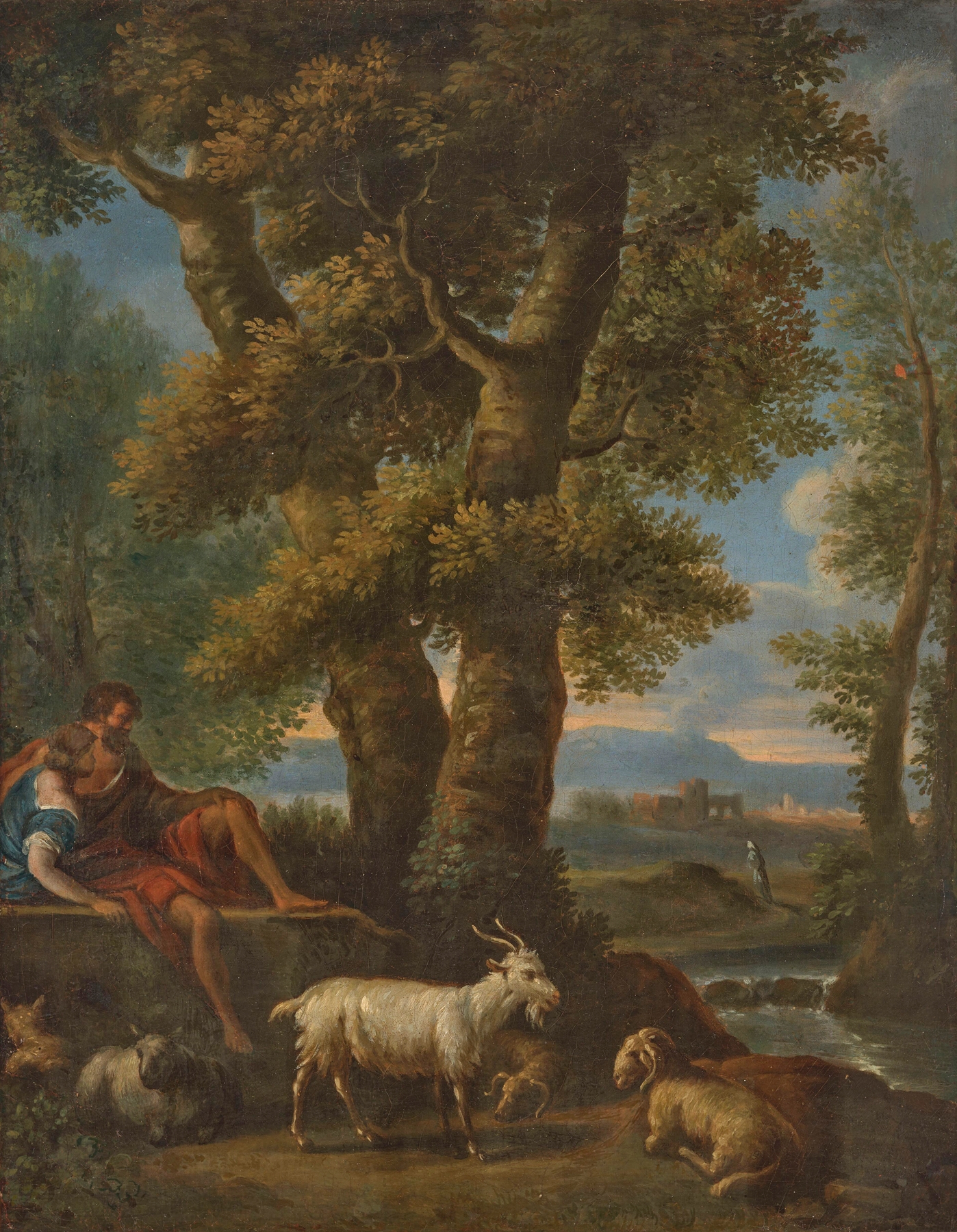
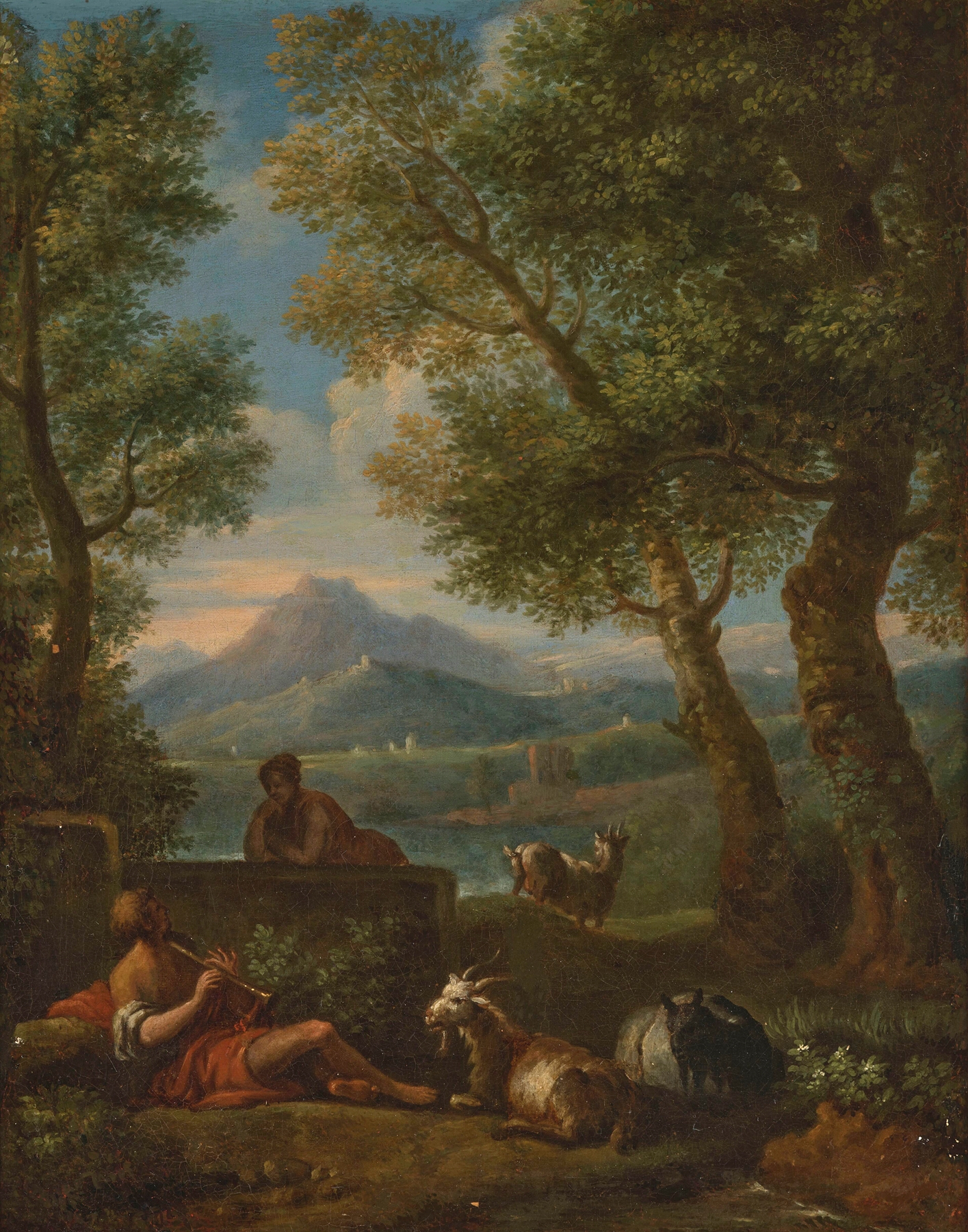
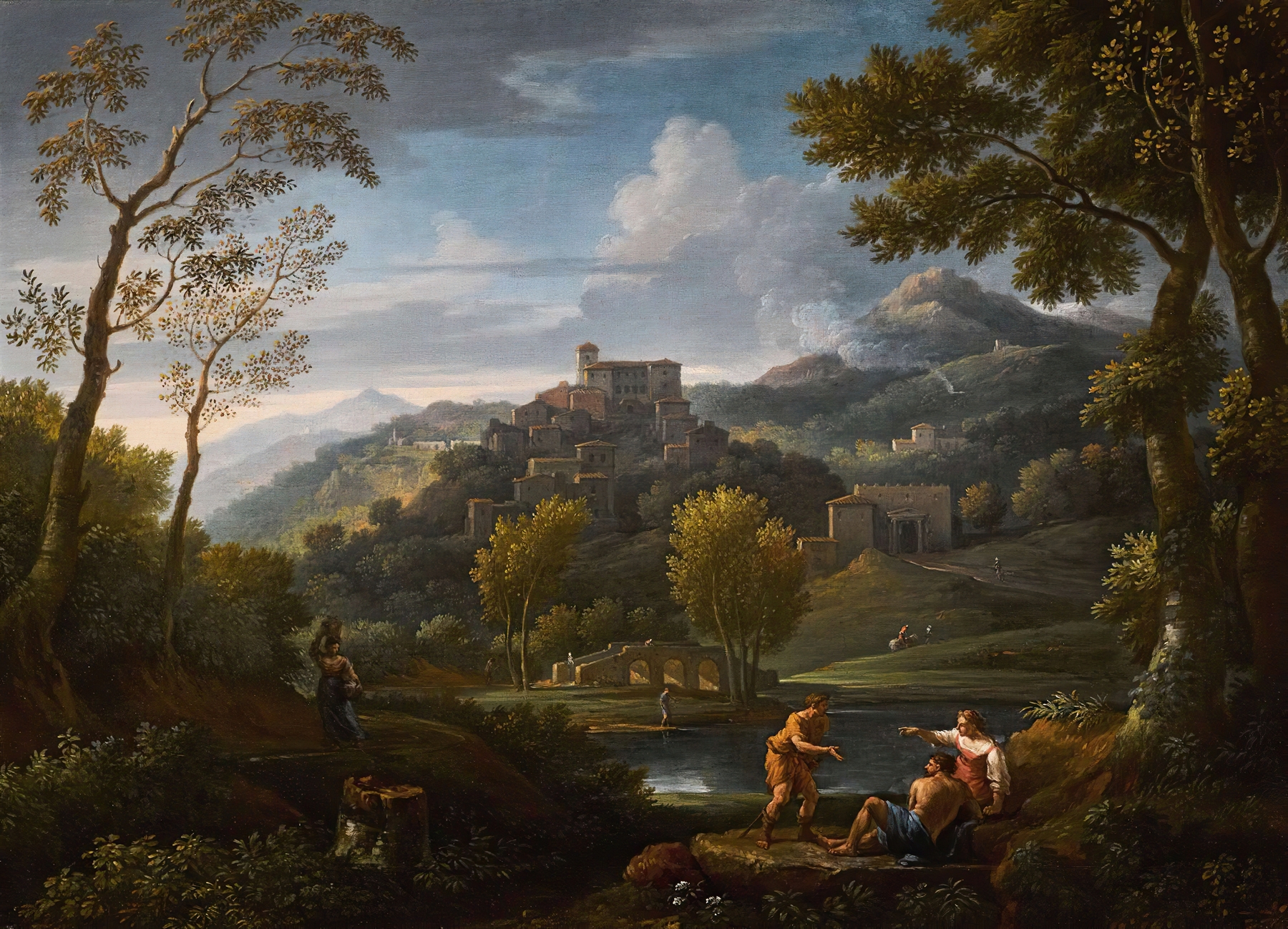
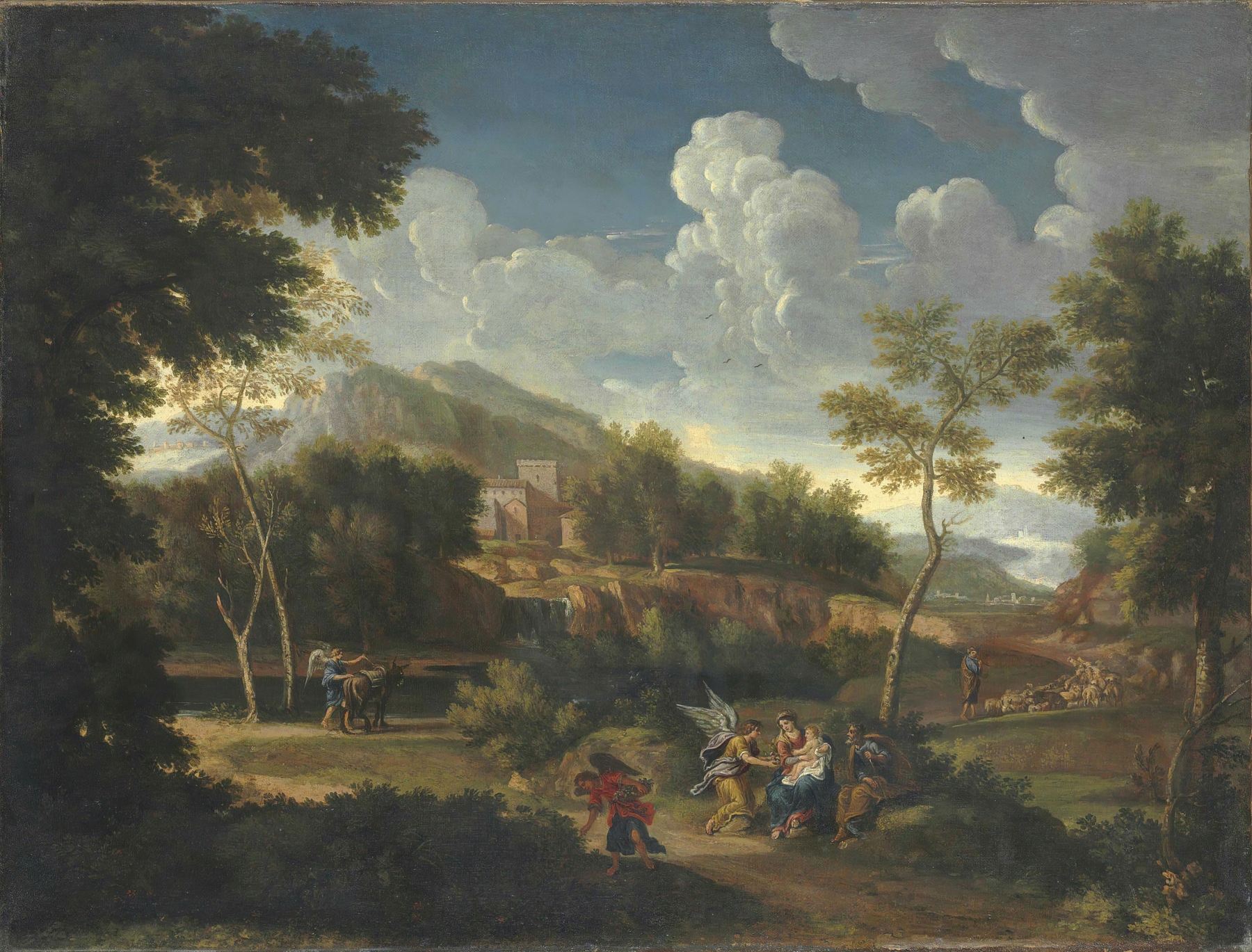
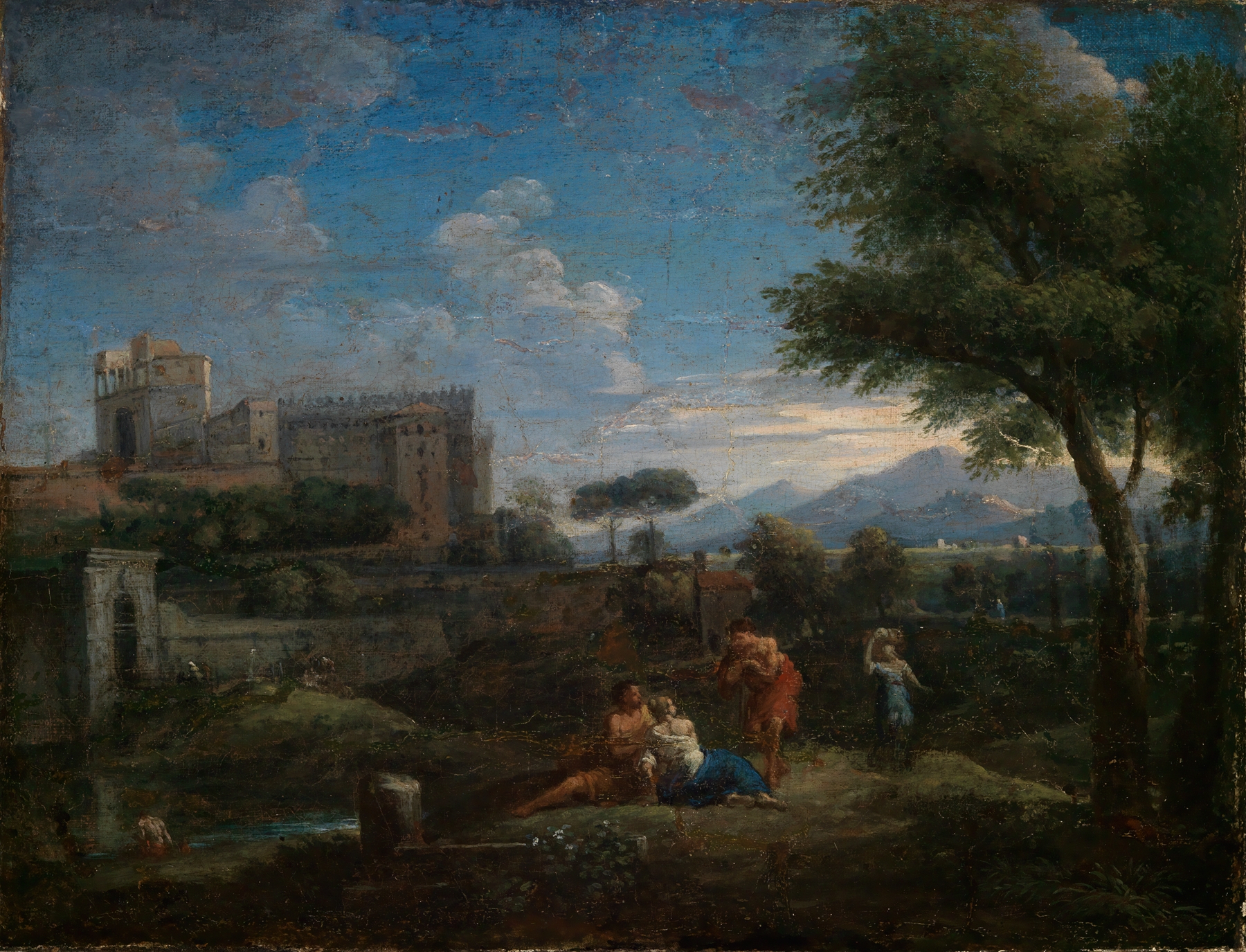
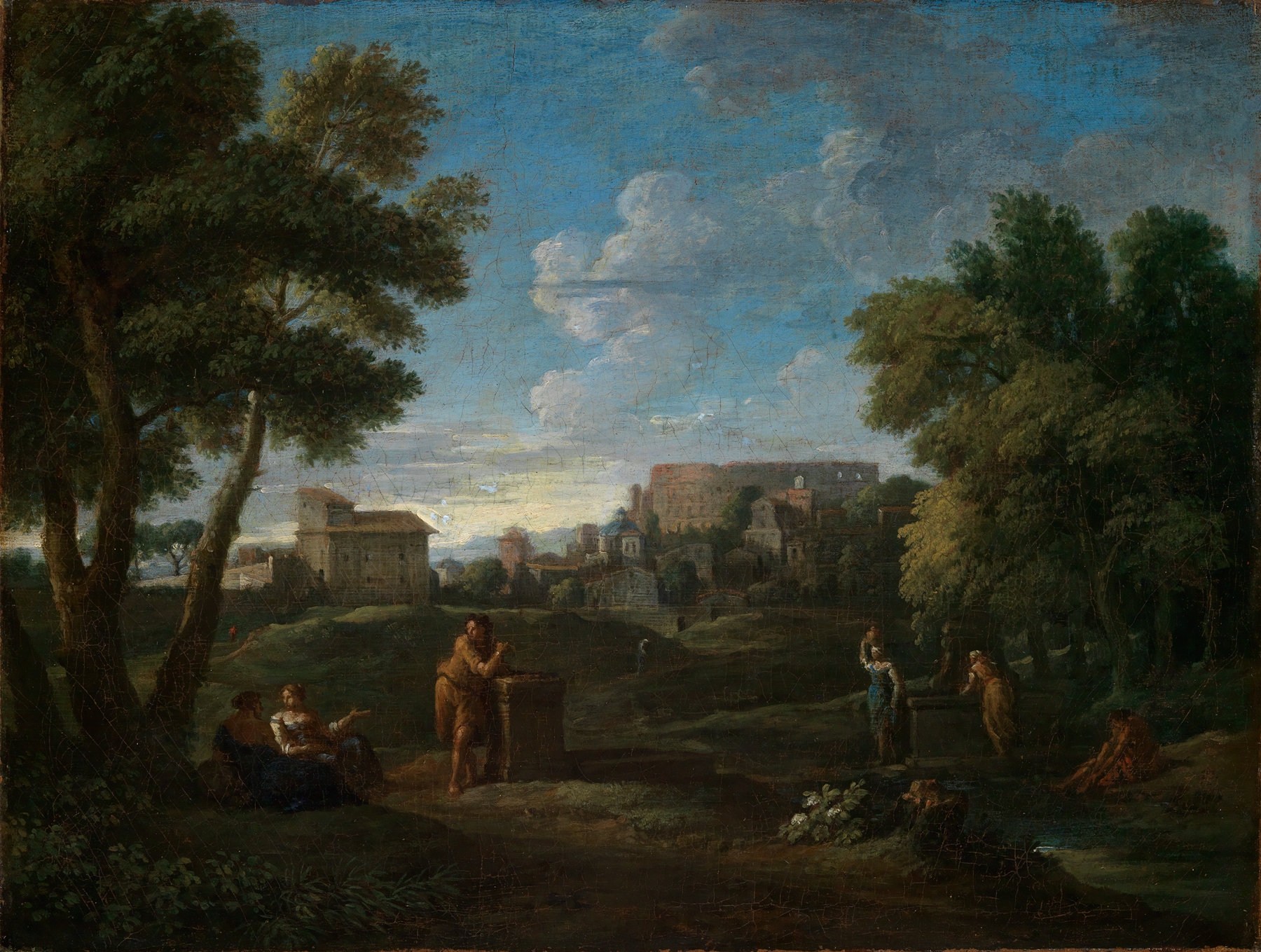
Did the painter know this moment would outlive them? In A capriccio of Tivoli with a waterfall and shepherds, divinity unfolds within the harmonious blend of nature and humanity, inviting contemplation on the eternal beauty of existence. Look to the left at the cascading waterfall, where the sunlight dances on the water's surface, creating a sparkling symphony of light. Then, shift your gaze towards the shepherds, who are portrayed with gentle gestures as they guide their flocks across the lush, idyllic landscape.
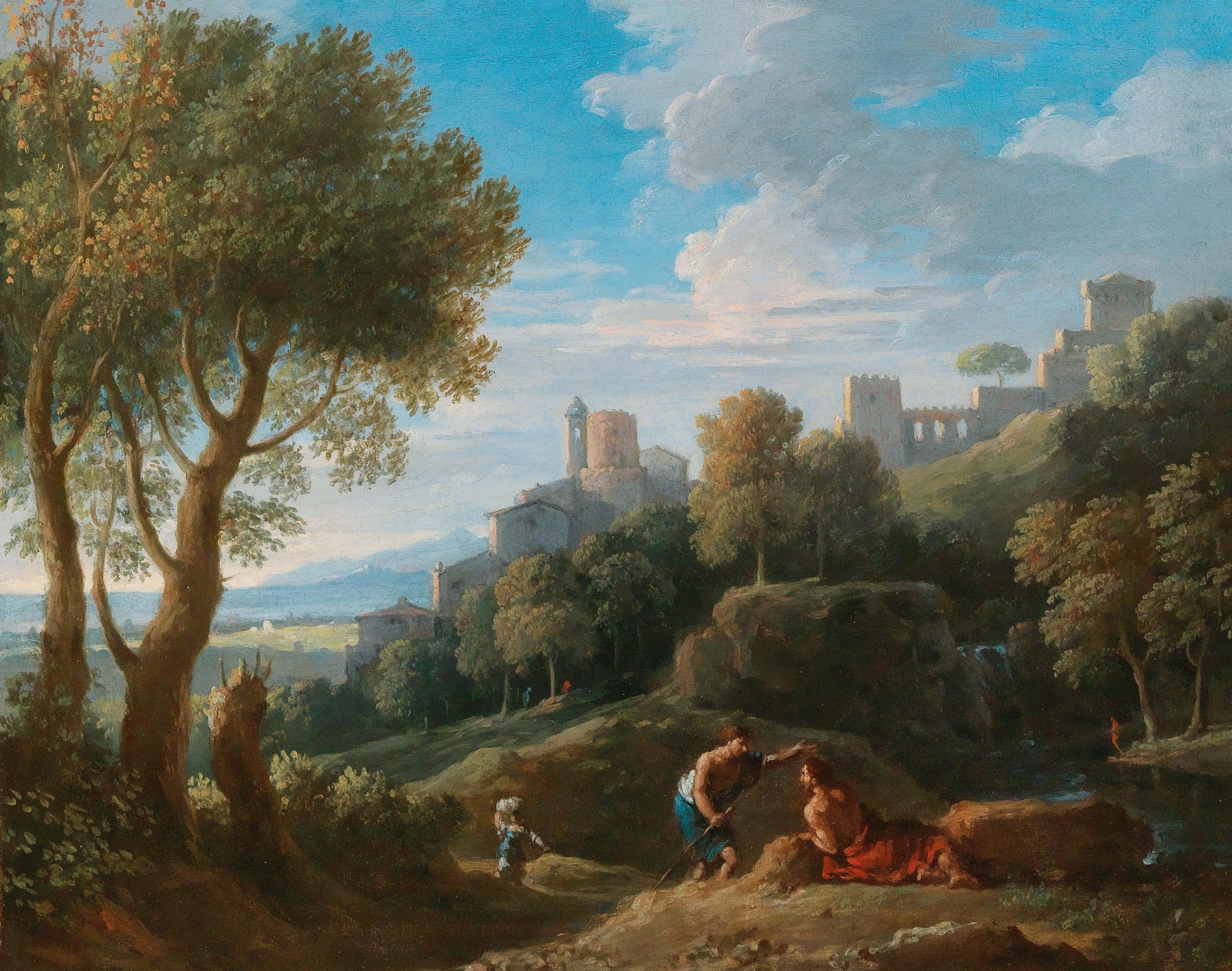
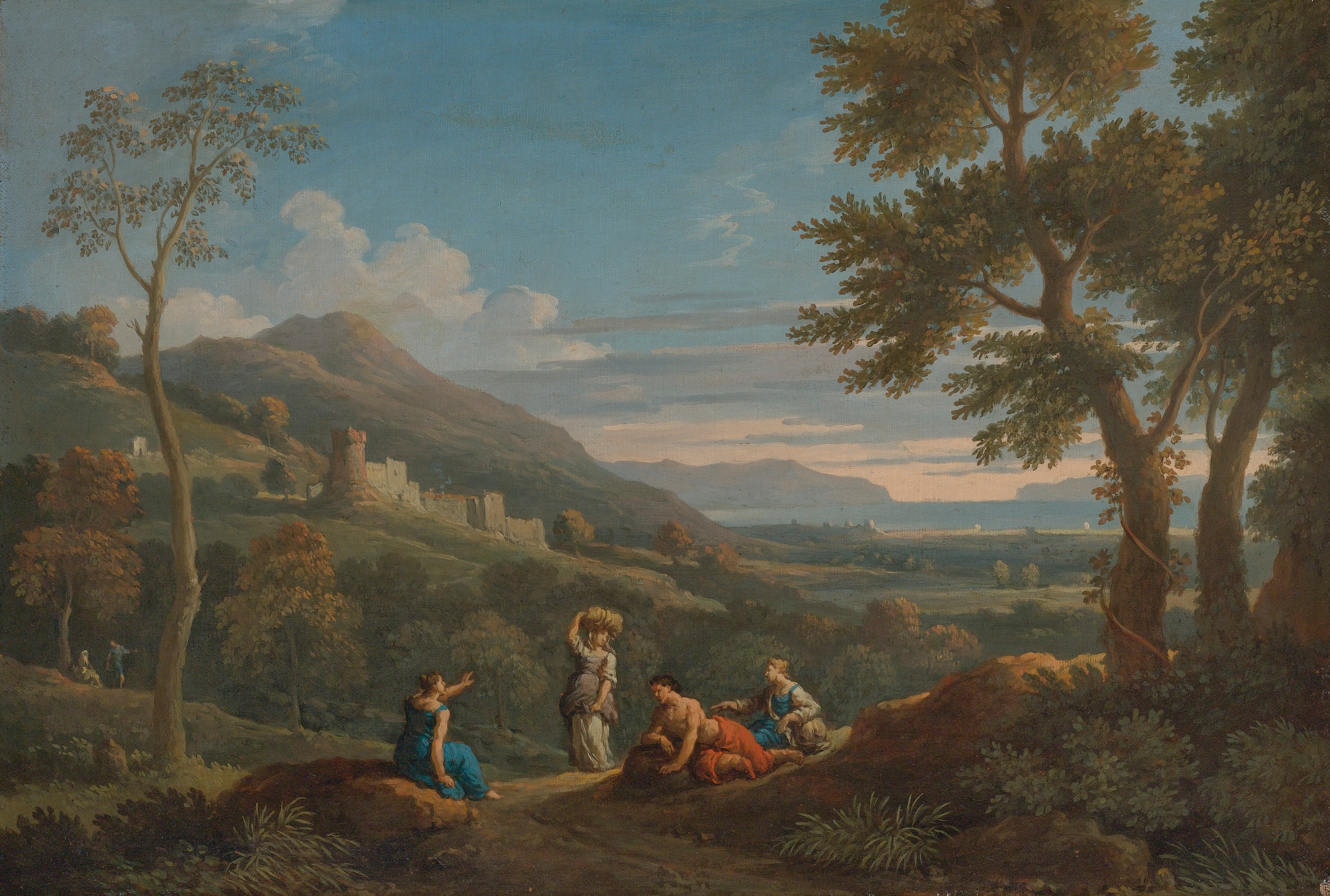
The soft greens and earthy browns of the terrain harmonize with the azure sky, while the carefully layered brushstrokes create depth and a sense of movement throughout the scene, drawing viewers into this pastoral paradise. Beneath the idyllic surface lies a dialogue between nature and the human experience. The shepherds, seemingly at peace, embody a simplicity that contrasts with the majestic force of the waterfall, symbolizing the balance between divine creation and earthly toil. The distant mountains loom, suggesting the vastness beyond human understanding, evoking a sense of humility and reverence for the natural world.
The interplay between light and shadow serves as a reminder of life's fleeting moments, eternally captured yet always in motion. Jan Frans Van Bloemen created this work during a period when the popularity of landscape painting was on the rise in the late 17th to early 18th centuries. Living in Italy, he was influenced by the local topography and the classical tradition of portraying nature. His art reflects both personal exploration and the broader currents of artistic evolution, marking him as a significant figure in the genre’s development.