A Cascade in the Mountains — History & Analysis
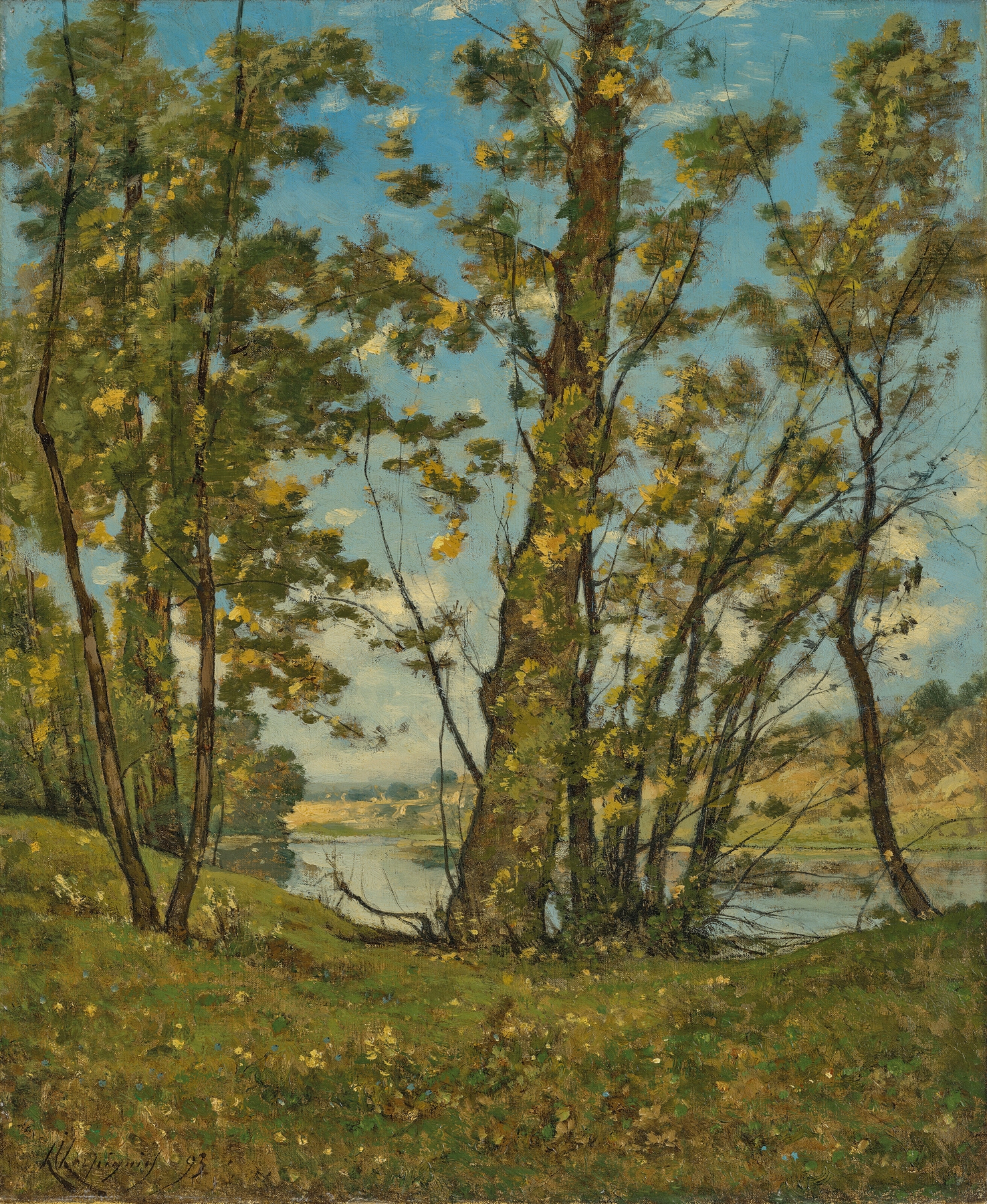
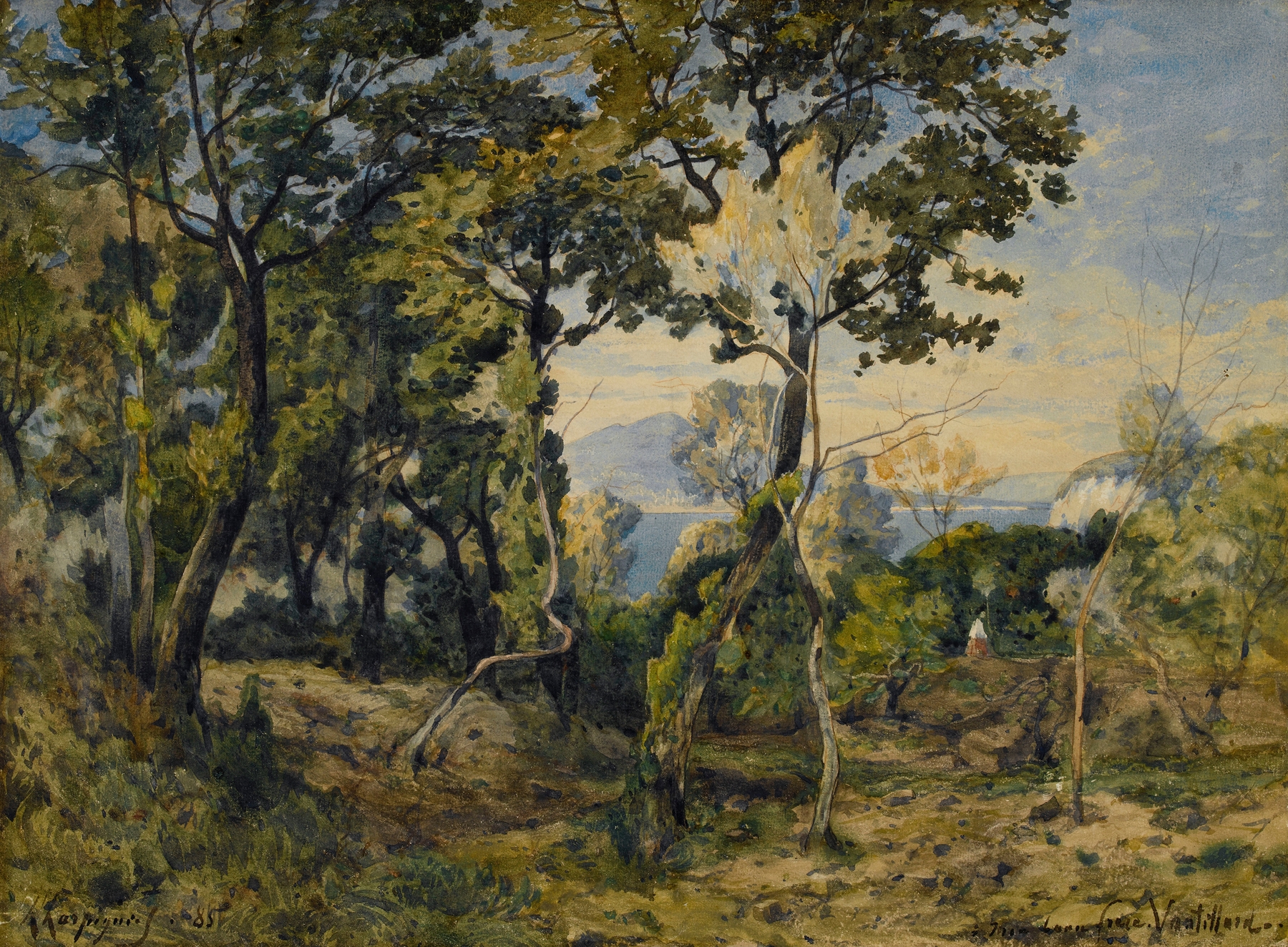
“Sometimes beauty is just pain, disguised in gold.” This haunting truth resonates through the layers of light and shadow in the artwork before you, inviting an exploration of both serenity and turmoil. Focus on the vibrant cascade that dominates the canvas; its lively water flows downward with a sense of unyielding motion, catching the sunlight in a glimmering embrace. Notice how the surrounding mountains rise majestically, their rugged forms contrasting sharply with the delicate, shimmering stream. The artist's masterful use of color—vivid greens and earthy browns interspersed with hints of golden sunlight—creates a tapestry that speaks to both the beauty and the formidable nature of the landscape.
Yet, amid this splendor lies a deeper tension. The interplay of light and shadow hints at the unseen forces at work; the bright areas symbolize hope and vitality, while the darker, enveloping shadows evoke a sense of foreboding. The lush foliage, rich and inviting, masks the rocky undercurrents that suggest a struggle, a reminder that nature's allure often carries an undercurrent of danger and unpredictability. Thus, the artwork becomes a visual metaphor for life itself—an exploration of beauty intertwined with hardship.
In the 1870s, when this piece was created, Harpignies found himself immersed in the burgeoning Impressionist movement, which was redefining how artists captured landscapes. Working primarily in France, he celebrated the interplay of light and atmosphere, reflecting the era's growing fascination with nature. As he painted A Cascade in the Mountains, he was influenced by both the picturesque ideals of the past and the dynamic, shifting realities of modern life, serving as a bridge between tradition and innovation in the art world.