A Dance to the Music of Time — History & Analysis
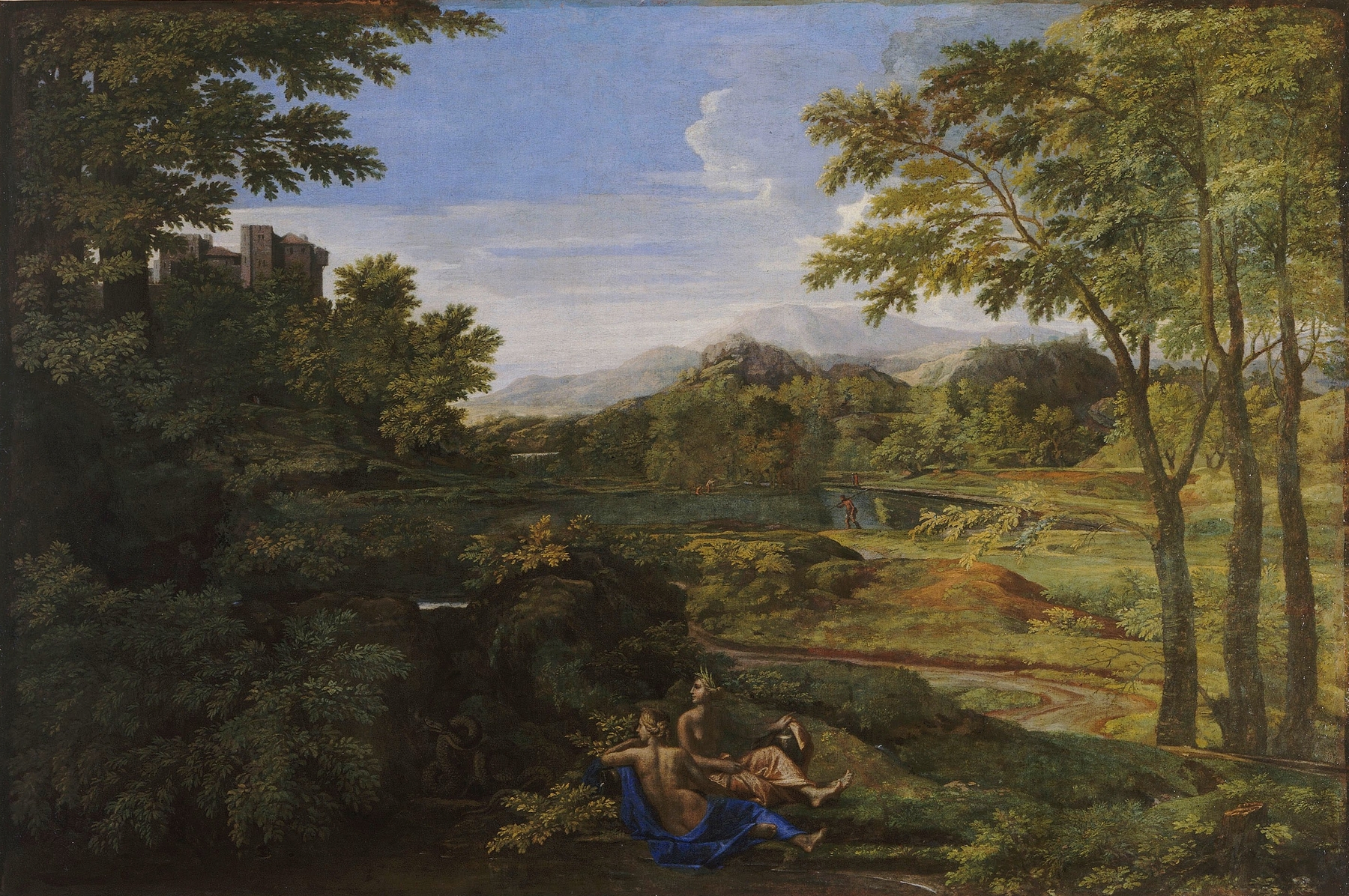
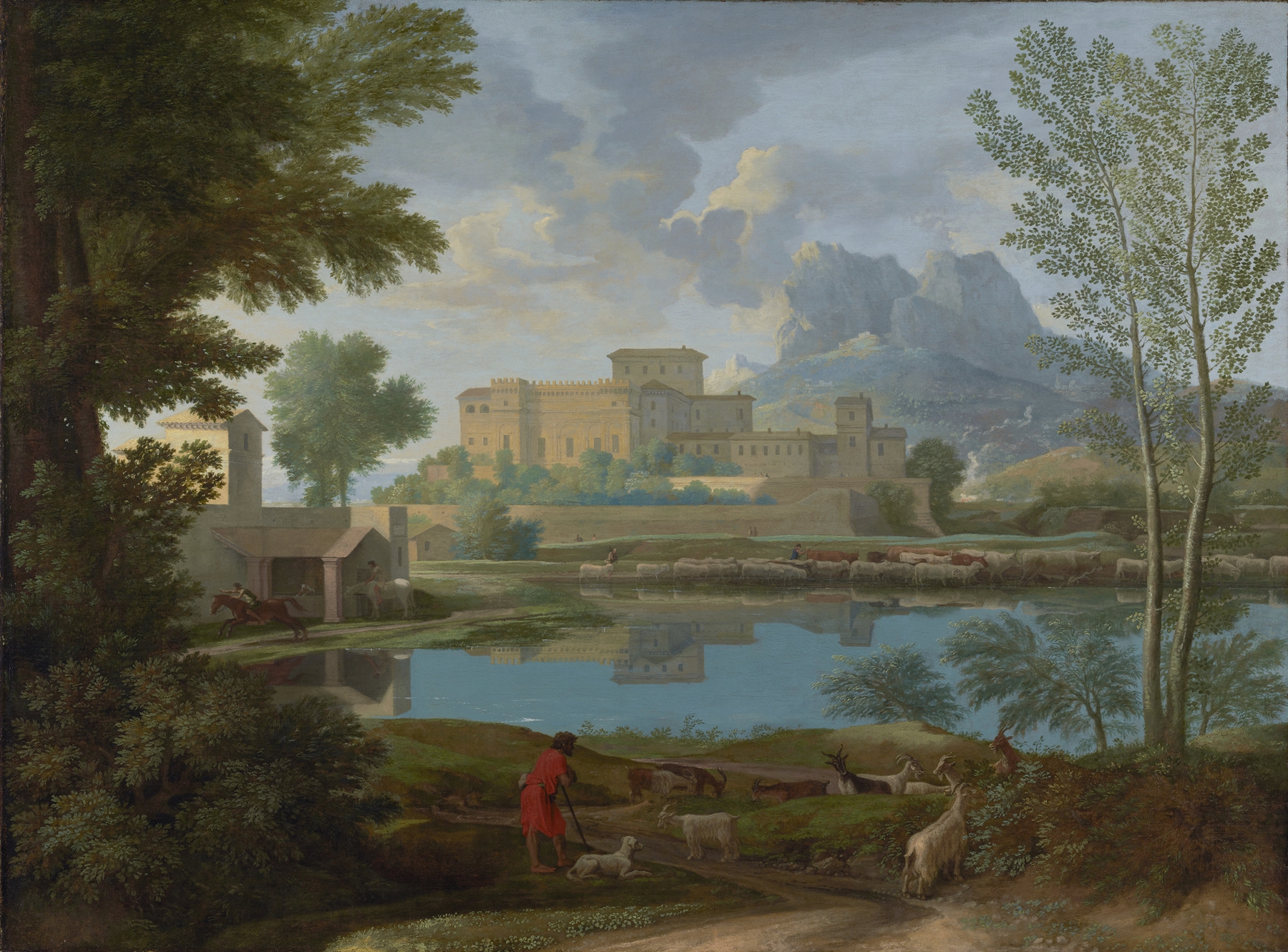
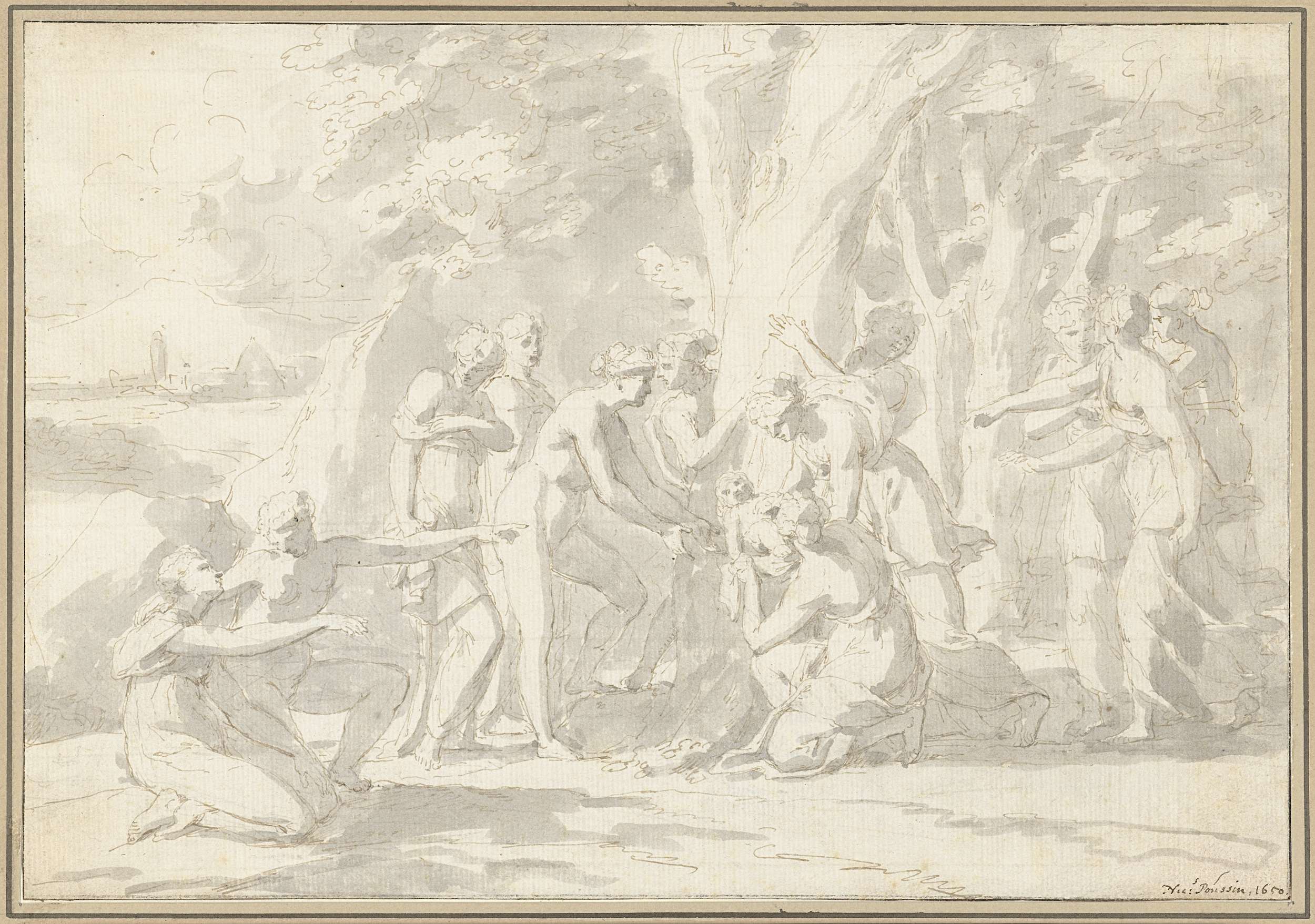
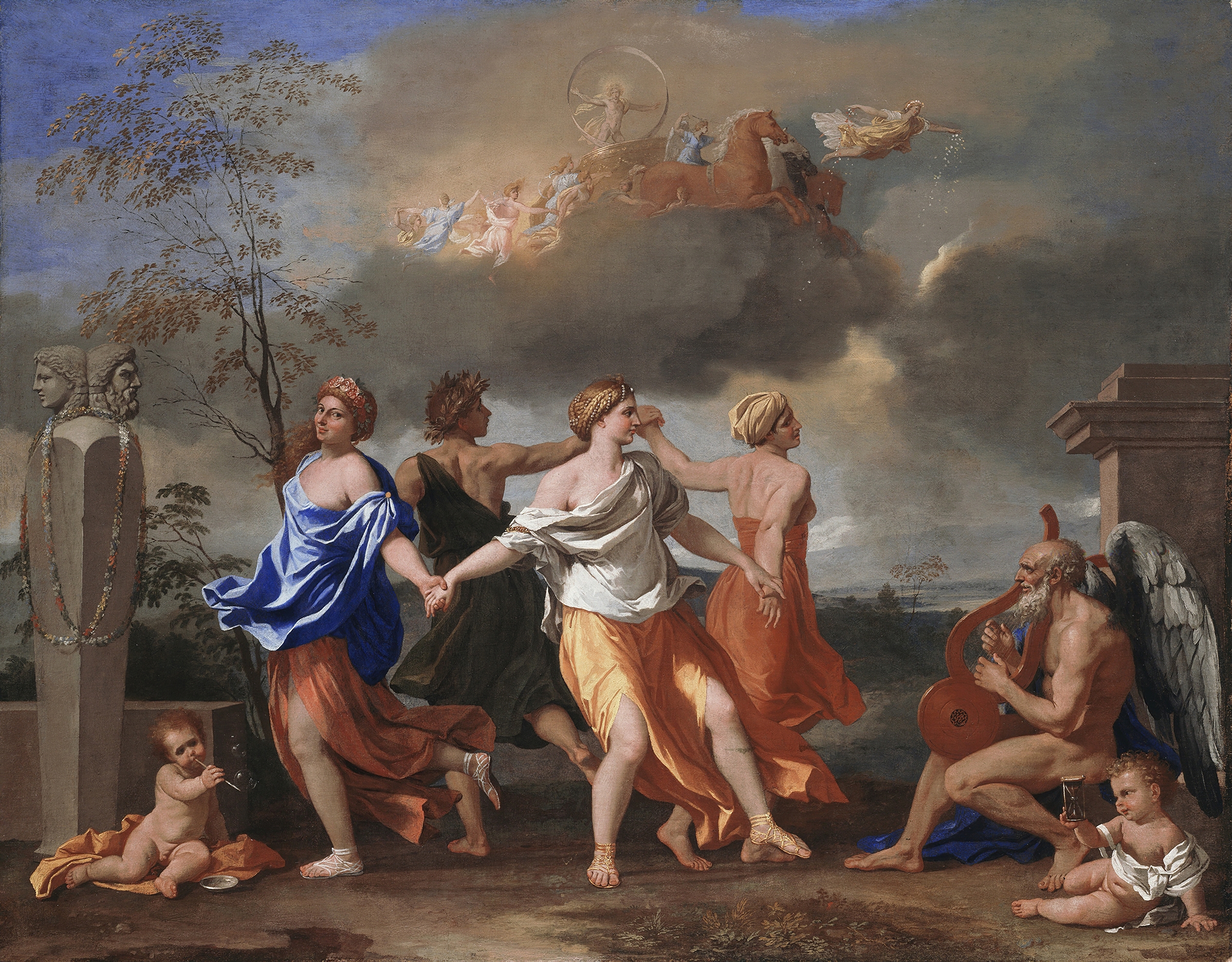
“Sometimes beauty is just pain, disguised in gold.” The intricate layers of life and time intertwine in ways we often overlook, beckoning us to explore the deeper narratives beneath the surface. In A Dance to the Music of Time, the viewer is invited to ponder the cyclical nature of existence and the interplay between joy and sorrow. Look to the center of the composition, where four figures engage in a spirited dance, their bodies spiraling harmoniously amidst an ethereal backdrop. The warm hues of ochre and gold contrast vibrantly against the cooler blues and greens, evoking a sense of warmth and vitality.
Notice how the rhythmic curves of their limbs echo the circular motion of time, creating an optical flow that draws the eye inward. Poussin’s masterful use of chiaroscuro enhances the dramatic interplay of light, highlighting each figure’s expression—gleeful yet tinged with an undercurrent of melancholy. As you delve deeper, consider the allegorical implications of the characters: Time, represented as a celestial figure, both grants freedom and enforces limitations. The joyous dance appears to symbolize rebirth, yet it is framed by an awareness of life's impermanence.
The contrasting emotions in the dancers’ faces—some exuding exuberance while others hint at resignation—reveal the complexity of human experience, where beauty and grief coexist in a delicate embrace. Nicolas Poussin created this work between 1634 and 1636 in France, a pivotal era in the Baroque period marked by a burgeoning interest in classical themes and order. During this time, he sought to elevate painting to philosophical heights, exploring timeless themes that resonate with the human condition. This painting reflects his commitment to the synthesis of rationality and emotion, showcasing how art can capture the essence of life's fleeting moments.