Studie voor de wijding der Apostelen — History & Analysis
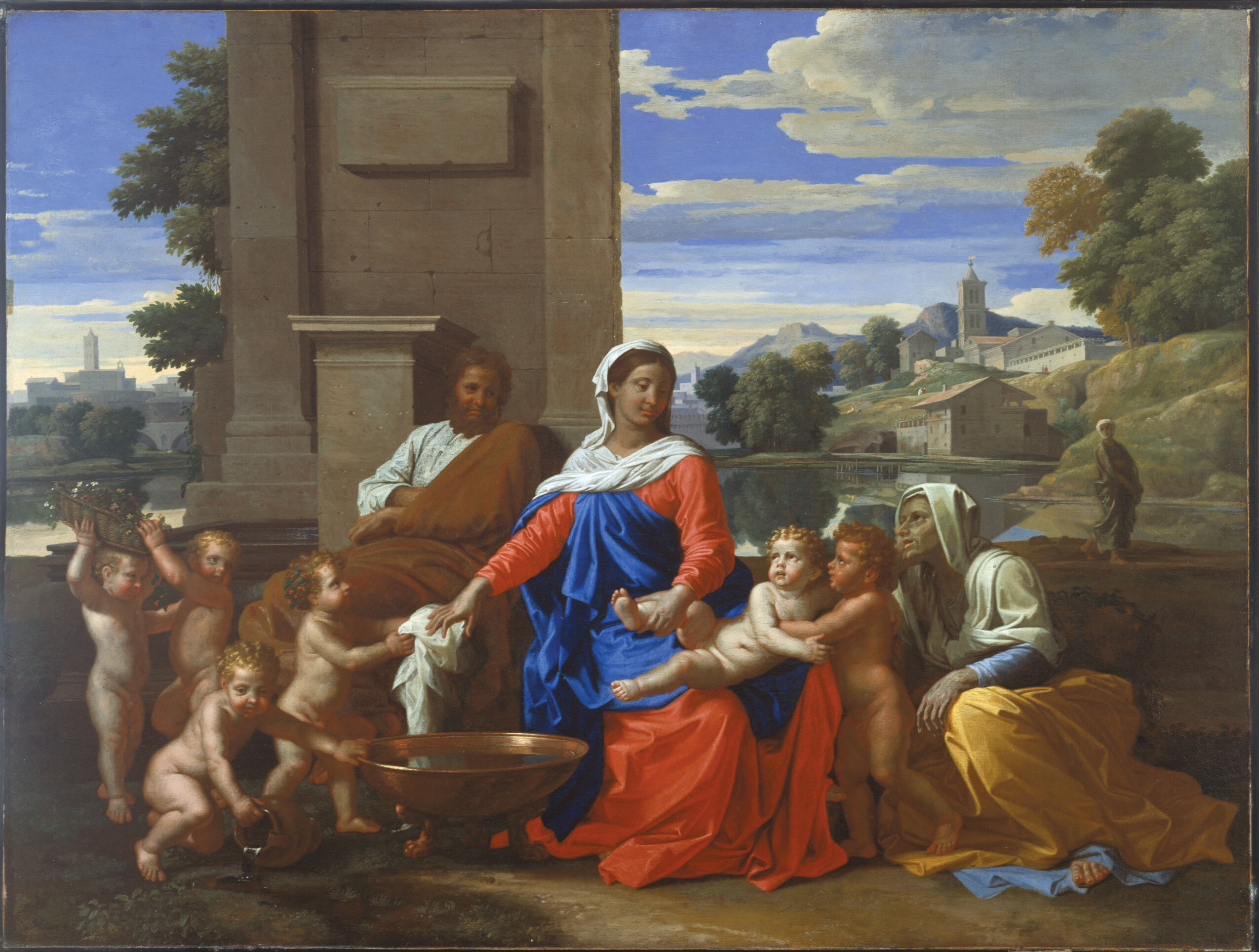
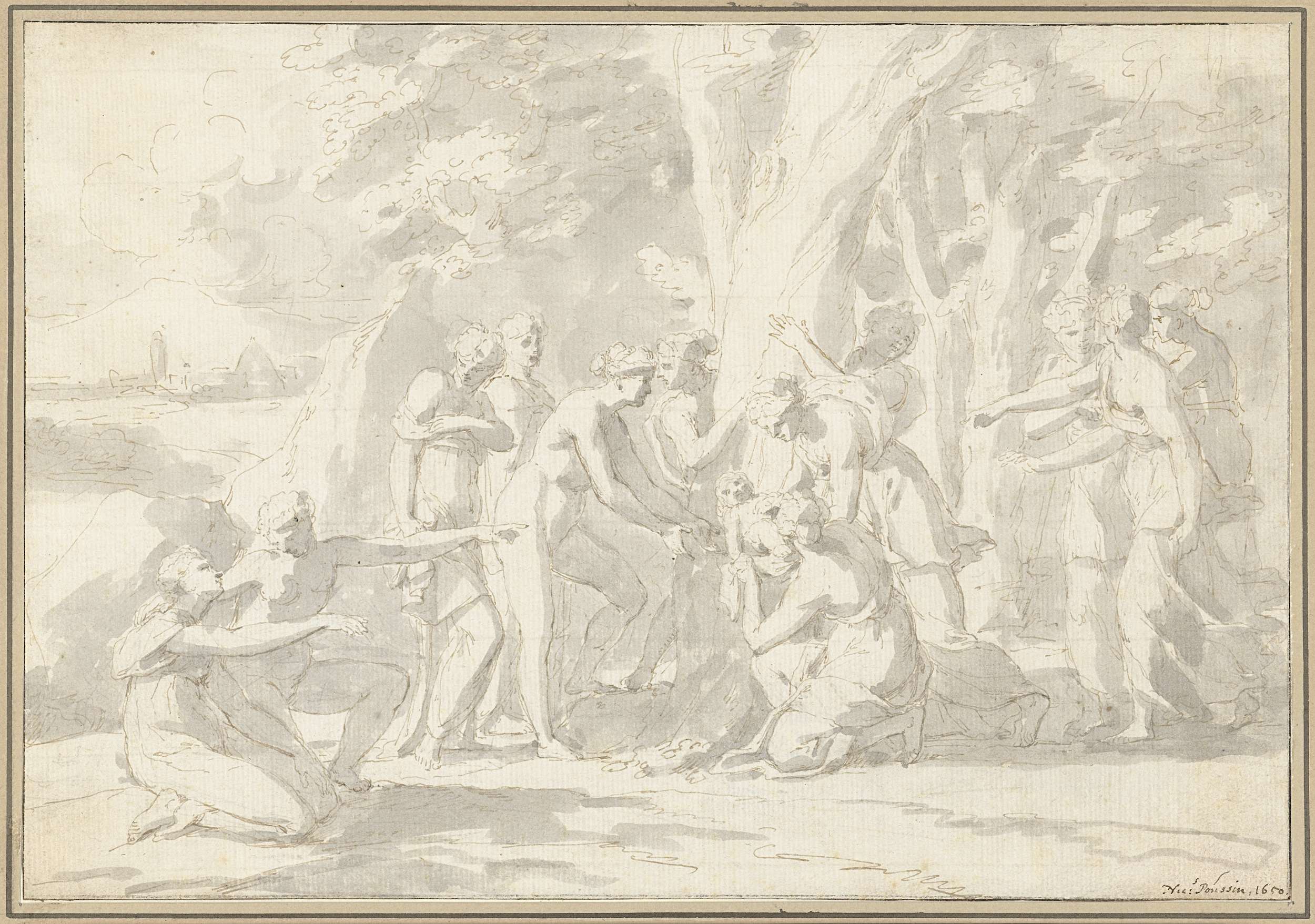
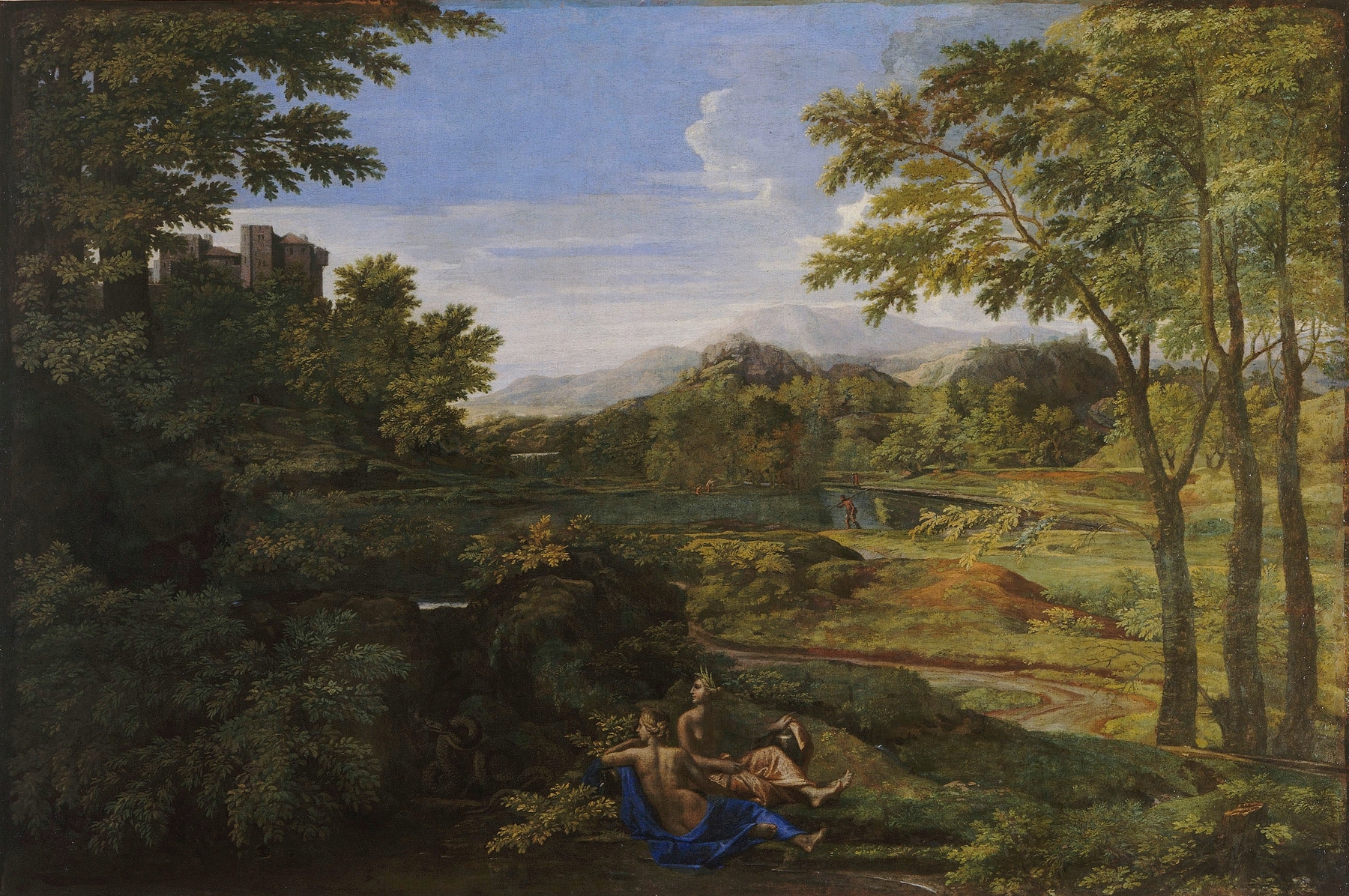
“Between color and silence, truth hides.” As if fragmented by the very essence of sacred conversation, the depth of meaning in this work stretches beyond its surface. Look closely at the harmonious arrangement of figures in Studie voor de wijding der Apostelen. The eye is immediately drawn to the central group, where the Apostles kneel in reverence, their somber expressions illuminated by soft, golden light. The rich, earthy tones contrast sharply with the ethereal glow that envelops them, suggesting a divine presence. Notice how Poussin meticulously details the drapery of their garments, each fold and crease seeming to echo the weight of their calling.
This careful attention captures not only the physical but also the emotional gravity of the moment. A deeper exploration reveals the tension between the figures’ stillness and the palpable anxiety of impending transformation. Each Apostle bears a unique expression, hinting at a spectrum of doubt, faith, and devotion. The background, painted with looser strokes, evokes a sense of the unknown—the world beyond their immediate sight.
In this juxtaposition, Poussin captures the duality of the human experience: the struggle between certainty and uncertainty as one grapples with a profound truth. During the years of 1642 to 1644, Poussin painted this work while in Rome, a city brimming with artistic innovation and classical revival. The artist was immersed in the study of ancient texts and philosophies, seeking to distill complex narratives into striking visual forms. In a period marked by religious turmoil and the evolving understanding of art’s role, he endeavored to elevate the emotional and intellectual engagement of the viewer through his masterful compositions.