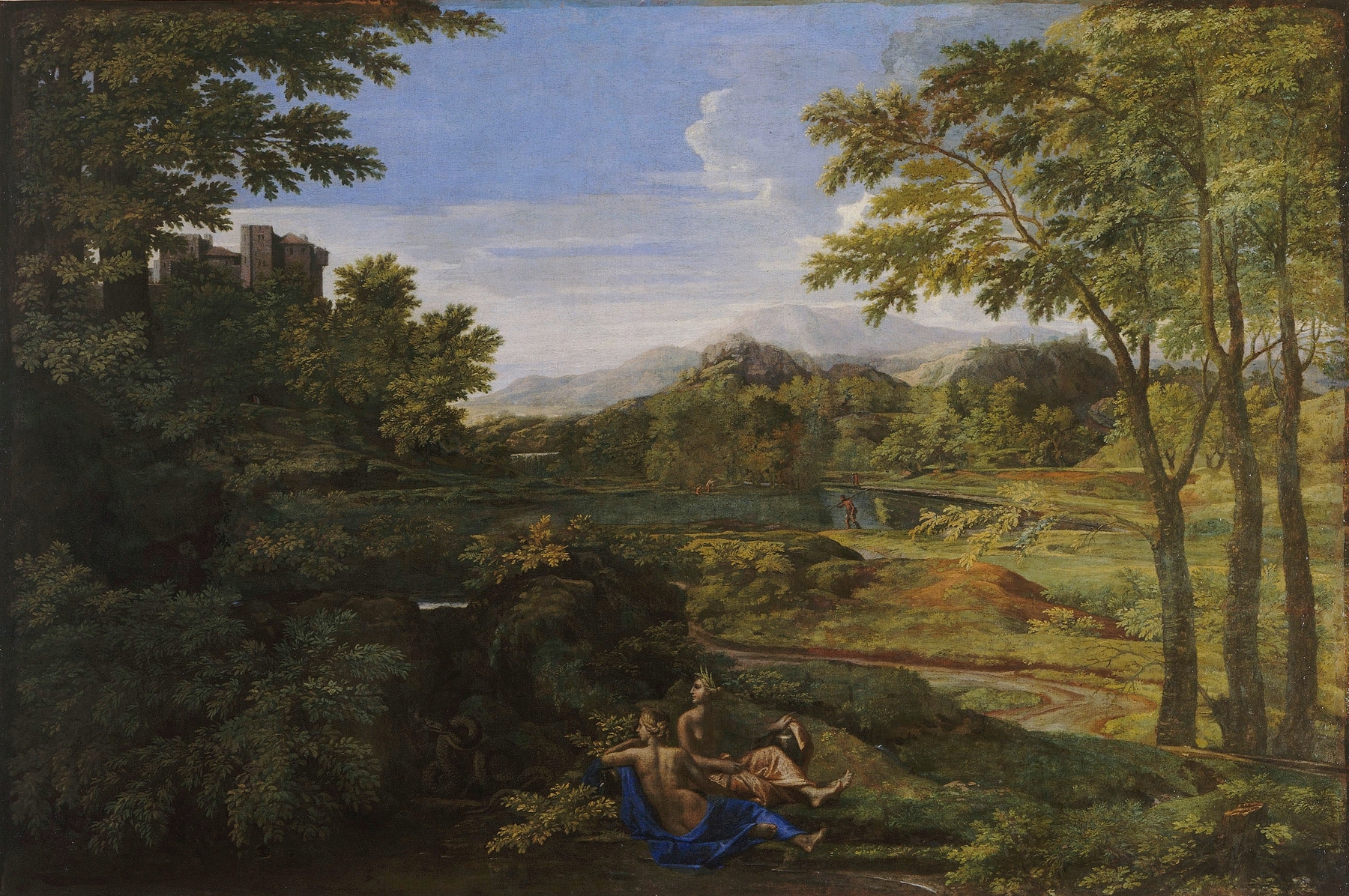
Landscape with a Calm — History & Analysis
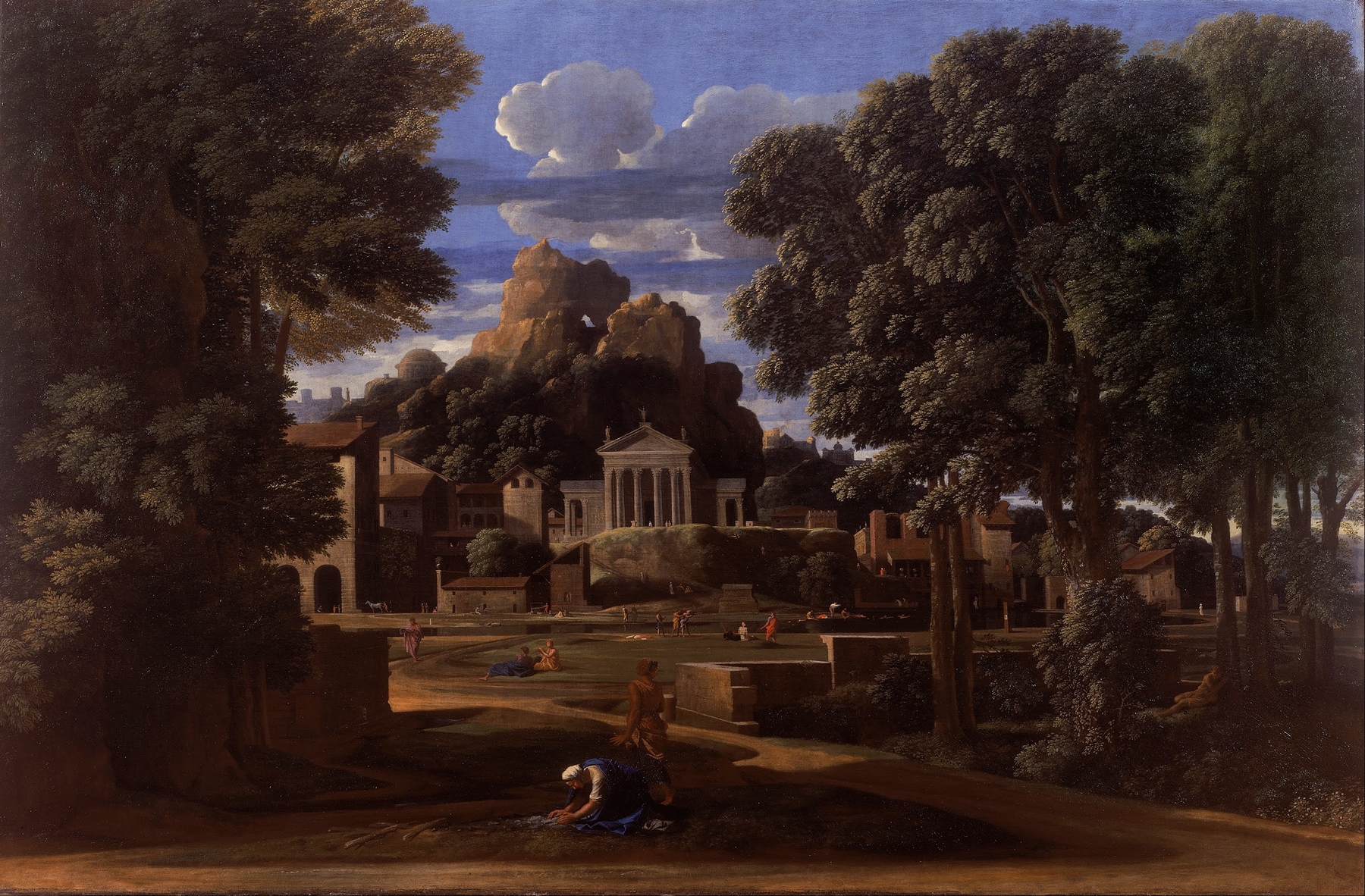
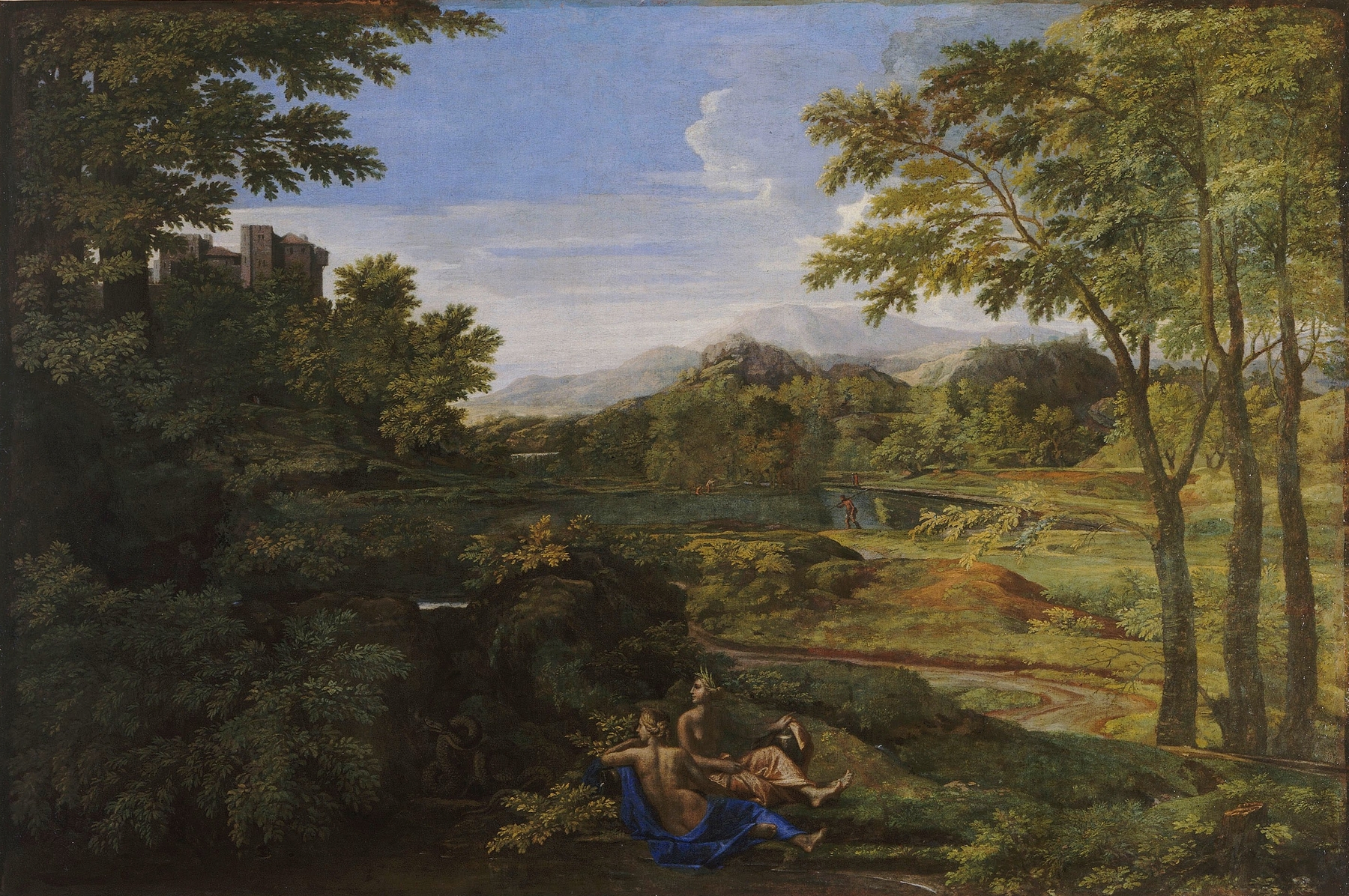
When did color learn to lie? In Landscape with a Calm, the hues whisper of serenity, yet beneath their beauty lies an undercurrent of melancholy that invites contemplation. Look to the horizon where soft blues and muted greens blend seamlessly, creating a tranquil seascape. Notice how the gentle curves of the land cradle the water, while the delicate brushstrokes evoke a sense of quietude. The light filters down, illuminating patches of grass and reflecting off the water’s surface, where the subtle ripples betray a restless spirit.
This duality is masterfully captured, drawing the viewer into a moment that feels both peaceful and achingly profound. Delve deeper into the composition, and you’ll find the tension between the idyllic setting and the faint sense of solitude it conveys. The distant ships, appearing almost ghostly in their stillness, hint at journeys never taken or hopes lost at sea. The interplay of light and shadow reveals an unseen struggle, as if the landscape itself holds secrets too heavy to share.
Each element, from the darkening sky to the placid waters, speaks of tranquility masking an inherent sadness. Poussin painted this work during a pivotal time in the 17th century, a period marked by a shift towards the classical ideals of beauty and harmony in art. As he explored themes of nature and human emotion, the artist was living in Rome, influenced by the vibrant interplay of light and landscape that surrounded him. Despite the calm they depict, his paintings often reflect the philosophical inquiries of his time, blending the natural world with the complexities of human experience.