The Holy Family with the Infant Saint John the Baptist and Saint Elizabeth — History & Analysis
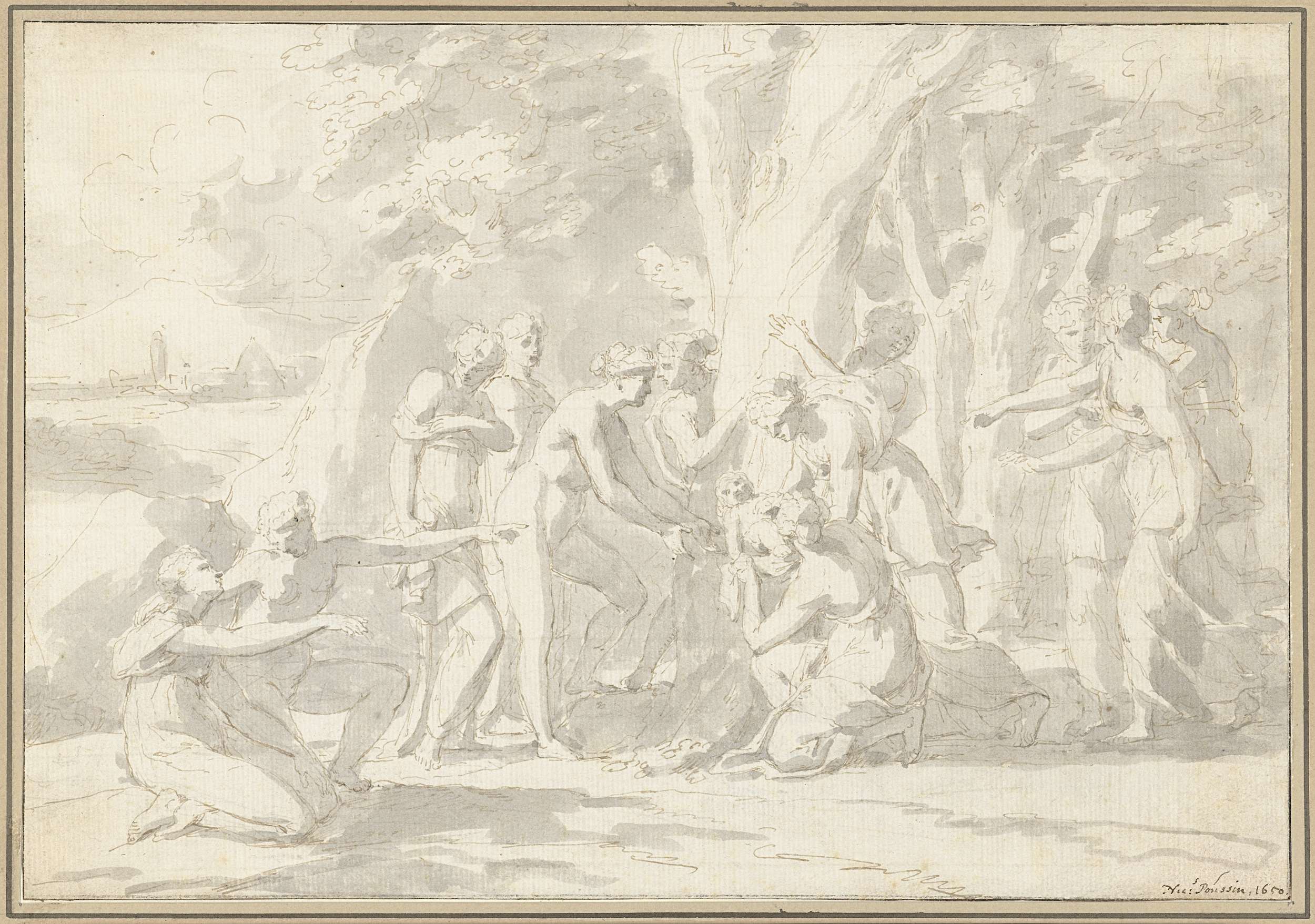
Could a single brushstroke hold eternity? In The Holy Family with the Infant Saint John the Baptist and Saint Elizabeth, Nicolas Poussin beckons us into a sacred moment, blending the divine with the intimate through meticulous craftsmanship. Look to the serene figures at the center, where the Holy Family is tenderly positioned. The way light falls upon Mary and the Christ child casts a soft halo around their forms, emphasizing both their reverence and humanity.
Notice the delicate drapery of their garments, rich in color yet harmoniously muted—earthy tones that ground the heavenly scene. The balance of composition, with the vibrant yet gentle gestures of Elizabeth cradling the infant John, invites the viewer into this intimate embrace of love and sanctity. Consider the emotional tension at play: the connection between the mothers and their children is palpable, yet it is the impending future of these figures that looms silently in the background. The juxtaposition of innocence and destiny is profound; the viewer can sense the weight of expectation in the air.
Each detail, from the soft expressions to the lush landscape surrounding them, underscores the transcendent bond that exists between the divine and the ordinary. Poussin painted this work in 1650 during a period of personal reflection and artistic maturity while residing in Rome. The artist was deeply engaged with the themes of classicism and spirituality, as the art world began to shift toward baroque dynamism. This painting encapsulates his exploration of both narrative clarity and emotional depth, marking a significant point in his career as he sought to merge the sacred with the everyday experience.