Landscape with Saint John on Patmos — History & Analysis
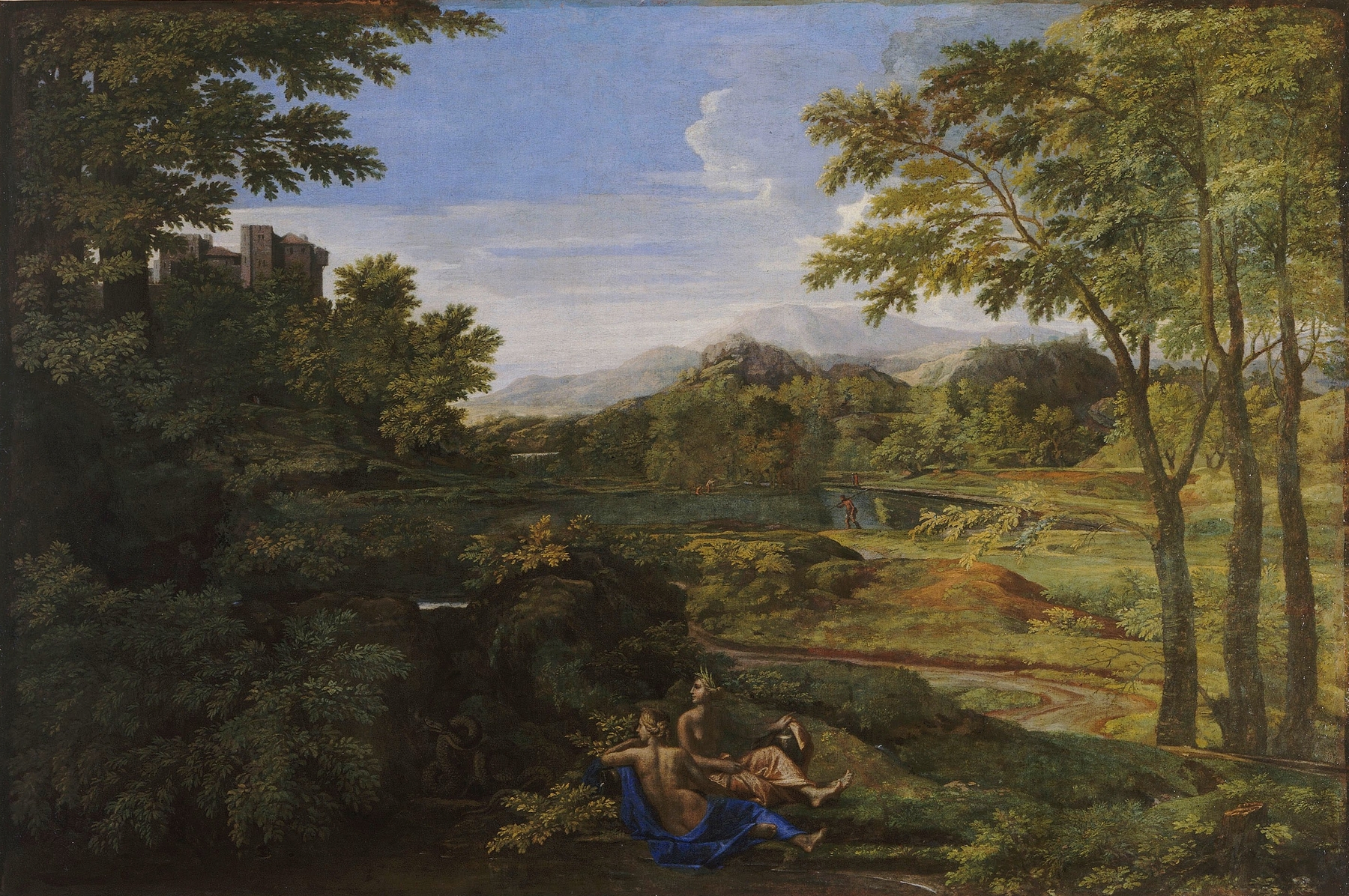
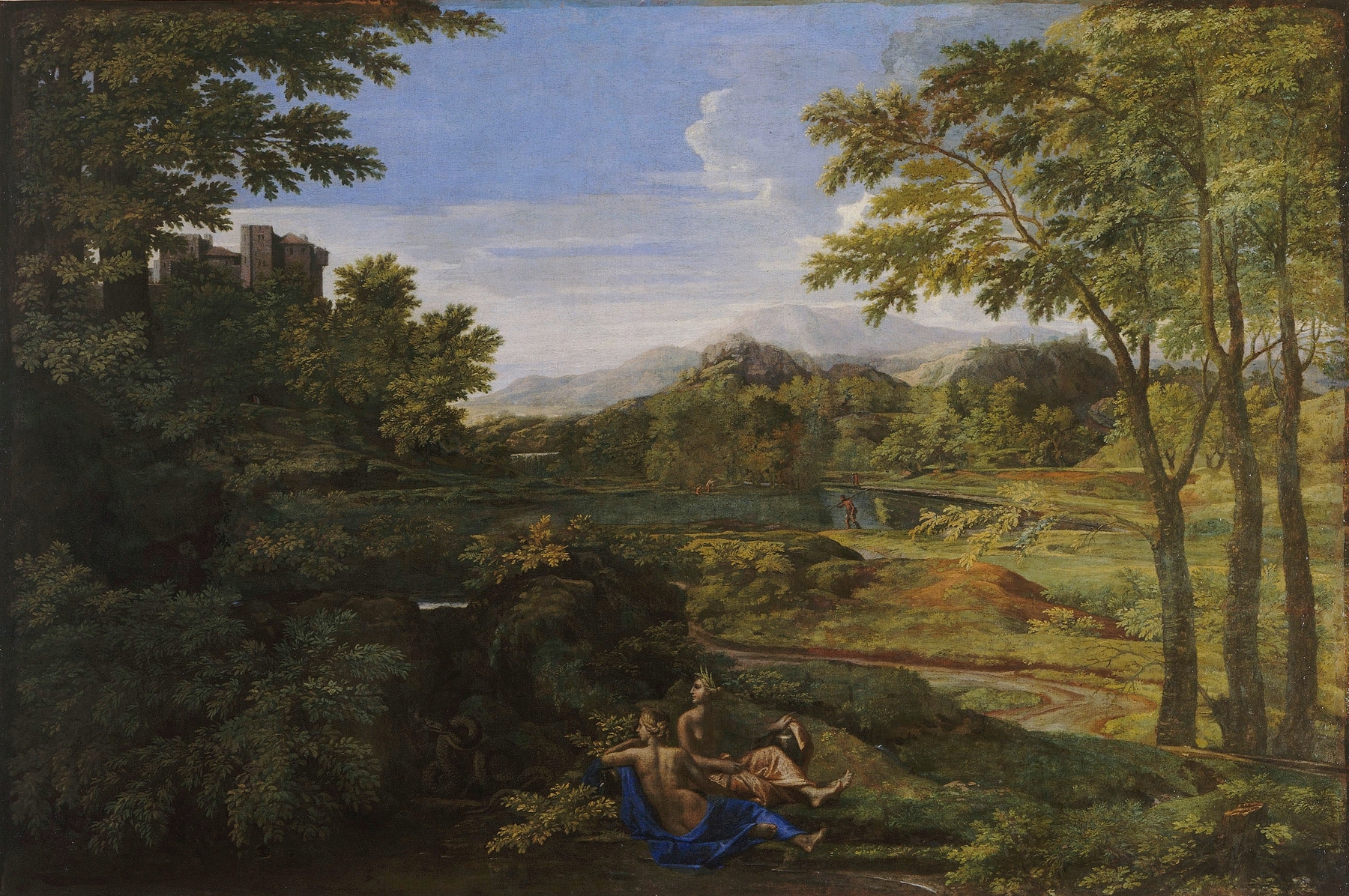
Did the painter know this moment would outlive them? In Landscape with Saint John on Patmos, Poussin captures a world where time stands still, offering viewers a glimpse into an everlasting solitude that echoes with a profound yearning. Look to the left at the serene figure of Saint John, draped in muted robes, gazing thoughtfully towards the horizon. His pose—an elegant blend of contemplation and vulnerability—draws the eye in, while the gentle curves of the landscape cradle him in a lush embrace. Notice how the soft, golden light bathes the scene, illuminating the delicate foliage and the distant mountains, creating a harmonious balance between divine revelation and earthly beauty.
The juxtaposition of cool greens and warm ochres further enhances the emotional resonance of the moment, as if nature itself is participating in John's introspection. Delve deeper, and you’ll find layers of complexity beneath the tranquil façade. The distant ship on the water suggests the arrival of news or the passage of time, evoking a sense of longing for connection. Meanwhile, the expansive sky, filled with billowing clouds, hints at a celestial presence, echoing the spiritual themes associated with the Saint’s isolation.
The composition expertly reflects the tension between the physical and metaphysical realms, inviting viewers to ponder their own place within this eternal dialogue. In 1640, Poussin painted this work in Rome, during a period when the Baroque style was beginning to dominate the art world. His choice to focus on classical themes and serene landscapes was a deliberate contrast to the dynamic compositions favored by his contemporaries. Amidst the political upheaval in France and the art movement's shift towards emotional intensity, Poussin remained steadfast in his pursuit of clarity and reason, seeking to convey a sense of timelessness through his art.