The Infant Bacchus Entrusted to the Nymphs of Nysa; The Death of Echo and Narcissus — History & Analysis
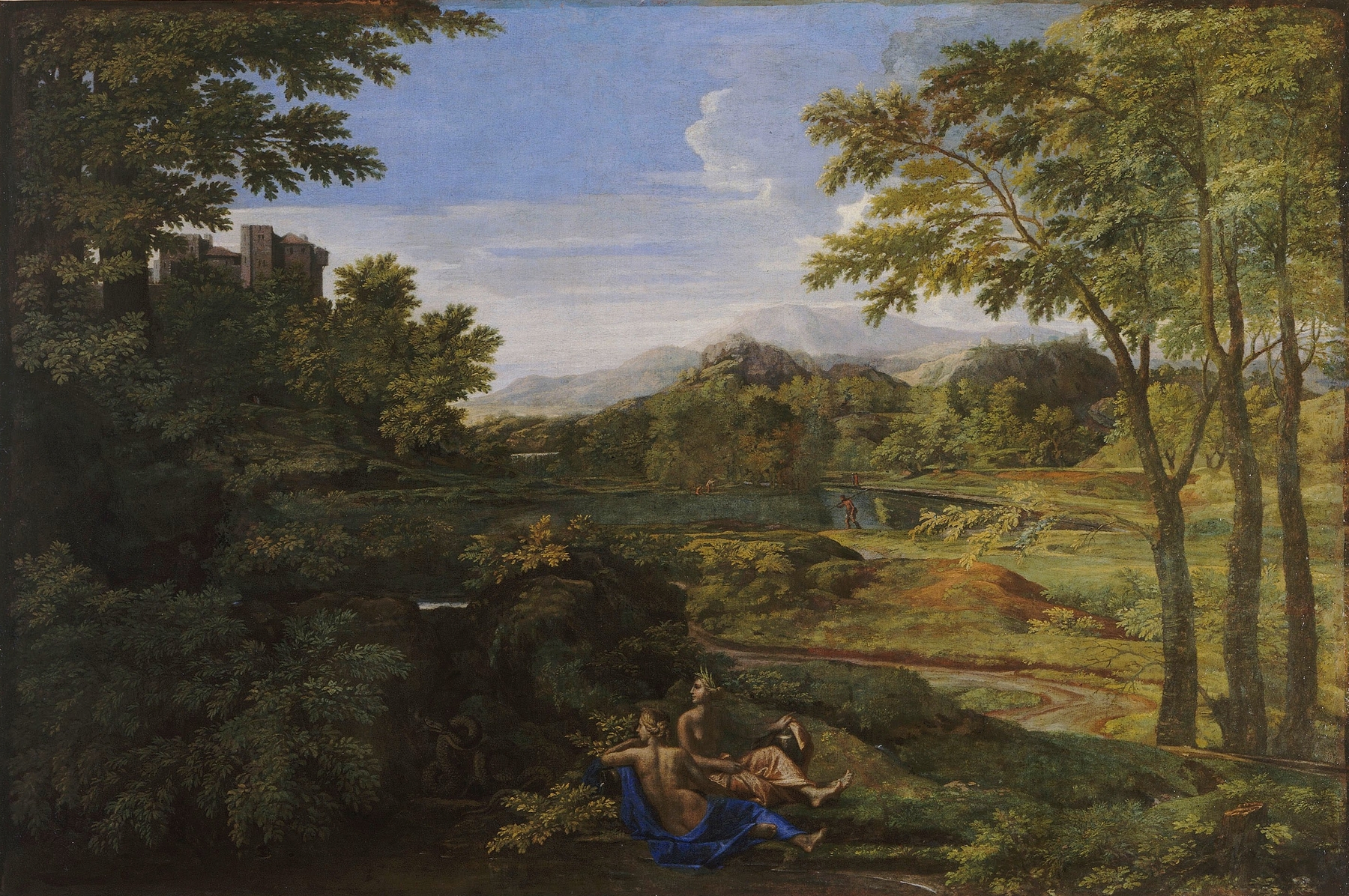
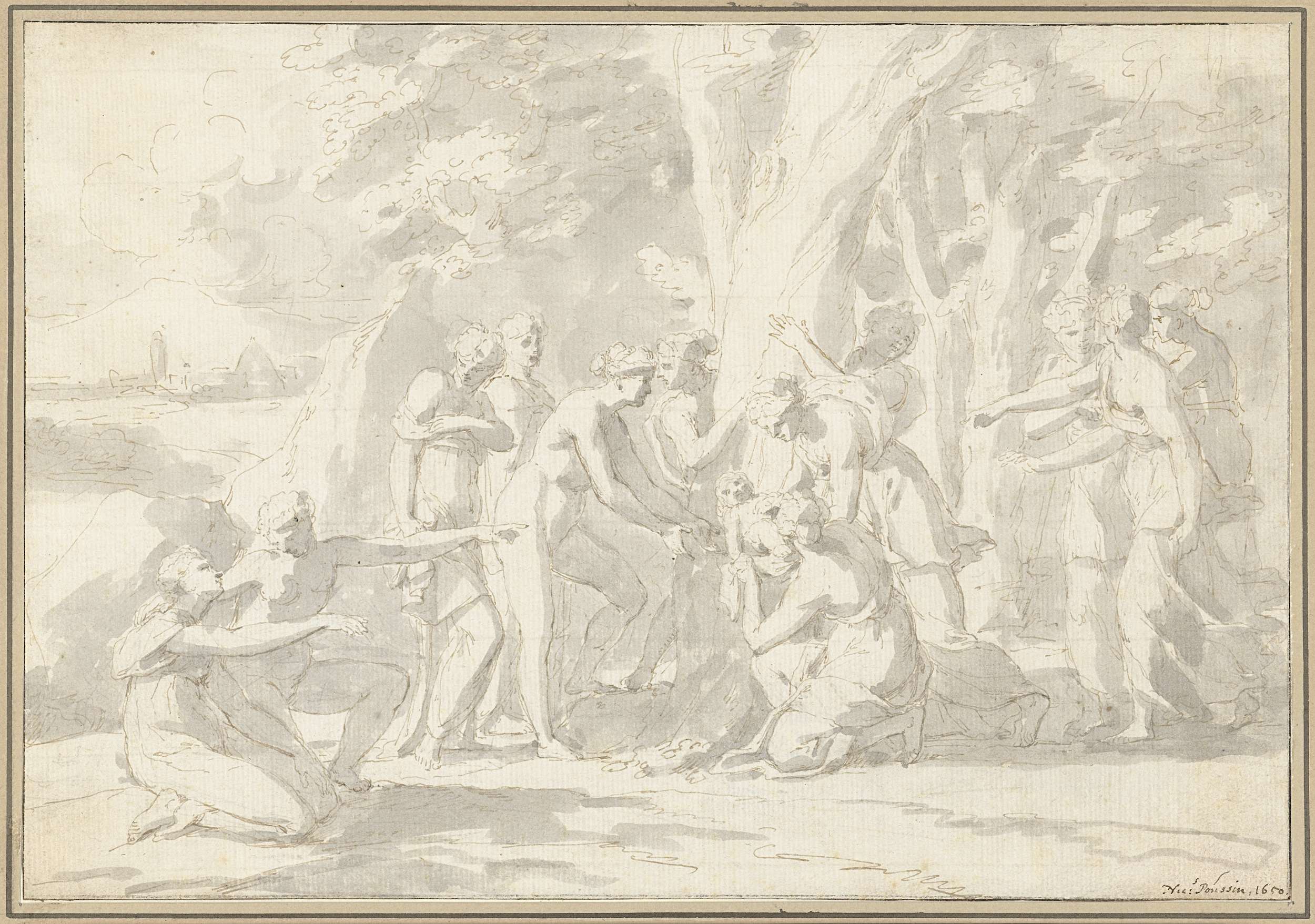
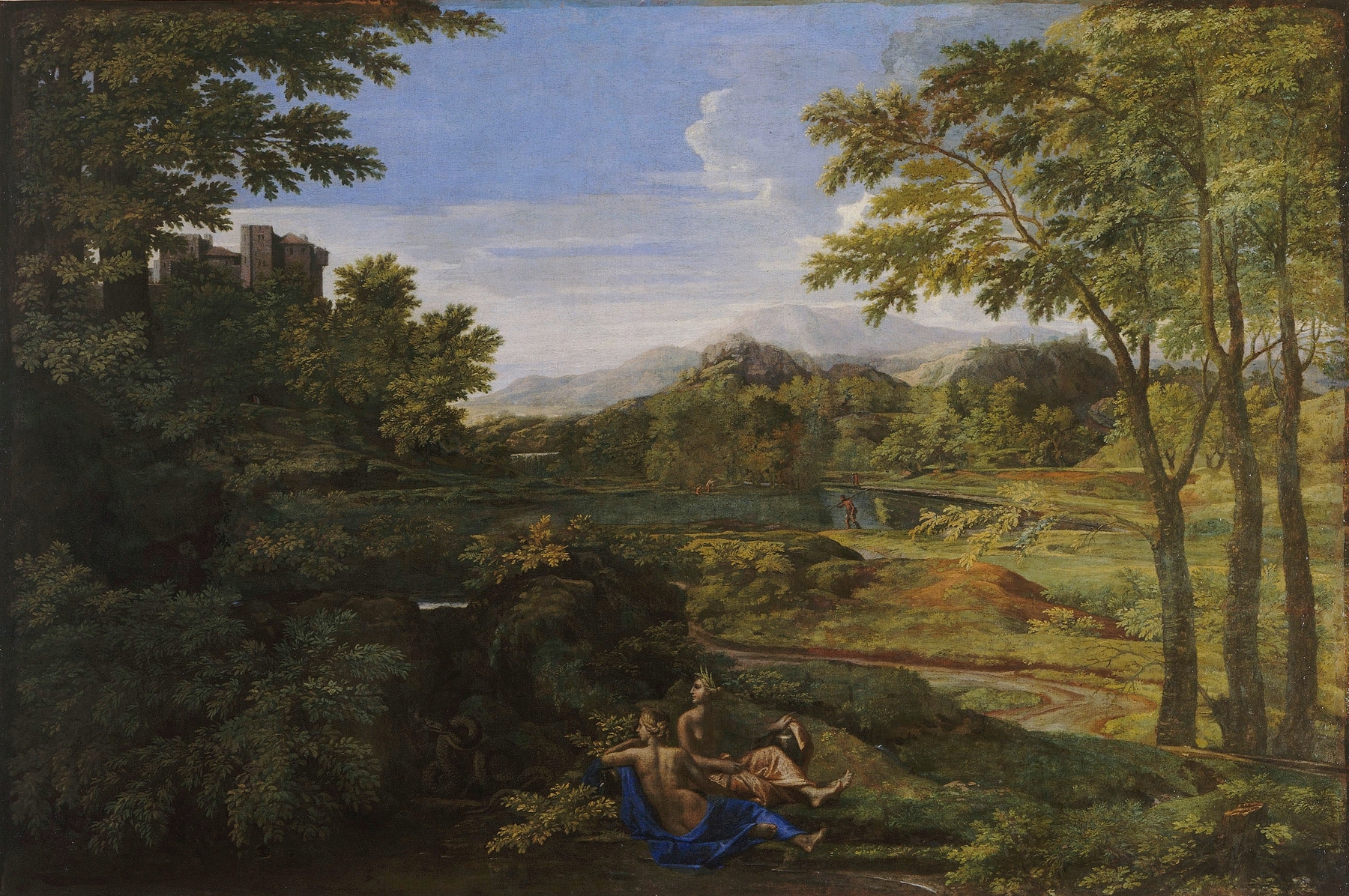
In a lush, dreamlike glade, soft sunlight filters through a canopy of vibrant green leaves, casting playful shadows on the ground. A group of nymphs, delicate and ethereal, cradle the infant Bacchus, their expressions a mixture of joy and yearning. Nearby, the tragic figures of Echo and Narcissus linger, ensnared in their own silent drama, as the air hangs thick with unspoken longing and fate. Focus on the nymphs in the foreground; their soft skin glows with a warm radiance, reflecting the divine essence of the infant.
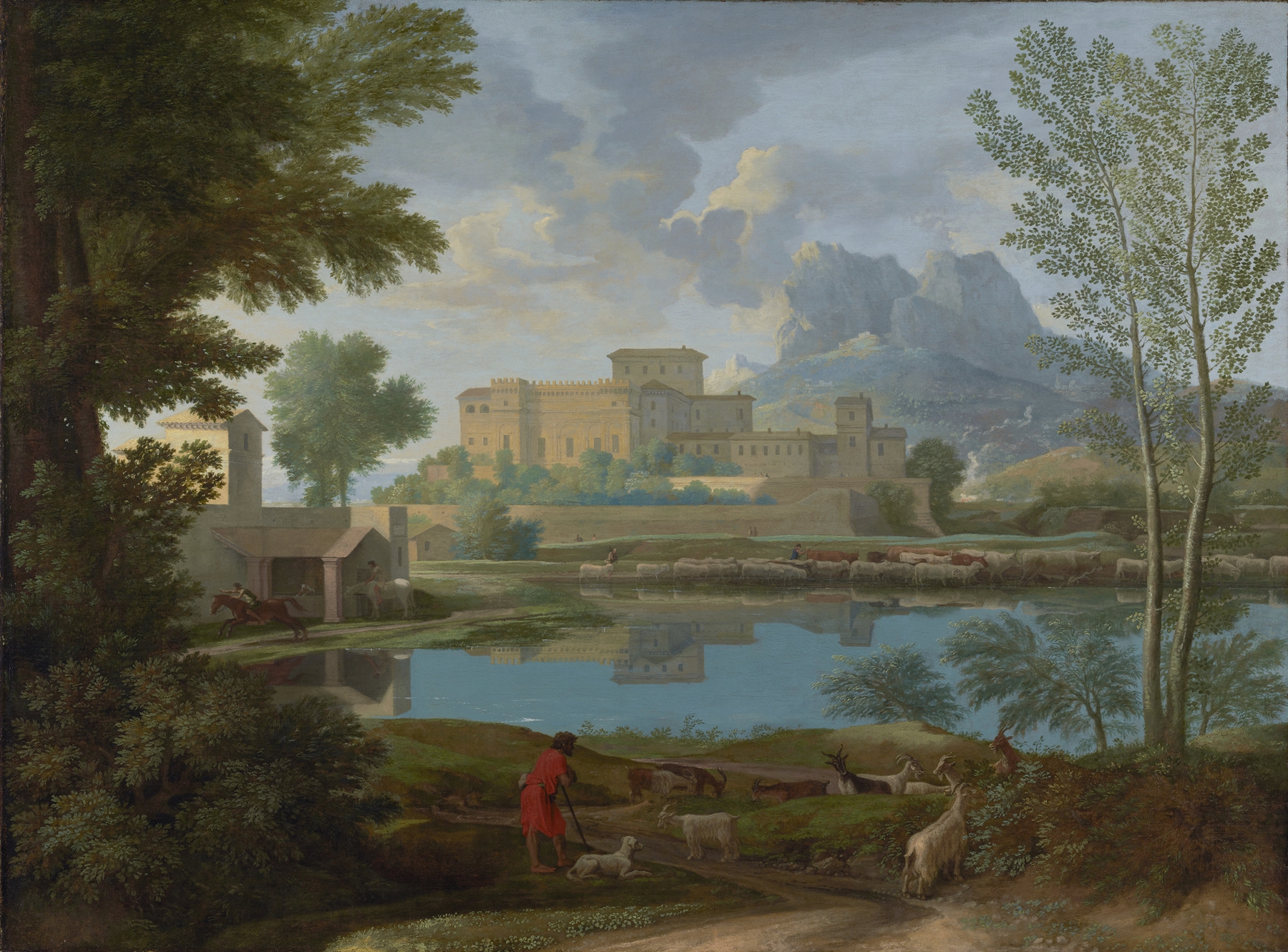
Notice how Poussin employs rich, earthy tones, contrasting the cool blues and grays of the backdrop, drawing your eye to the vibrant life at the center. The composition is a masterful balance of movement and stillness, with flowing drapery echoing the curves of the landscape, uniting humanity and nature in a harmonious embrace. Beneath the surface, the painting weaves a narrative of duality: the innocence of childhood juxtaposed with the bittersweet consequences of love and desire. The nymphs’ protective gesture speaks not only to their nurturing role but also to the fleeting nature of life, while the distant figures of Echo and Narcissus symbolize the pain of unattainable love and the self-absorption that leads to tragedy.
This intricate layering of themes invites the viewer to reflect on the complexities of human emotions. Created in 1657 during a period of artistic innovation, Poussin painted this work while he was living in Rome, a city teeming with classical influences. At this time, he was deeply engaged in exploring themes of mythology and human experience, seeking to convey deeper truths through the lens of ancient narratives. Poussin's exploration of these subjects helped solidify his reputation as a master of Baroque art and underscored a profound interest in the relationship between beauty and tragedy.